To learn more about available works, please provide your contact information
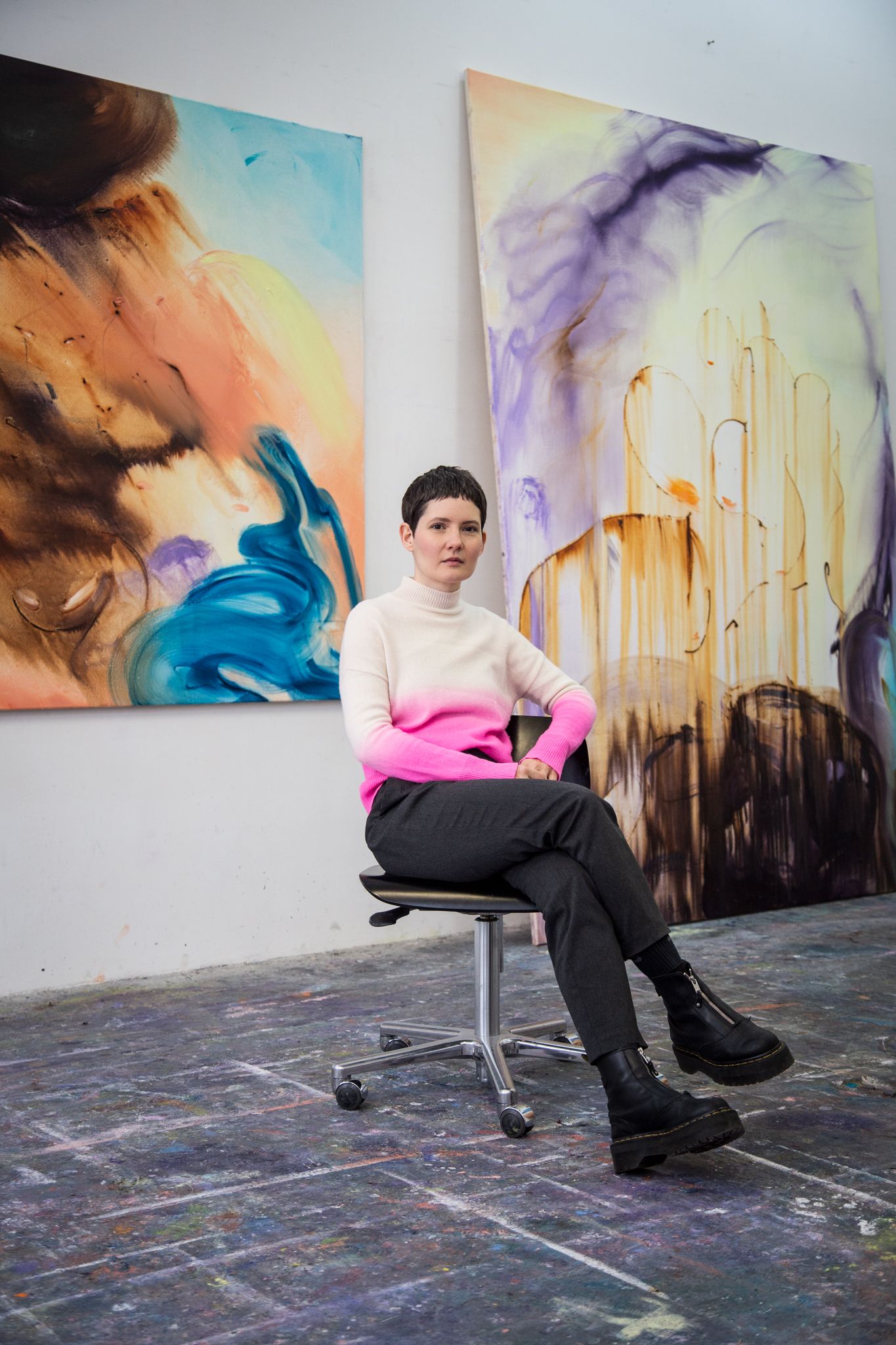
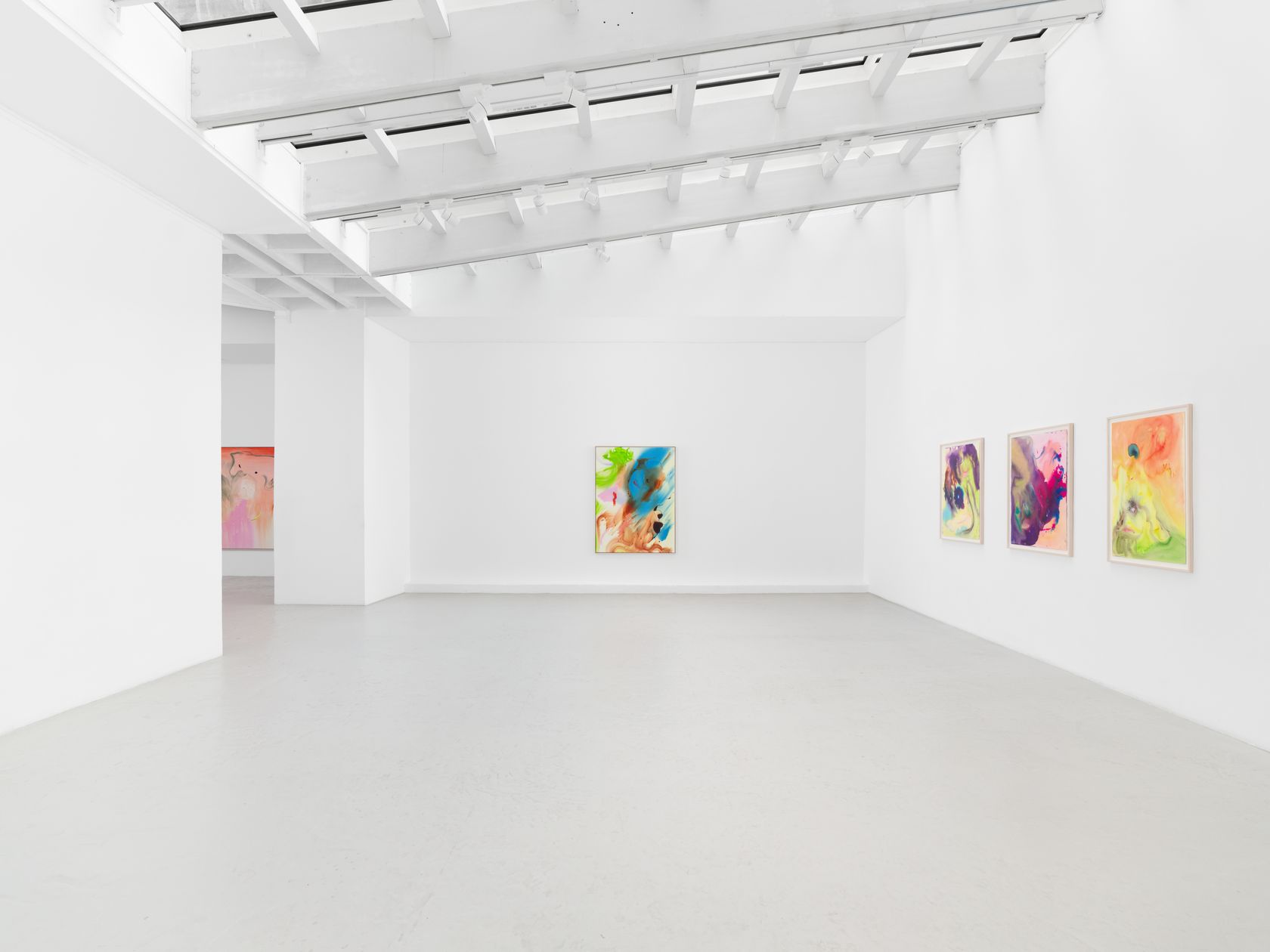
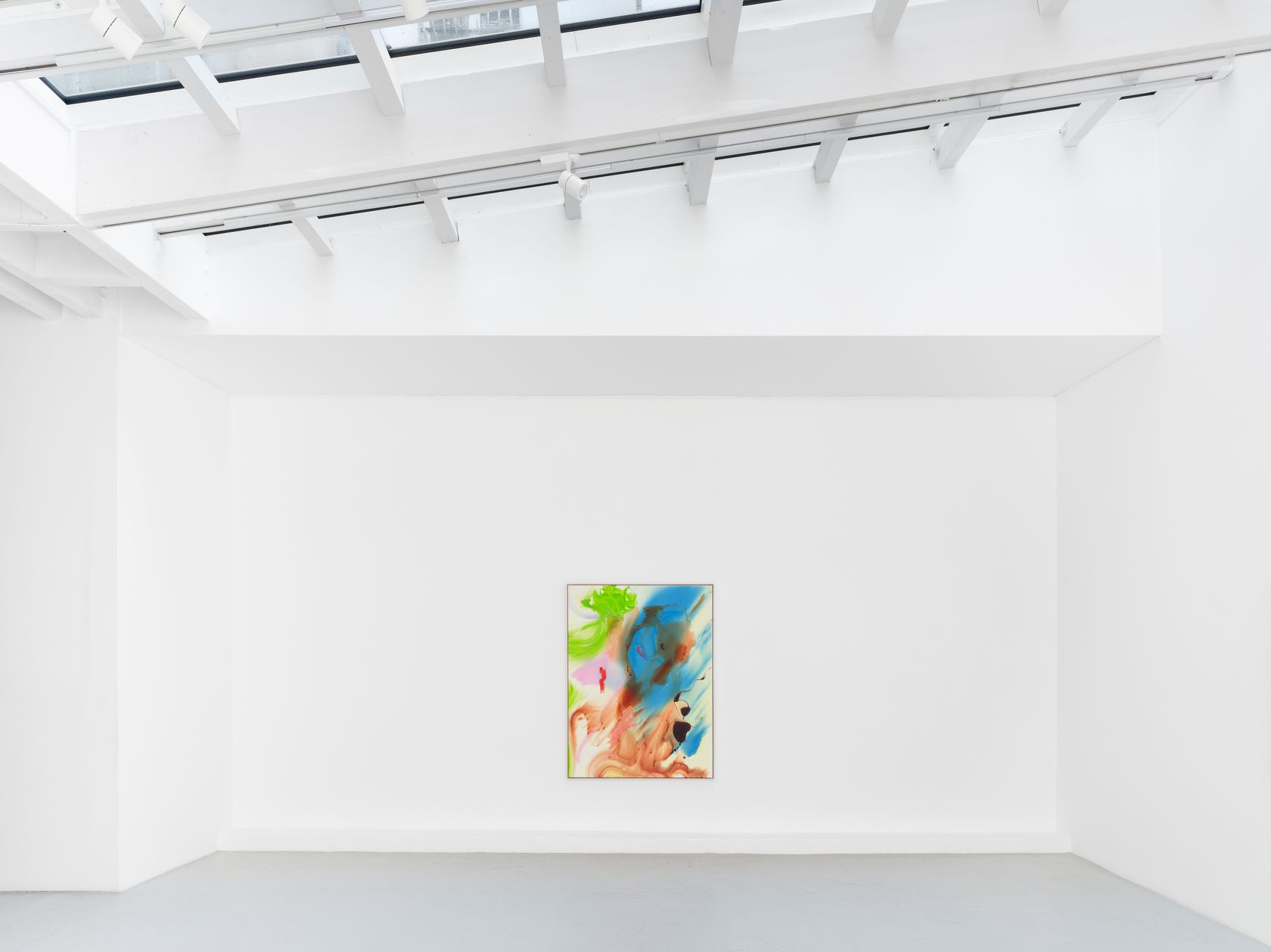
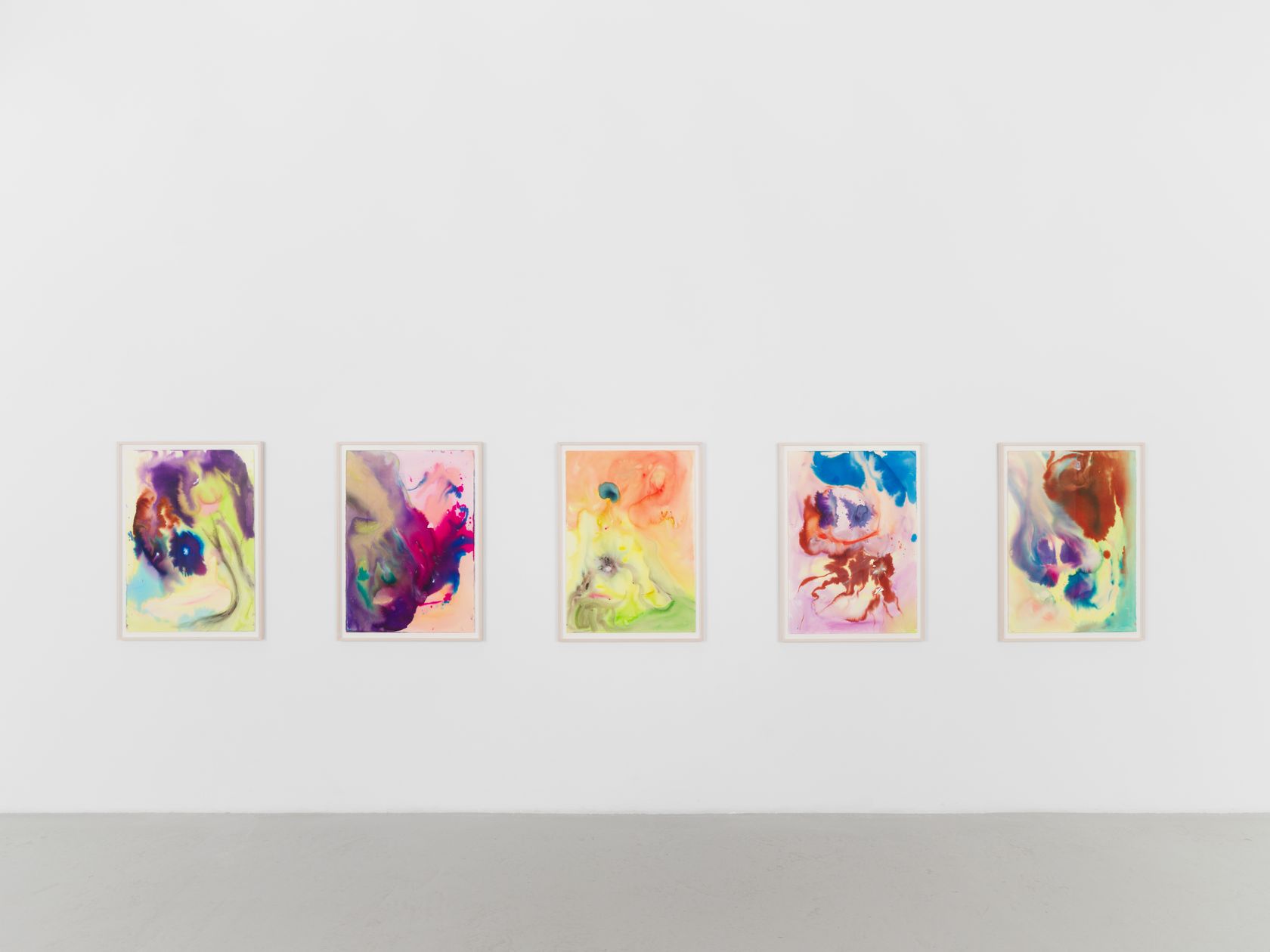
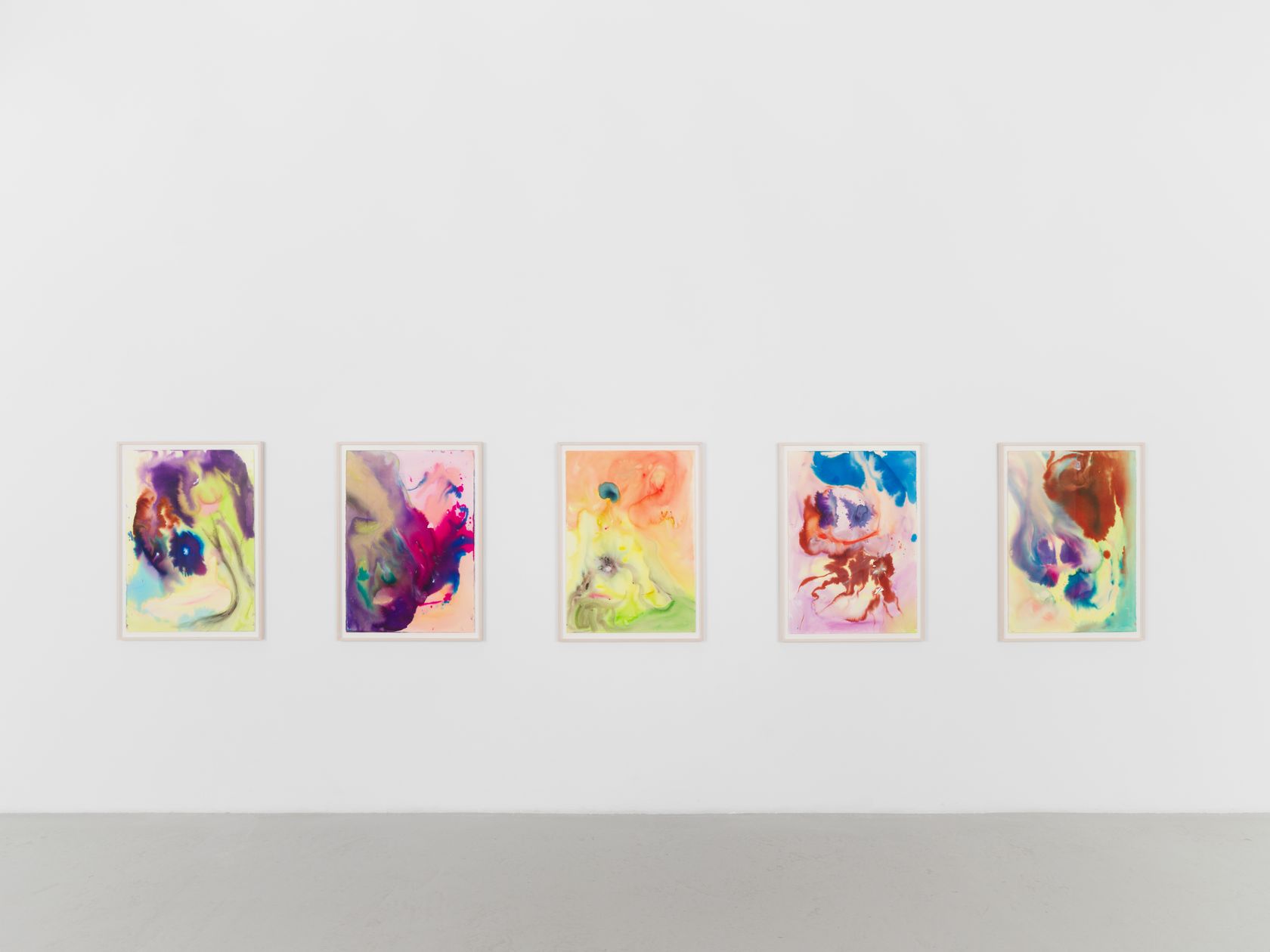
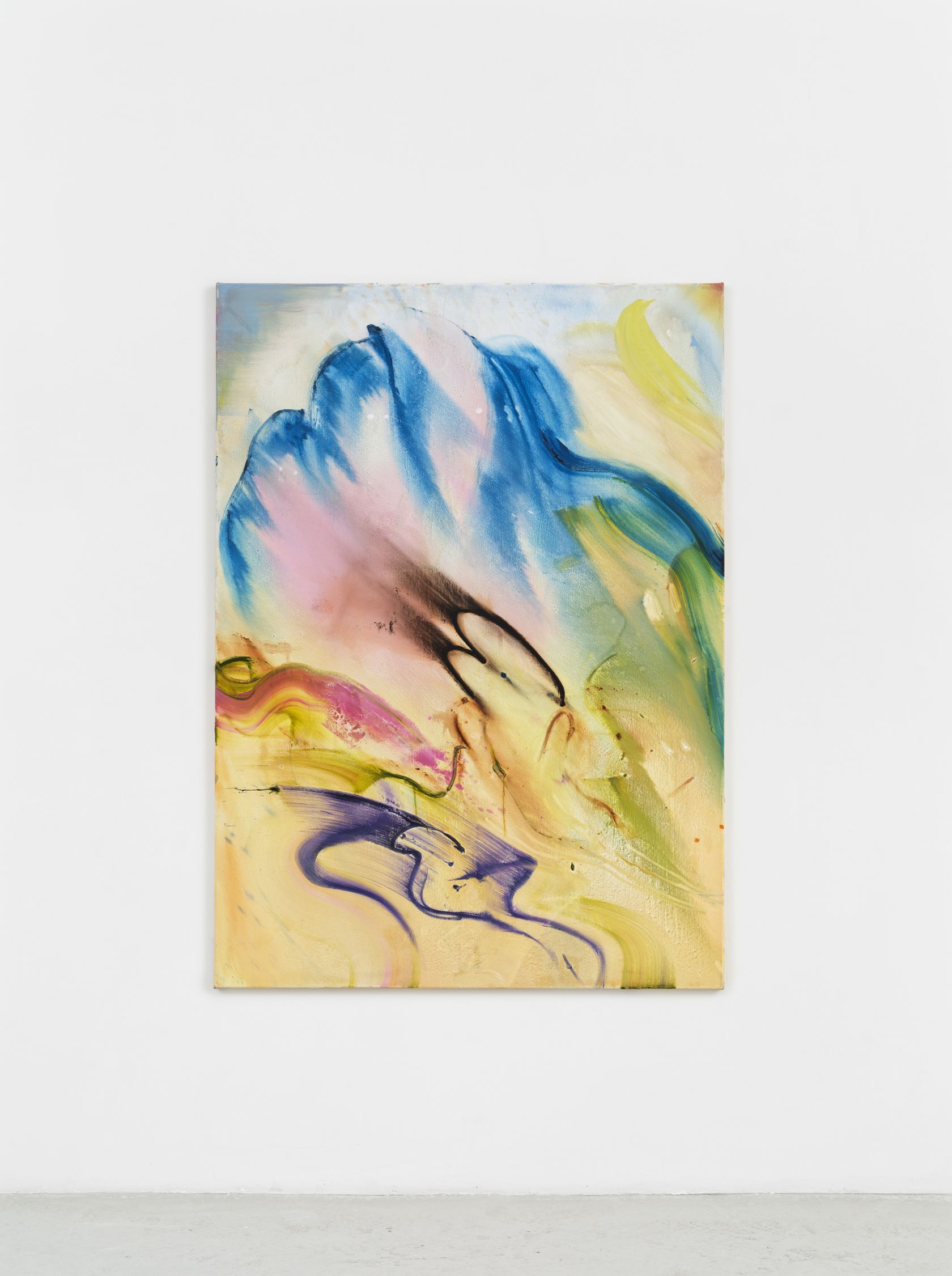
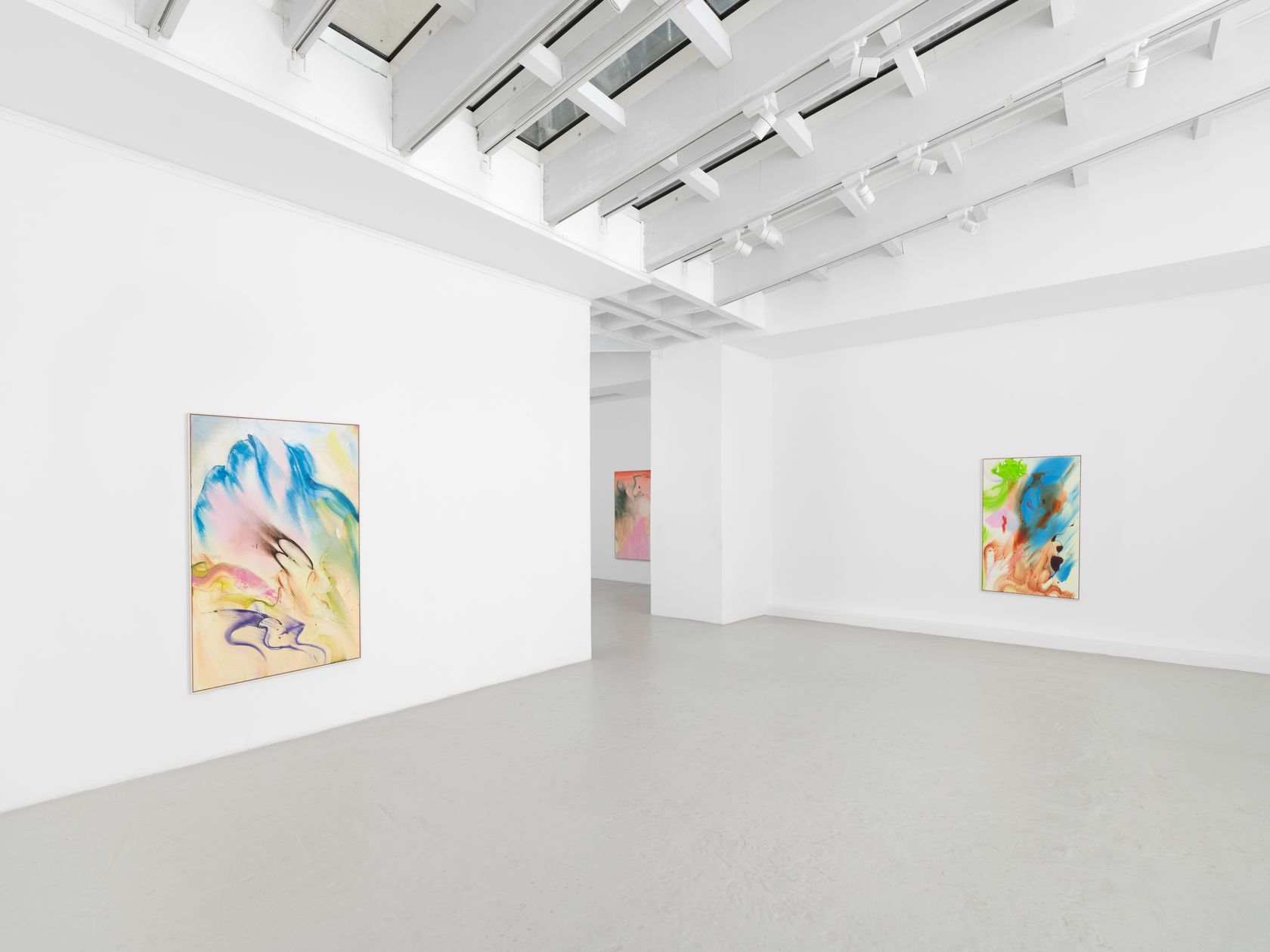
With her third solo show at Semiose gallery, Aneta Kajzer maintains a cycle where each exhibition appears to emerge from the previous one as a natural mutation of her universe. Heavy Water, staged in 2021 represented the first installment, with its dense, fluid paintings rippling with currents and internal eddies. Two years later, Head in the Clouds ascended towards lighter skies and featured suspended forms and faces floating amidst the color. In Too Close to the Sun this trajectory is set ablaze, pursuing a radiant apotheosis, appearing as an almost mythical ascent. After water and air, fire takes their place: in the same way as Icarus, the painting ascends to a point of almost dazzling luminosity, fully conscious of the risk of losing its form, yet also aware of the exhilarating freedom that accompanies this proximity to the sun. What was once flowing and evaporating, condenses in radiant heat: the matter reaches its fusion point where light becomes color and color becomes energy.
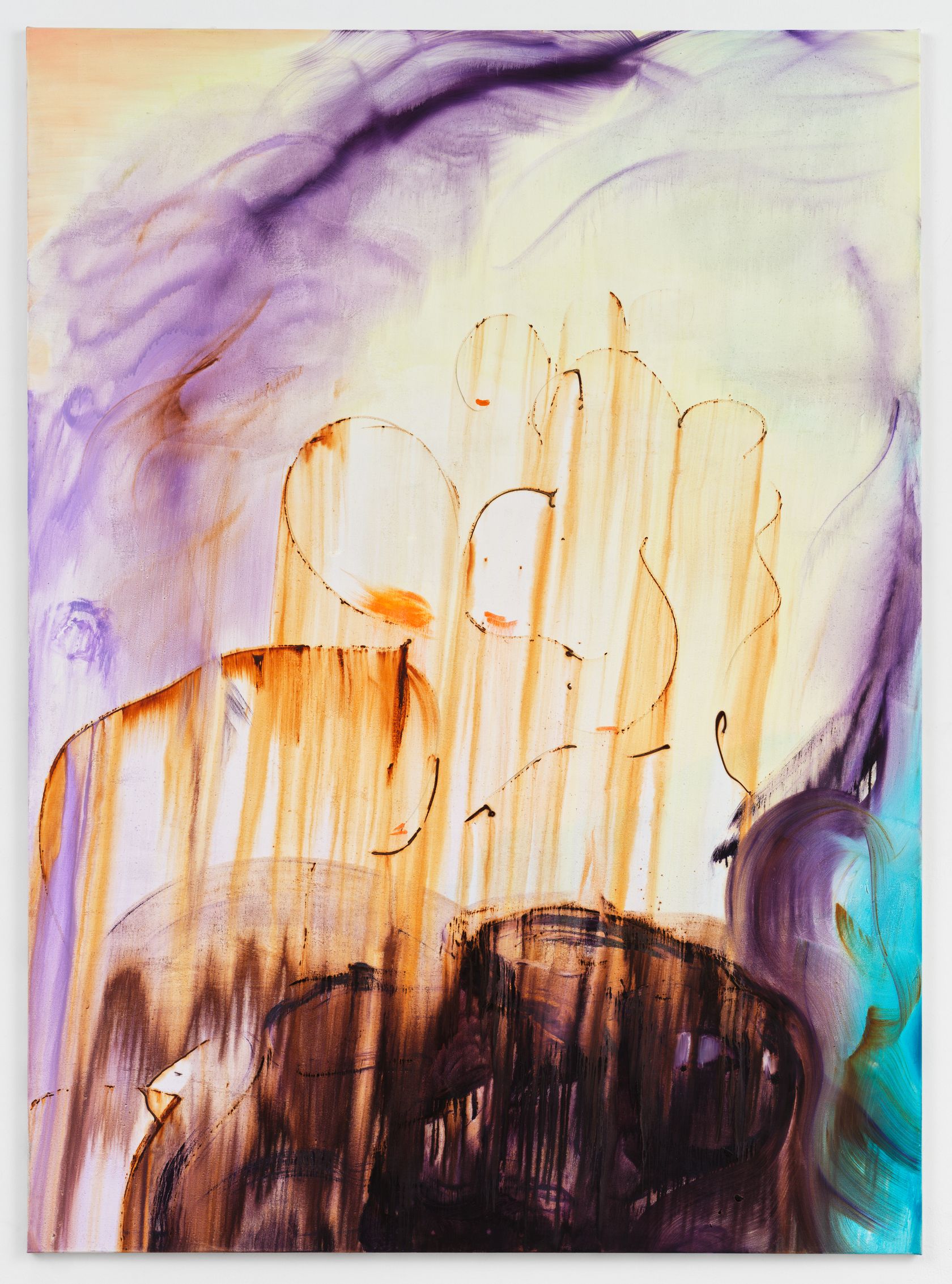
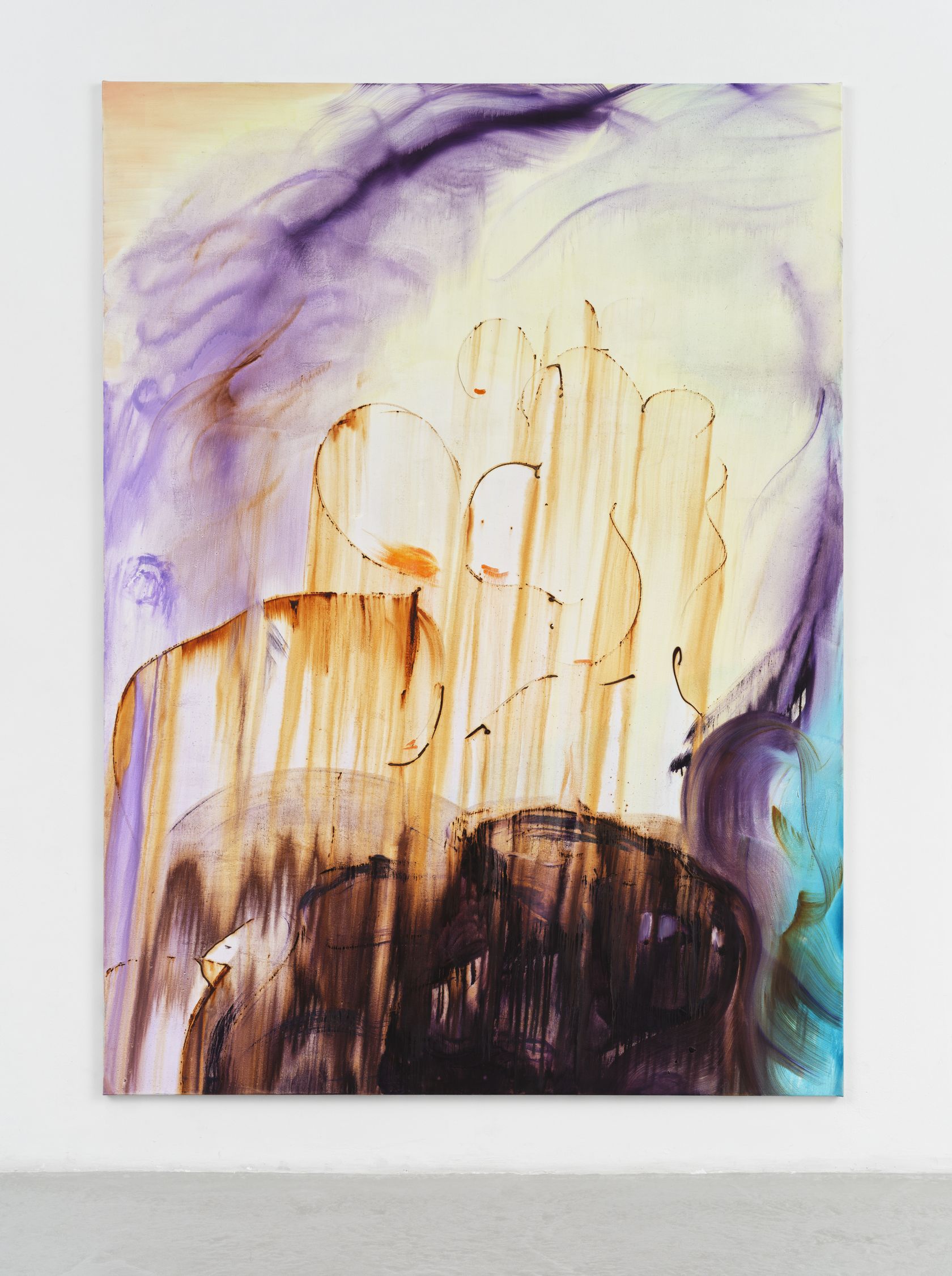
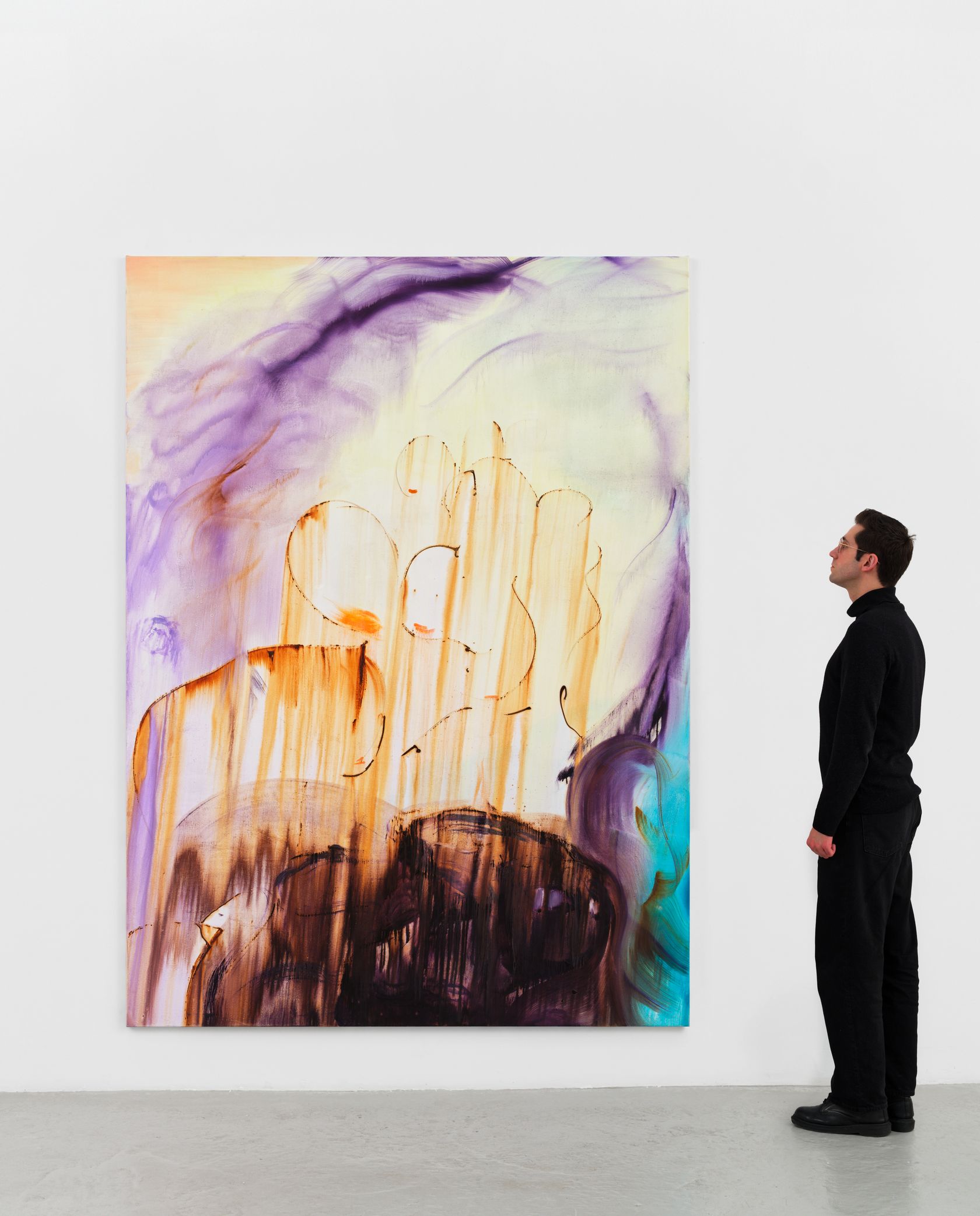
- Aneta Kajzer
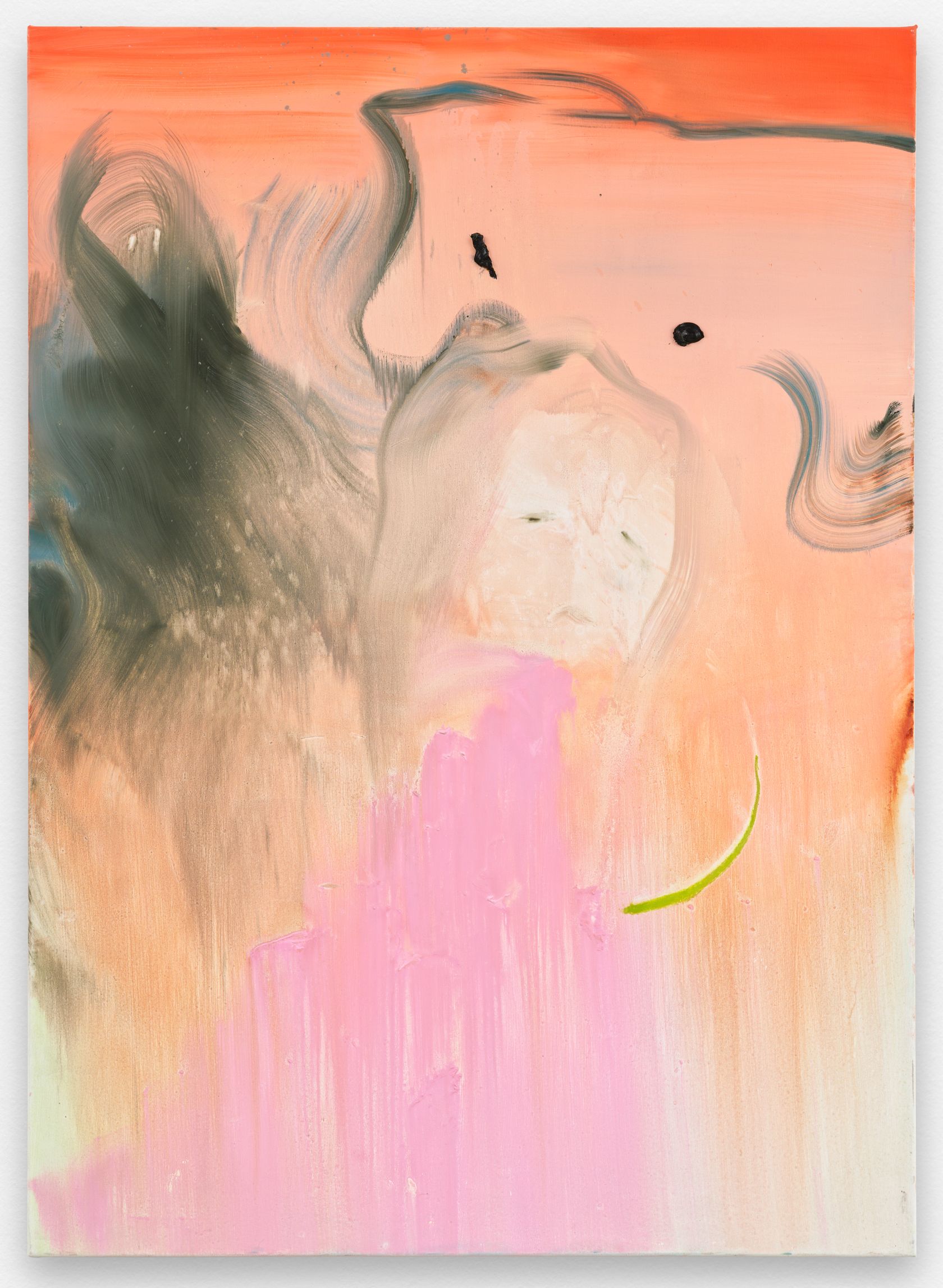
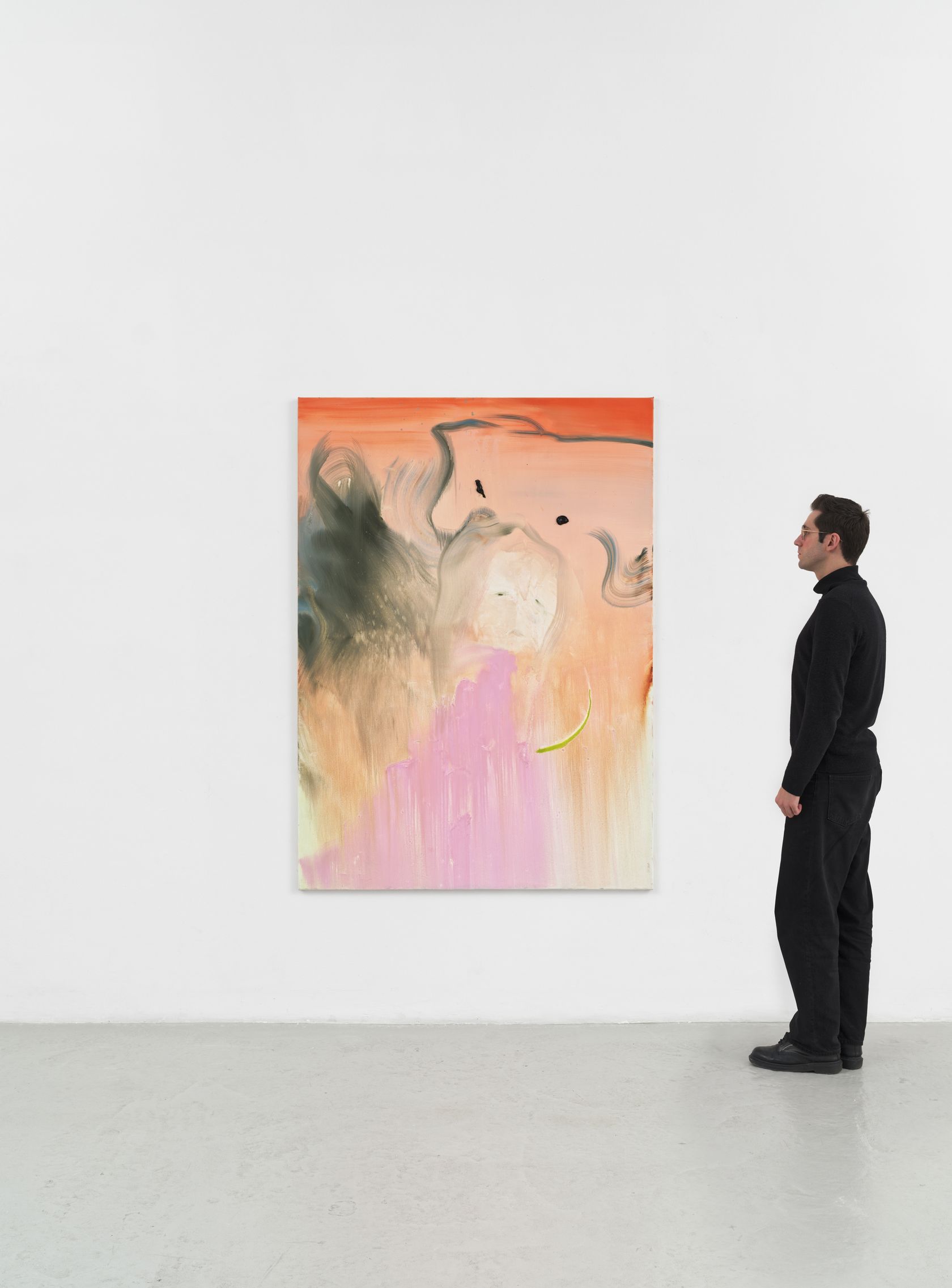
- Stairway to Heaven , 2025
- Oil on canvas
-
- 260 ×
- 190 × cm
- 102 3/8 ×
- 74 13/16 × inches
- Aneta Kajzer
- Auf Wanderschaft , 2025
- Oil on canvas
-
- 180 ×
- 130 × cm
- 70 7/8 ×
- 51 3/16 × inches
- Aneta Kajzer
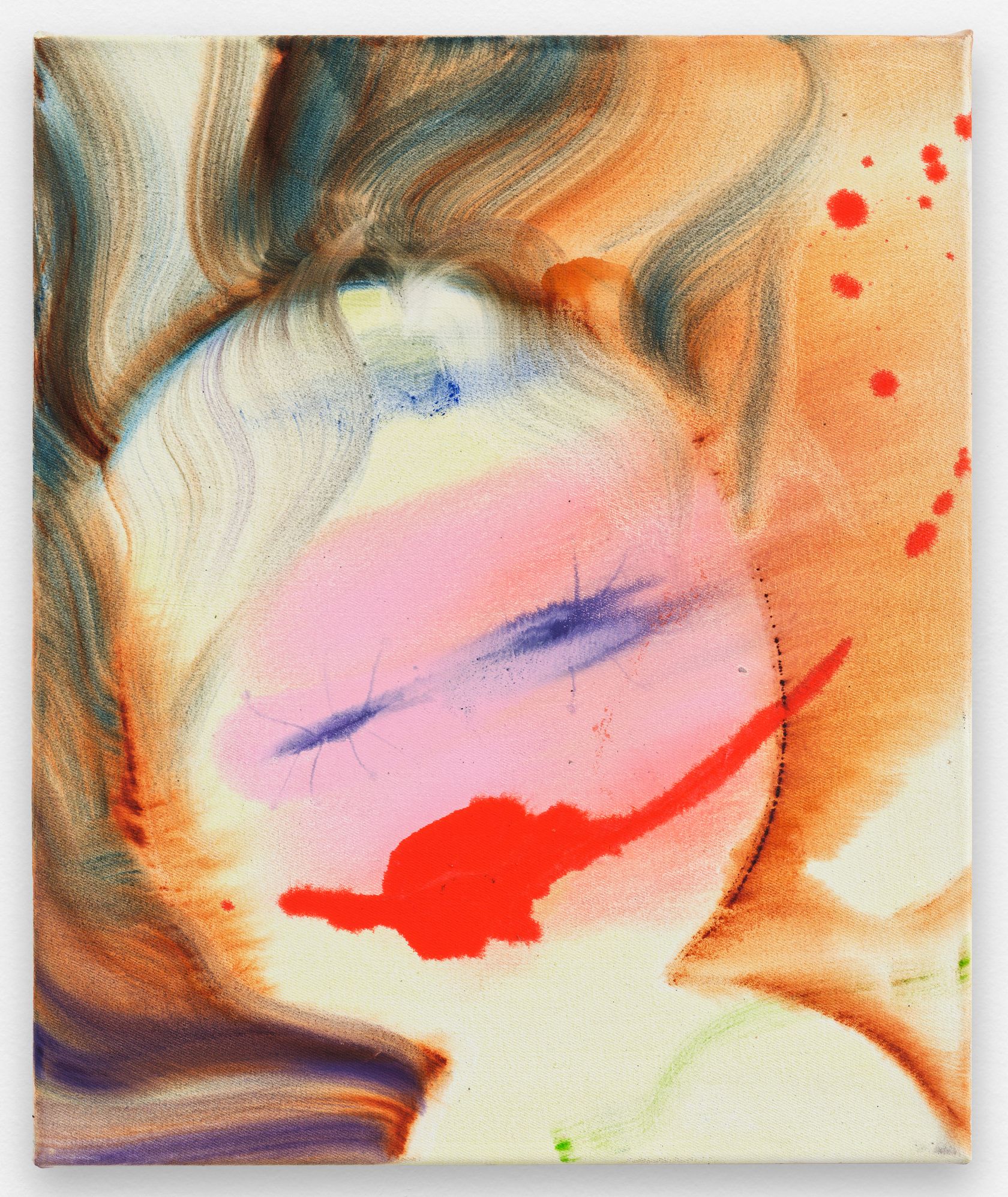
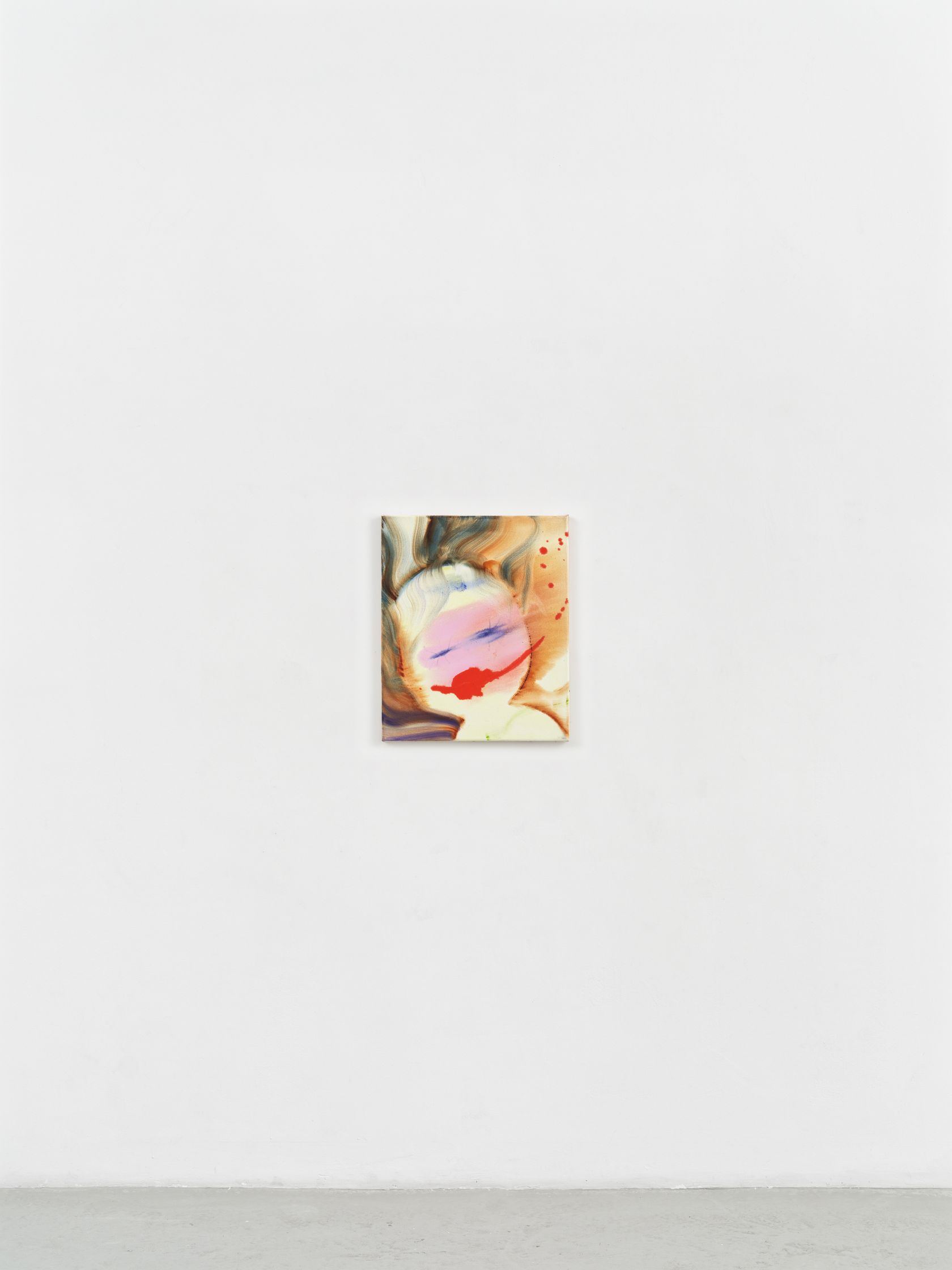
- Floating state , 2025
- Oil on canvas
-
- 60 ×
- 50 × cm
- 23 5/8 ×
- 19 11/16 × inches
- Aneta Kajzer
- Inselenergie , 2025
- Oil on canvas
-
- 160 ×
- 120 × cm
- 63 ×
- 47 1/4 × inches
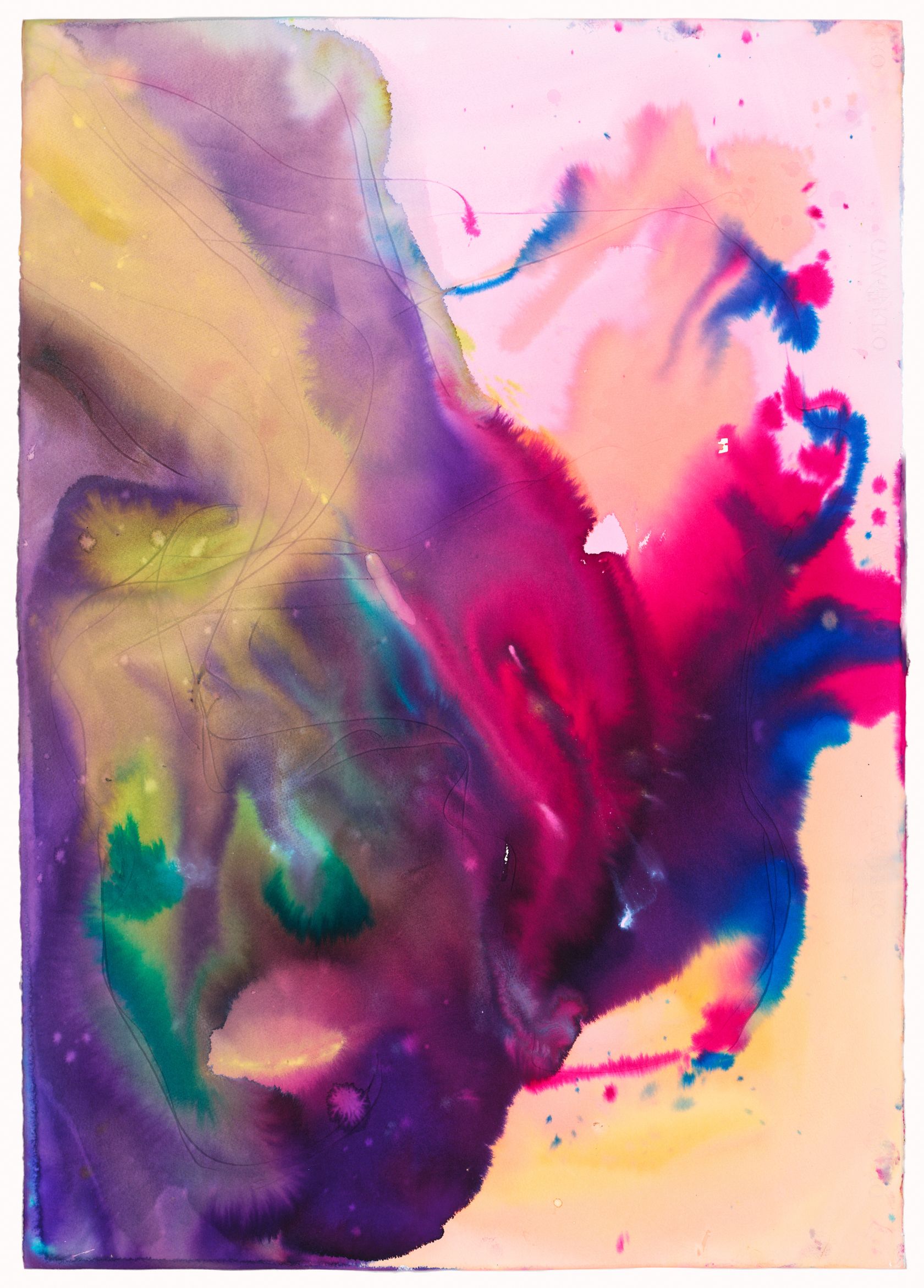
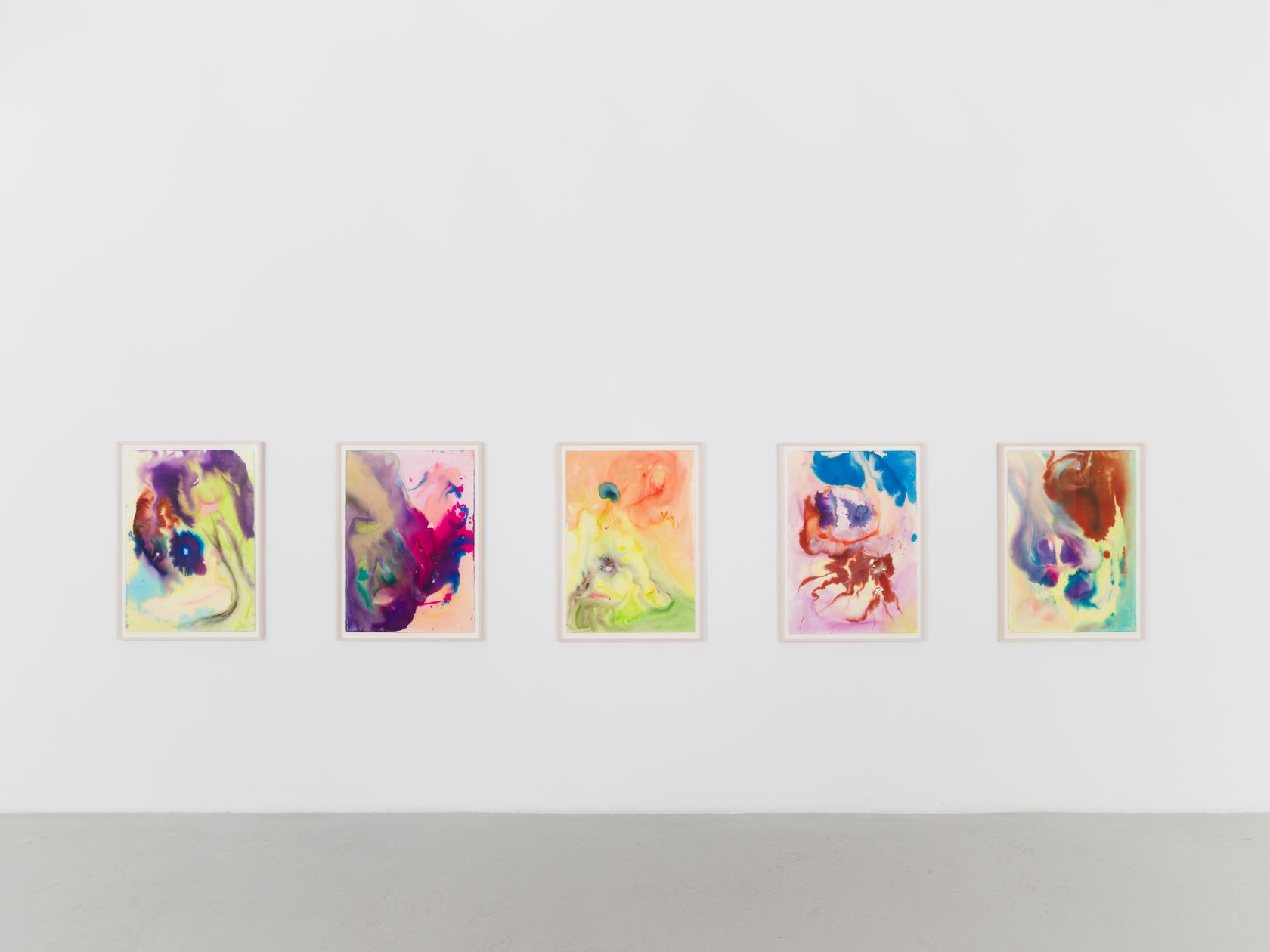
- Aneta Kajzer
- Space Oddity , 2025
- Watercolor on paper
-
- 100 ×
- 70 × cm
- 39 3/8 ×
- 27 9/16 × inches
- unframed
- 109 ×
- 79.5 × cm
- 42 15/16 ×
- 31 5/16 × in
- framed
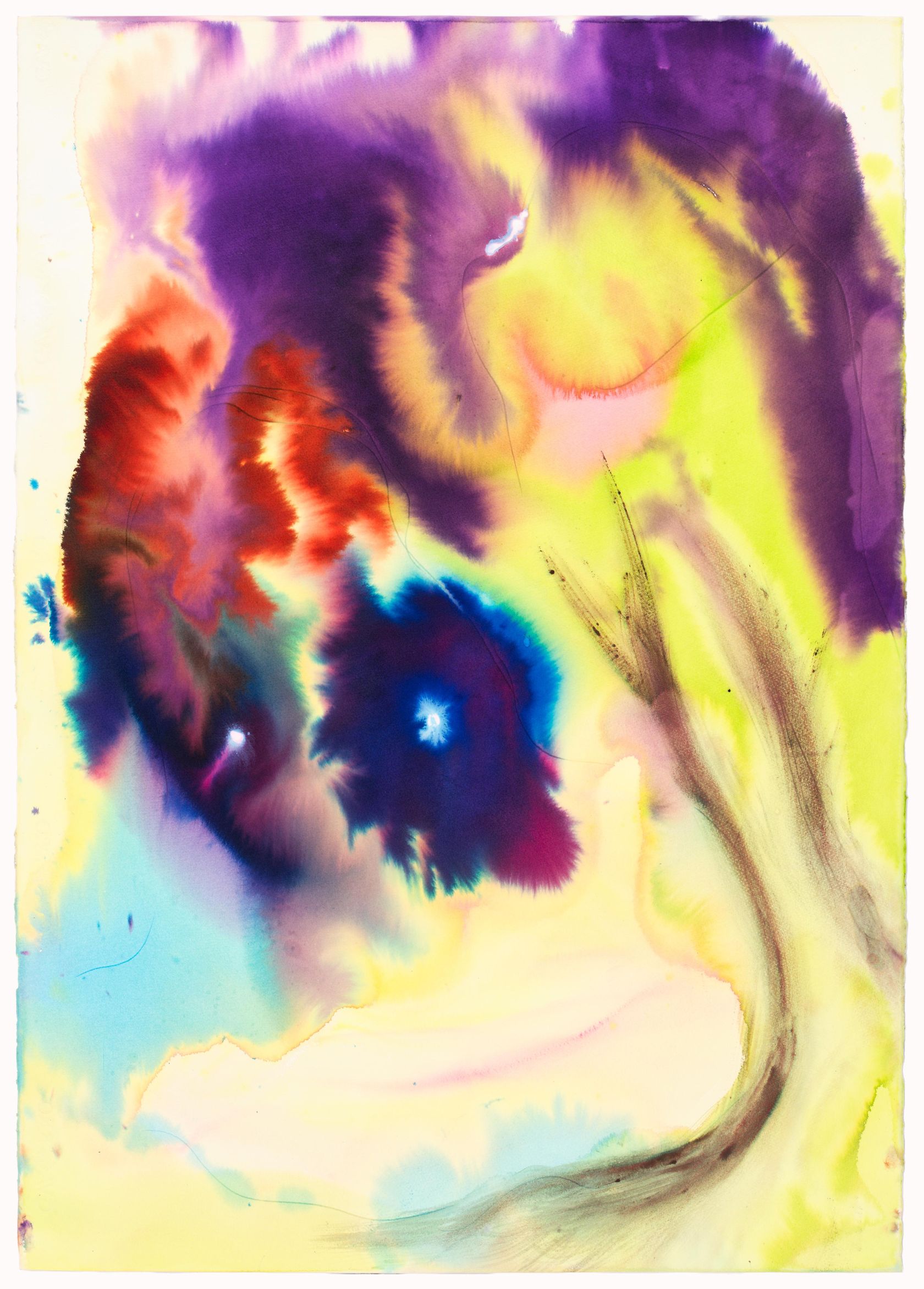
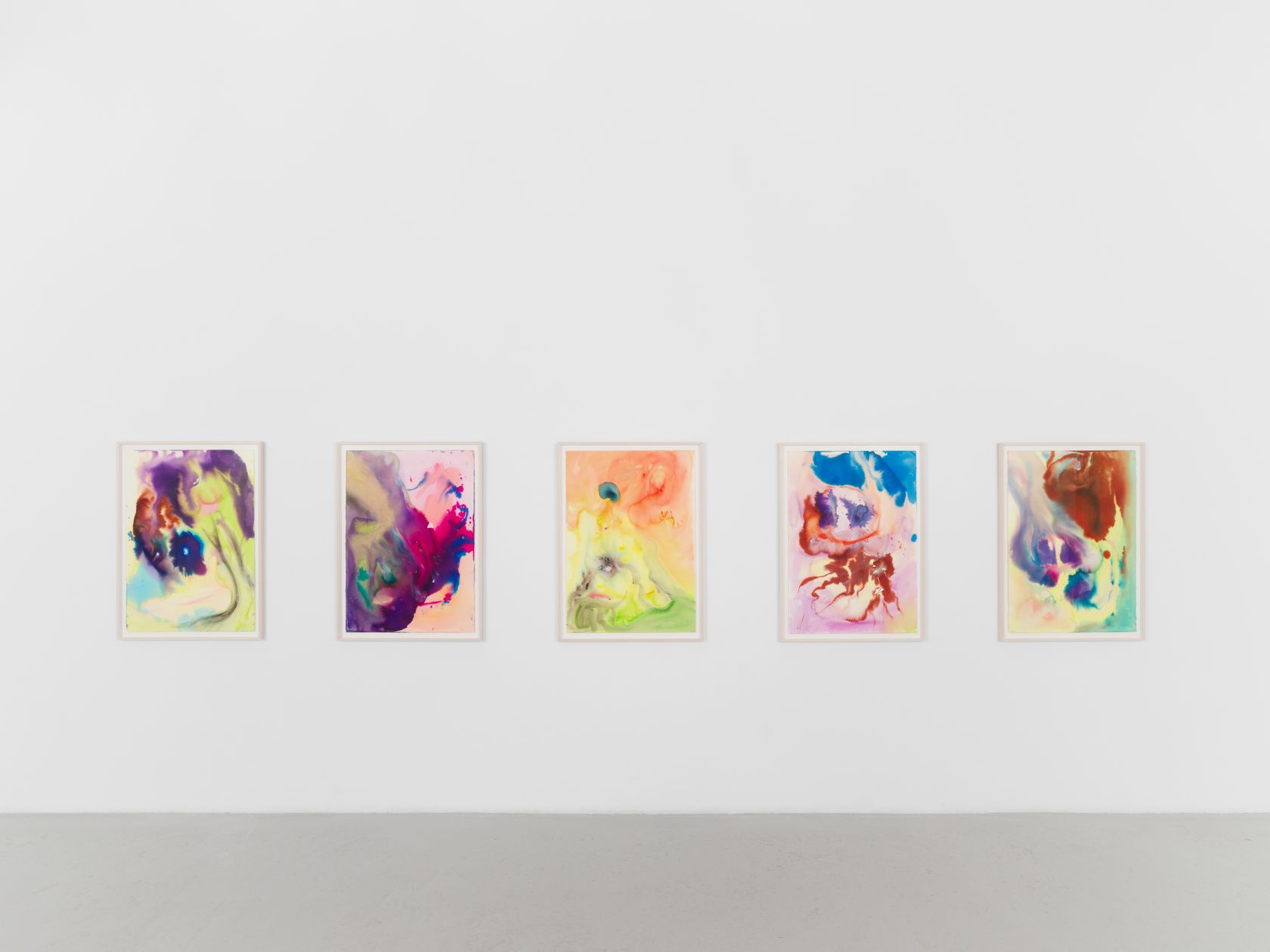
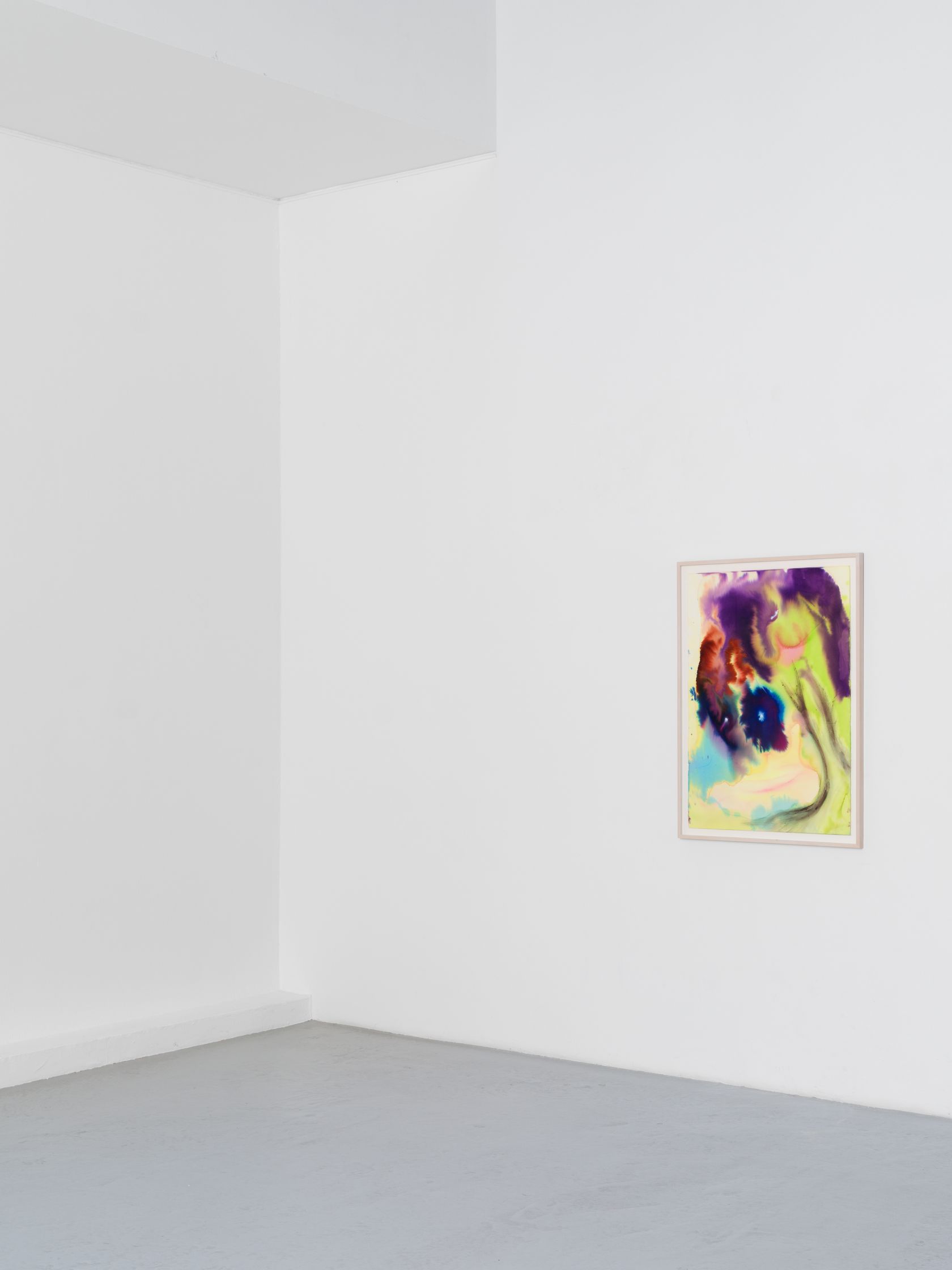
- Aneta Kajzer
- all over the place , 2025
- Watercolor on paper
-
- 100 ×
- 70 × cm
- 39 3/8 ×
- 27 9/16 × inches
- unframed
- 109 ×
- 79.5 × cm
- 42 15/16 ×
- 31 5/16 × in
- framed
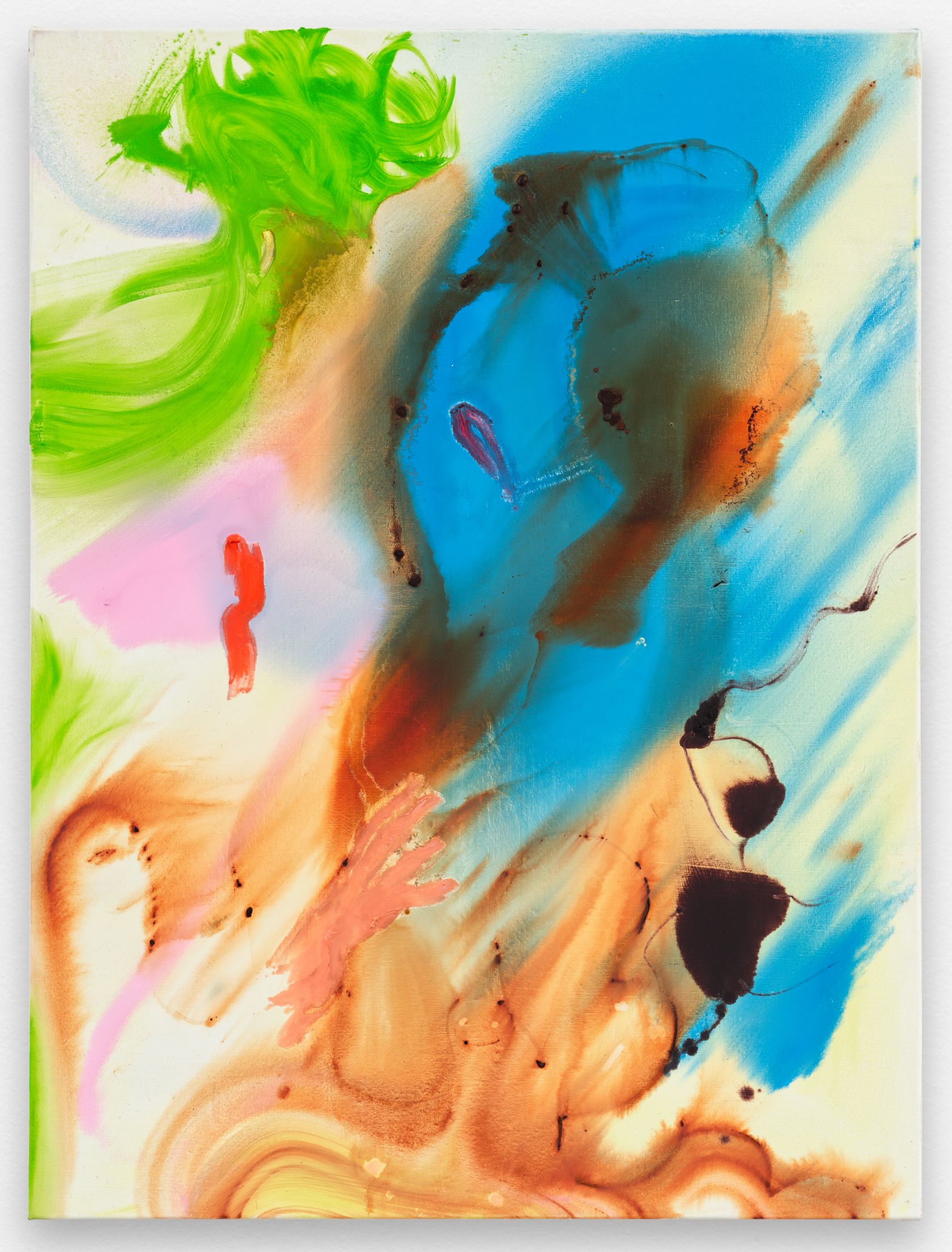
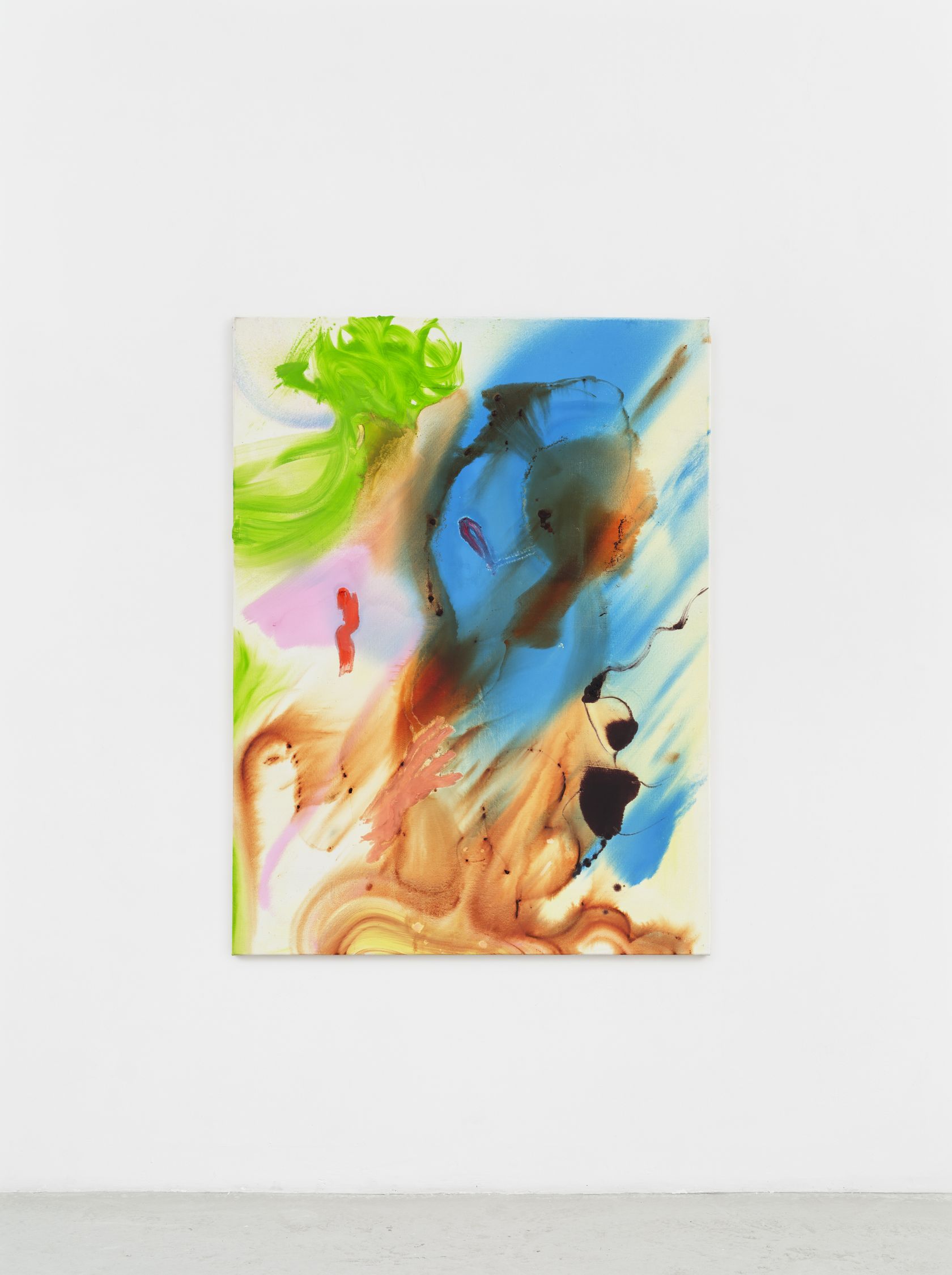
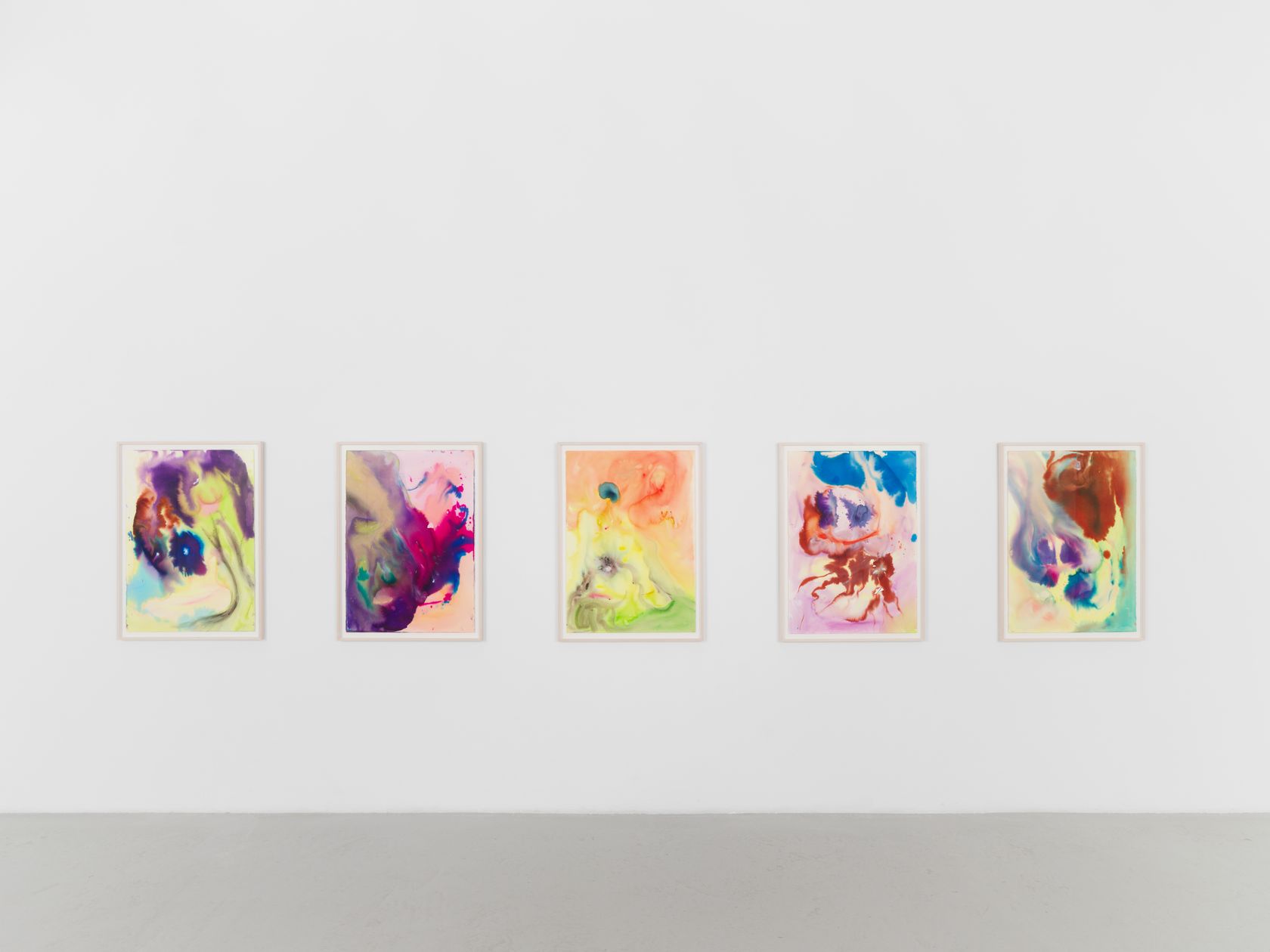
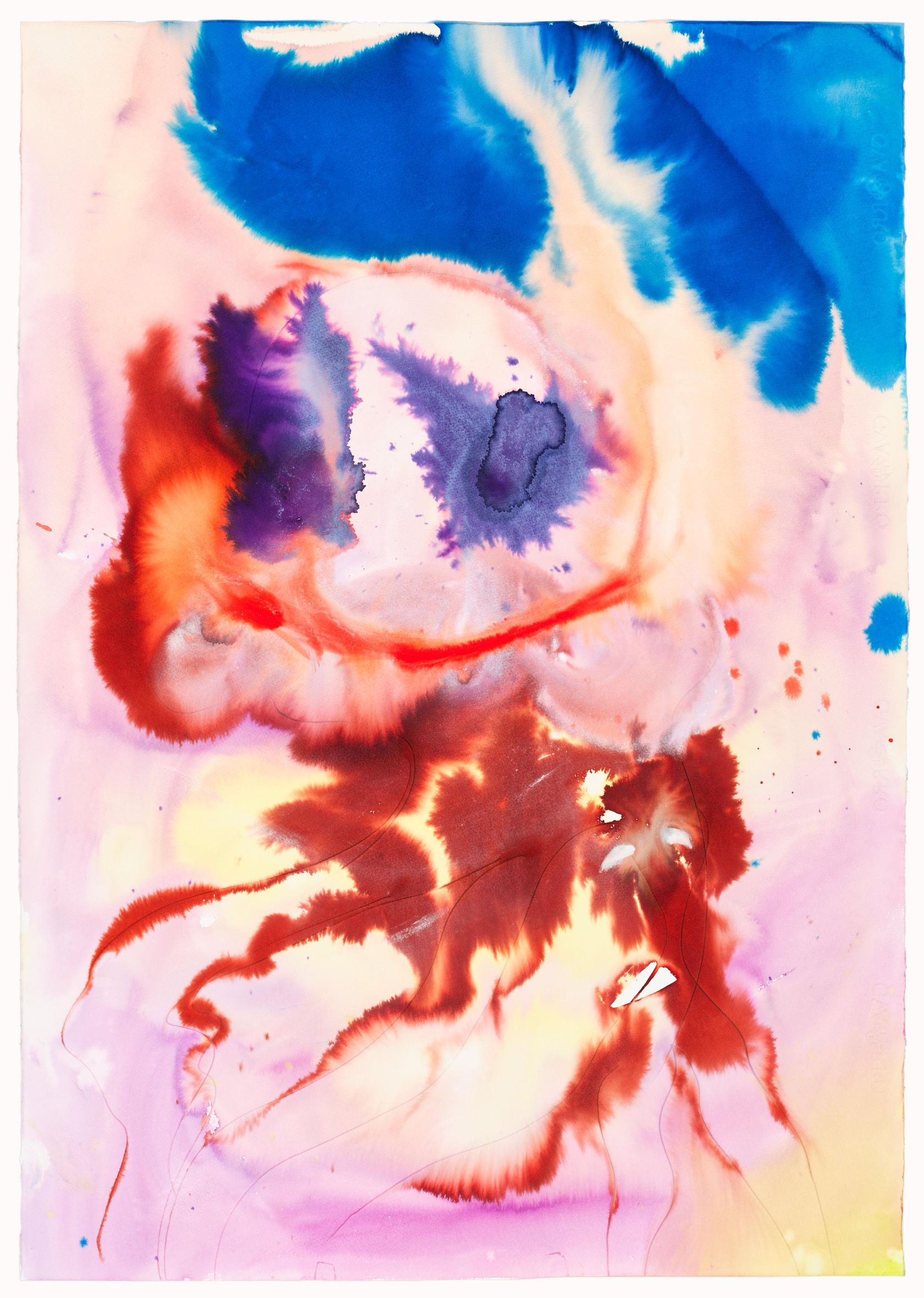
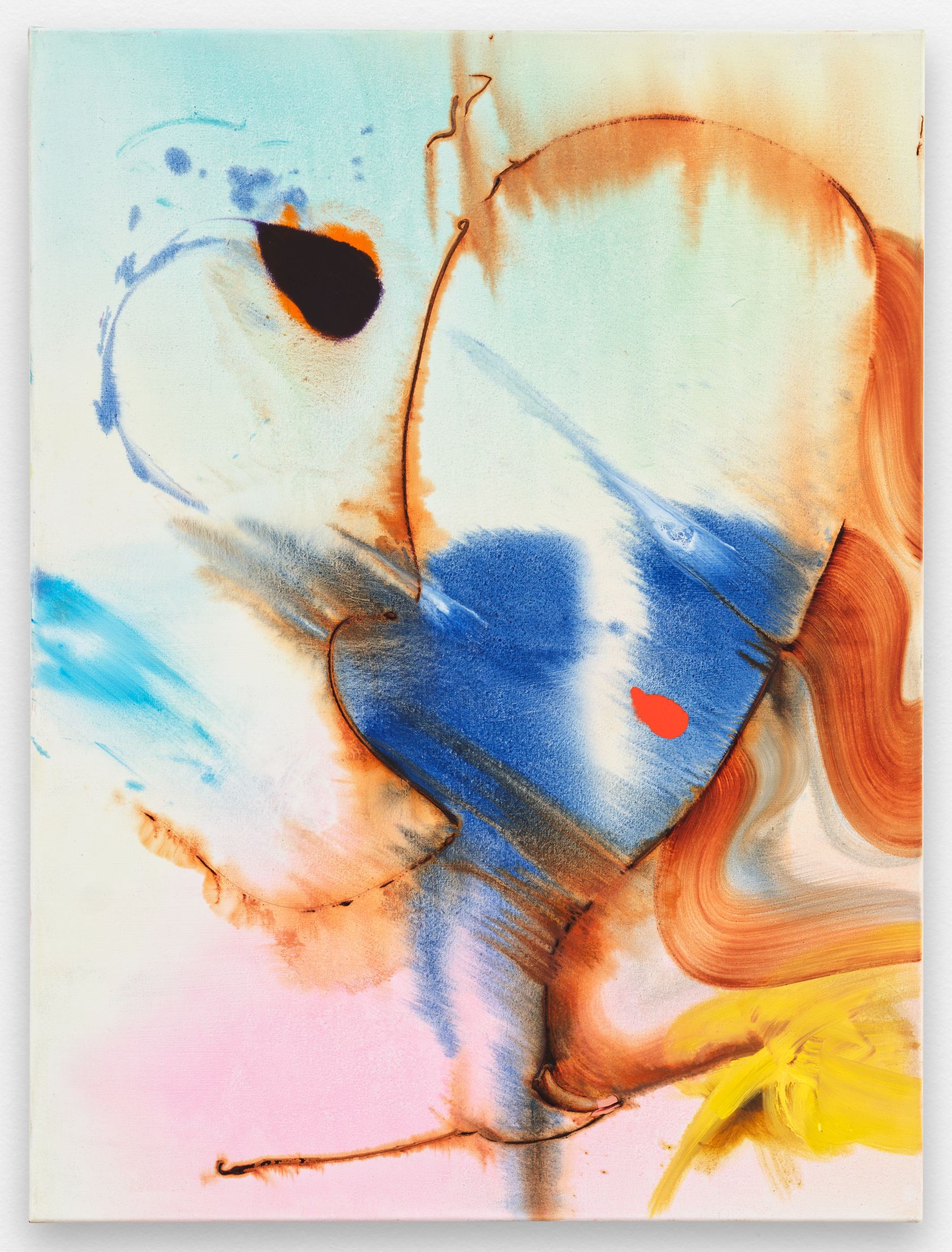
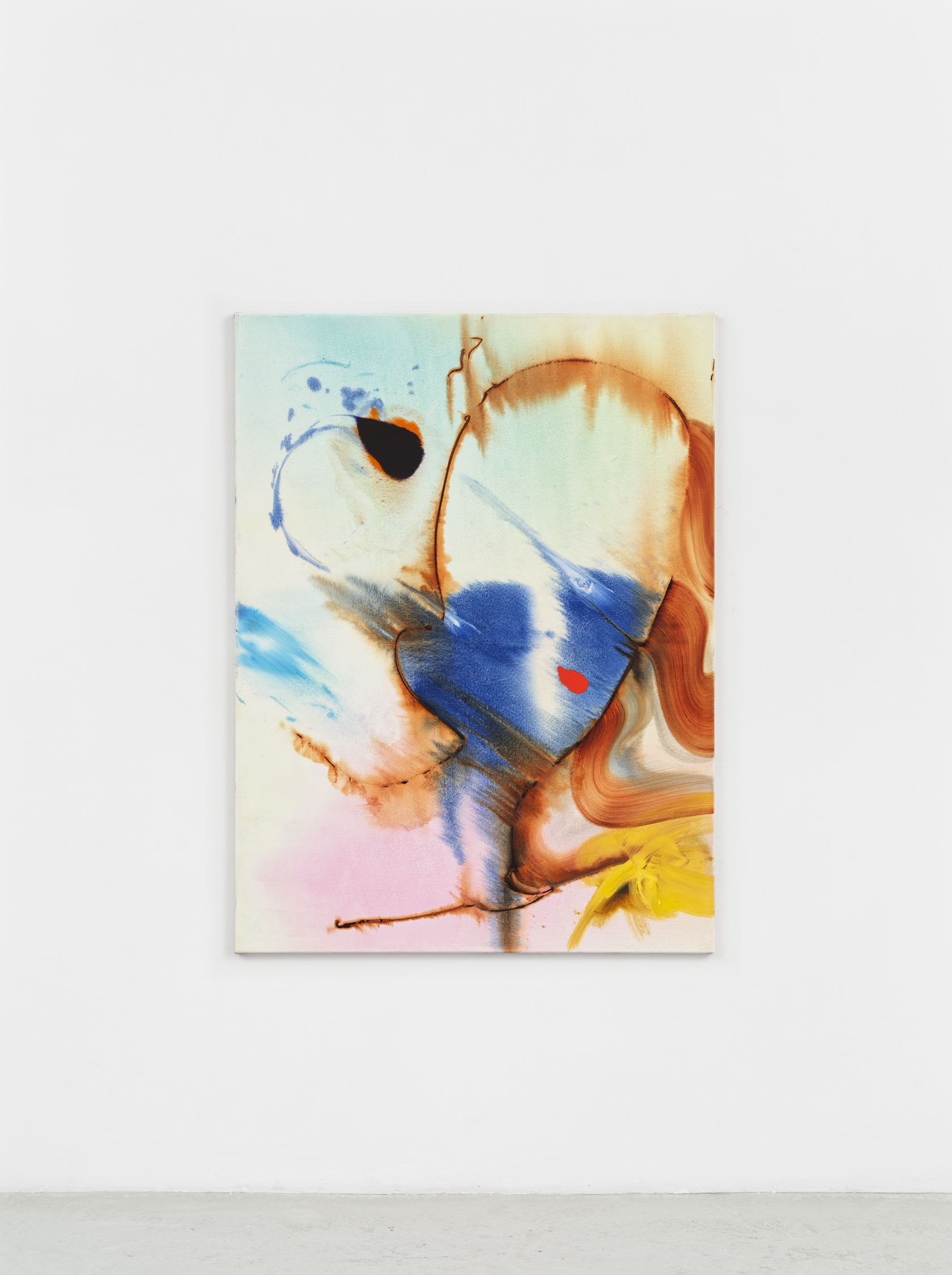
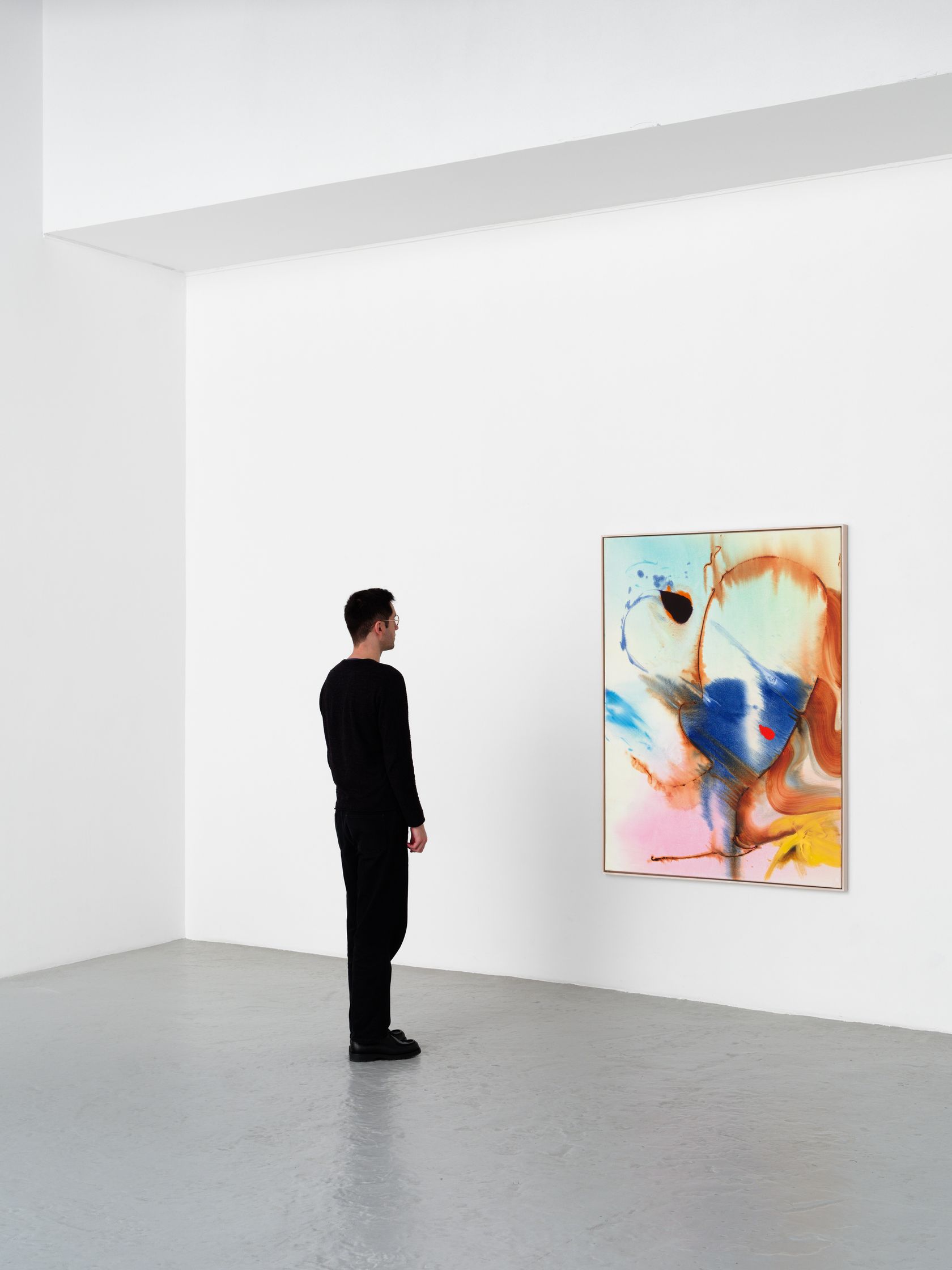
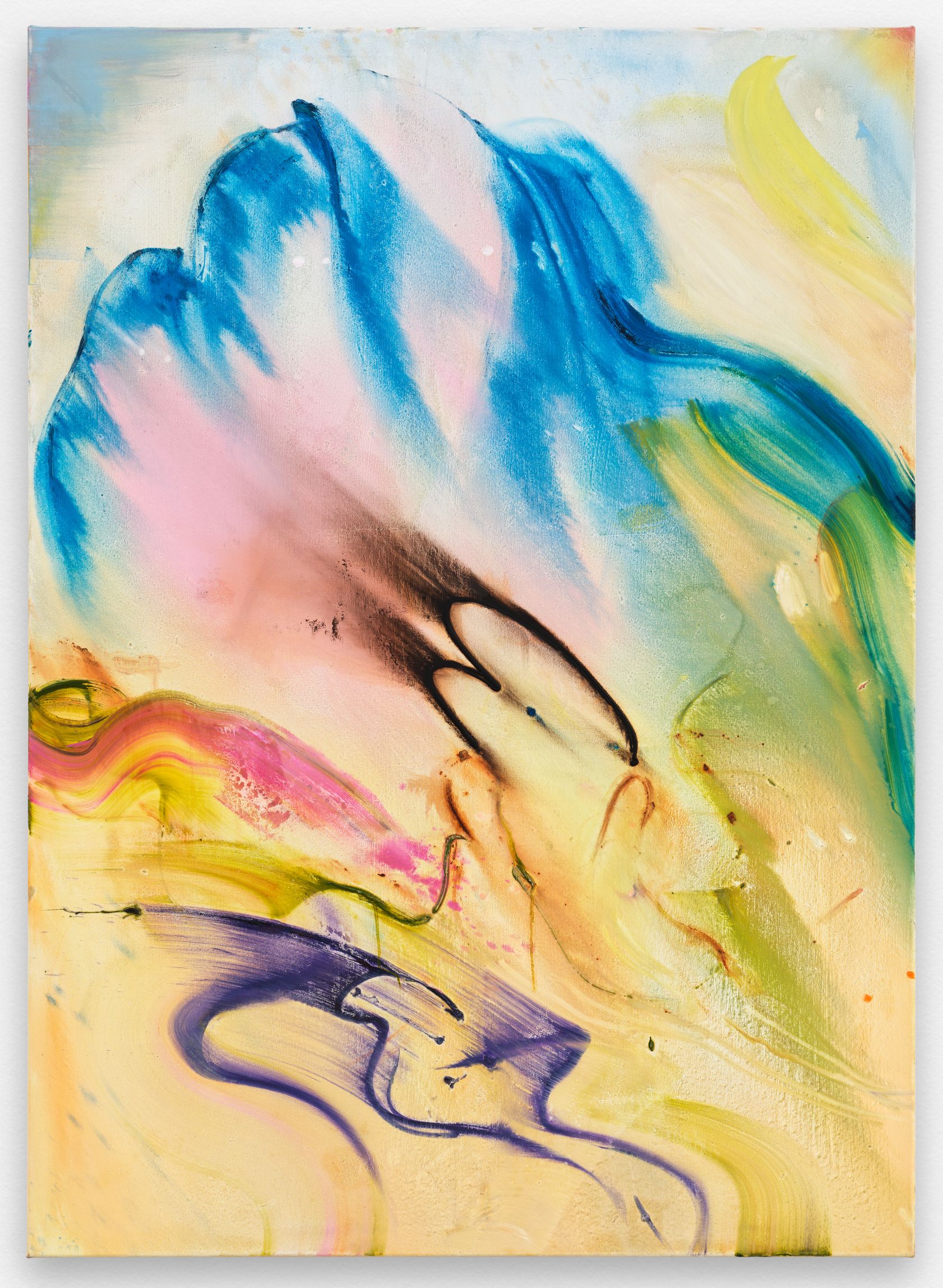
Aneta Kajzer’s sun is not an astral body: It is a flood of paint, a furnace that dilates and dissolves forms, bathing them in burning color as if, when brought close to their flash-point, these colors might gain an extra degree of freedom. In some cases, this chromatic stridency attains an almost electric intensity: the acidic pinks, the lemon yellows and fluorescent greens generating their own light and the energy-saturated surfaces becoming sun screens. These areas of over-exposure provoke dissonance, summoning a collision of contrasts that quiver to the point of irreconcilability and stretch harmony to the brink of rupture. In these almost overly-luminous instances, it is as if Aneta Kajzer were exploring a territory where painting is accomplished at the risk of being scorched in order to achieve more clarity. Too Close to the Sun lays bare that precise instant when painting takes the form of a kind of unstable meteorology, a critical point beyond which wind-swept brushstrokes, downpours of pigments, flashes of red-orange oxidation, misty pastels and cool, shadowy layers are unable to hold their place in the atmosphere and are condemned to an inexorable fall.
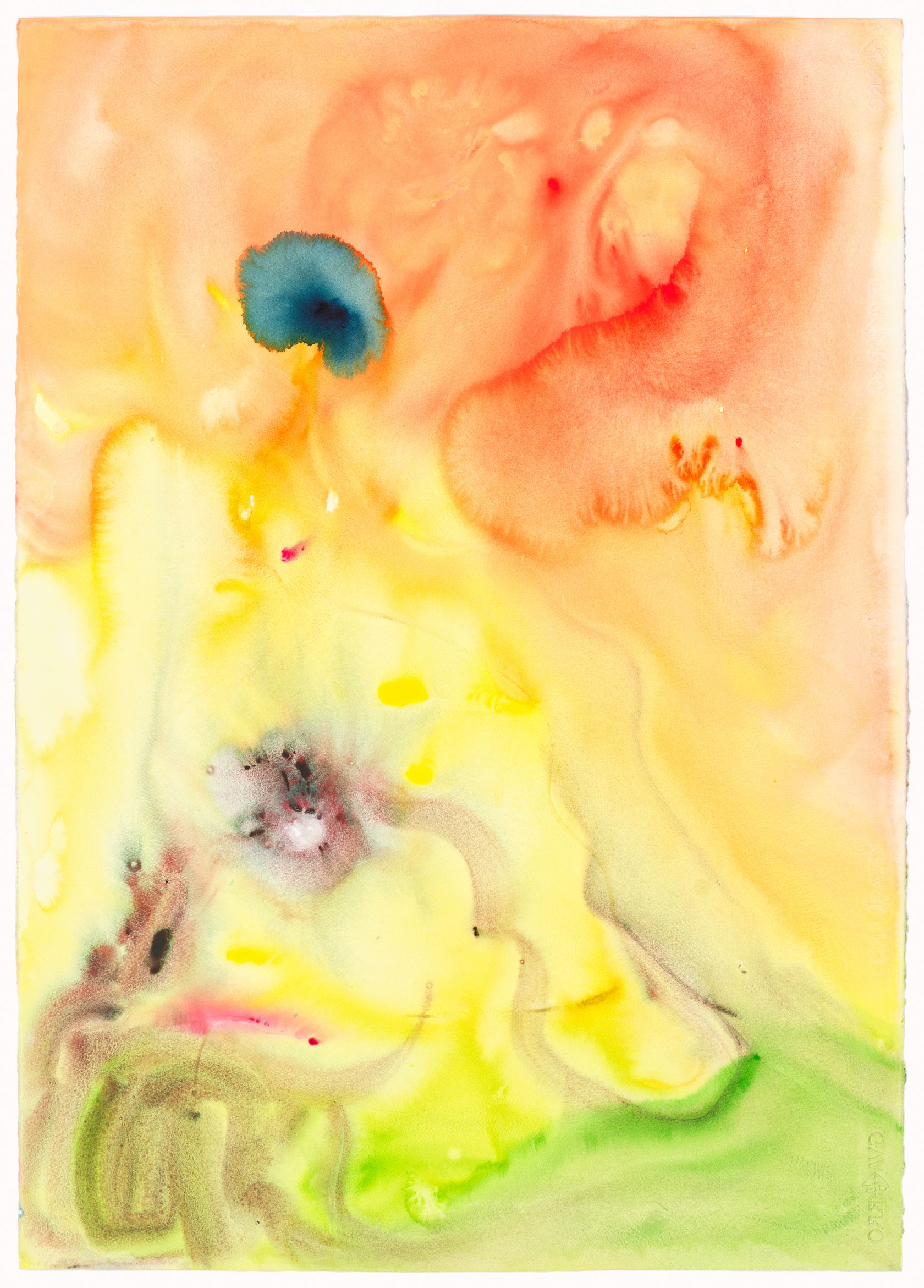
- Aneta Kajzer
- Sad Girl Summer , 2025
- Watercolor on paper
-
- 100 ×
- 70 × cm
- 39 3/8 ×
- 27 9/16 × inches
- unframed
- 109 ×
- 79.5 × cm
- 42 15/16 ×
- 31 5/16 × in
- framed
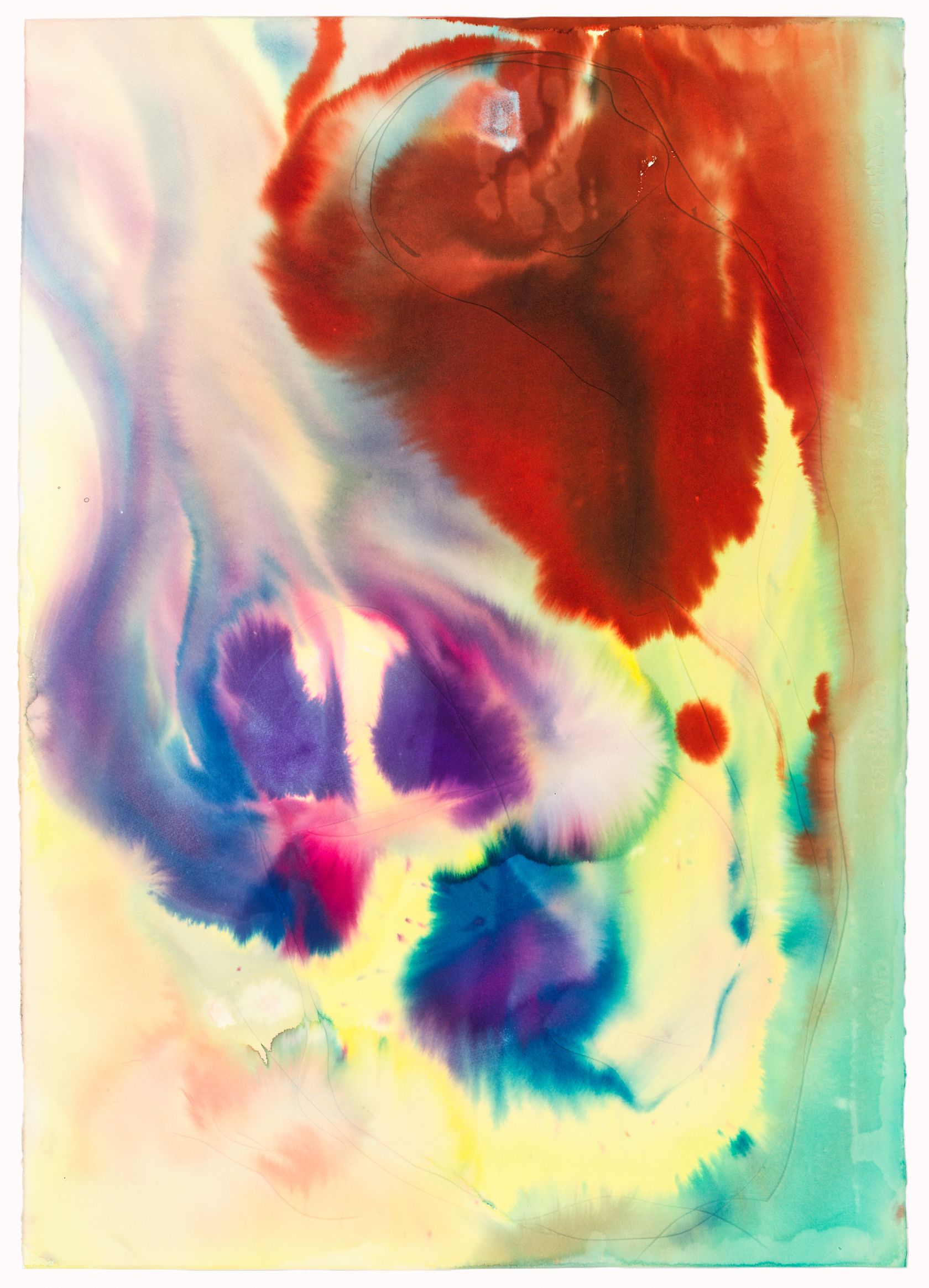
- Aneta Kajzer
- Gently testing boundaries , 2025
- Watercolor on paper
-
- 100 ×
- 70 × cm
- 39 3/8 ×
- 27 9/16 × inches
- unframed
- 109 ×
- 79.5 × cm
- 42 15/16 ×
- 31 5/16 × in
- framed
- Aneta Kajzer
- Feeler , 2025
- Watercolor on paper
-
- 100 ×
- 70 × cm
- 39 3/8 ×
- 27 9/16 × inches
- unframed
- 109 ×
- 79.5 × cm
- 42 15/16 ×
- 31 5/16 × in
- framed
The works of Aneta Kajzer are characterized by successive states of saturation / clarification, heaviness / delicacy, appearance / disappearance and moreover combine figuration and abstraction, maintained in a state of tension so that neither one prevails over the other. This co-existence is not a compromise but rather a standpoint, a means of inhabiting painting while it still thinks for itself. For the artist, the distinction between abstraction and figuration is irrelevant, stemming from an outdated notion of division, inherited from an era when it was still considered that painting had to choose between the real world and itself. She situates herself in the aftermath of this period, in an epoch where form and flow, silhouettes and smudges belong in the same continuum. In Aneta Kajzer’s practice, the visible and the sensory intermingle, color gives rise to form in the same manner that sound gives rise to resonance and her painting is thus a realm of a constant flow between what is revealed and what has melted away.
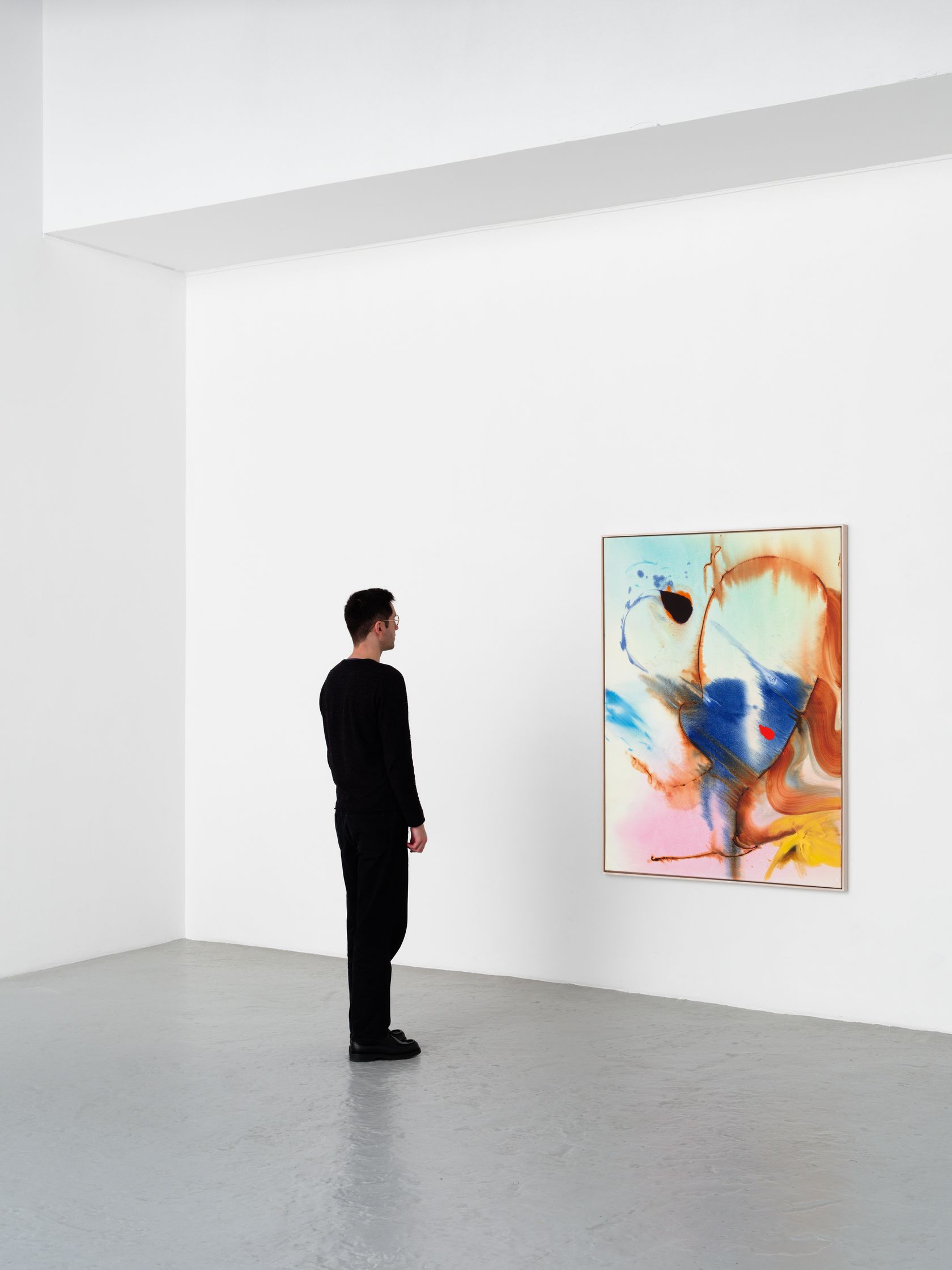
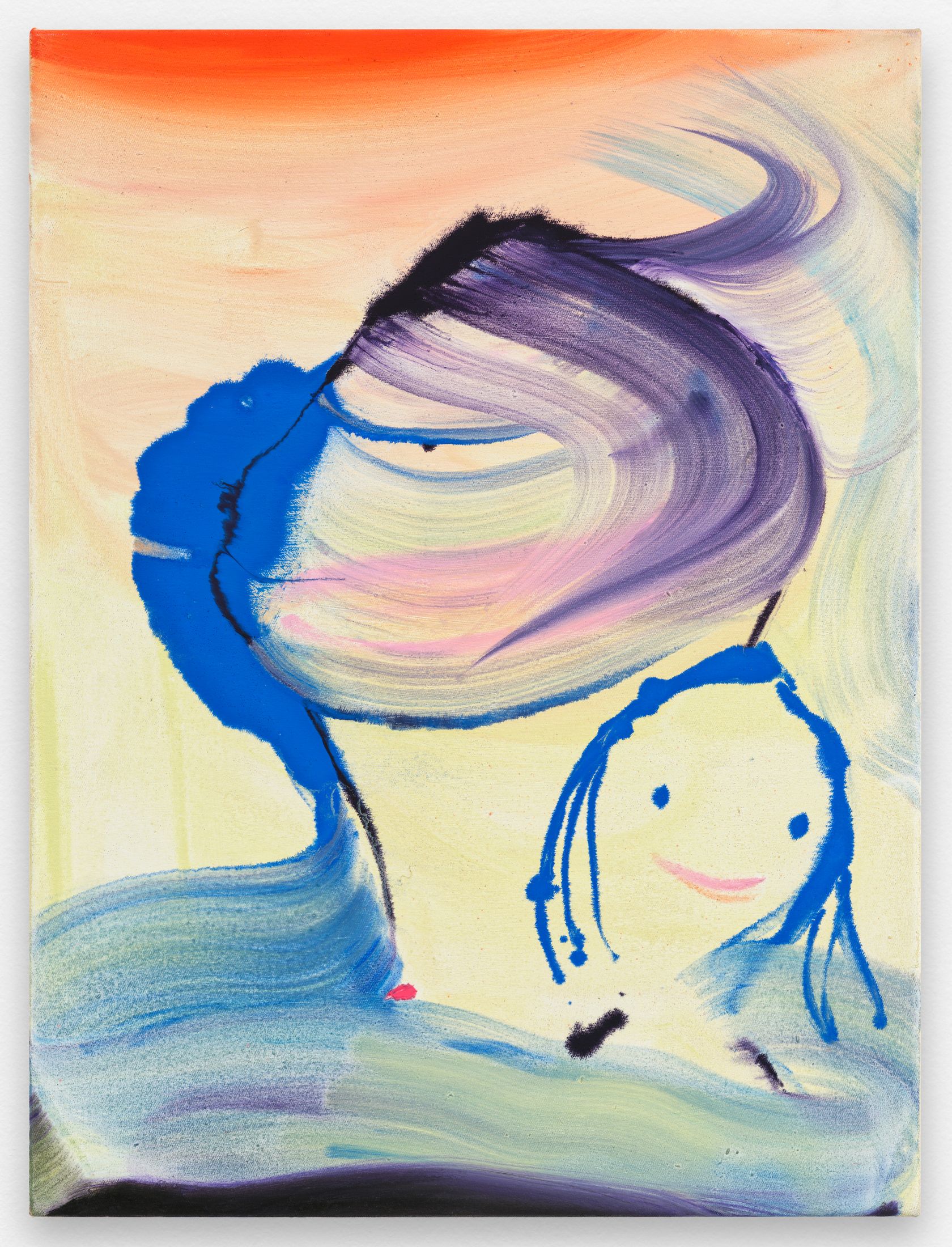
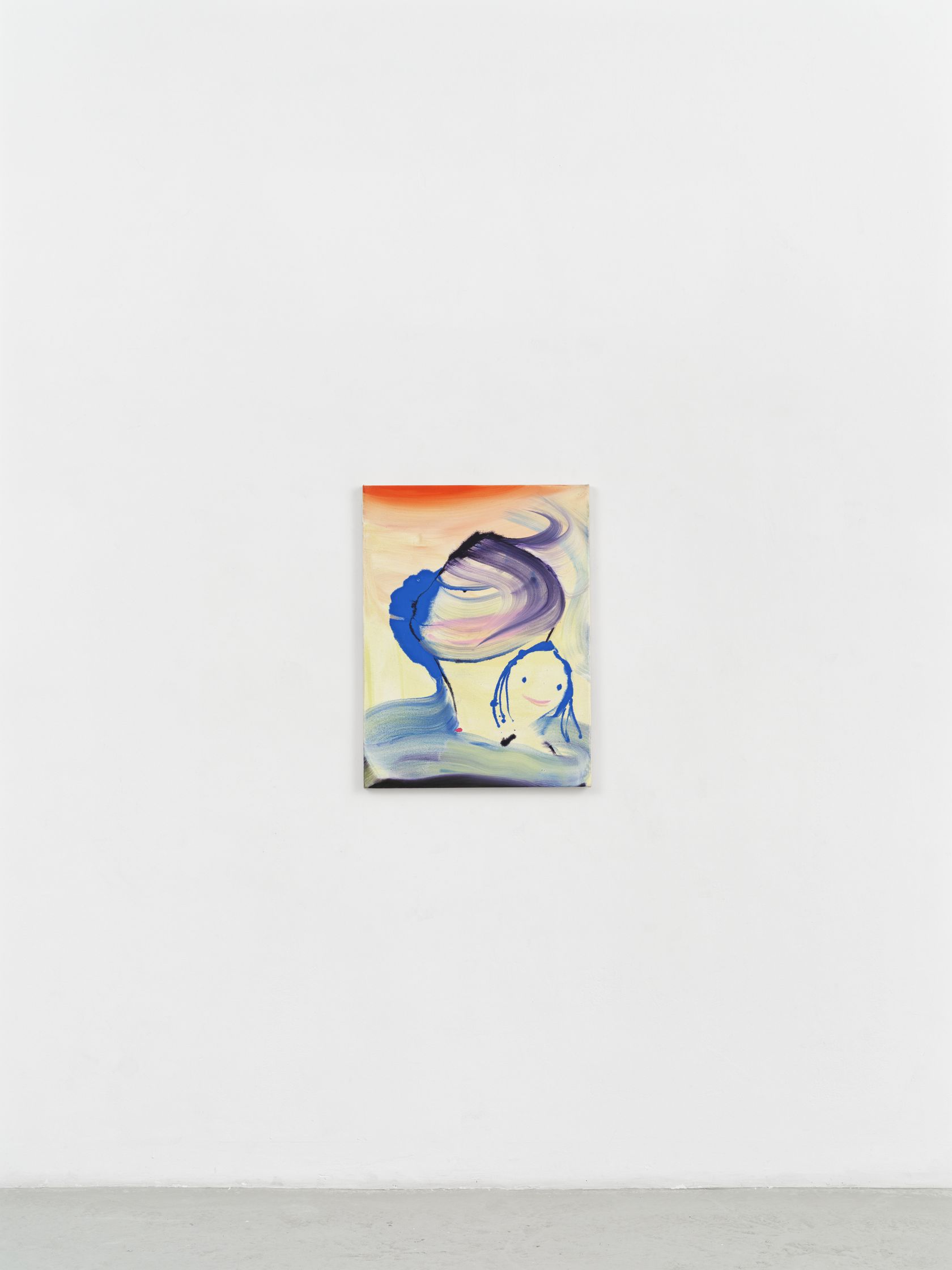
Aneta Kajzer’s painting borrows as much from the liberty of Helen Frankenthaler’s washes and fields of color as it does from the figurative work of Maria Lassnig, Miriam Cahn and Nicole Eisenman, who are all true heroines to her. It’s not a question of abstraction succeeding figuration or vice versa: it is their shared vitality that gives birth to the painting. A flowing brushstroke becomes a lock of hair; a brown drip melts into a curtain of rain: two black dots open up into eyes; spilled cadmium takes the form of a mouth; the swipe of a metal paint-tube carves out the line that was missing in a pencil-less drawing.
— Jean-Charles Vergne
- Aneta Kajzer
- Black Hole Balance , 2025
- Oil on canvas
-
- 160 ×
- 120 × cm
- 63 ×
- 47 1/4 × inches
- Aneta Kajzer
- Slippery Slope , 2025
- Acrylic on canvas
-
- 180 ×
- 130 × cm
- 70 7/8 ×
- 51 3/16 × inches
- Aneta Kajzer
- Doppelgänger , 2025
- Oil on canvas
-
- 80 ×
- 60 × cm
- 31 1/2 ×
- 23 5/8 × inches
More abstract than CoBrA, more colorful than Joyce Pensato, Aneta Kajzer’s work sits assuredly in the ranks of Bad Painting. It eschews the normative concepts of the image, alternating between seriousness and humor and daringly treading the borderline between beauty and ugliness. Her deformed, diverse and sometimes-contradictory figures allow the spectator some insight into the artist’s social preoccupations: it is of no consequence if some things remain unresolved, as long as they exist. Her artistic process begins with her choice of colors and strokes, from which at first transitory forms emerge that constantly evolve before finally taking on their definitive shapes. In constant dialog with the motifs that appear on her canvases, Kajzer alternates between planned and intuitive gestures. She creates conflicting arrangements between abstraction and figuration, combining contradictory forms of expression. Often a perfectly placed comma of paint resolves the conundrum of the image as a whole, making full use of the phenomena of pareidolia and suggestive association.
Aneta Kajzer was born in 1989 in Katowice in Poland and lives and works in Berlin. She graduated from the Kunsthochschule Mainz and was awarded a residency at the Künstlerhaus Bethanien in Berlin. In 2018, she participated in the Goldrausch Künstlerinnenprojekt, a development program for female visual artists. Her work is regularly exhibited, particularly in shows dedicated to the contemporary rejuvenation of German art such as Now ! Painting in Germany Today in Deutschland, shown at the Deichtorhallen Hamburg, Kunstmuseum Bonn, Kunstsammlung Chemnitz and Museum Wiesbaden in 2019-2020. She has also enjoyed numerous solo exhibitions, most notably at the Conrads Gallery in Düsseldorf, the Künstlerhaus Bethanien and the Institut für Moderne Kunst in Nuremburg.