To learn more about available works, please provide your contact information
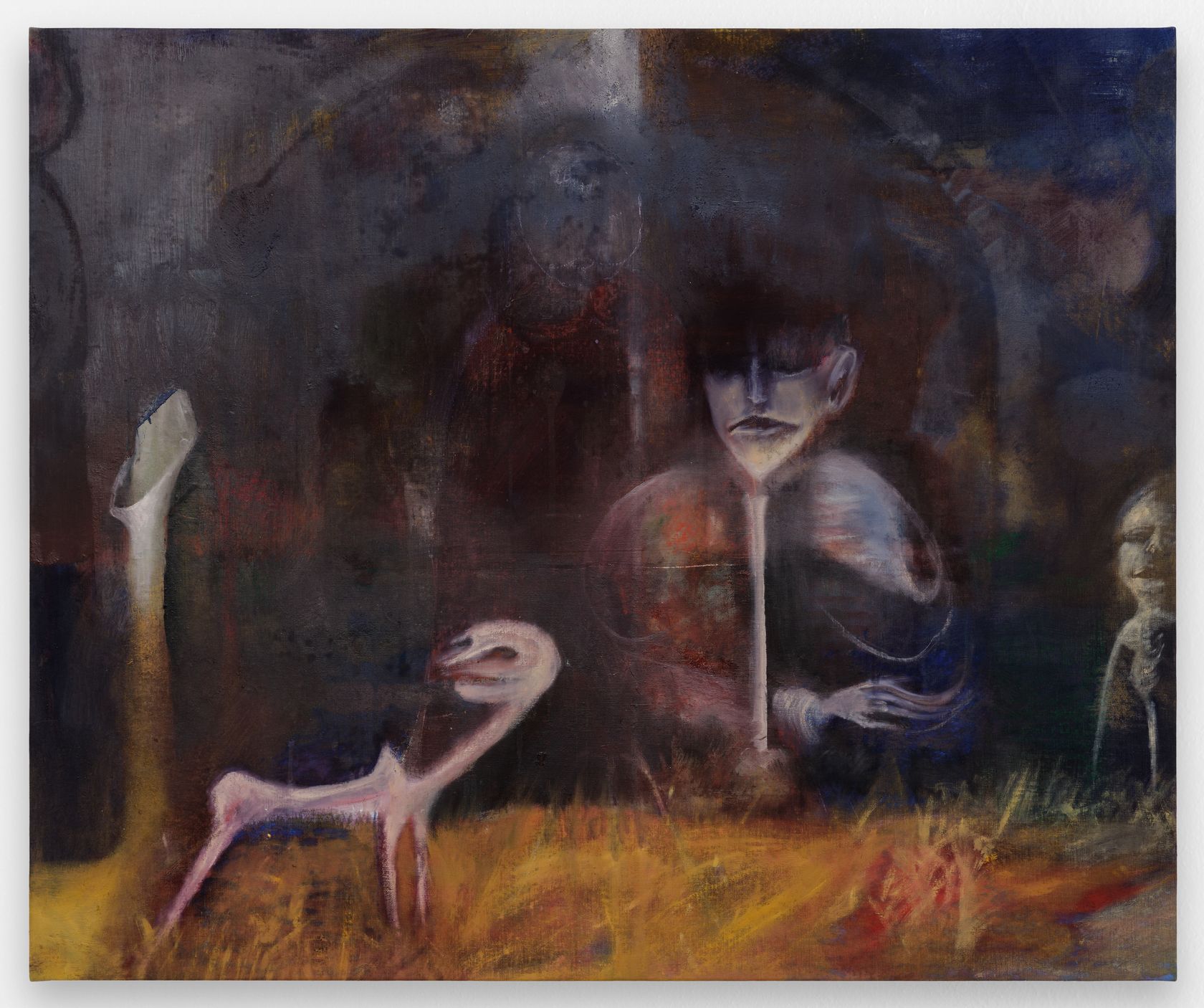
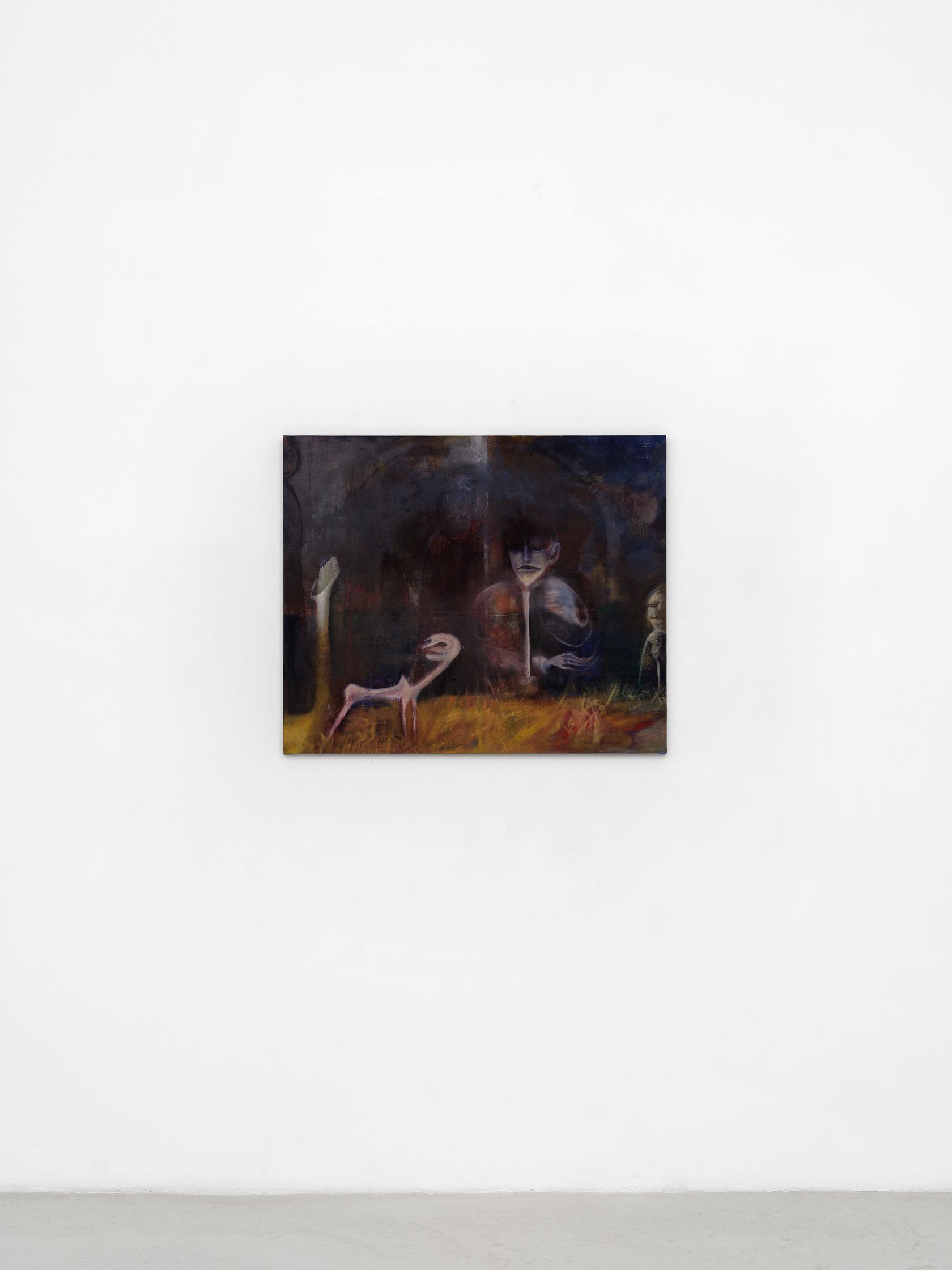
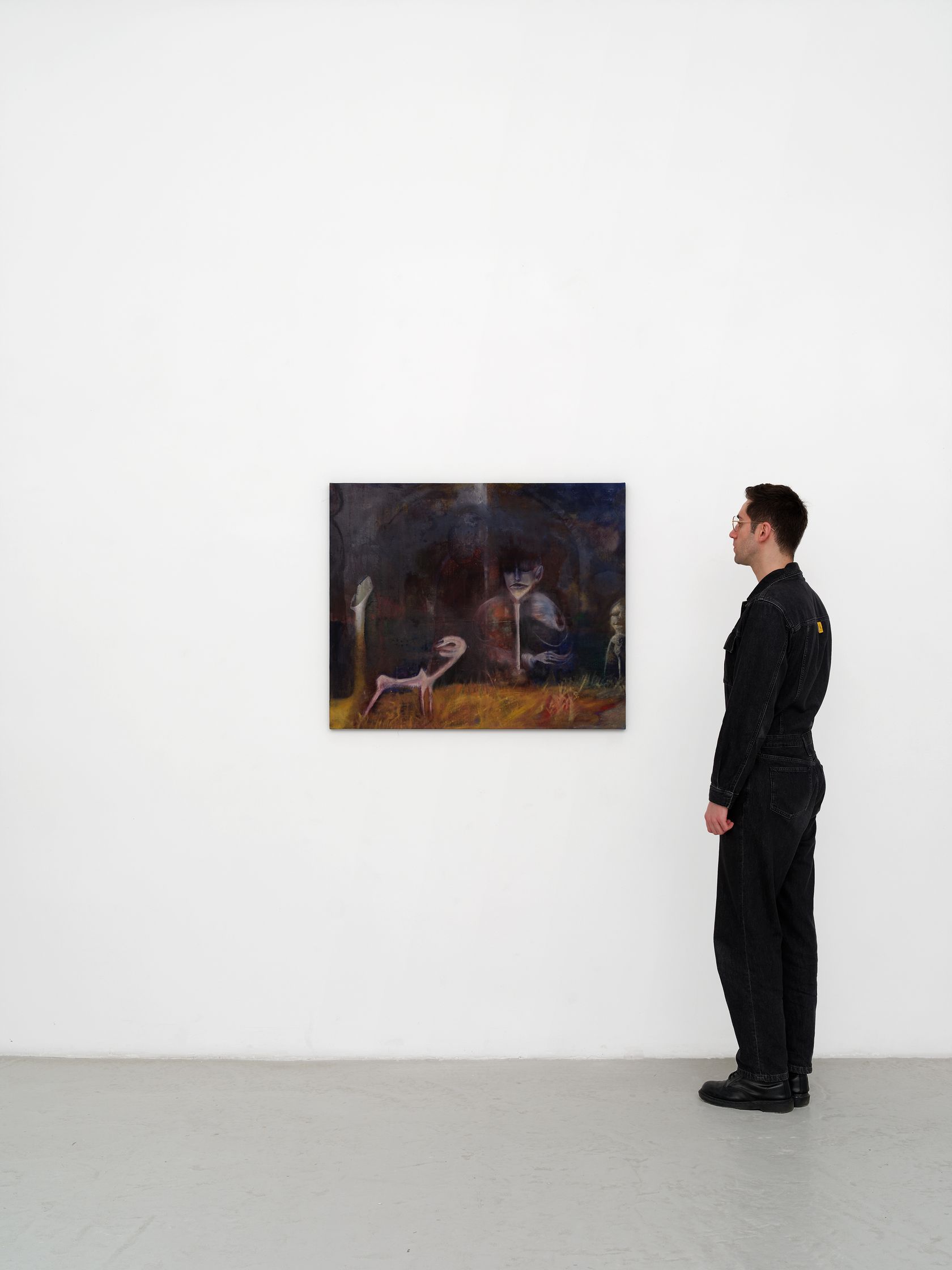
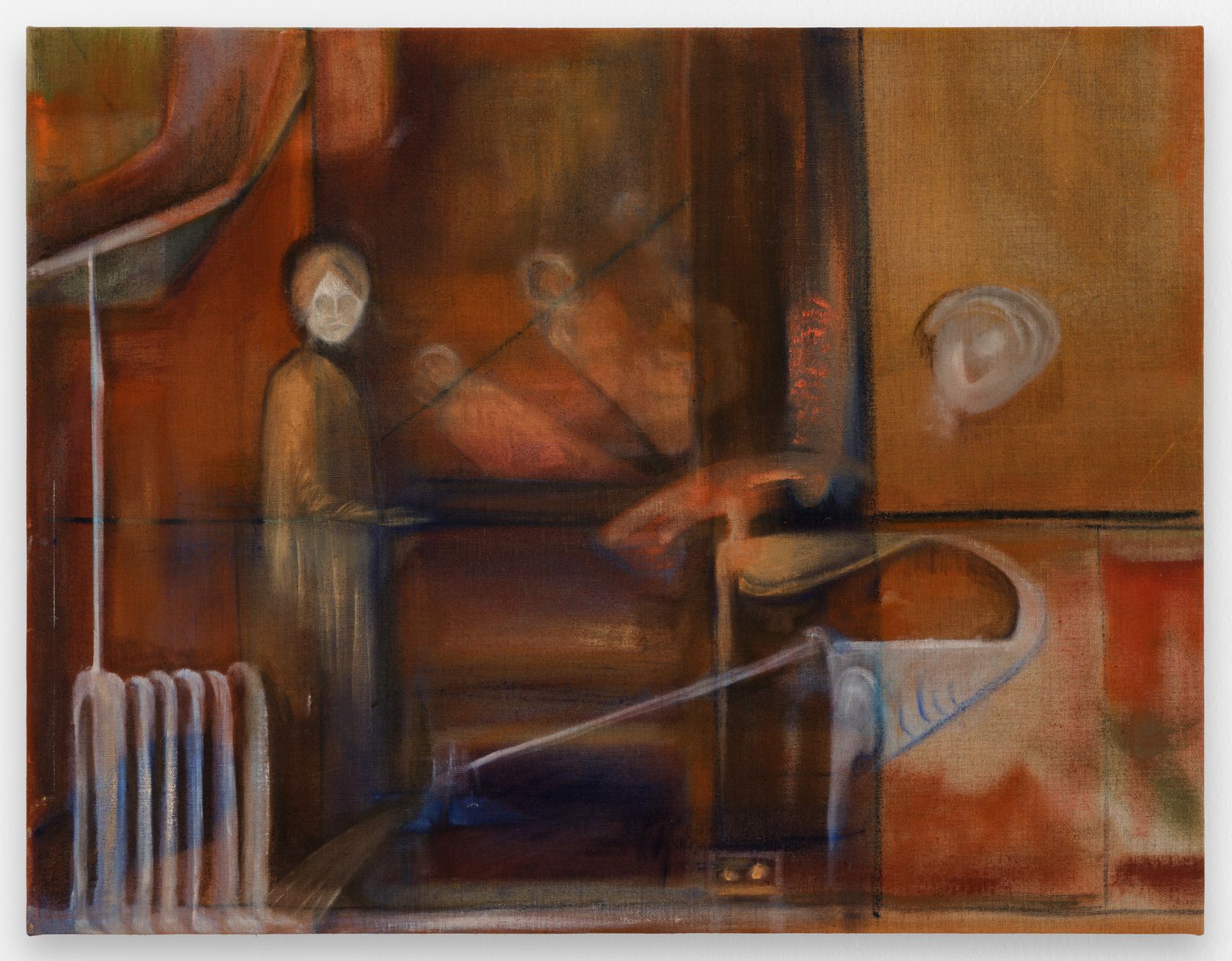
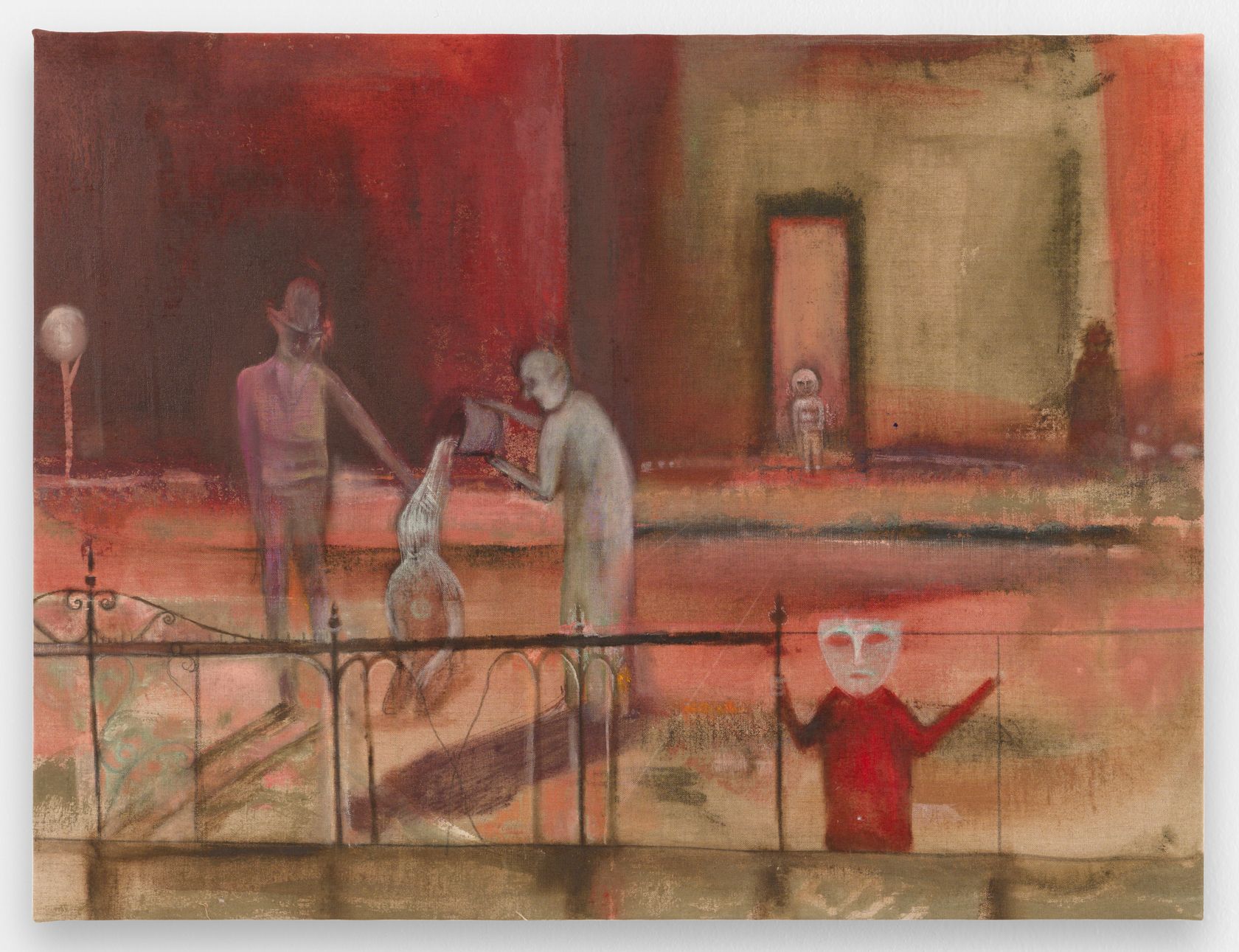
Spectral presences drifting across colourful clouds, dramatic tension focused on gestures and objects, atmospheres sculpted by supernatural lights—Paul Gondry's artworks hone their appearances to tease the viewer’s imagination, inviting them to decipher the signs beneath the surface. From these paintings, there emanates a dense mystery as well as the calculated concision of a storyboard, organising the characters, placing them on the stage and setting up the steps in the ritual. Is this based on experience? Is it a representation? Or is it a completely fabricated dream?
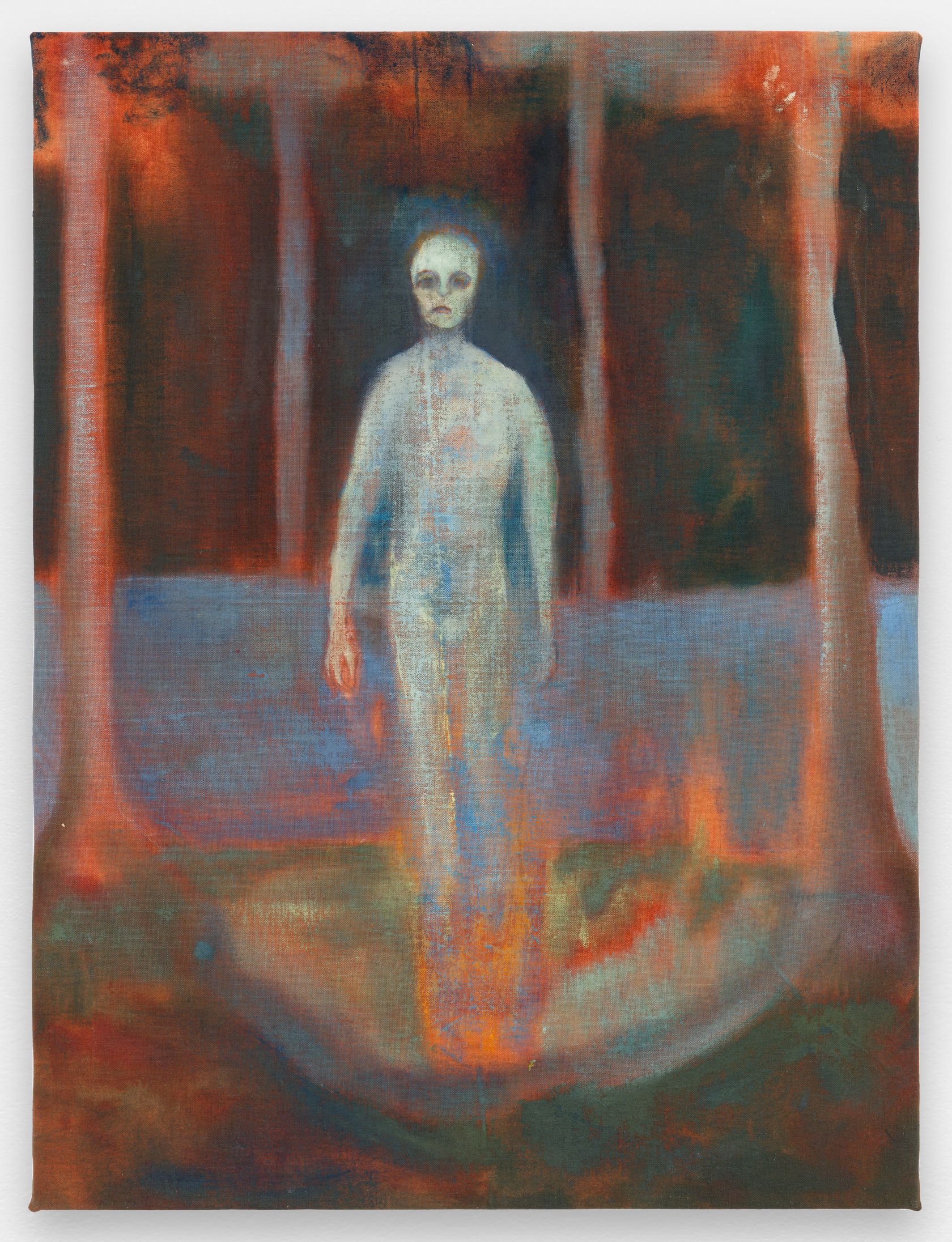
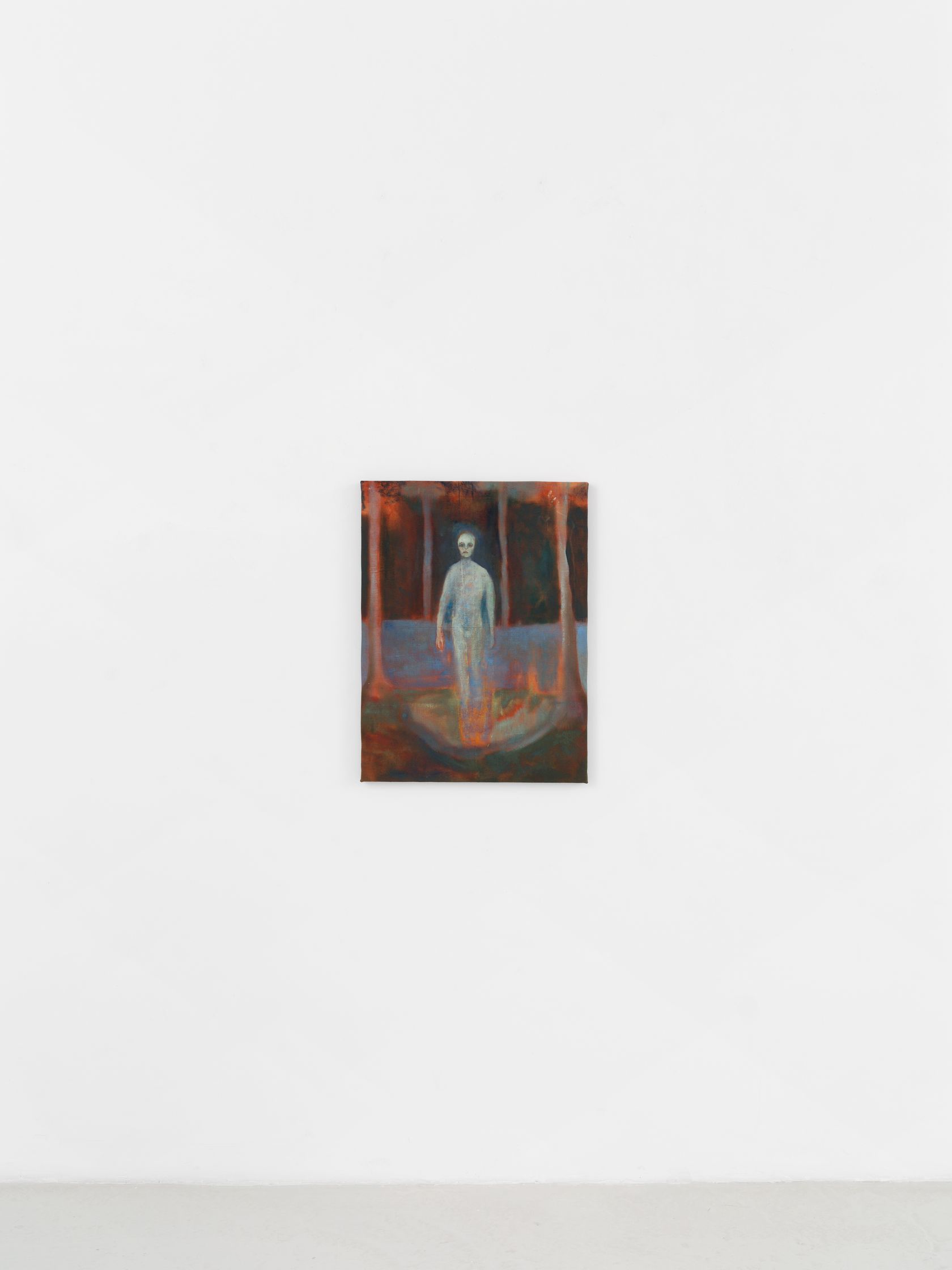
- Paul Gondry
- Promised Child 111 , 2023
- Oil on belgian linen
-
- 80 ×
- 60.5 ×
- 2.5 × cm
- 31 1/2 ×
- 23 13/16 ×
- 1 × inches
Despite having studied cinema, animation and video, Paul Gondry always comes back to graphic arts. A question that haunts every film-maker's painting is: what is the need for leaving the moving image to one side, at least temporarily, for paint? Why prefer painting—the art of the fixed image, made of poor material and which has hardly changed over centuries—to the art of modernity that is film, with the continuity of its twenty-four images per second, sound, light and movement? Not that cinema surpasses painting, but when you make, as Paul Gondry does, clips, short films or video games such as role-playing games, what more can painting offer?
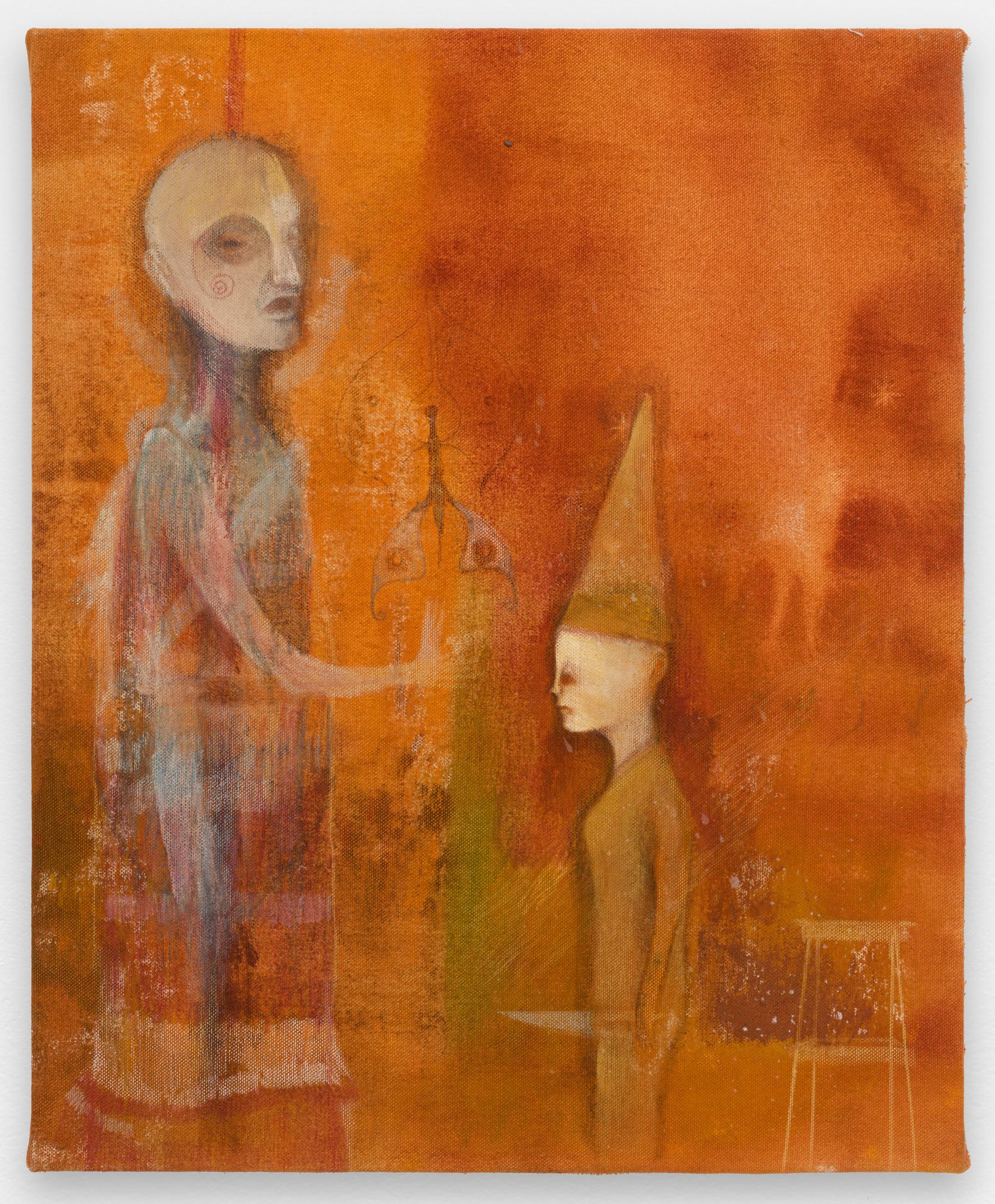
- Paul Gondry
- Promised Child 3 , 2026
- Oil on belgian linen
-
- 48 ×
- 39 ×
- 2.5 × cm
- 18 7/8 ×
- 15 3/8 ×
- 1 × inches
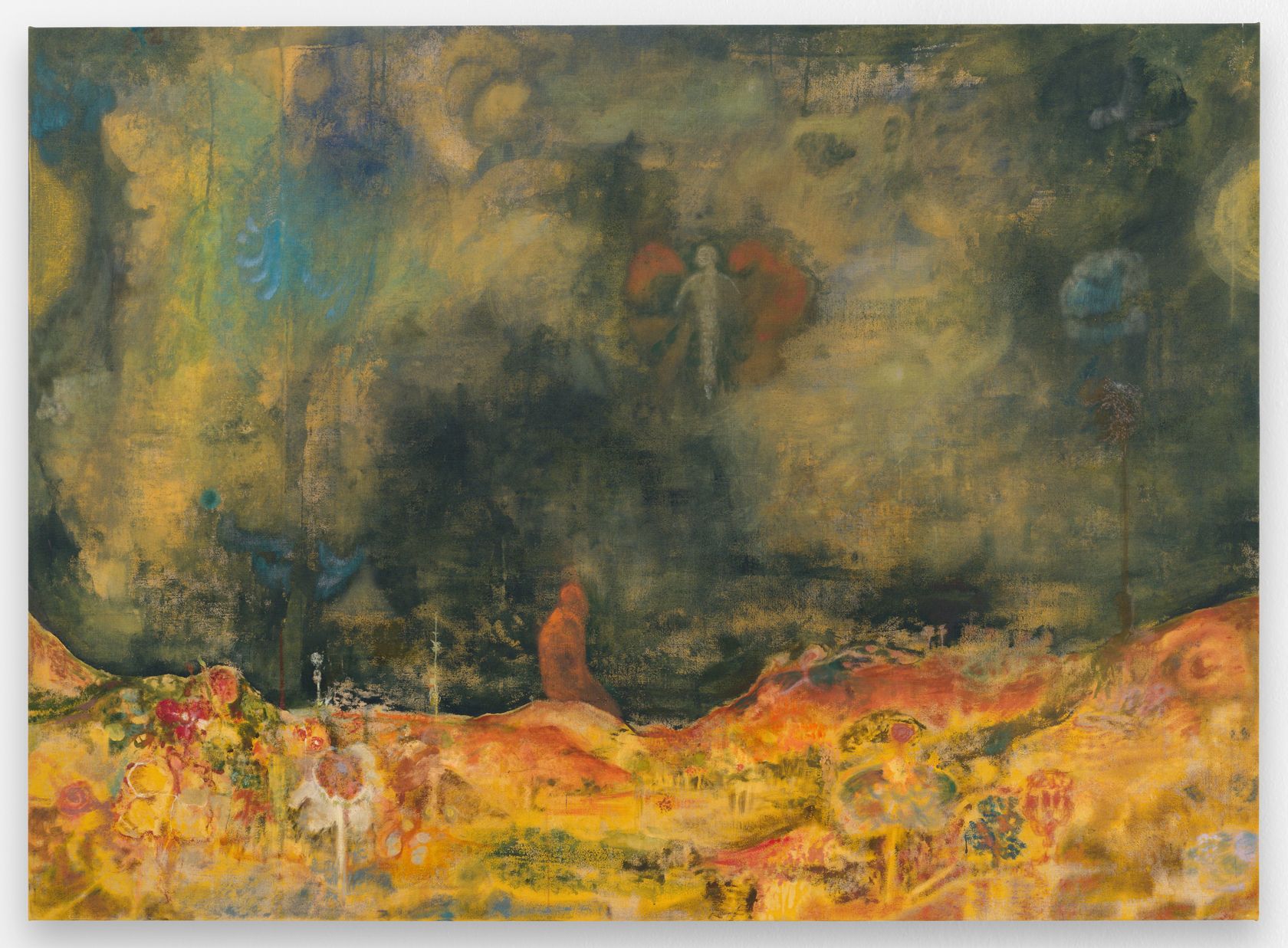
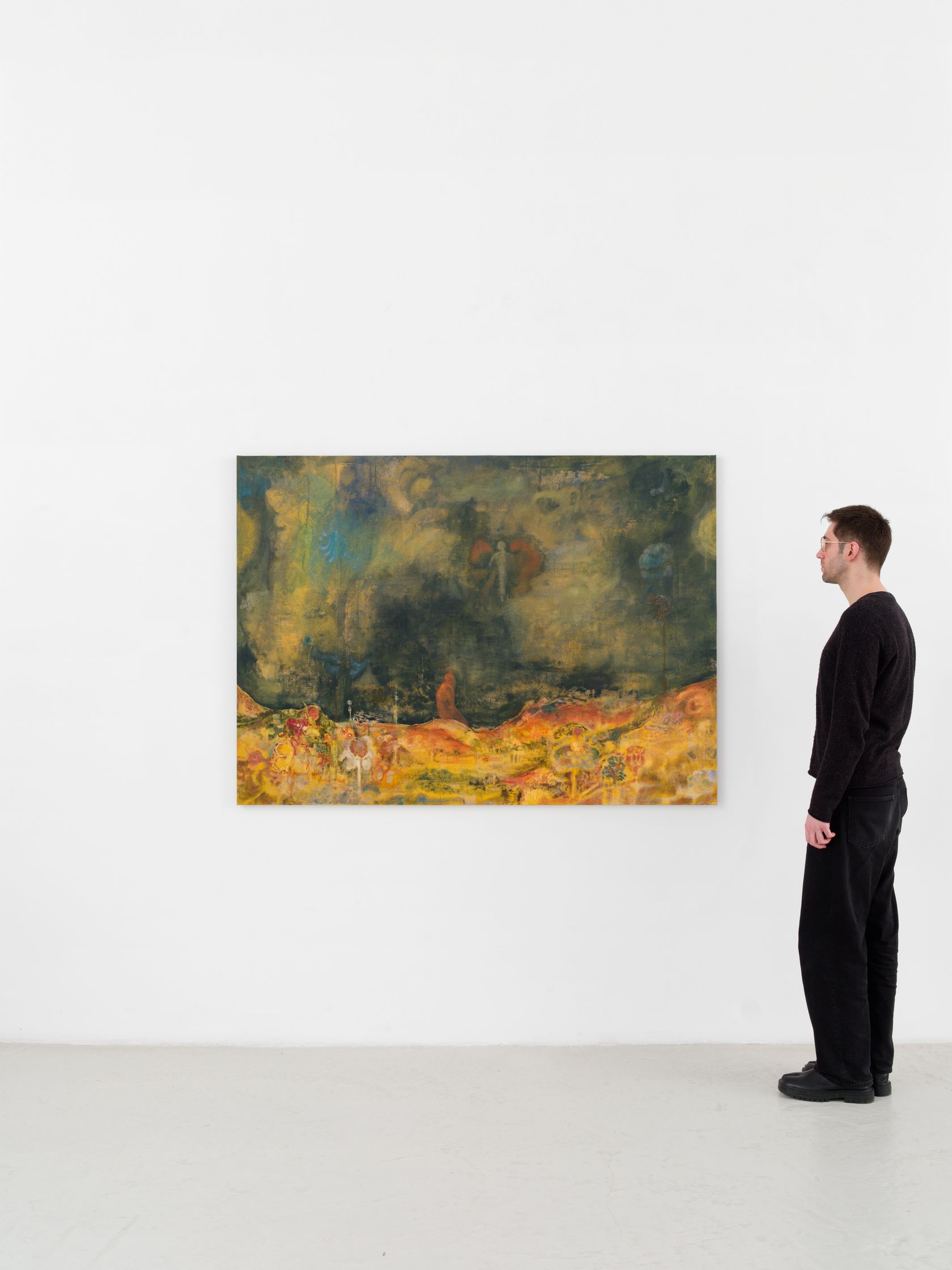
- Paul Gondry
- The Rain Maker , 2025
- Gouache and pigment on linen
-
- 125 ×
- 172 ×
- 2.5 × cm
- 49 3/16 ×
- 67 11/16 ×
- 1 × inches
- Paul Gondry
- Night Paralysis , 2026
- Oil on belgian linen
-
- 83.5 ×
- 100.5 ×
- 2.5 × cm
- 32 7/8 ×
- 39 9/16 ×
- 1 × inches
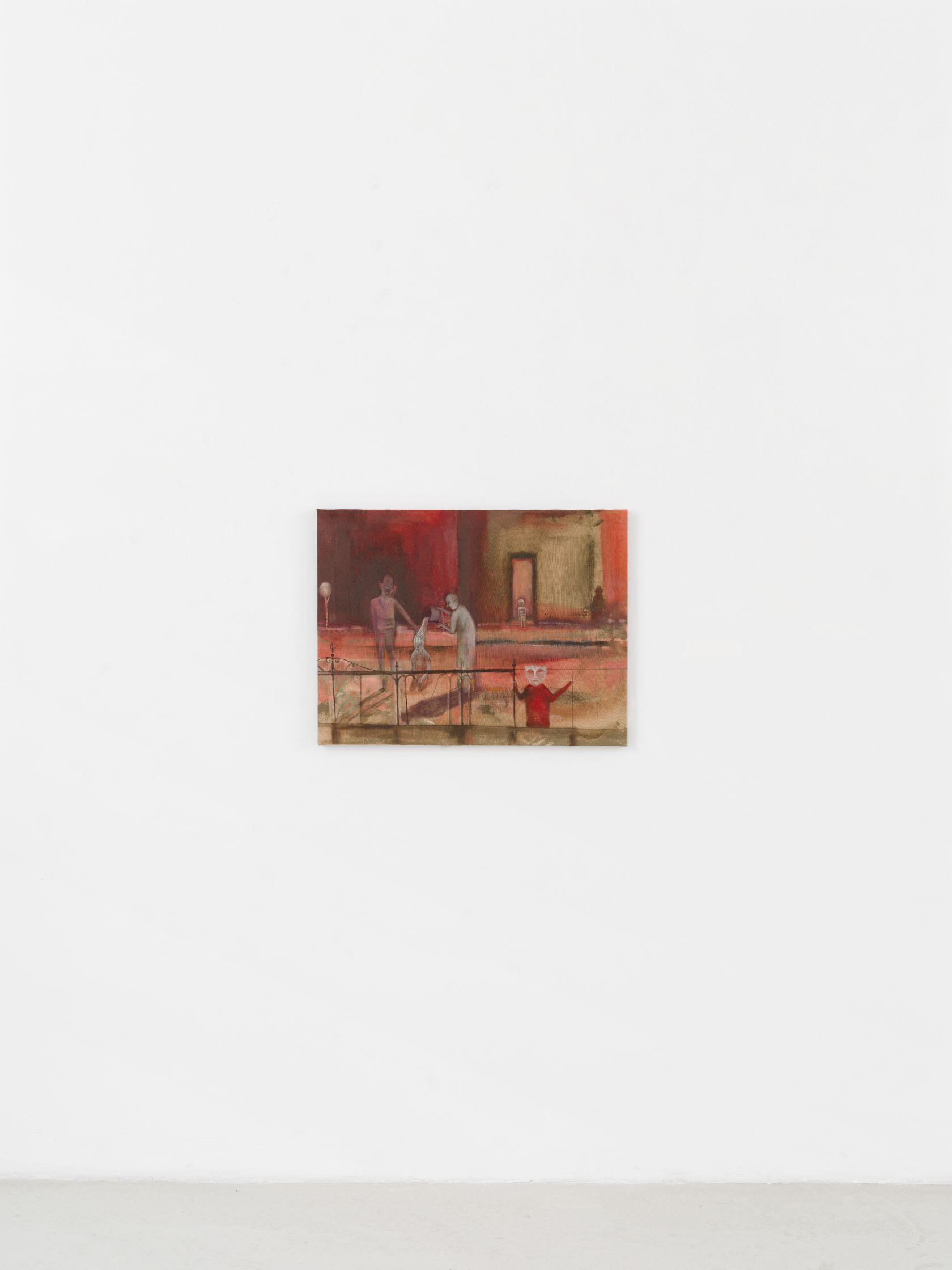
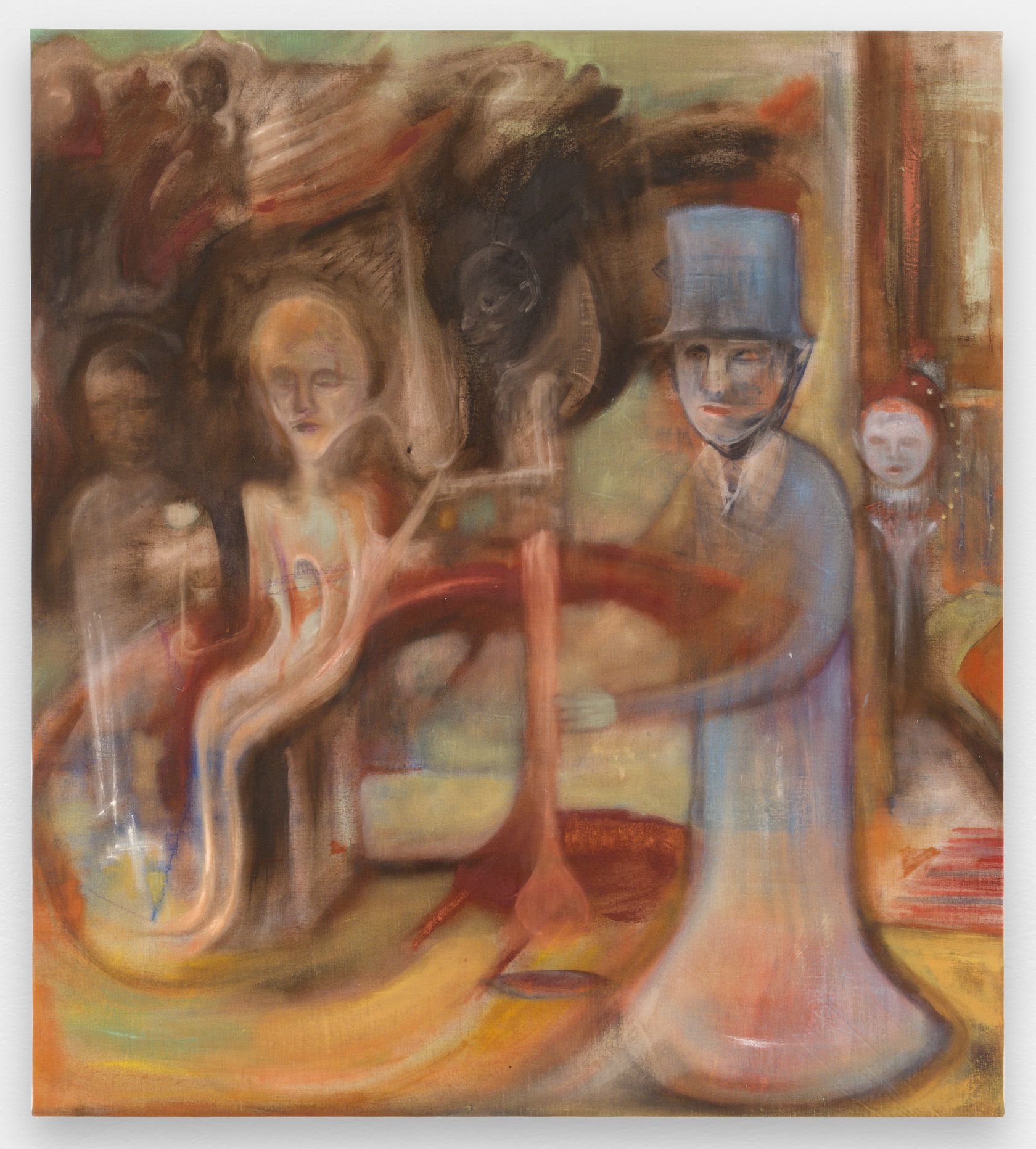
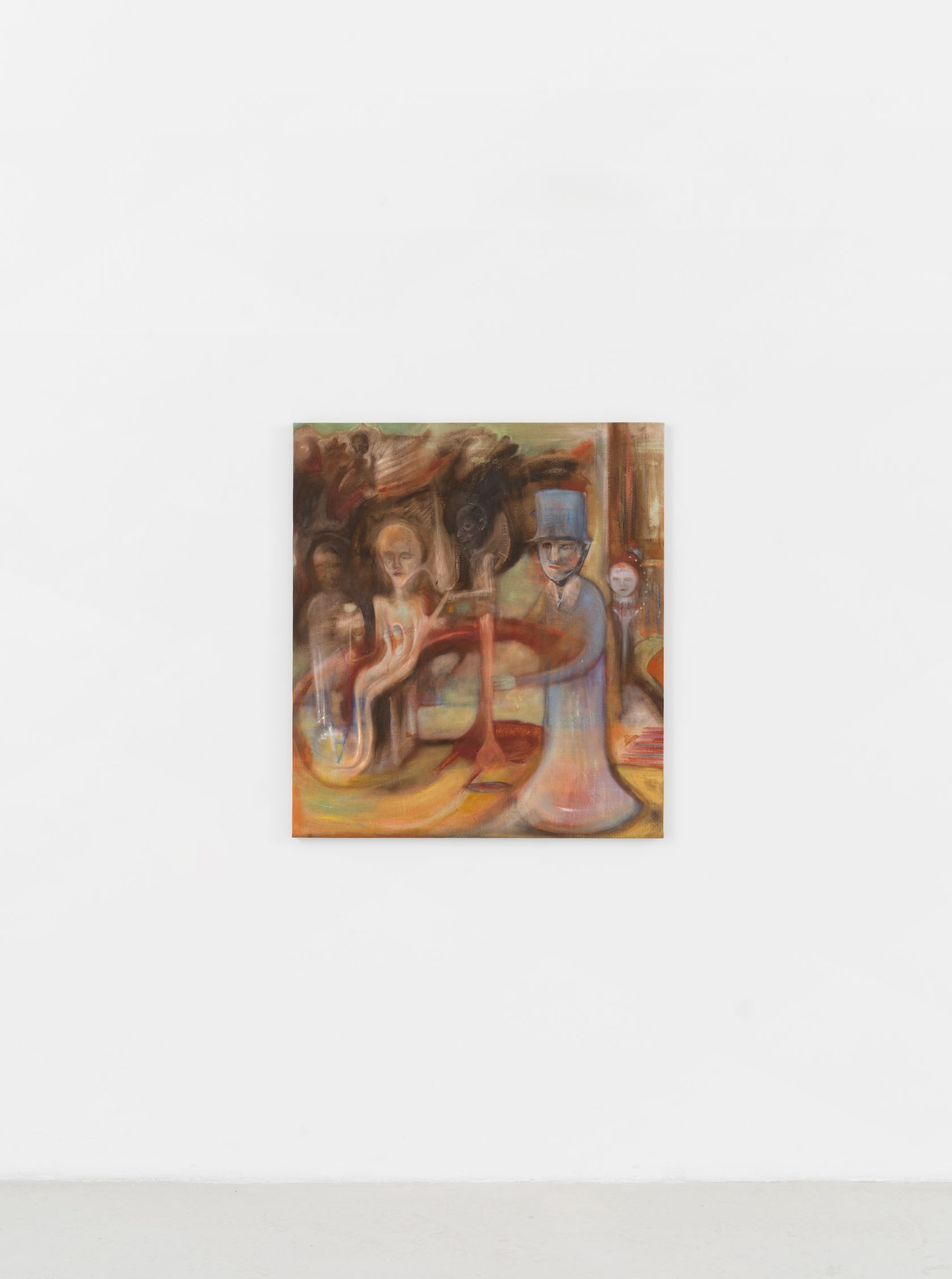
The artist likes to describe his painting as a receptacle, a tomb, a manuscript. It is the opposite of film, its residual shimmering, what survives once the screen and the light have been turned off. His painting plunges all the deeper into darkness and formlessness, from which springs the unknown, even the monstrous. His drawings search through the depths of the human psyche, examining its fantasies, illusions and dreams. It brings out images shaped by the universal unconscious, on the edge of fantasy and nightmare. Shadows, silhouettes and profiles cross the frame, as if returning from the depths and margins: they portray ghosts, elderly children, hieratic magicians or celebrants of a nocturnal ritual. This dark, almost sticky, universe is reminiscent of some of F. W. Murnau’s visions or scenes from Salò, or the 120 Days of Sodom (1975) by Pier Paolo Pasolini. This world is also very Lynchian in its atmospheres and intrigues, flirting with Eraserhead (1977) or Twin Peaks: Fire Walk with Me (1992).
- Paul Gondry
- Totemic Transfusion , 2025
- Oil on belgian linen
-
- 112 ×
- 100.5 ×
- 2.5 × cm
- 44 1/8 ×
- 39 9/16 ×
- 1 × inches
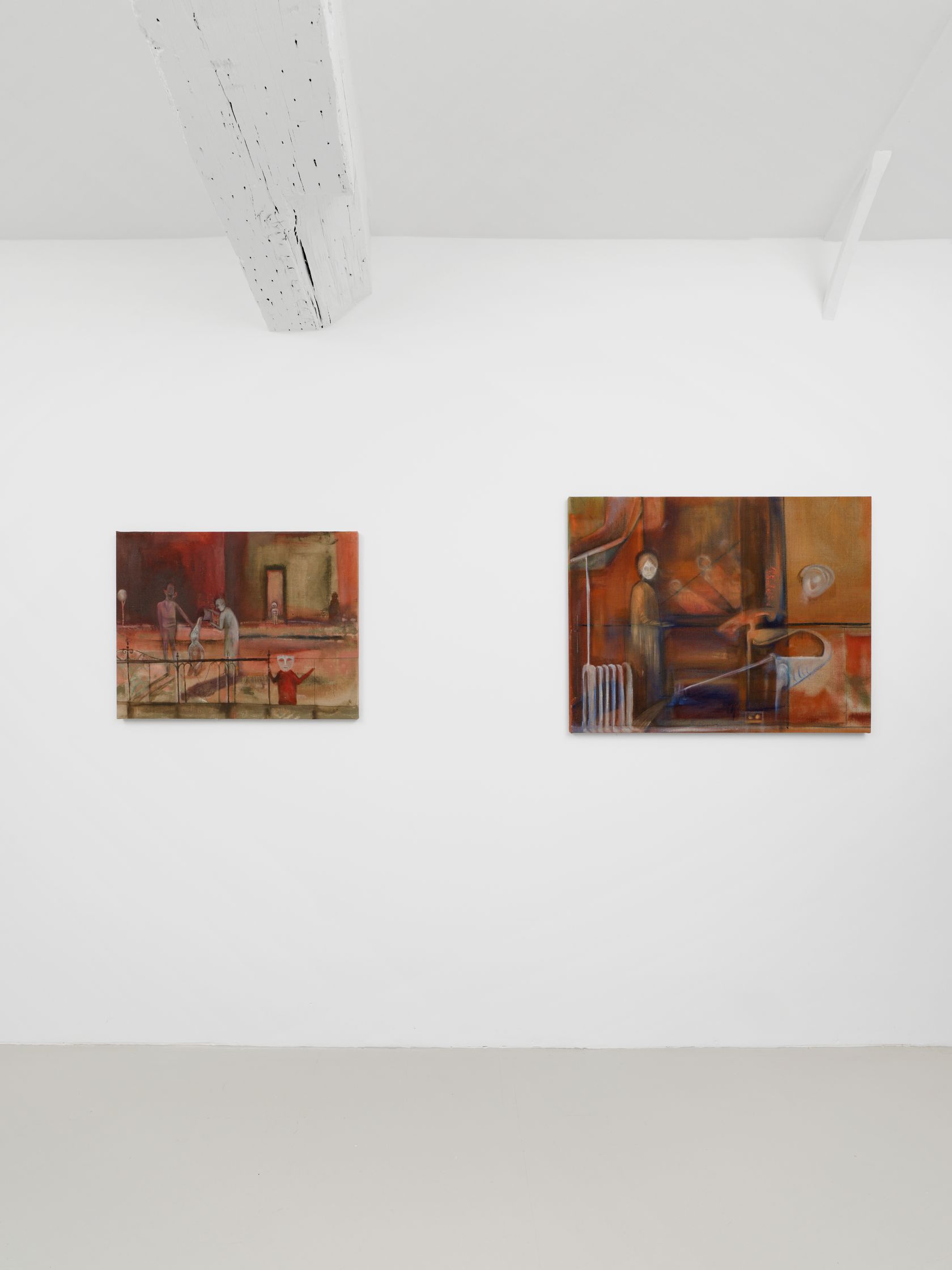
Metamorphosis is a crucial motif in this painting: the transformation of bodies and nature, transmutation of matter, slow fading towards death. The colours contribute to this feeling. To quote Edward James about Leonora Carrington, it is as if they “have materialised in a cauldron at the stroke of midnight.” At the bottom of his alchemical crucible, Paul Gondry constructs his palette with bold, acidic montages, at the risk of dissonance: cooked and re-cooked reds, the colour of dried blood, sooty blacks, but also the somewhat supernatural light blues and greens of the aurora borealis. Colour does not describe the object; it projects the symbolic qualities and contributes to the internal balance of the composition. By so doing, Paul Gondry leans towards Symbolism, but of an esoteric kind. The picture is deciphered like a secret grimoire. Midnight suns and Van Gogh-styled starry nights make up the sky in Paul Gondry’s scenes, which are impossible to place— day interior? night exterior? The whole thing is theatrically set up, lit up by artificial lights.
Unlike cinema, where images follow each other, painting can combine several pictures in one, becoming a fixed panorama where characters and new stories coexist, like many threads towards possible narratives. Some of Paul Gondry's compositions are reminiscent of Hieronymus Bosch's kaleidoscopic paintings, which must be explored slowly to be understood.
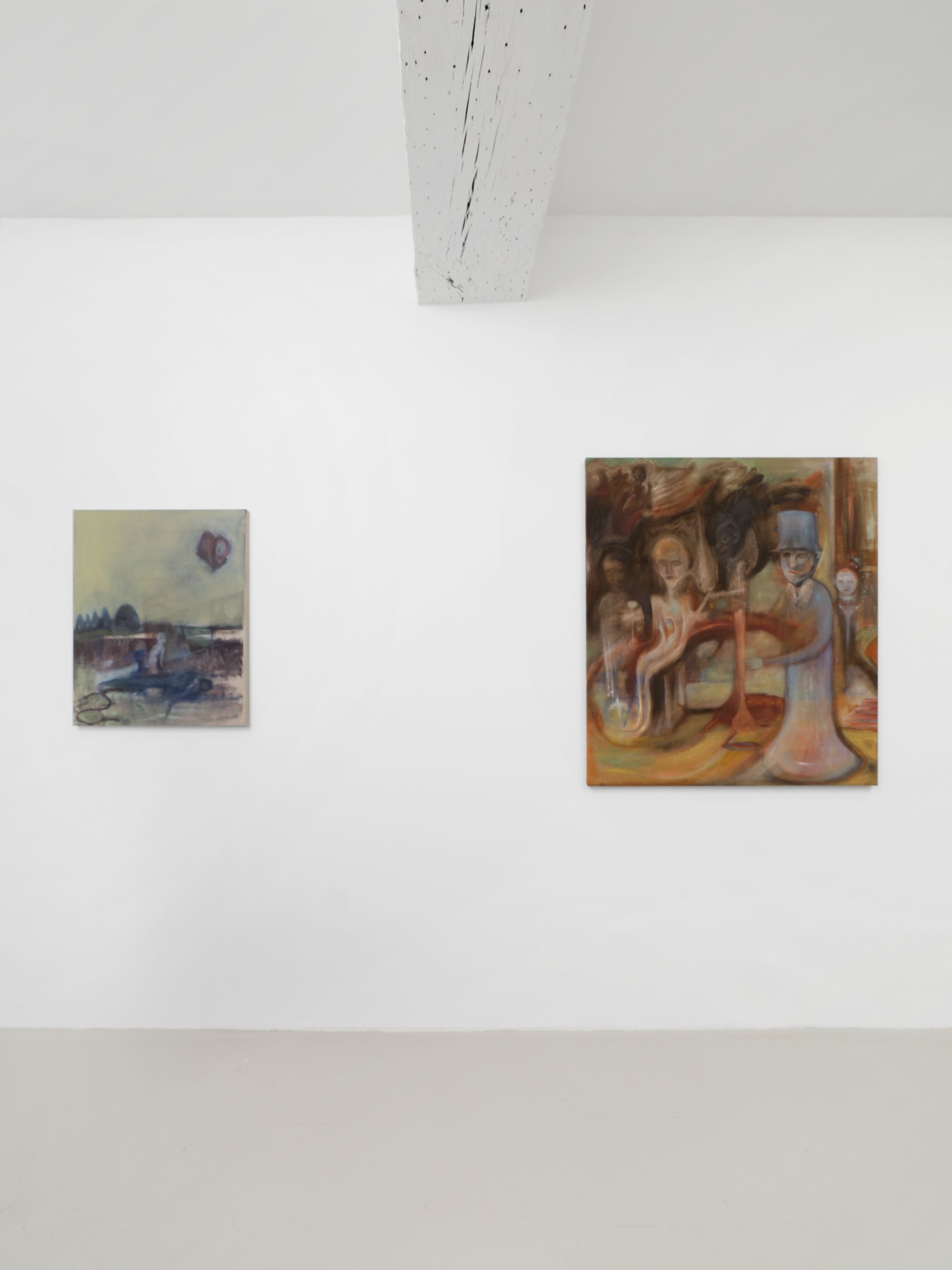
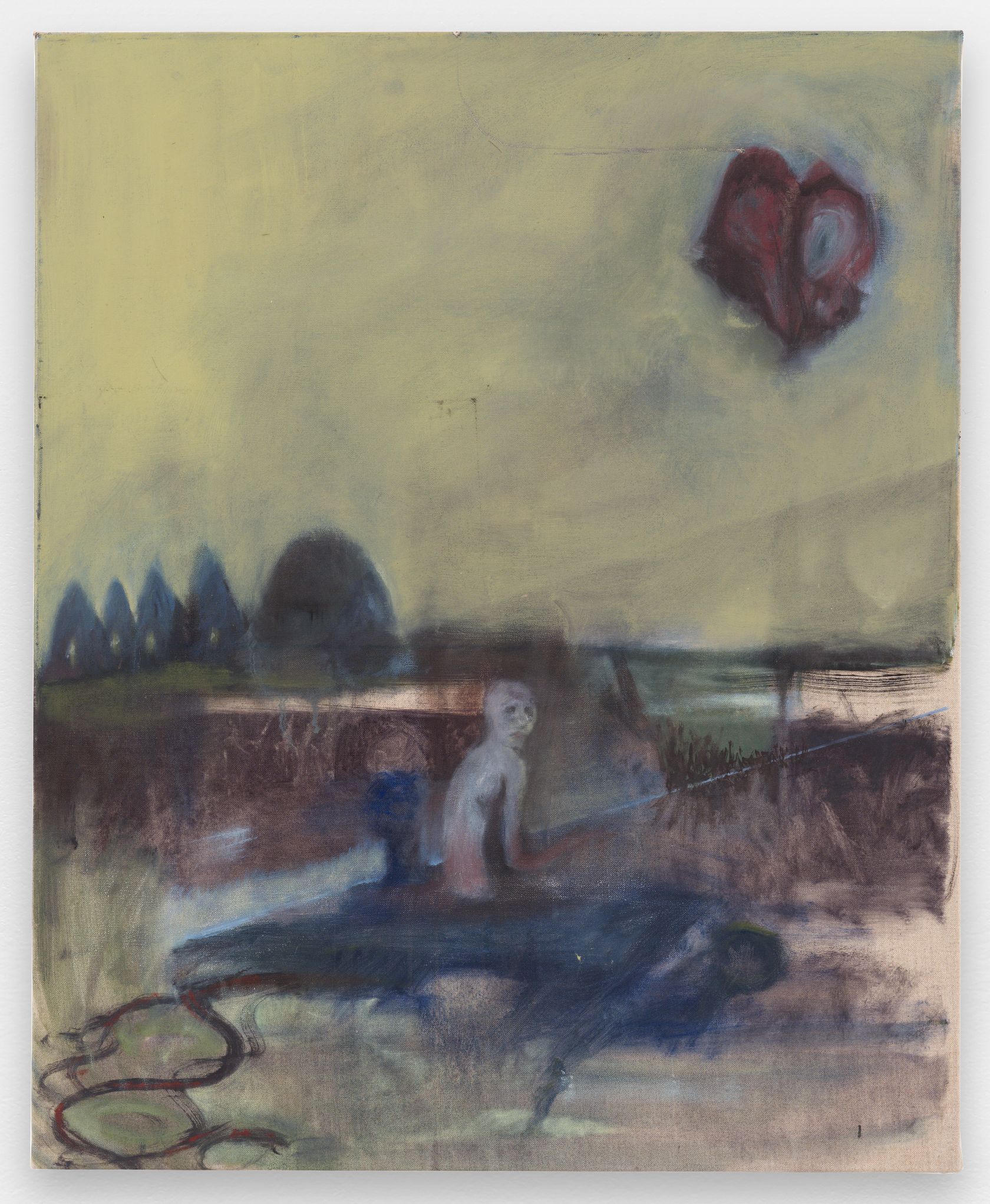
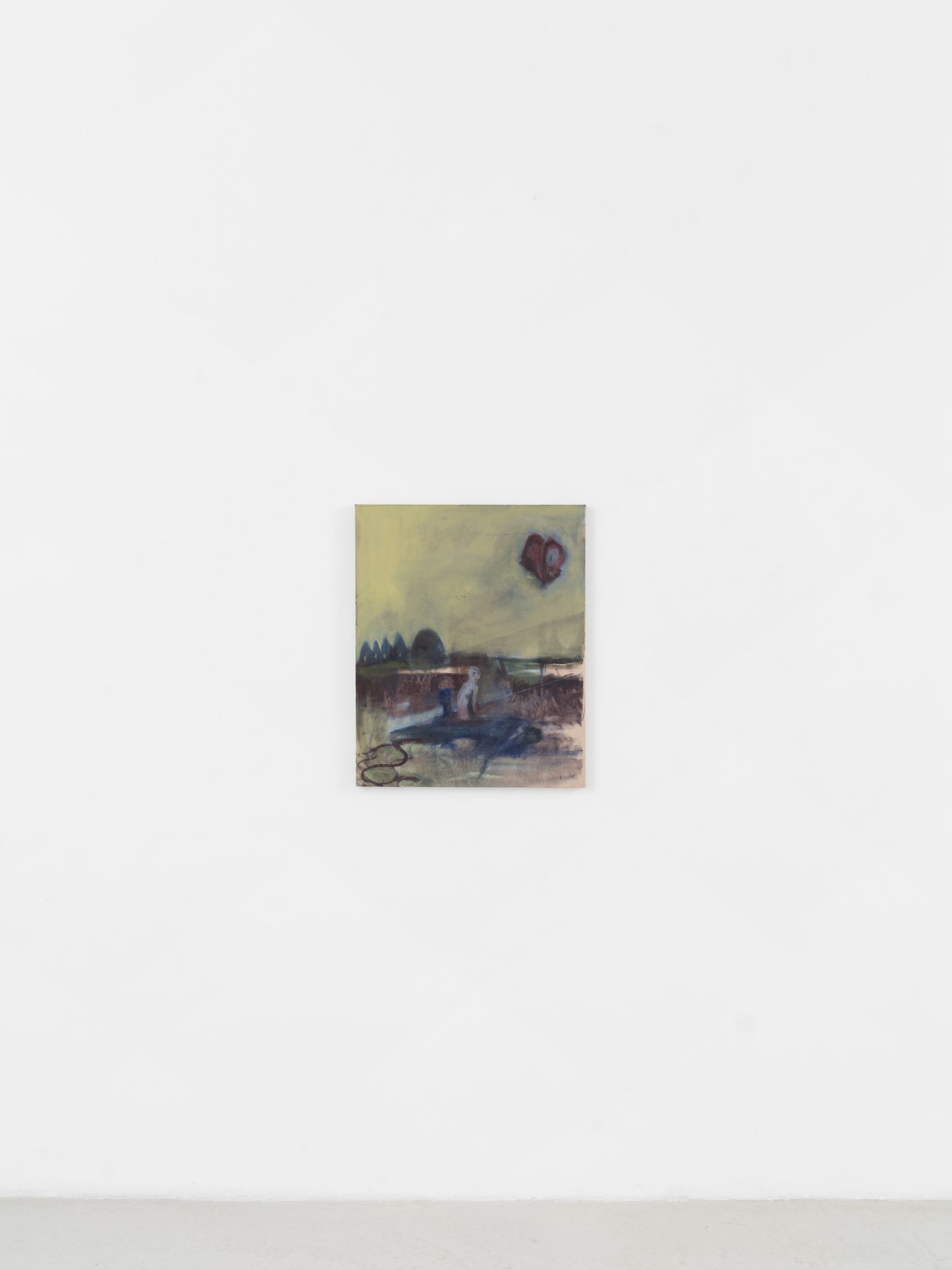
- Paul Gondry
- Improper Relations , 2025
- Oil on belgian linen
-
- 75 ×
- 61 ×
- 2.5 × cm
- 29 1/2 ×
- 24 ×
- 1 × inches
Spectral presences drifting across colourful clouds, dramatic tension focused on gestures and objects, atmospheres sculpted by supernatural lights—Paul Gondry's artworks hone their appearances to tease the viewer's imagination, inviting them to decipher the signs beneath the surface. His drawings search through the depths of the human psyche: It brings out images on the edge of fantasy and nightmare. The Nabis, Edvard Munch, and Éléonora Carrington come to mind when viewing these paintings. Rich in details, textures and lights, the painter installs an atmosphere and retains a specific, haunted moment. More than a picture, it is about seeking the “image's feeling,” says Paul Gondry.
Born in Paris in 1991, Paul Gondry lives and work in New York. A graduate of the Rhode Island School of Design with a degree in film, animation and video, he has recently presented his work at The Armory Show with Newton and received the Gramercy International Award in 2022. He has exhibited at the Simo Bacar Gallery in Lisbon, Futura in Prague, the Deborah Schamoni Gallery in Munich, Nosbaum Reding in Luxembourg, the Kunsthalle Wichita in Kansas and the Zwinglisalon in Berlin. He is a co-founder of the artist-run space 15 Orient in New York.