
To learn more about available works, please provide your contact information
Art Paris
Grand Palais, Paris (FR)
April 9-12, 2026
Booth C15
Glen Baxter
Amélie Bertrand
Hugo Capron
Mathieu Cherkit
Aneta Kajzer
Pieter Jennes
Laurent Le Deunff
Françoise Pétrovitch
Laurent Proux
Stefan Rinck
Ernest T.
Moffat Takadiwa
Philemona Williamson
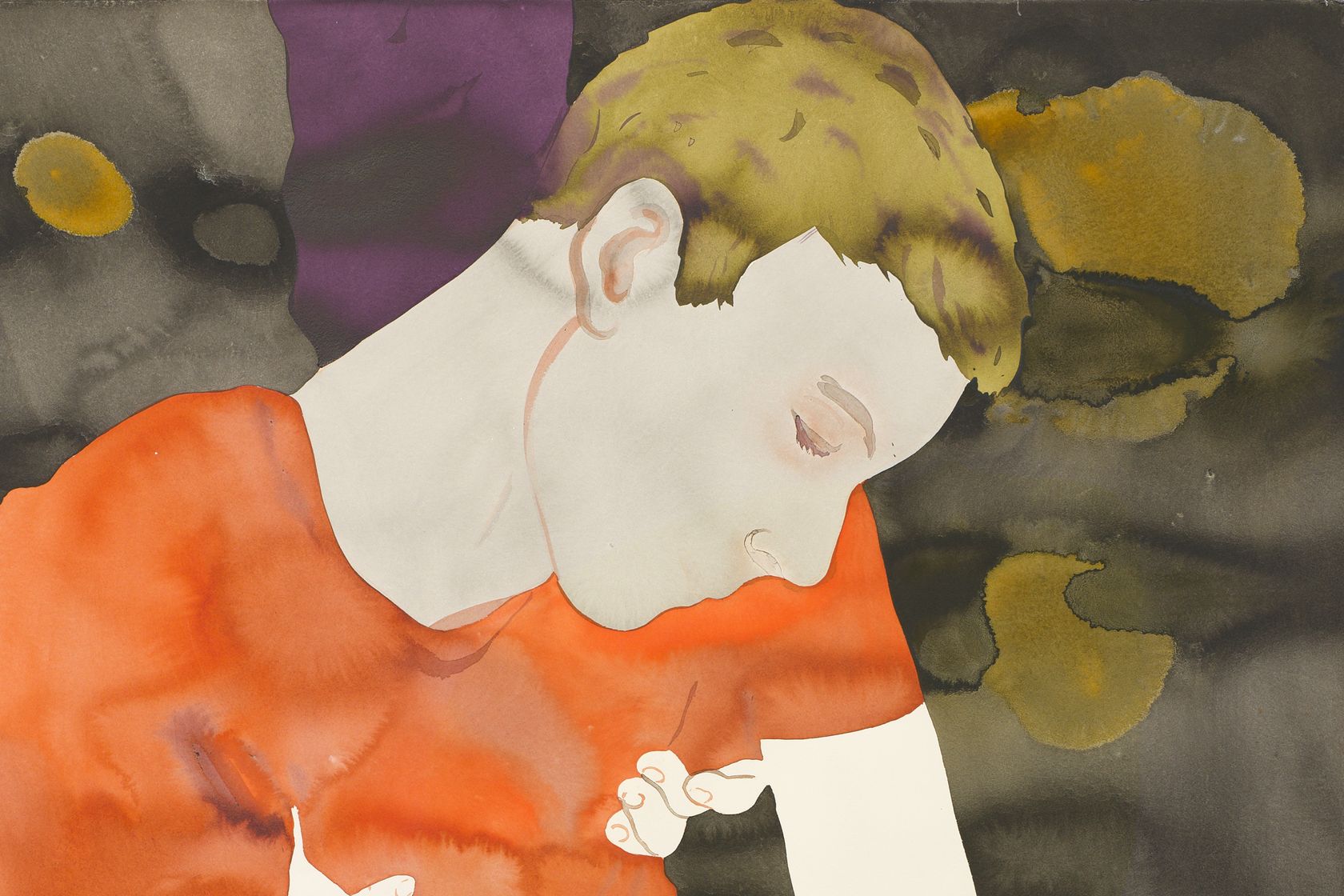
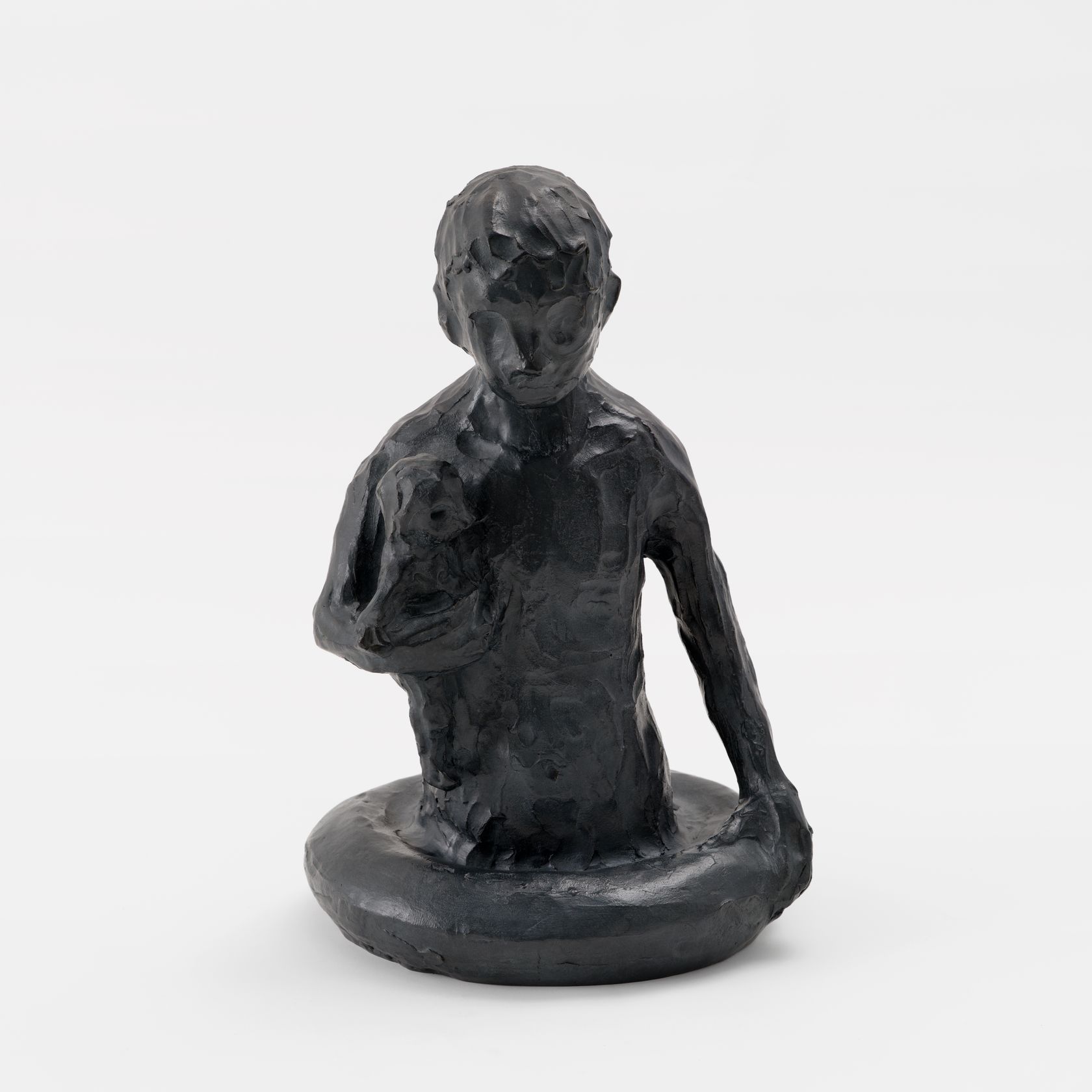
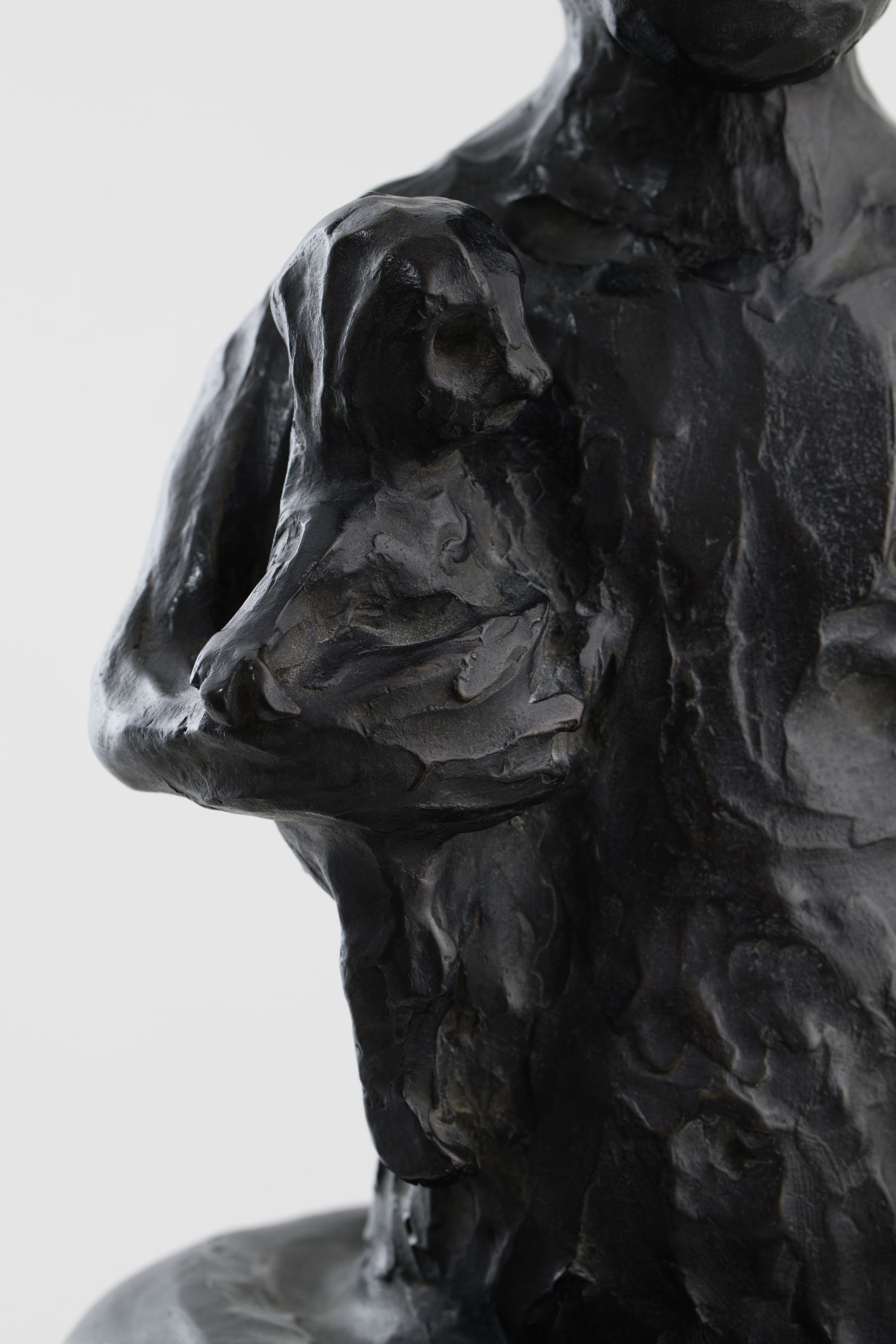
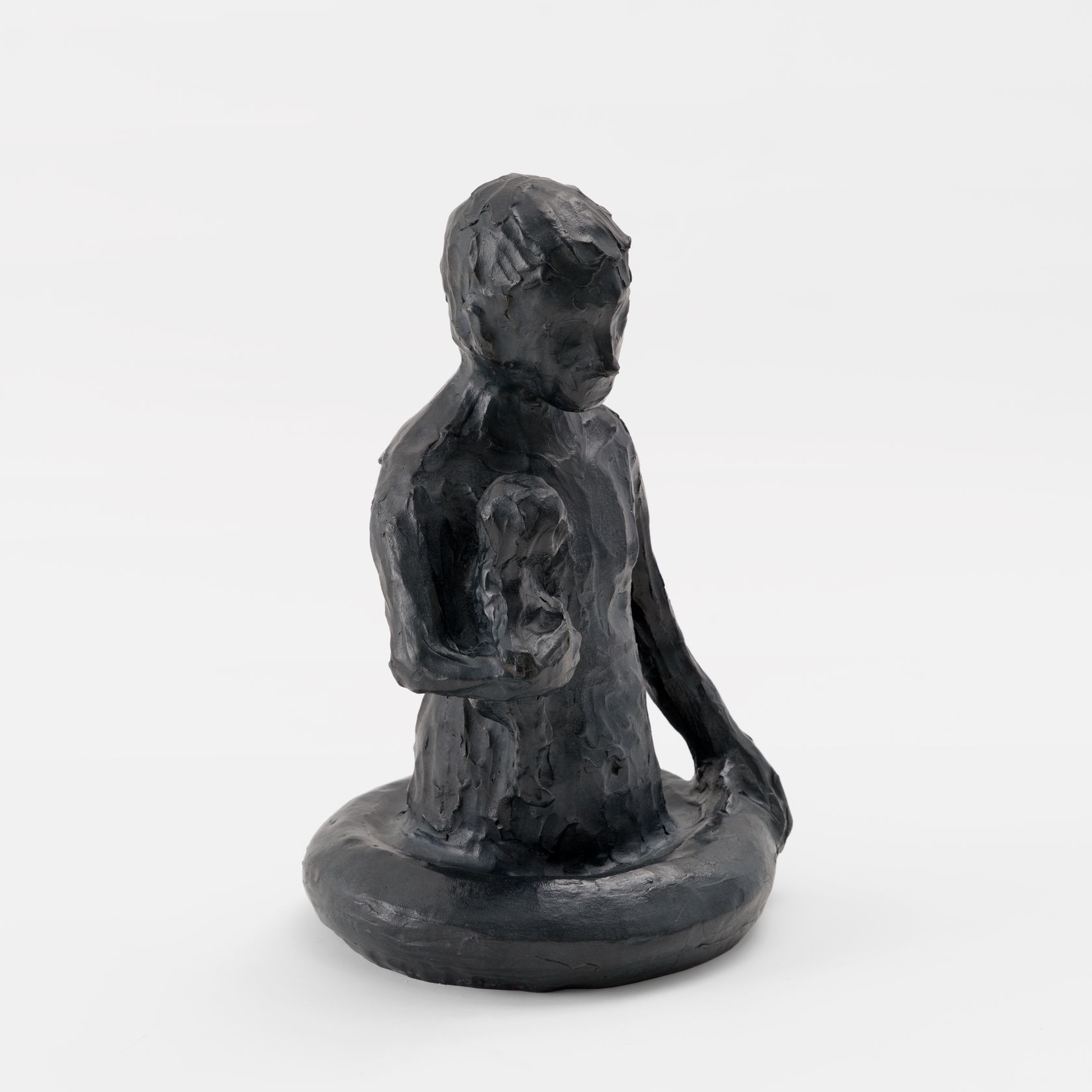
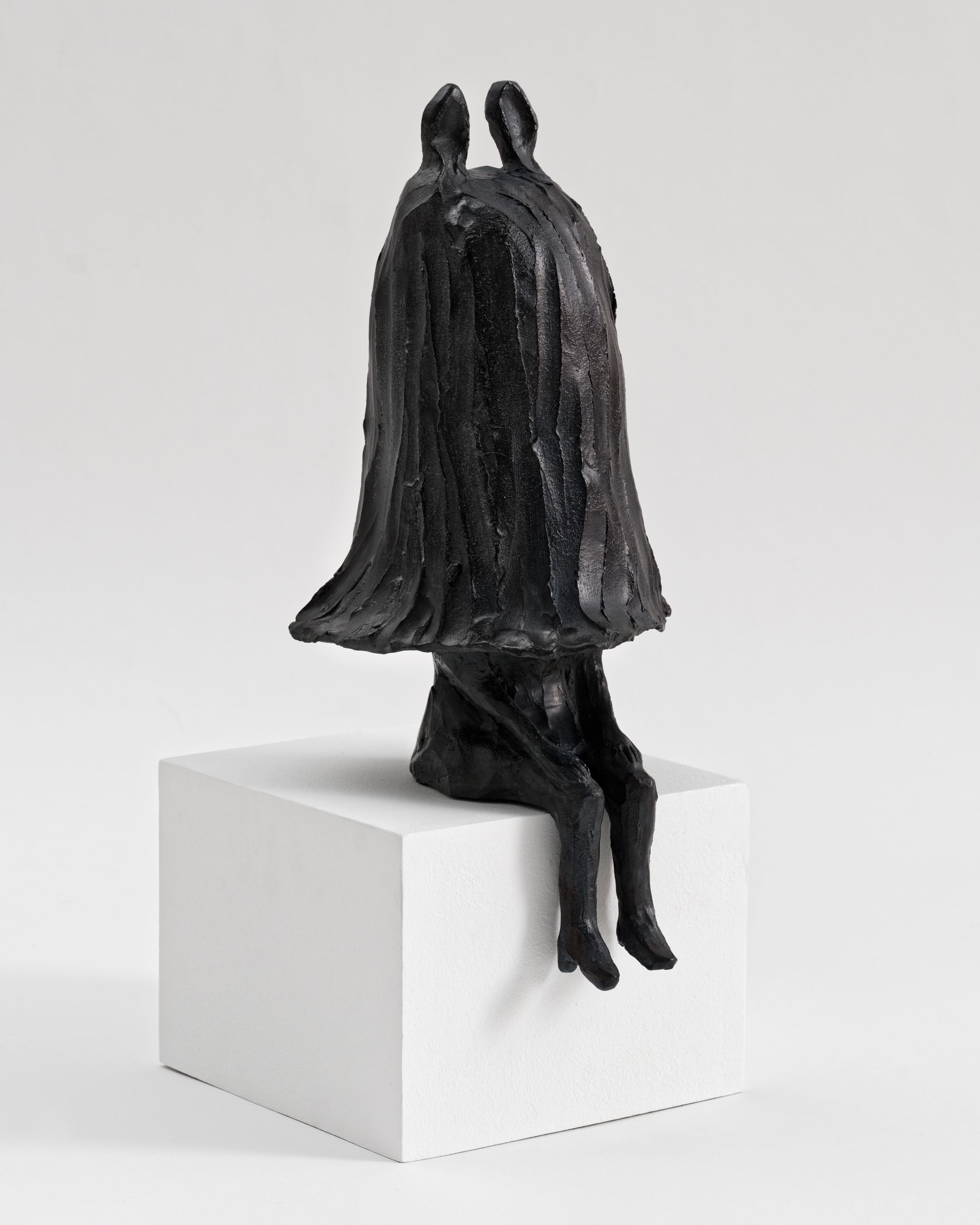
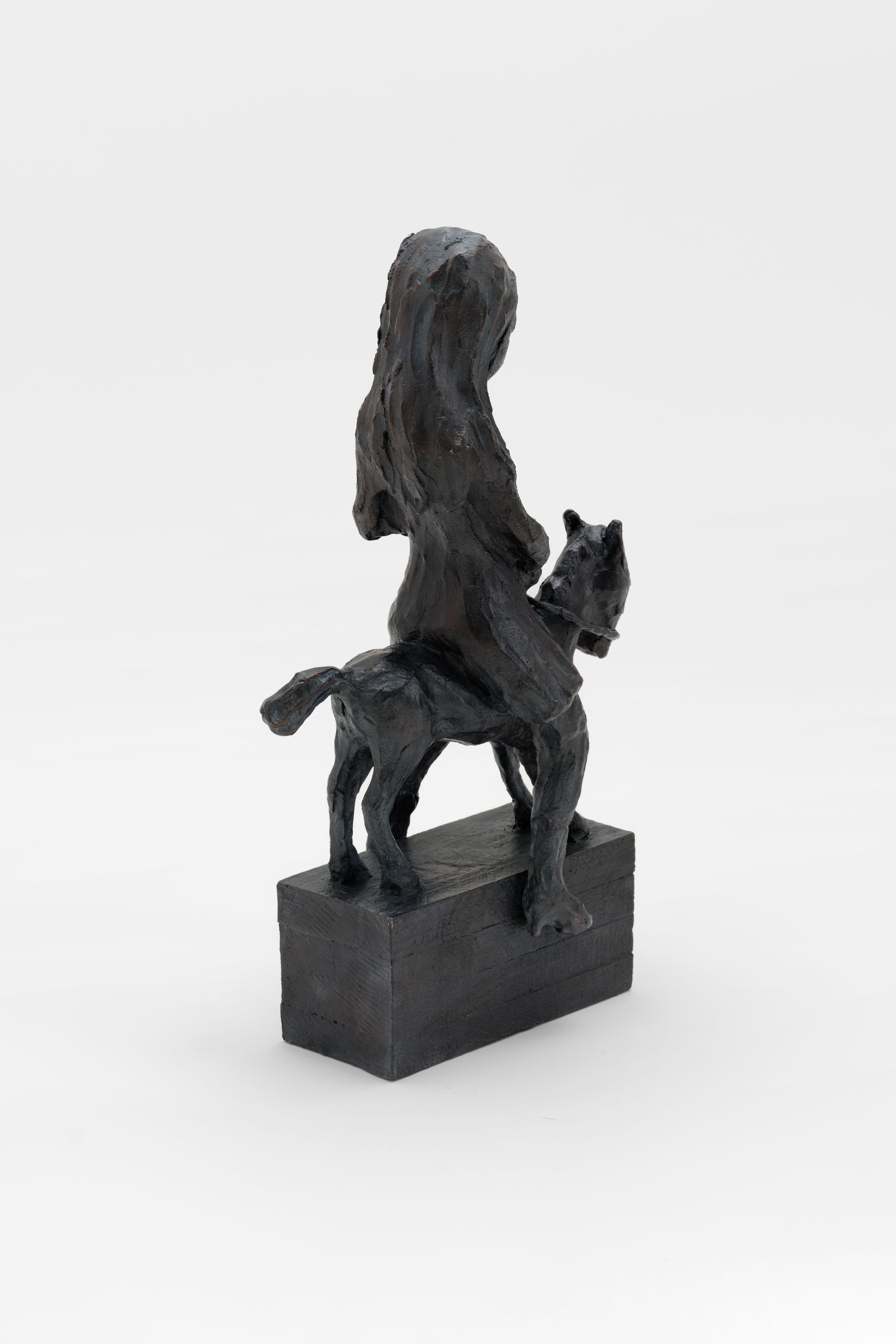
Since the 1990s, Françoise Pétrovitch has produced one of the most powerful bodies of work on the French art scene. Amongst the numerous media she has explored—ceramics, ink washes, painting, print and video—drawing retains pride of place. In constant dialog with the artists who have preceded her, she has been able to measure herself against the incontrovertible motifs of “high art”—Saint Sebastian, still lifes, etc. Pétrovitch’s art reveals an ambiguous world, willingly transgressive, playing with conventional boundaries and eluding any interpretation. Intimacy, fragments of life and disappearance, alongside the themes such as the double, transition and cruelty run through her work, which is inhabited by animals, flowers and beings, and whose atmosphere fluctuates between light and dark, rarely leaving the spectator unmoved.
She has enjoyed numerous solo exhibitions both in France and abroad, as in the Fonds Hélène et Édouard Leclerc in Landerneau and the Bibliothèque nationale de France, Paris, in 2022, and the Musée de la Vie romantique, Paris, in 2023. In 2018, she was the first contemporary artist to be awarded a solo exhibition at the Louvre-Lens. Over the past few years, Pétrovitch has produced monumental wall drawings and large format ensembles, for the Galerie des Enfants at the Centre Pompidou, the West Bund Museum, Shanghai, or for the Ballets du Nord Company. Her works are included in many private and public collections, most notably the Centre Pompidou, Paris (FR), the Voorlinden Museum, Wassenaar (NL), the National Museum of Women in the Arts, Washington D.C. (US), the Musée Jenisch, Vevey (CH), the Musée d’Art Moderne et Contemporain of Saint-Etienne (FR) and of Strasbourg (FR), the MAC VAL (FR), the Salomon and Guerlain Foundations as well as Emerige Endowment Fund.
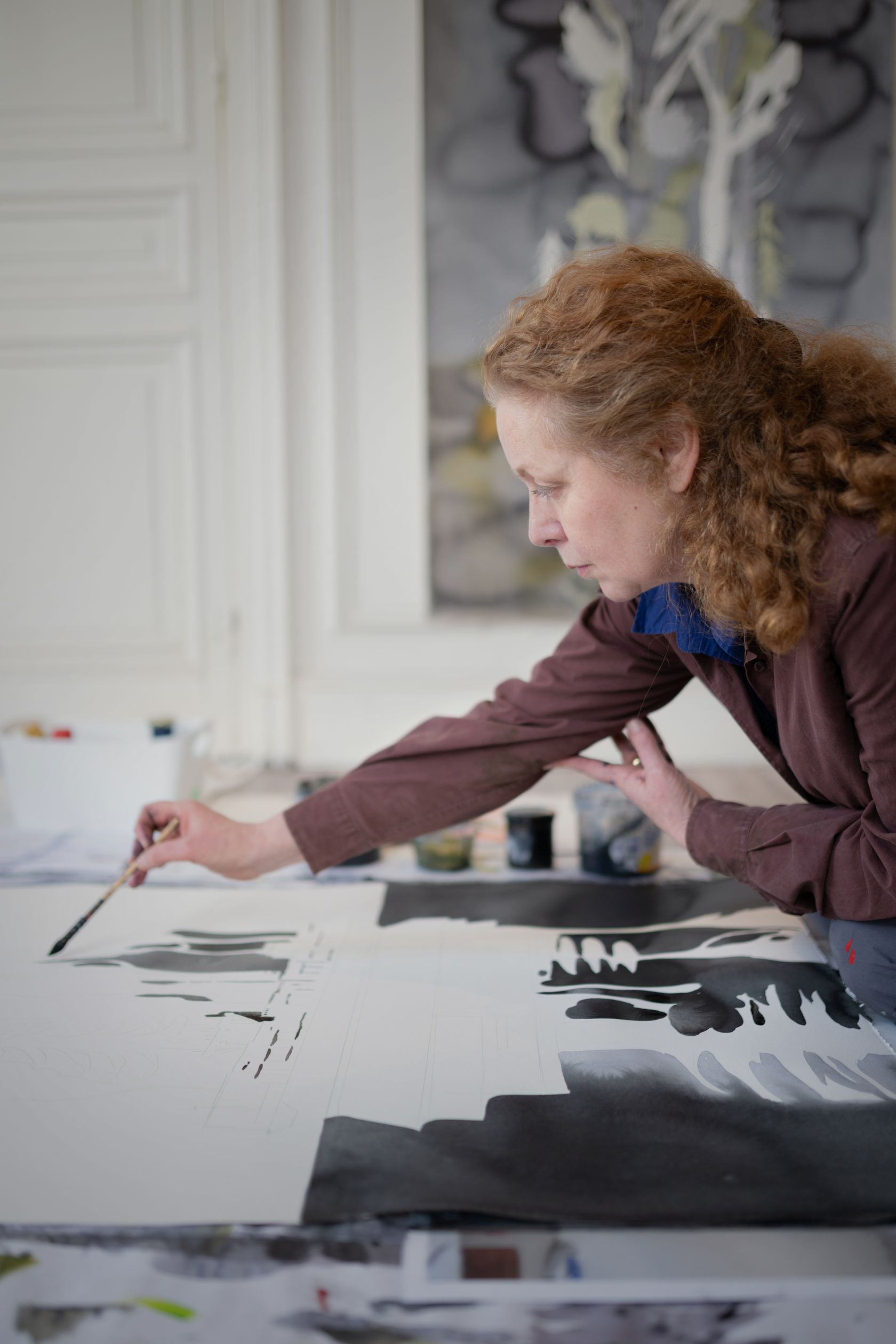
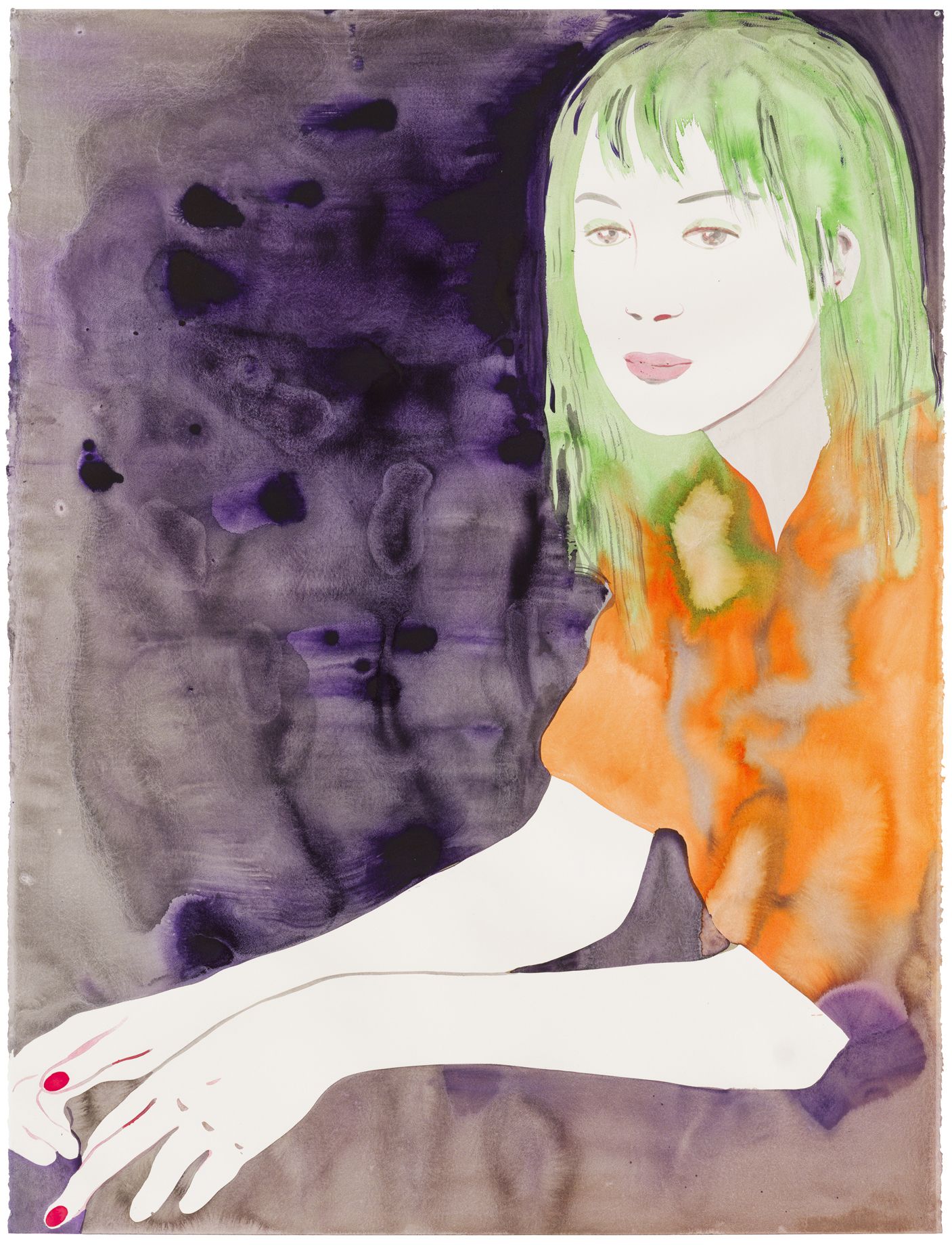
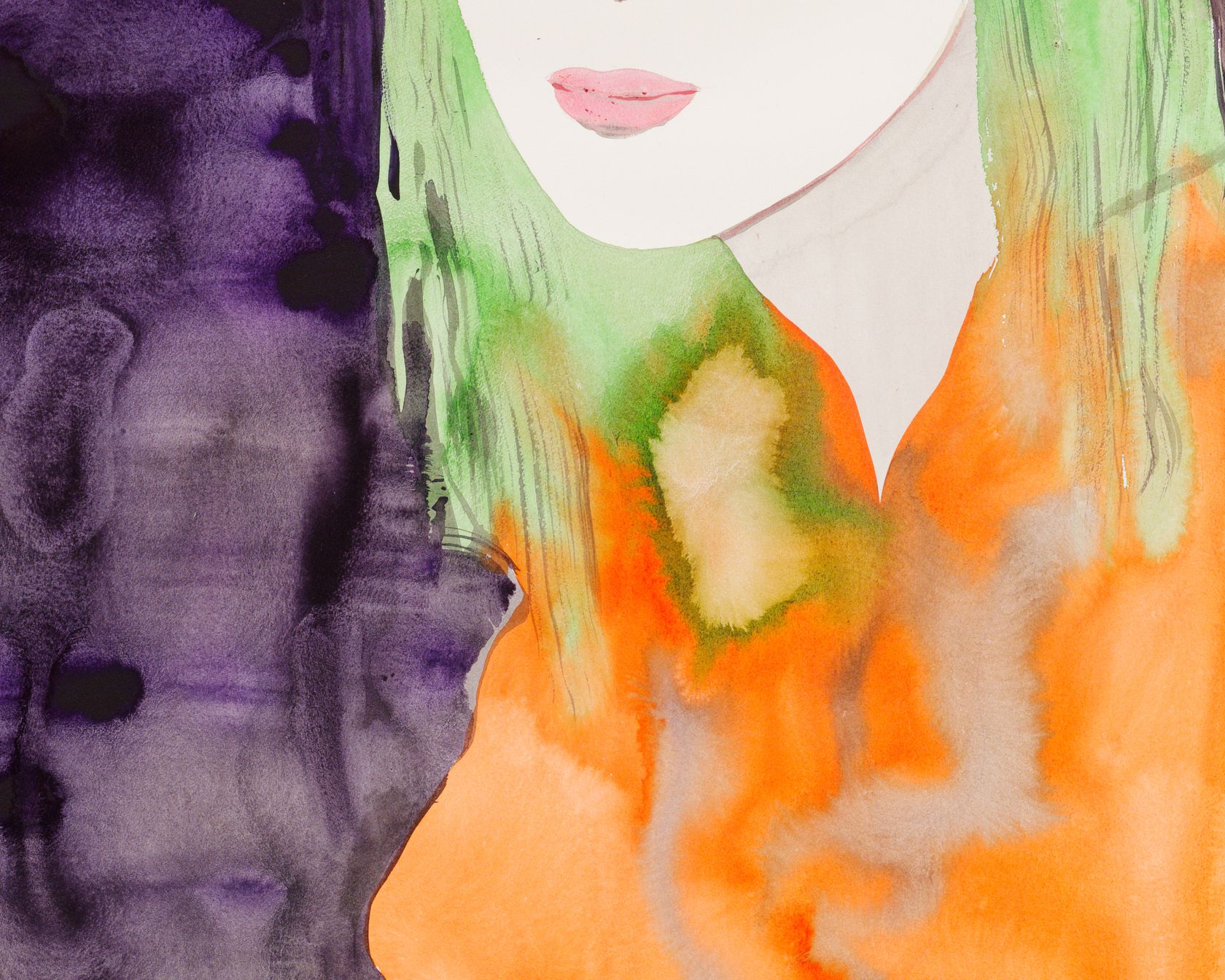
- Françoise Pétrovitch
- Sans titre , 2025
- Ink wash on paper
-
- 160 ×
- 120 × cm
- 63 ×
- 47 1/4 × inches
- unframed
- 172 ×
- 132 ×
- 5 × cm
- 67 11/16 ×
- 51 15/16 ×
- 1 15/16 × in
- framed
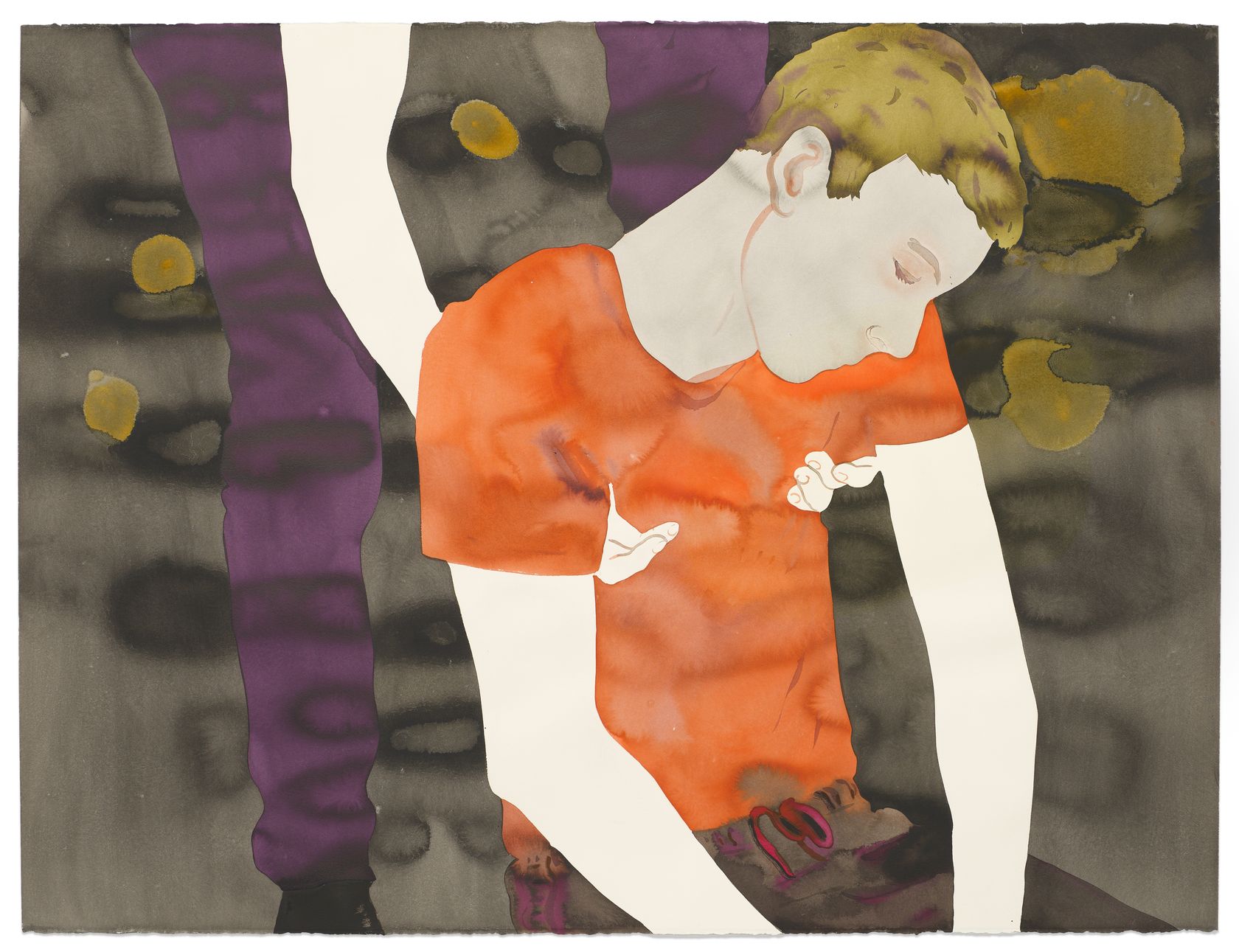
- Françoise Pétrovitch
- Tenir , 2022
- Ink wash on paper
-
- 120 ×
- 160 × cm
- 47 2/8 ×
- 63 × inches
- unframed
- 136 ×
- 178 ×
- 5 × cm
- 53 9/16 ×
- 70 1/16 ×
- 1 15/16 × in
- framed
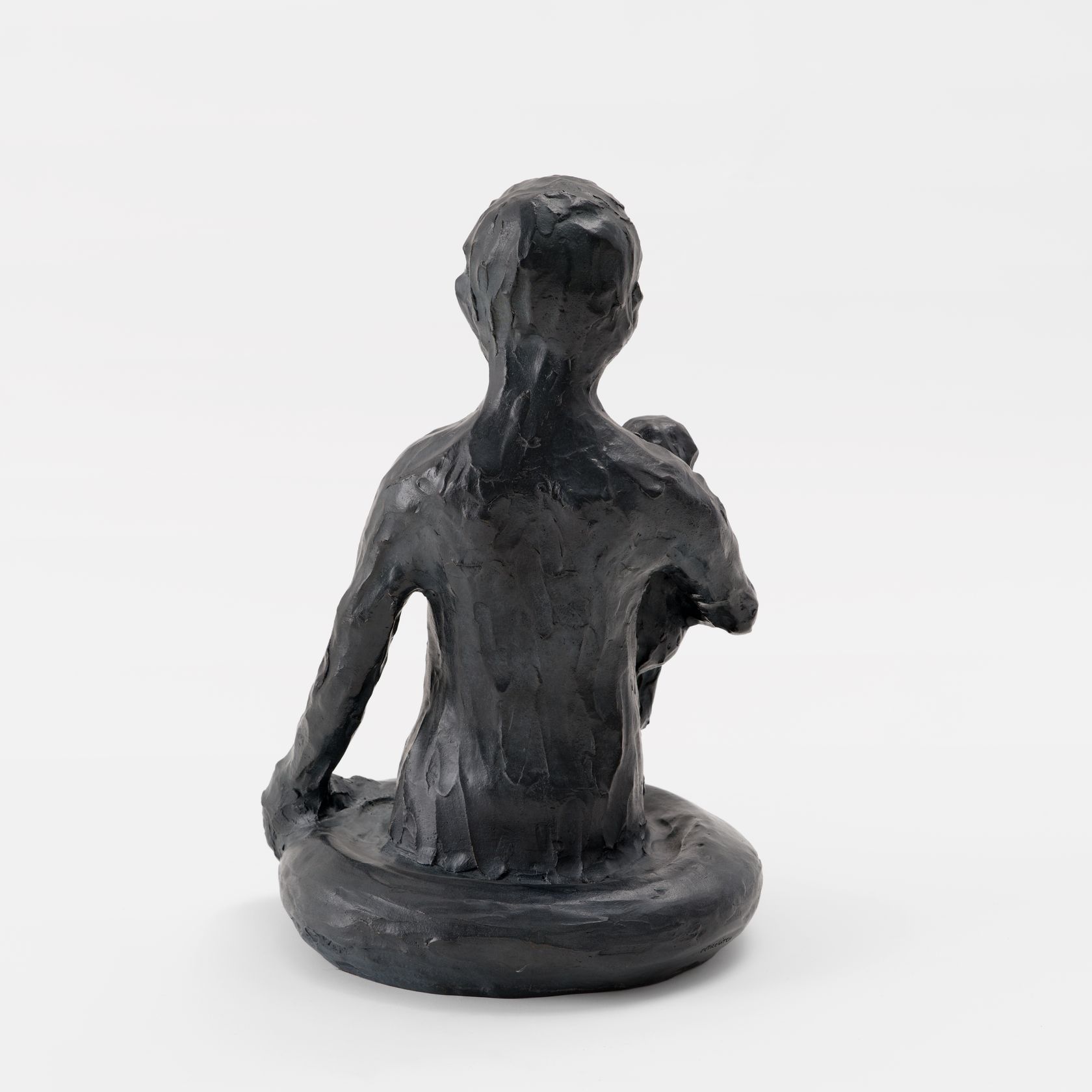
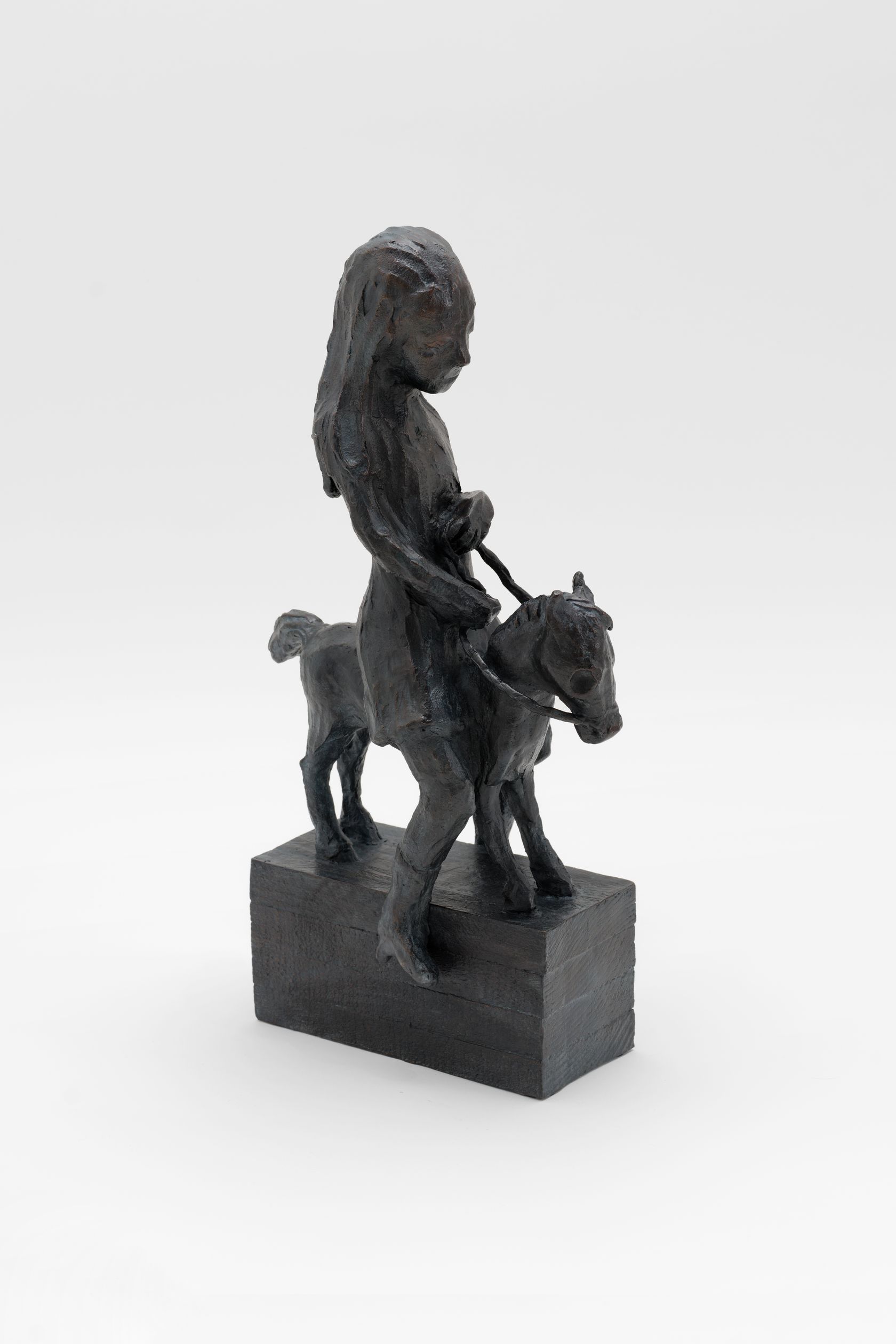
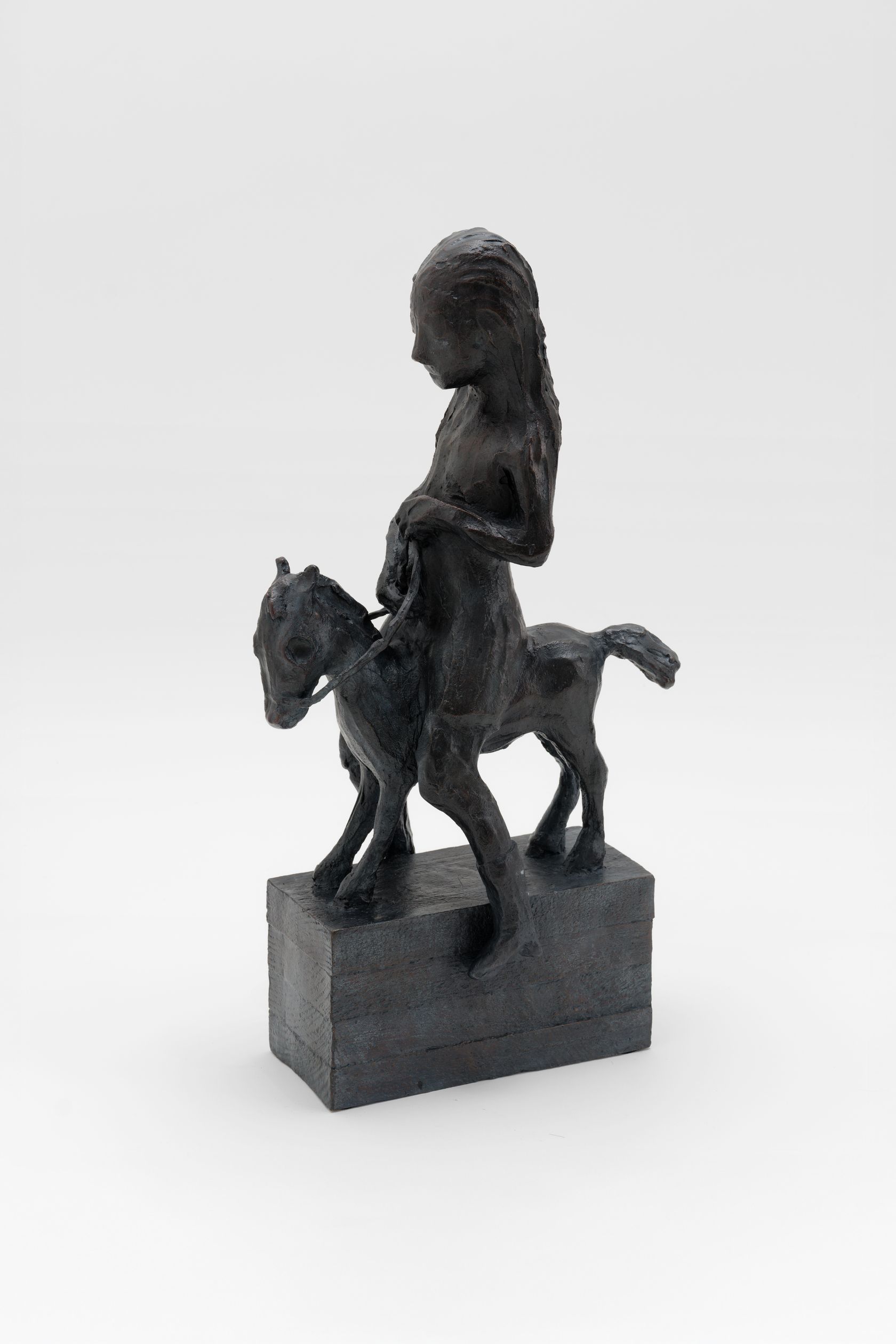
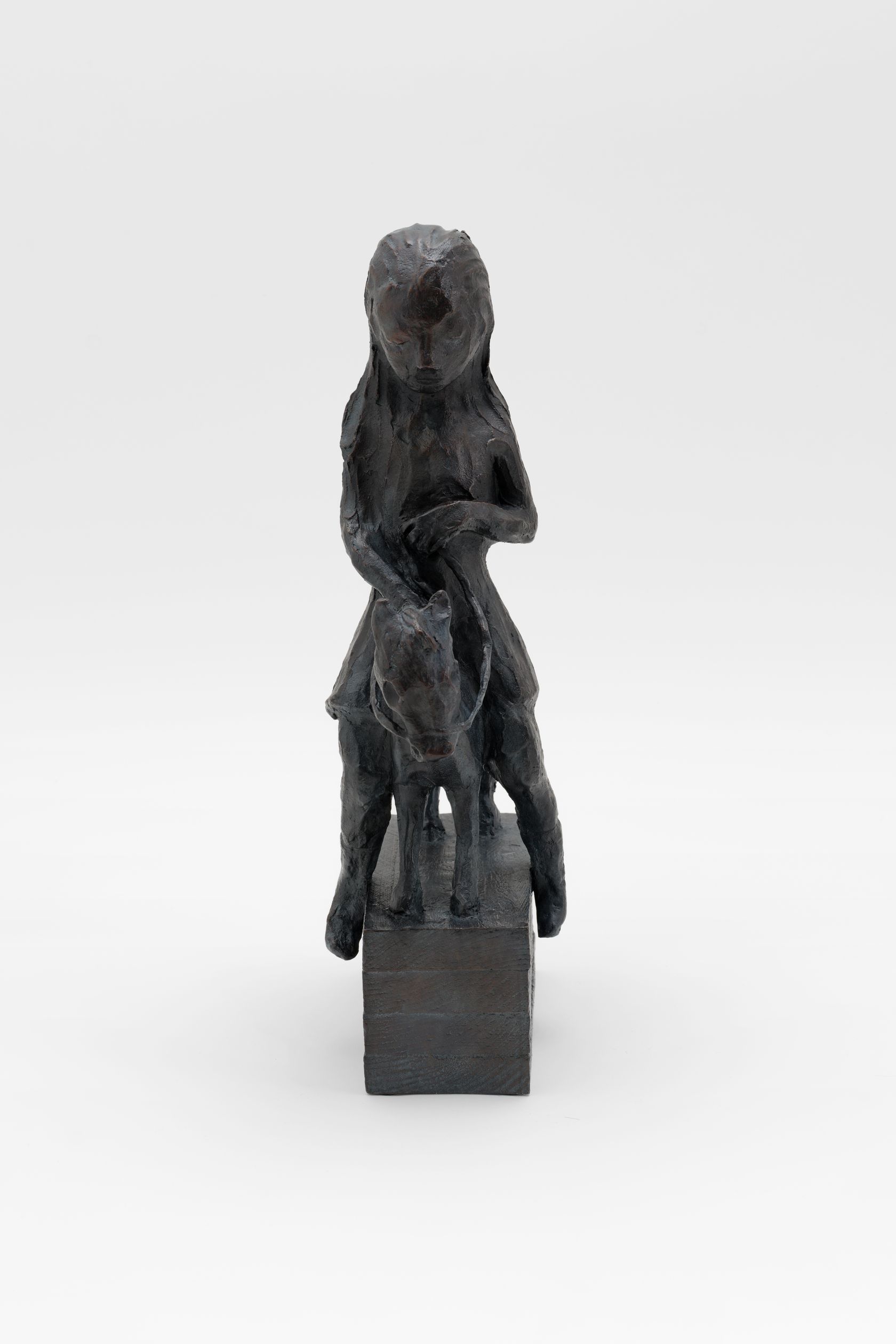
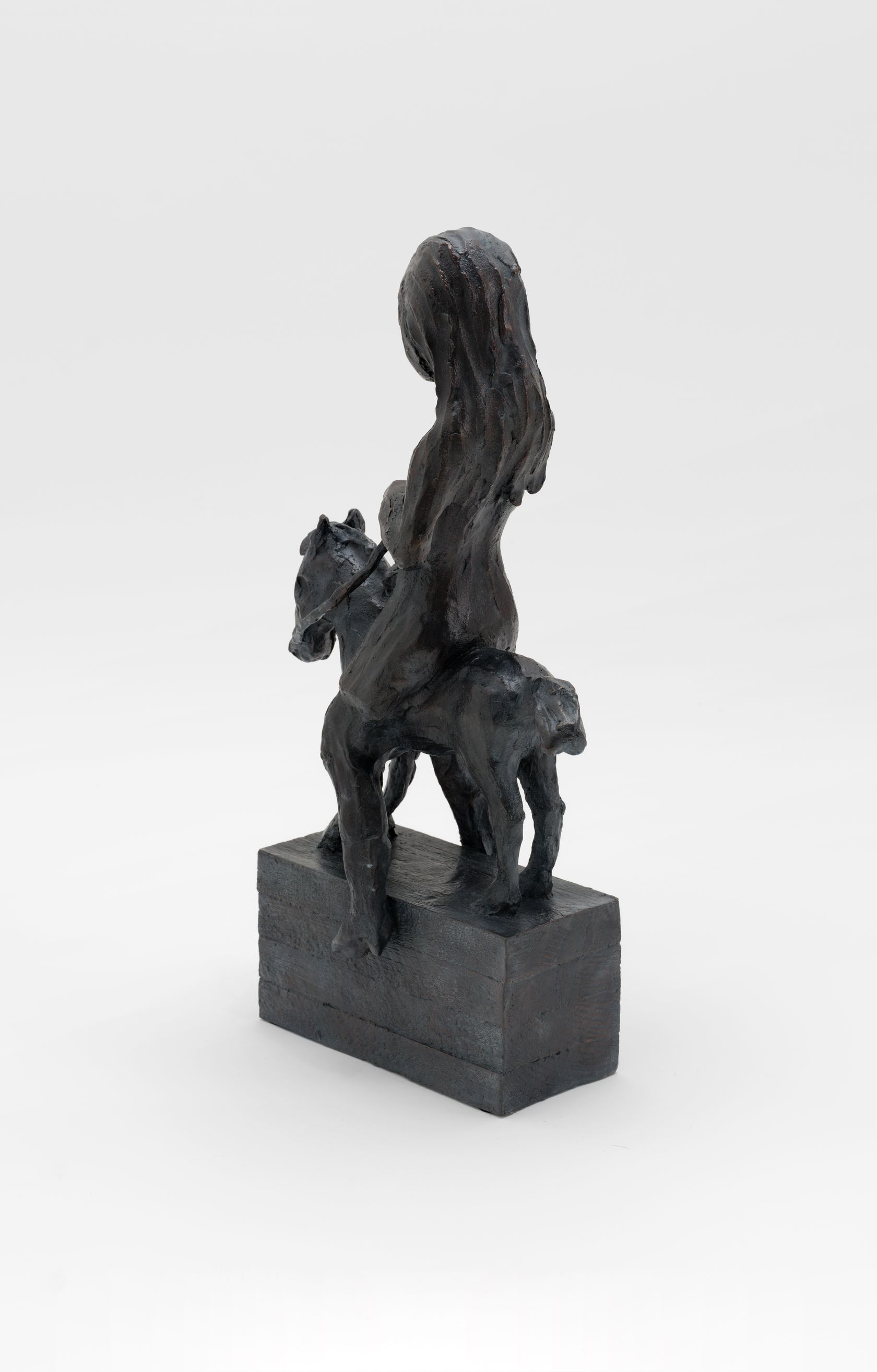
- Françoise Pétrovitch
- Garçon à la poupée , 2019
- Bronze
-
- 44.5 ×
- 27 ×
- 24 × cm
- 175 2/8 ×
- 10 5/8 ×
- 9 1/2 × inches
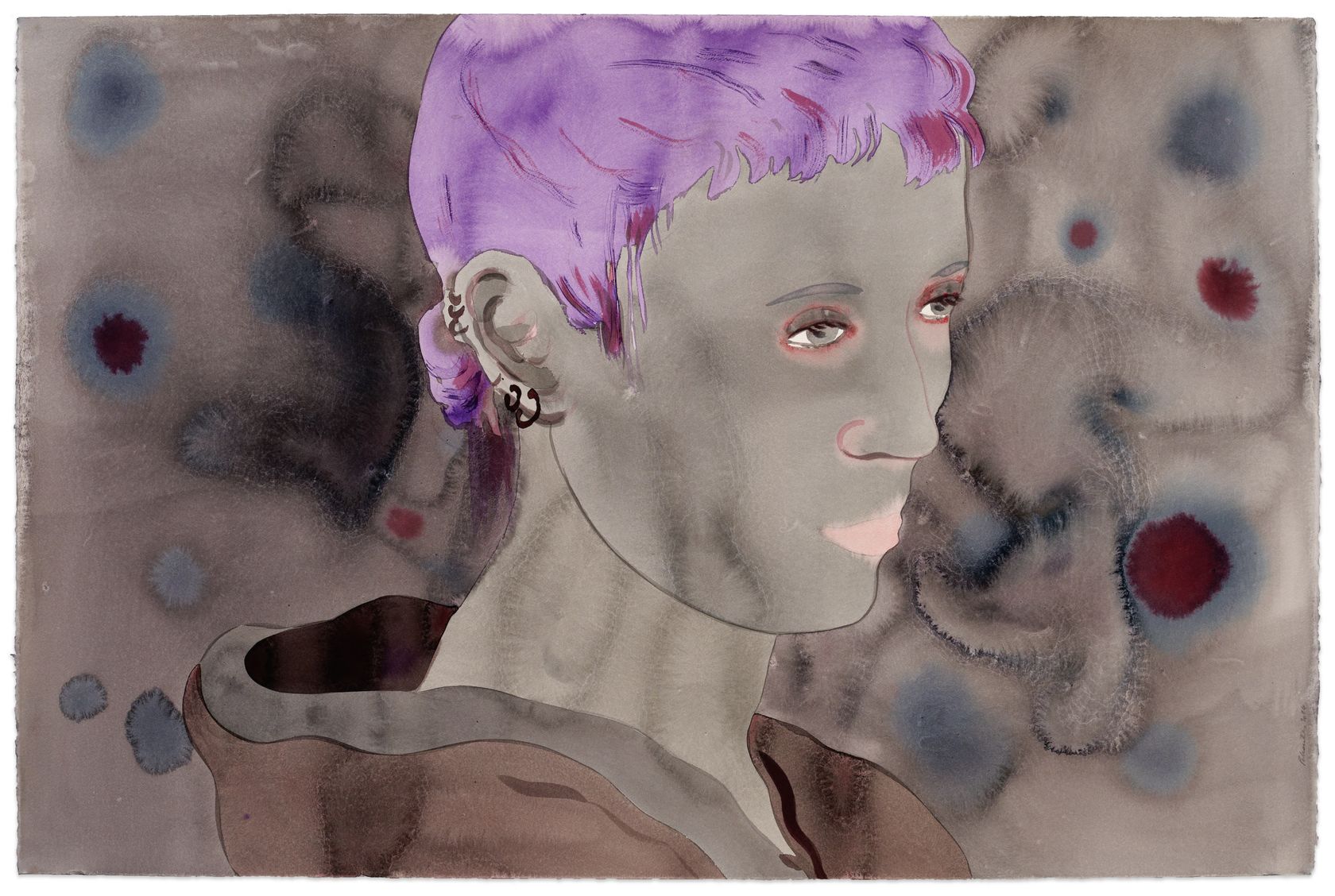
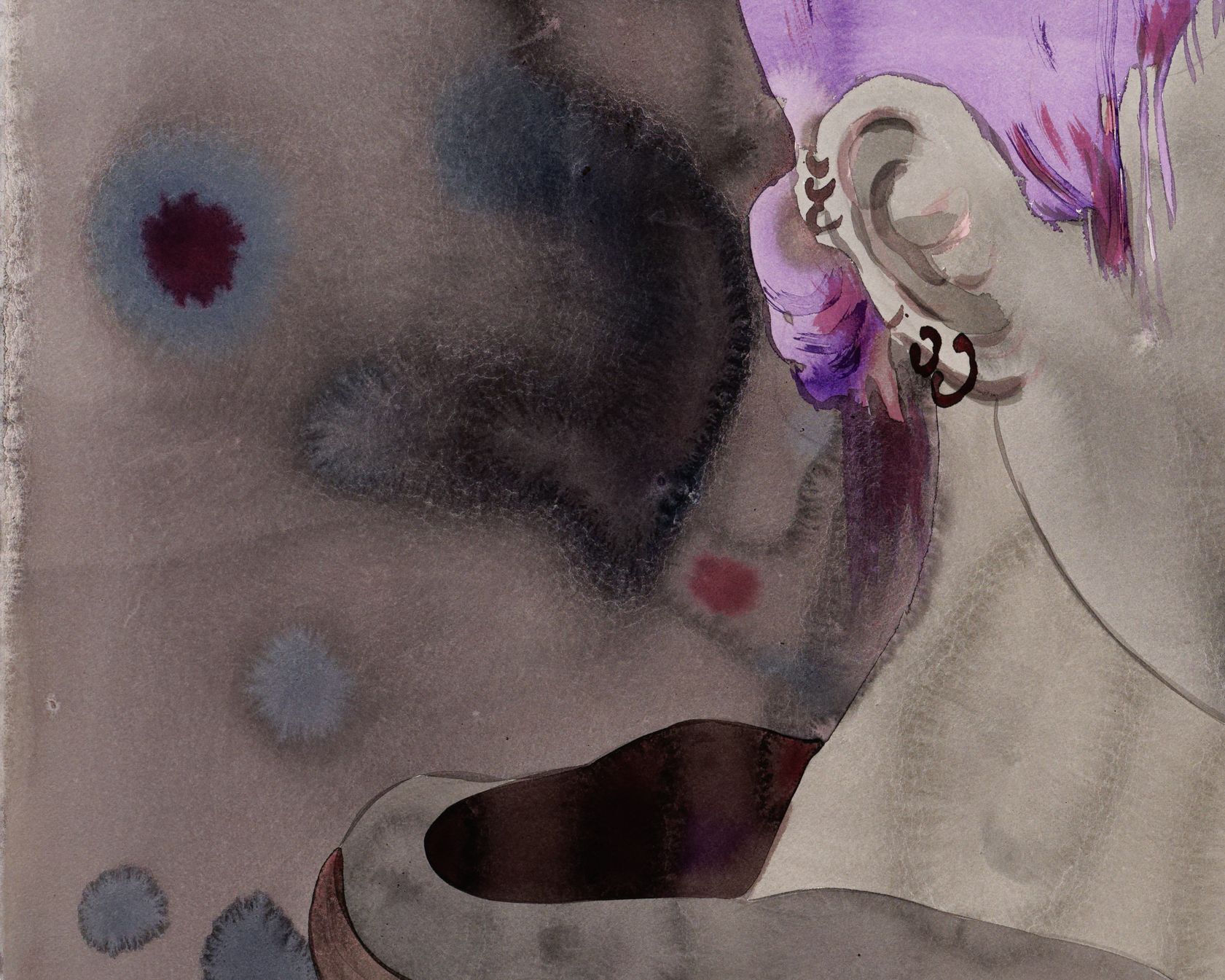
- Françoise Pétrovitch
- Cinémascope , 2024
- Ink wash on paper
-
- 80 ×
- 120 × cm
- 31 1/2 ×
- 47 1/4 × inches
- unframed
- 96 ×
- 137 ×
- 5 × cm
- 37 13/16 ×
- 53 15/16 ×
- 1 15/16 × in
- framed
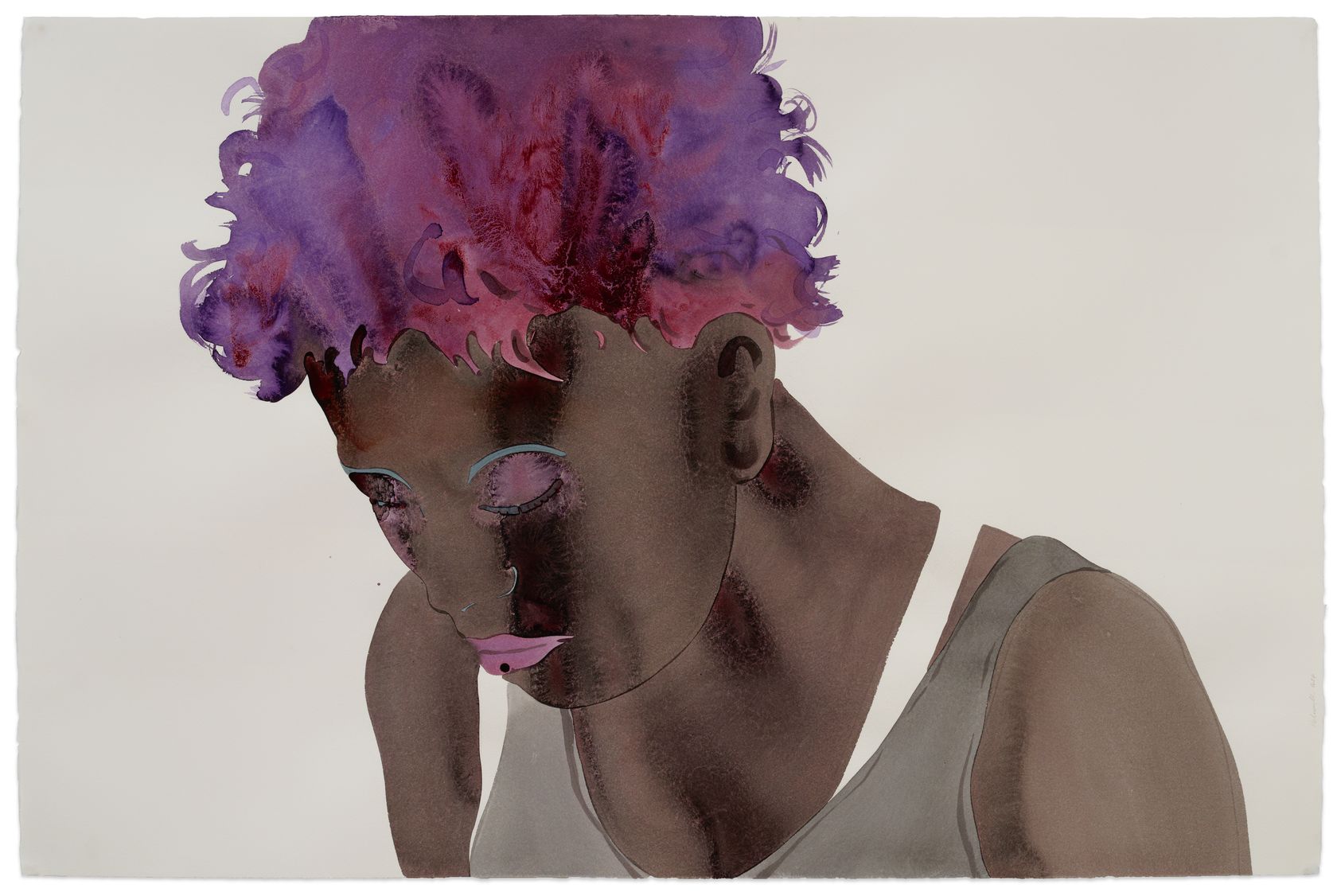
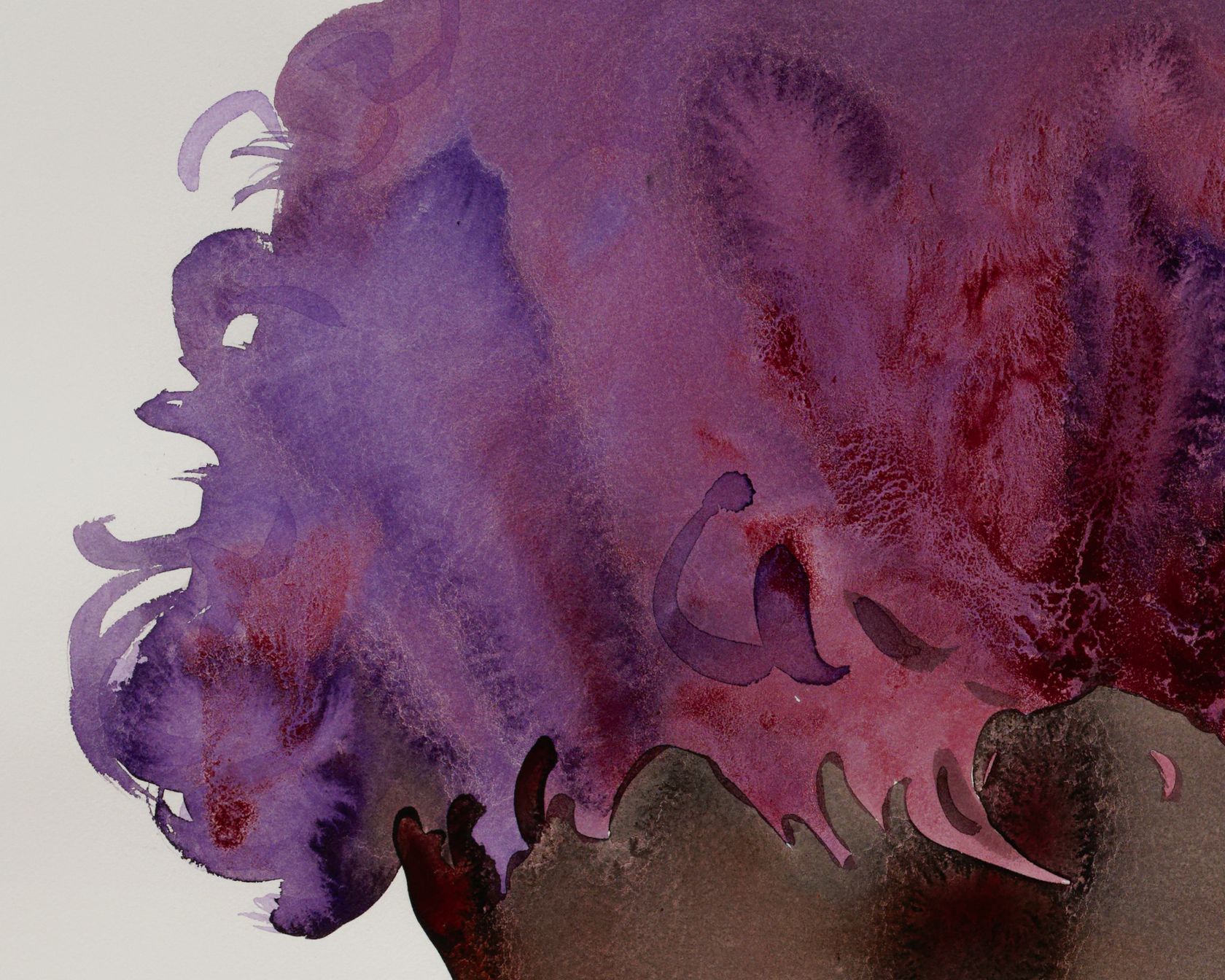
- Françoise Pétrovitch
- Cinémascope , 2024
- Ink wash on paper
-
- 80 ×
- 120 × cm
- 31 1/2 ×
- 47 1/4 × inches
- unframed
- 96 ×
- 137 ×
- 5 × cm
- 37 13/16 ×
- 53 15/16 ×
- 1 15/16 × in
- framed
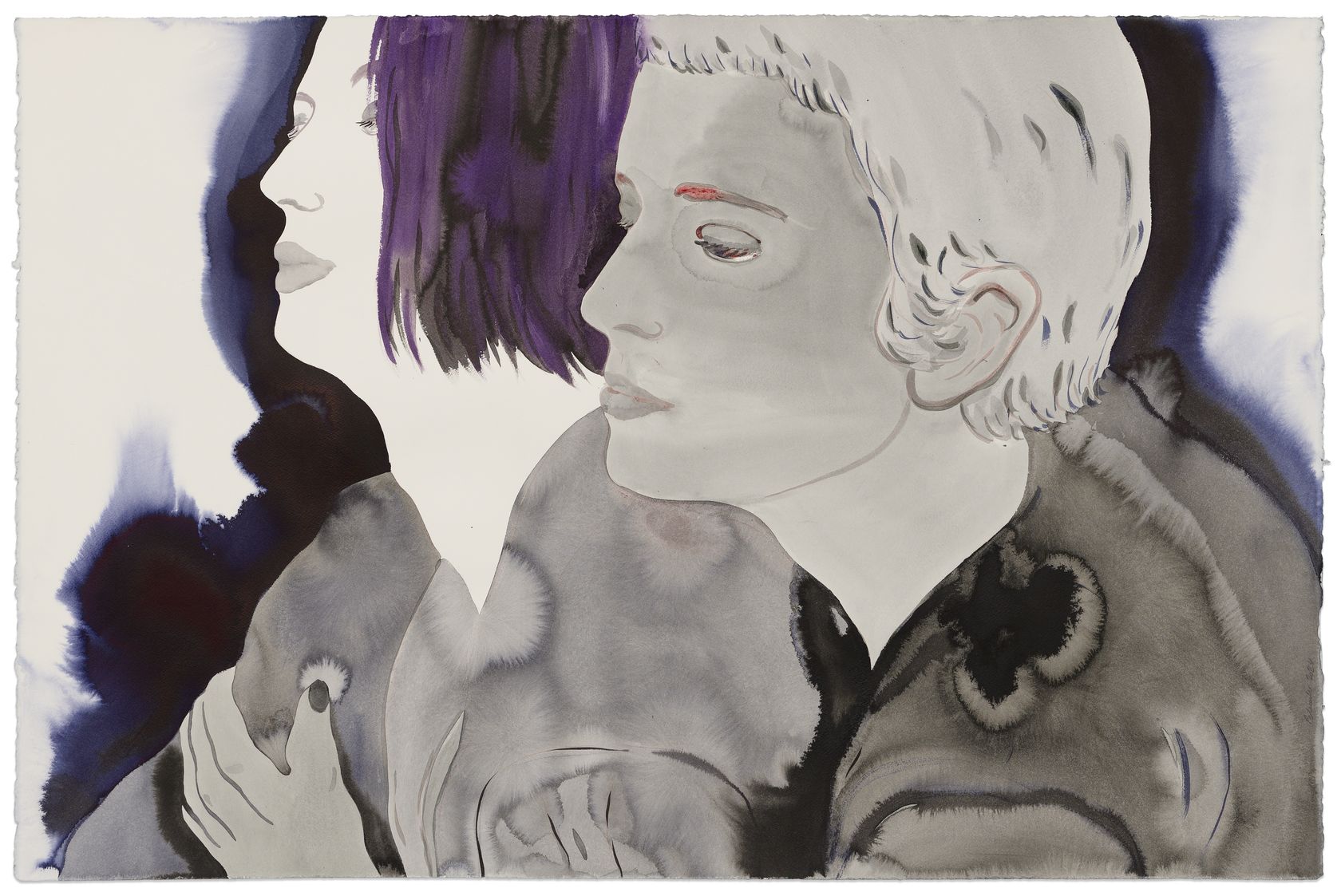
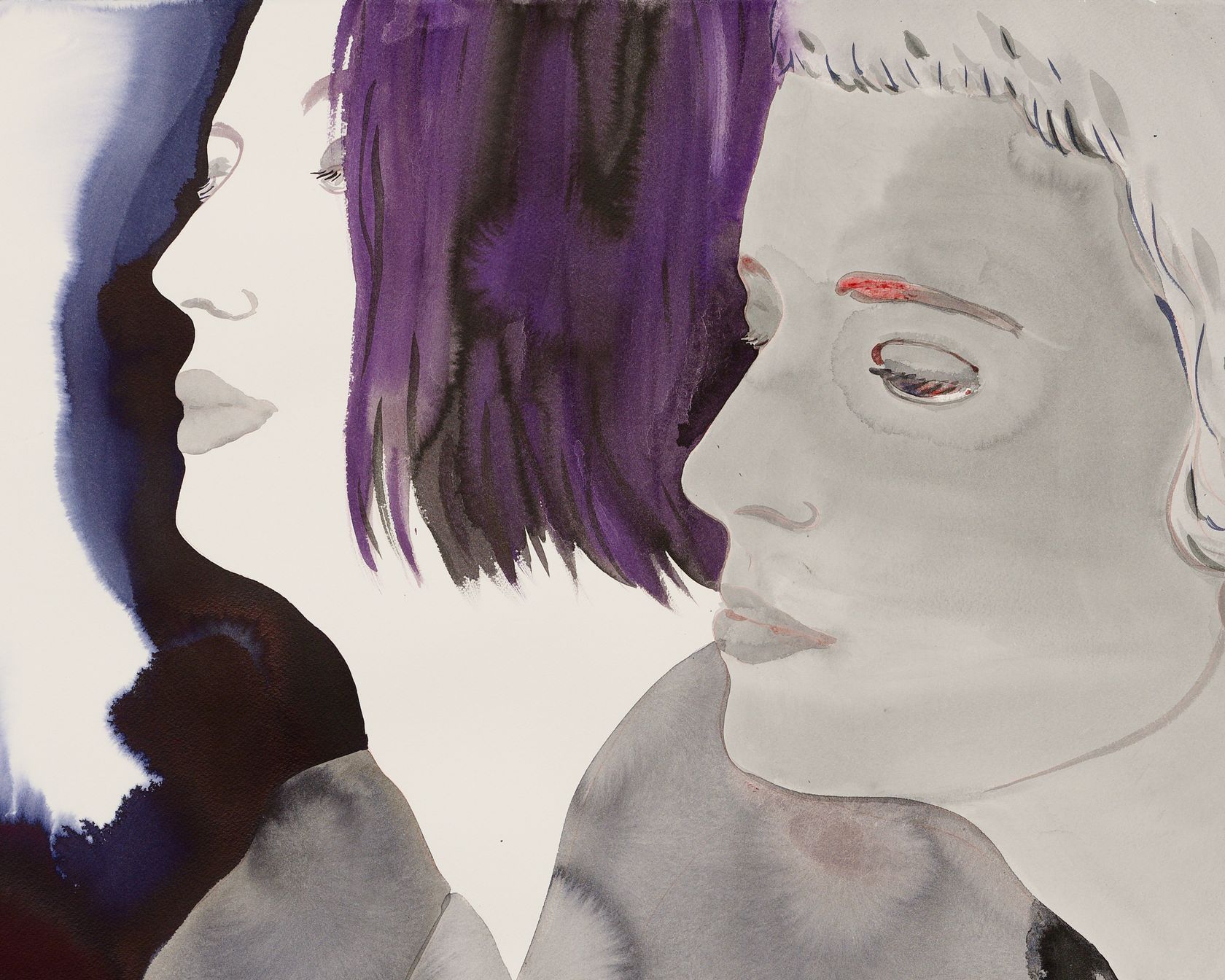
- Françoise Pétrovitch
- Cinémascope , 2024
- Ink wash on paper
-
- 80 ×
- 120 × cm
- 31 1/2 ×
- 47 1/4 × inches
- unframed
- 96 ×
- 137 ×
- 5 × cm
- 37 13/16 ×
- 53 15/16 ×
- 1 15/16 × in
- framed
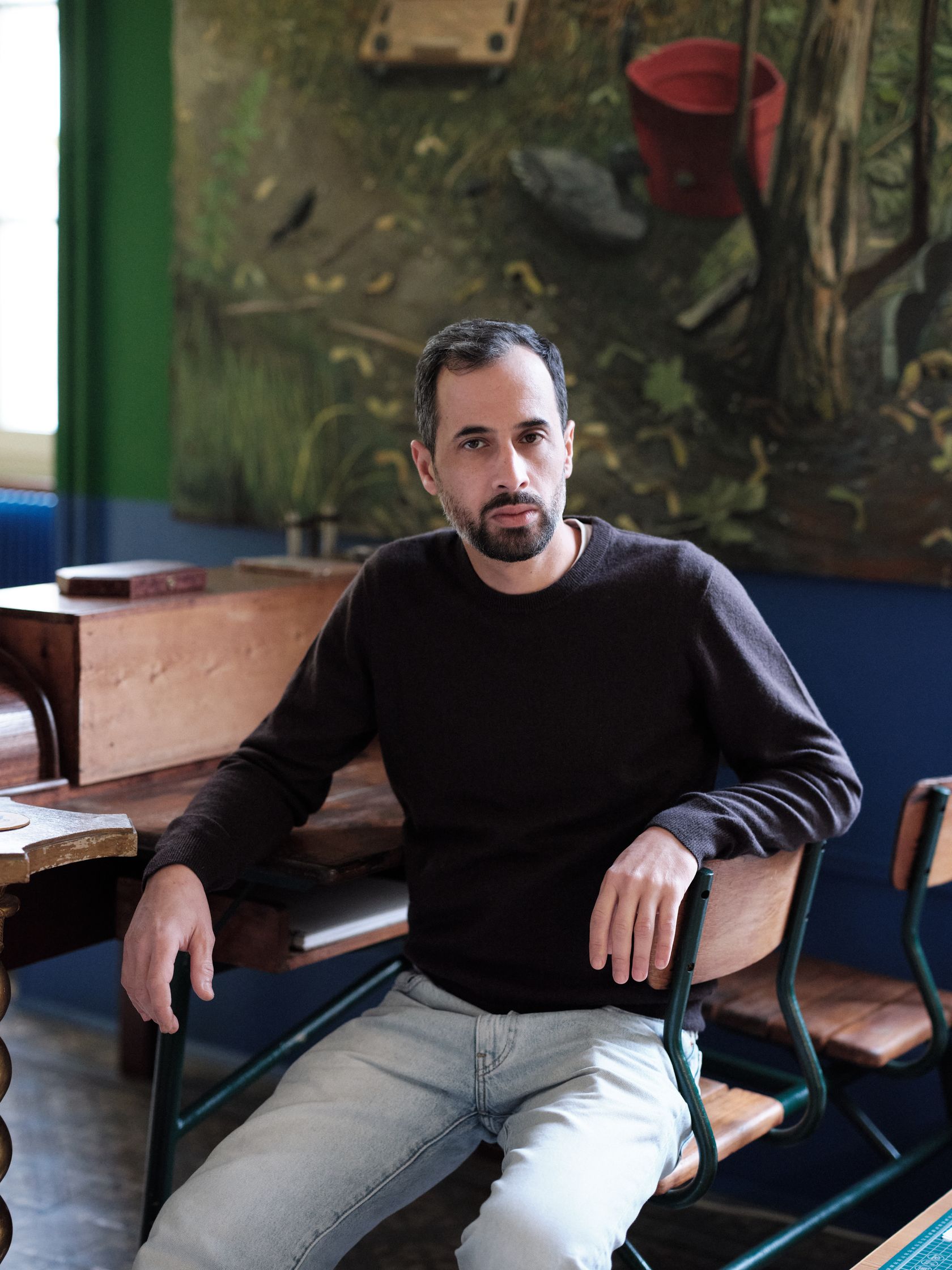
The interior scenes painted by Mathieu Cherkit are disarmingly familiar, exploring domestic life in all its trivial familiarity. Even in his self-portraits and his street, garden and plant paintings, we are struck by a strange sense of déjà vu. Yet, despite his rendering of the smallest details down to the anecdotal, his painting seems suddenly to shift into a more historical and metaphysical dimension: historical, when he cites his predecessors in the field of painting, in particular those who produced abstract works, even though his own are viscerally figurative; metaphysical, through its temporal and spatial kaleidoscope, disrupting perspective and intersecting planes in the manner of the Cubists. It is from this painting, with its subjects captured directly in thick impasto, that the Mathieu Cherkit’s tender and constantly amazed gaze on his daily life ultimately emerges.
Born in Paris in 1982 and currently living in Vallery (Yonne department in central France), Mathieu Cherkit graduated from the Nantes School of Fine Arts and the Hochshule für Grafik und Buchkunst in Leipzig, and has become a major figure of the emerging generation of French figurative painters. He was a finalist for the Jean-François Prat Prize (2013), the Science-Po Prize for Contemporary Art (2013) and the Antoine Marin Prize (2011). His works are included in numerous public collections—the Centre National des Arts Plastiques, the Museum of Modern Art in Paris, the MO.CO., the Musée Estrine in Saint-Rémy de Provence and the Musée des Avelines in Saint-Cloud. They also feature in private collections such as the Salomon Foundation and the Colas Foundation in France, as well as the Caldic Collection / Voorlinden Museum and the AkzoNobel Art Foundation in the Netherlands.
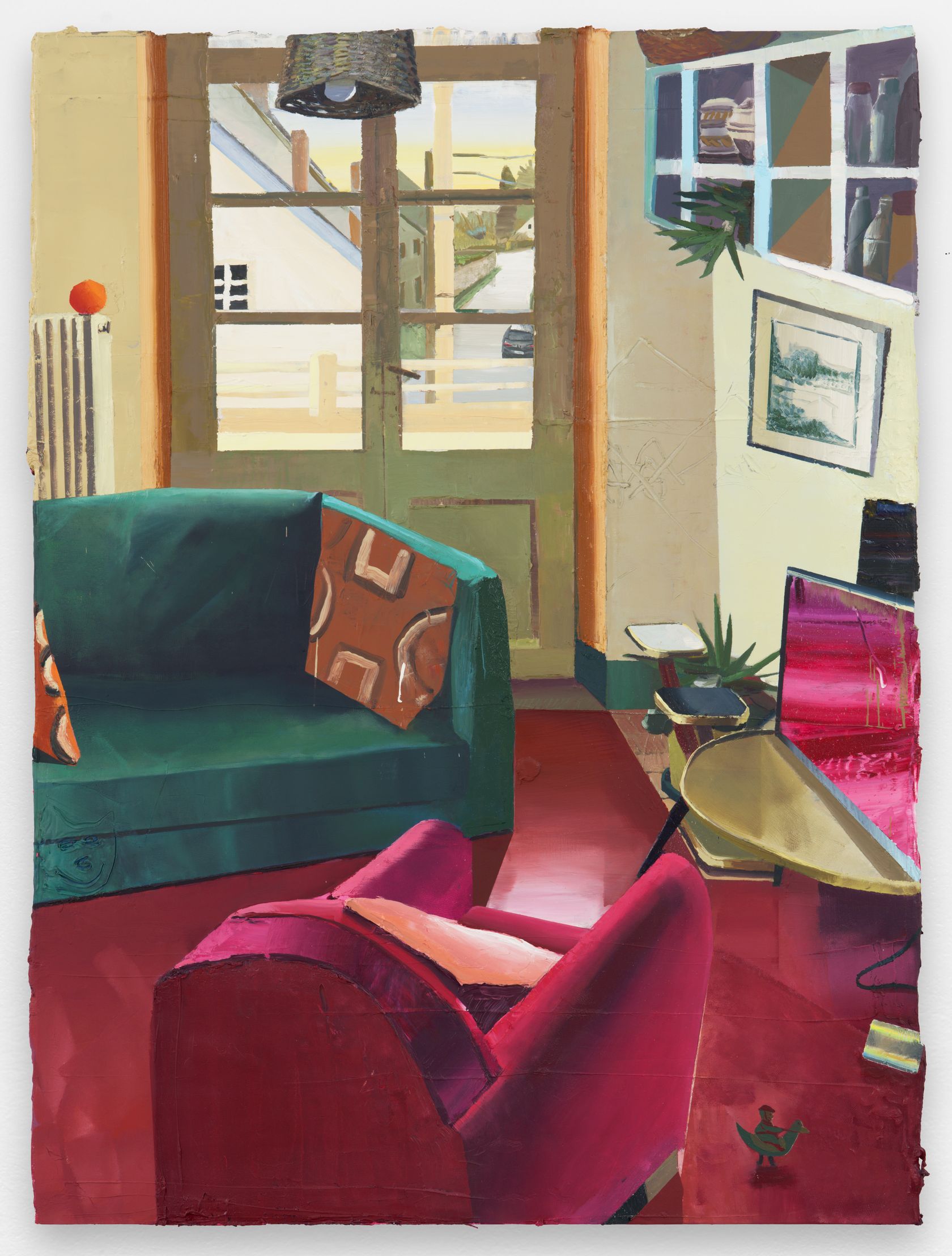
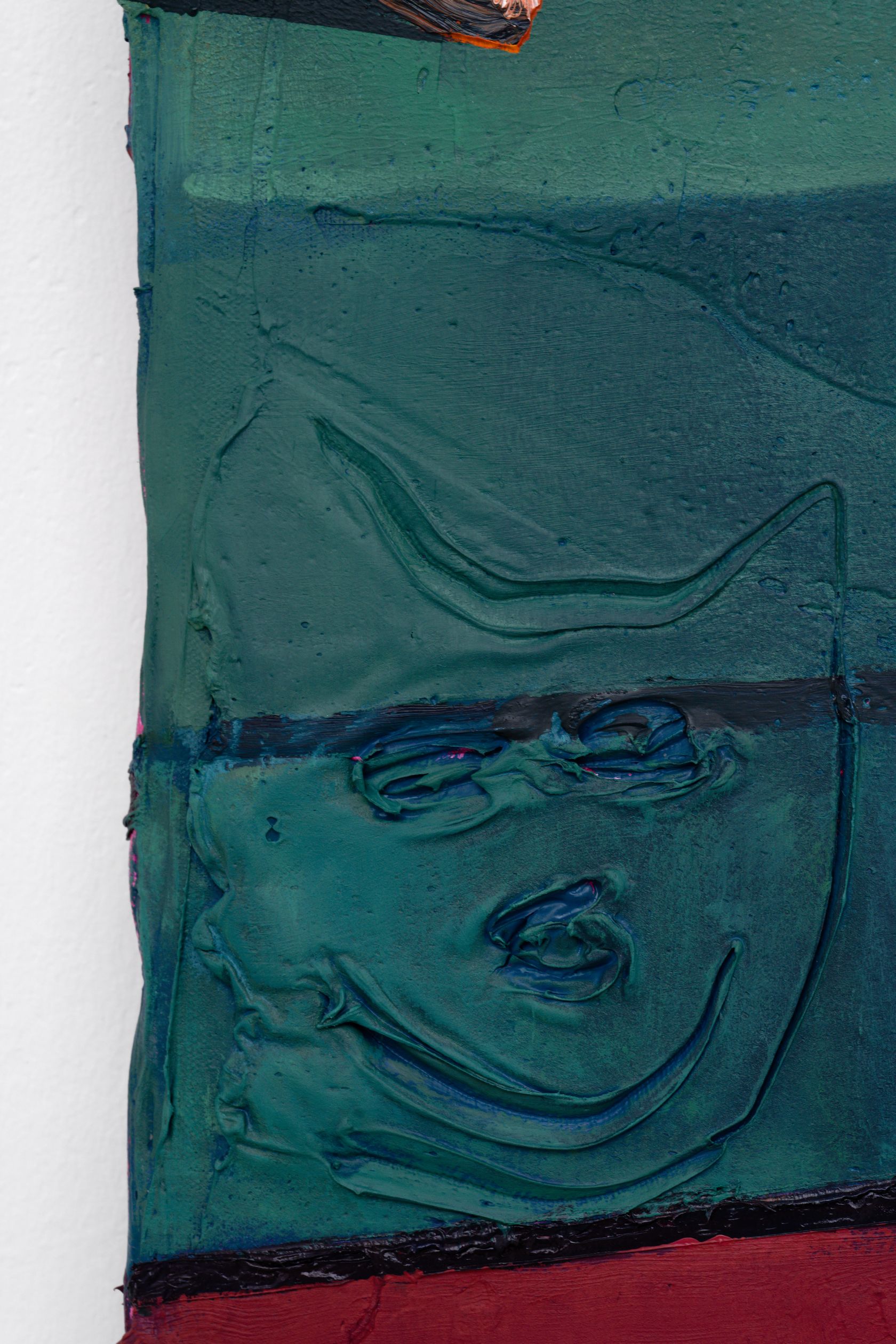
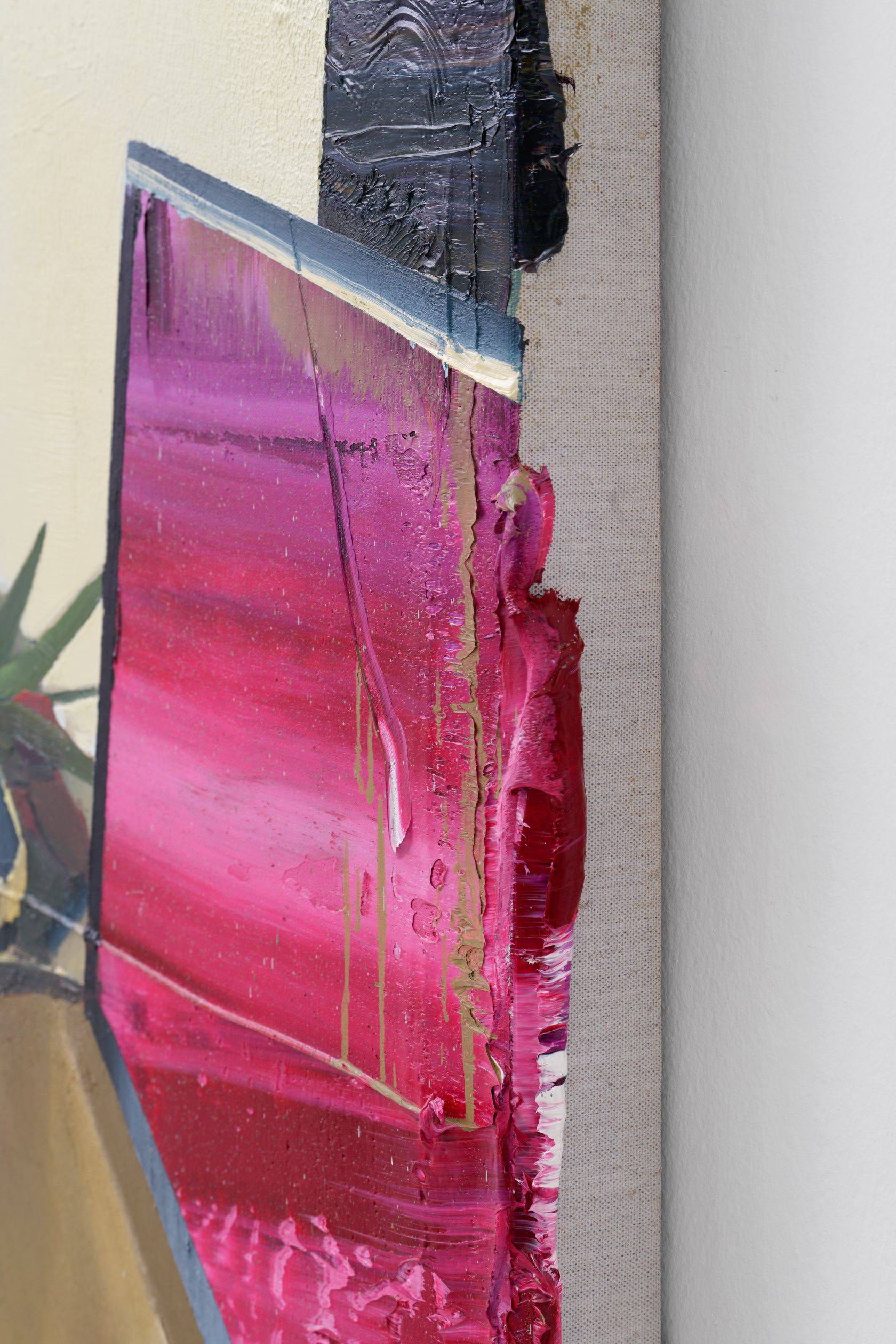
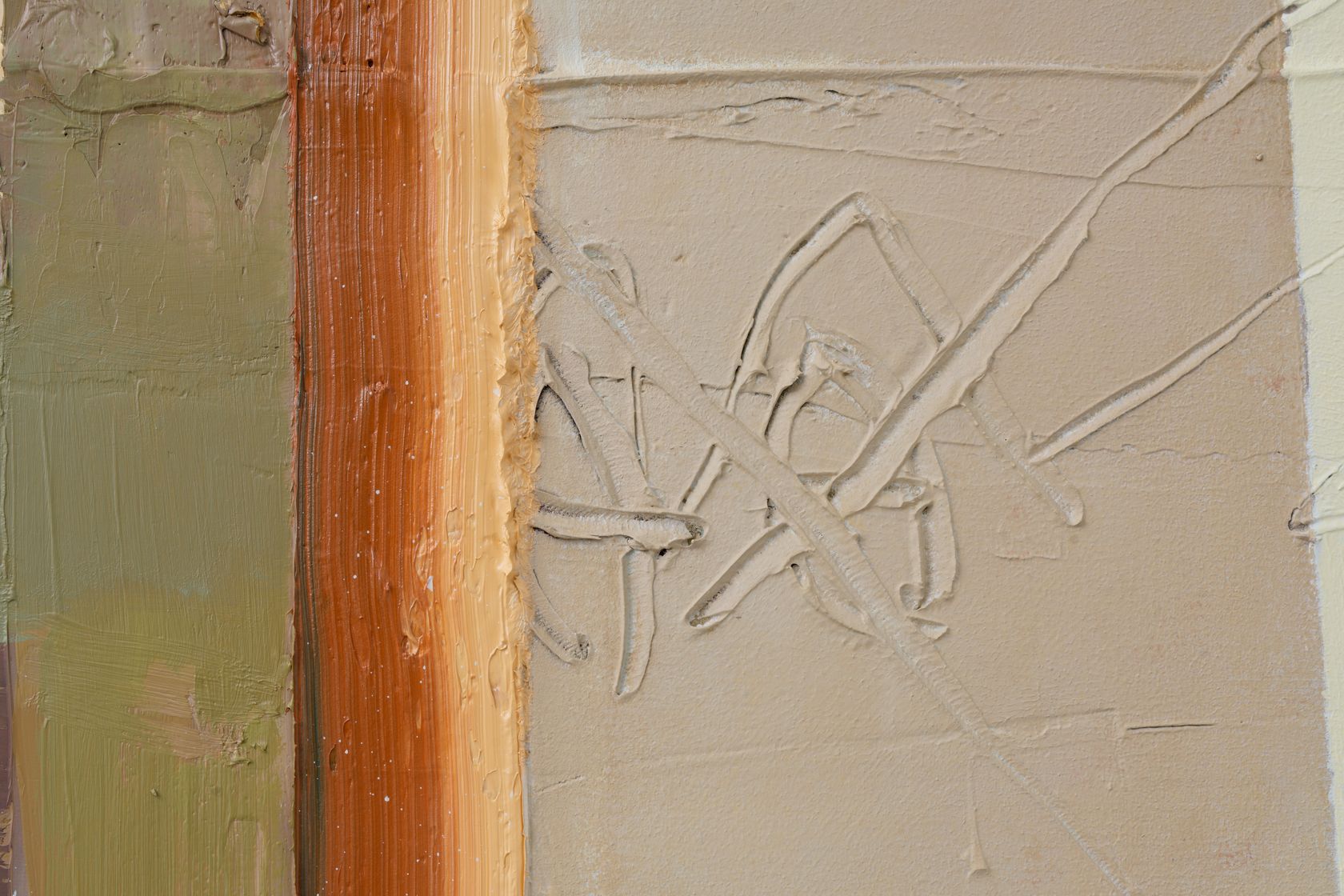
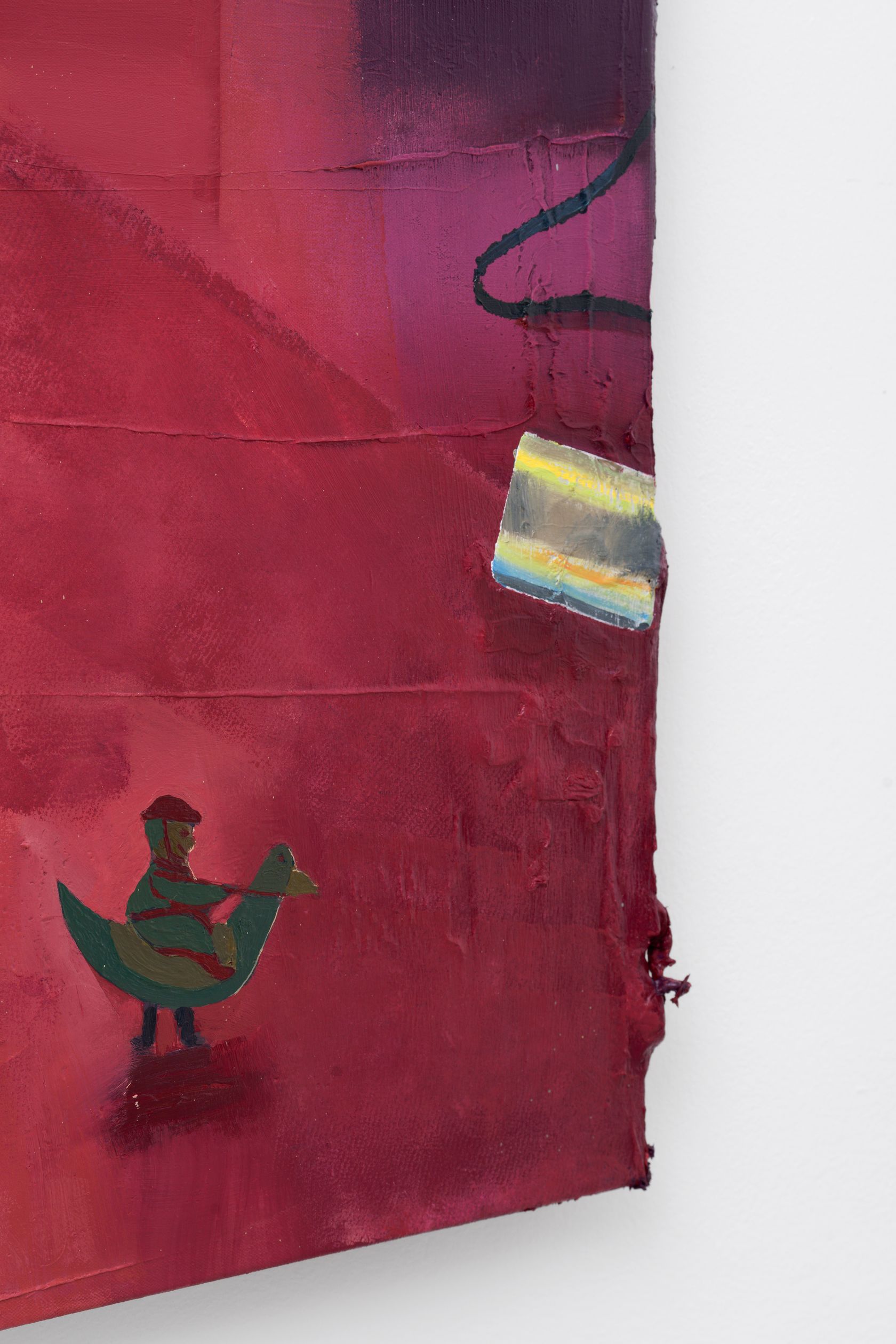
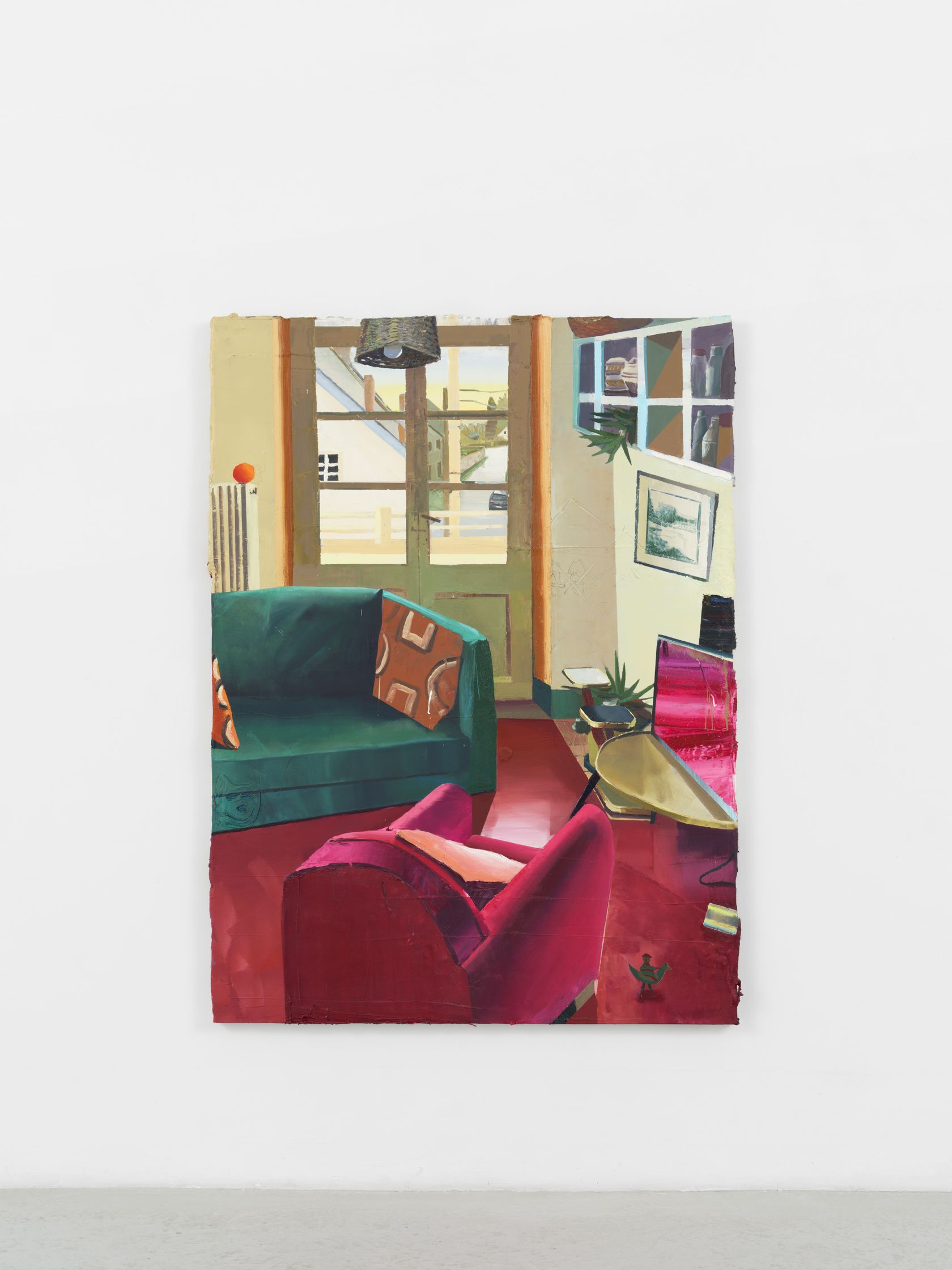
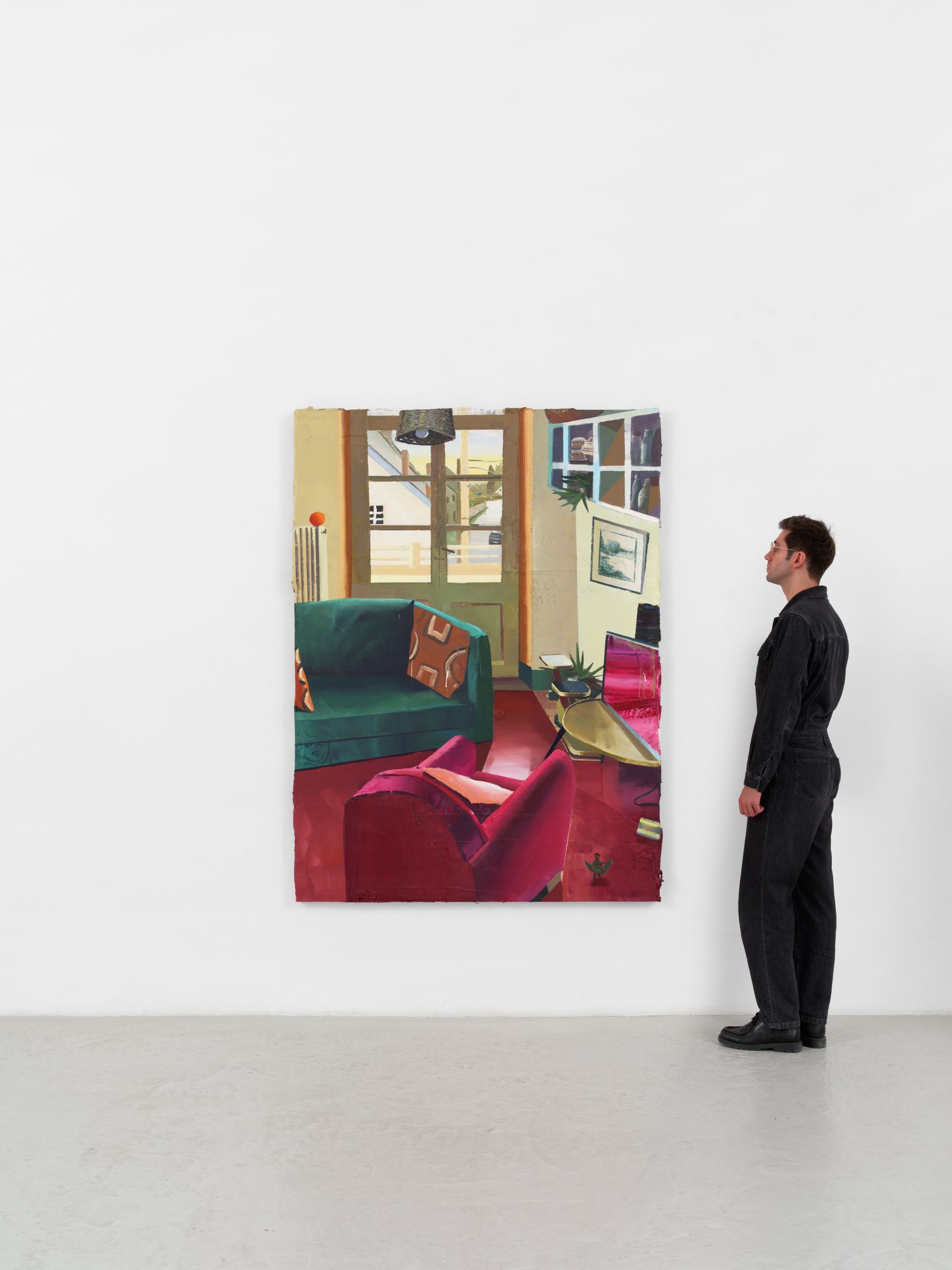
- Mathieu Cherkit
- Vortex , 2026
- Oil on canvas
-
- 190 ×
- 150 × cm
- 74 13/16 ×
- 59 1/16 × inches
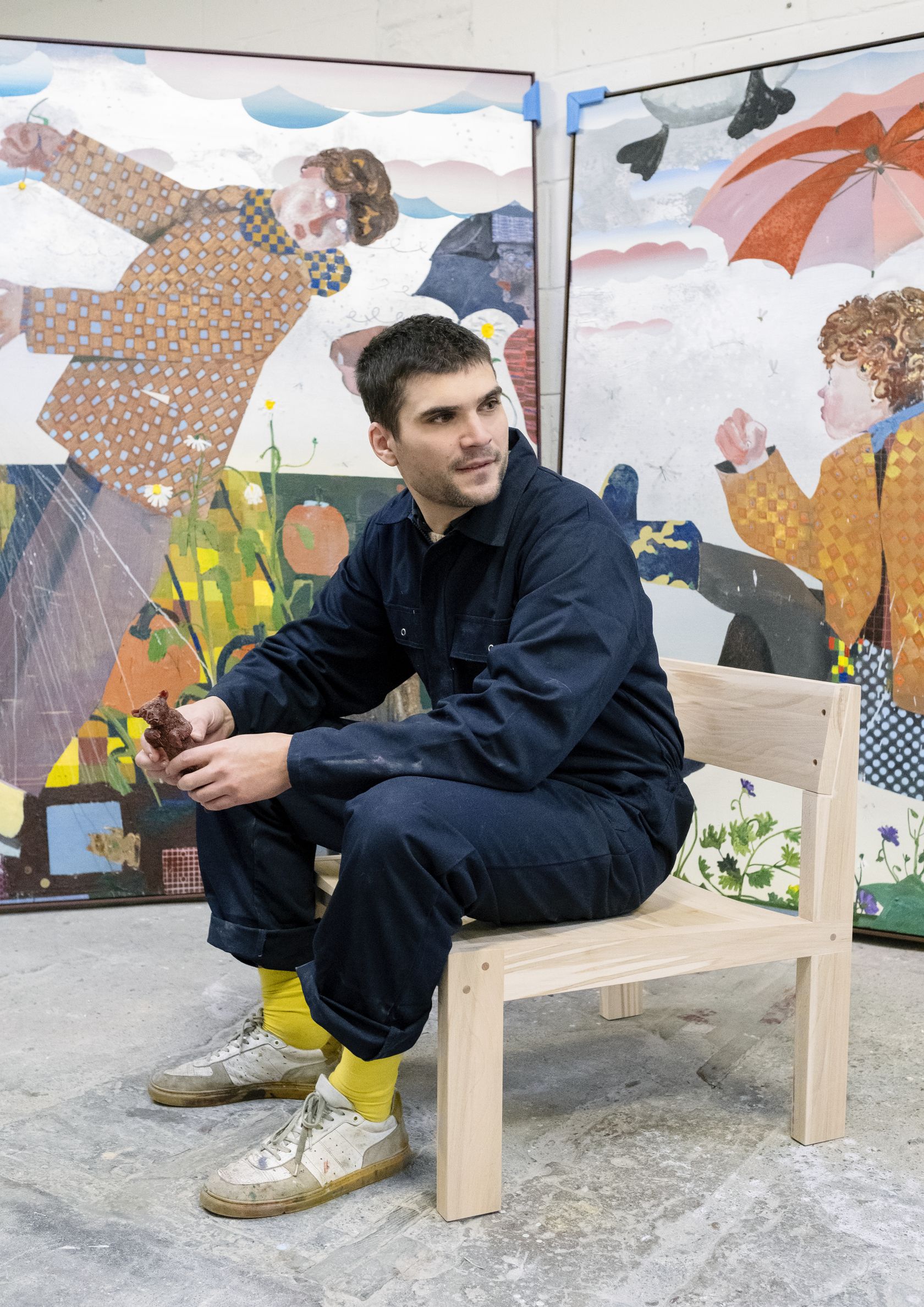
Pieter Jennes’ art is narrative in nature and his means of expression—richly colored surfaces and dense motifs in particular—are akin to illustration. The style of his work, refined by historical references to the flat perspectives of Islamic miniatures for example, or the satirical aspects of Weimar-era artists such as Georg Grosz as well as the face-to-face aspect of theatre, lend his painting a profoundly idealistic slant. The world he depicts, is set at the crossroads of the everyday and the dreamlike, a fundamentally familiar setting where dreams branch off from the ordinary. His creatures, both human and animal, still or in movement, set in landscapes that are reduced to a patchwork of patterns and textures are imbued with a variety of human emotions that range from the simplest to the most complex. Love melancholy, desire, fear… The primacy of somatic feeling is essential in Pieter Jennes’ work both in the highly tactile visual dimension of the artworks and in the moments of contact between the living beings he represents.
Born in 1990 in Mortsel, Belgium, Pieter Jennes lives and works in Antwerp. He studied painting at the Royal Academy of Fine Arts, Antwerp, as well as curatorial studies at The Royal Academy of Fine Arts & University of Gent. He has exhibited work in numerous galleries—Nino Mier Gallery (New York / Los Angeles), the Sofie Van de Velde Gallery (Antwerp), the Vacancy Gallery (Shanghai / Seoul), the PUBLIC Gallery (London)—as well as at art fairs both in Belgium and on the international stage.
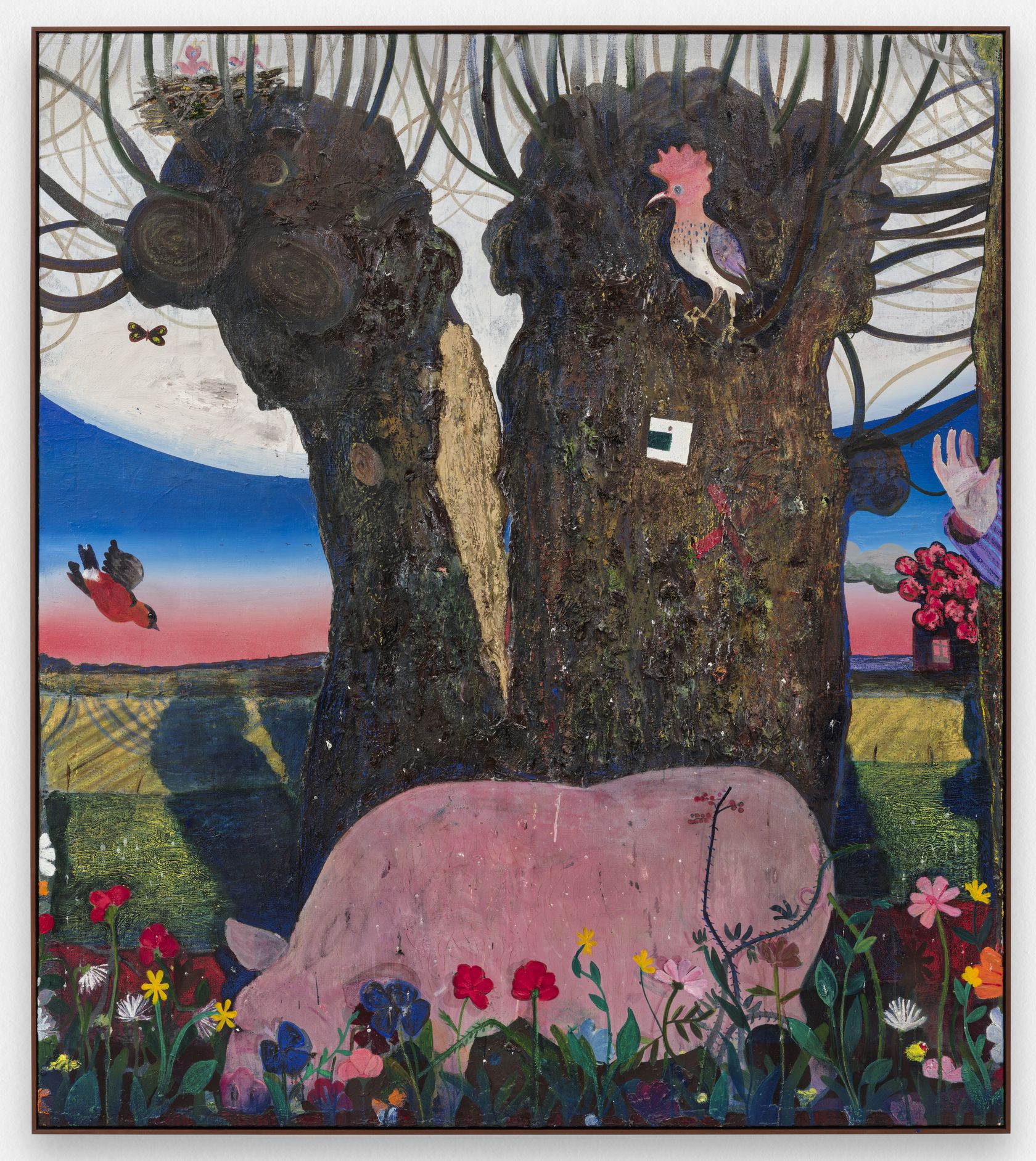
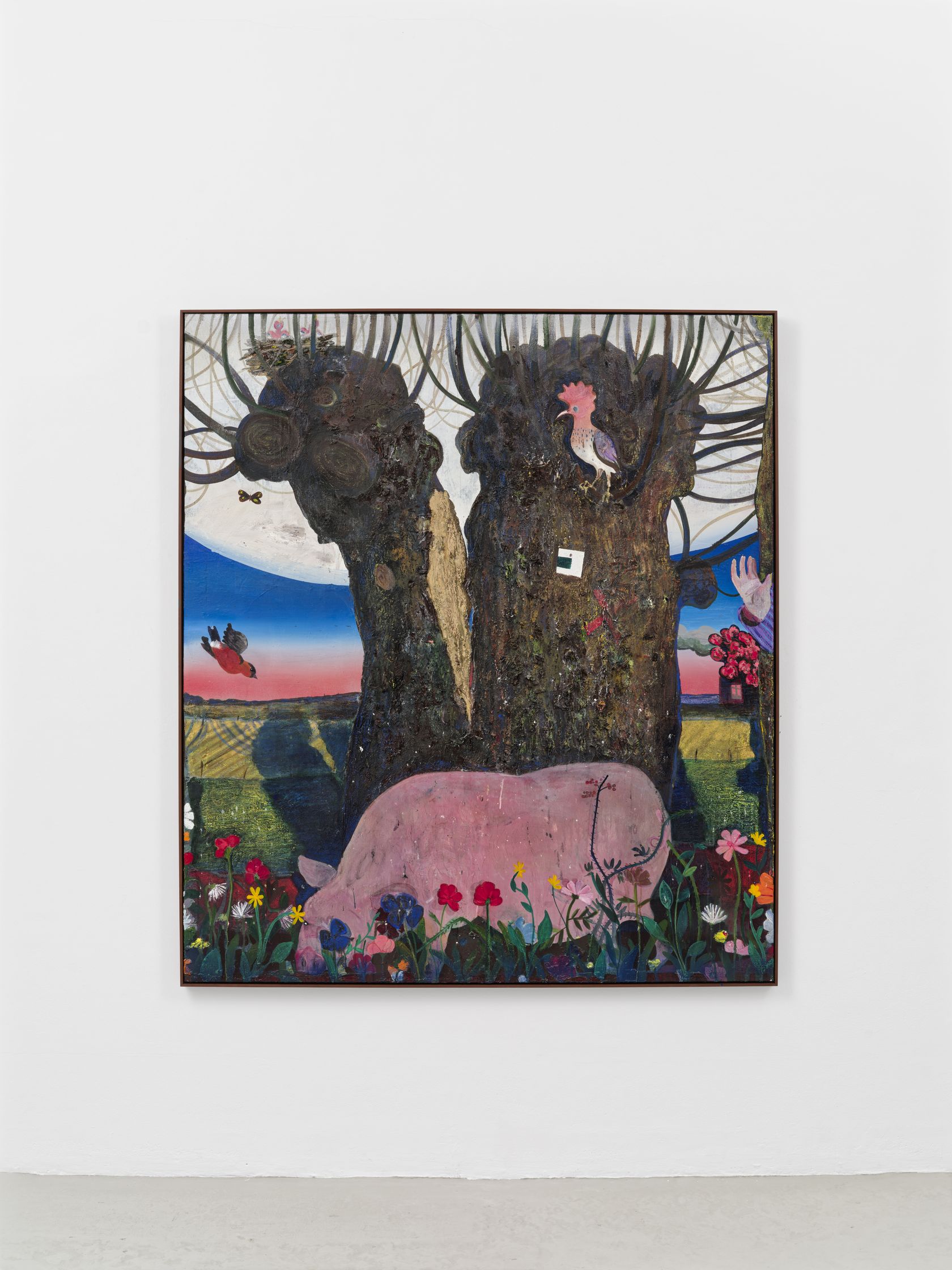
- Pieter Jennes
- The Days Go They Can't Stay , 2026
- Oil on canvas
-
- 170 ×
- 150 × cm
- 66 15/16 ×
- 59 1/16 × inches
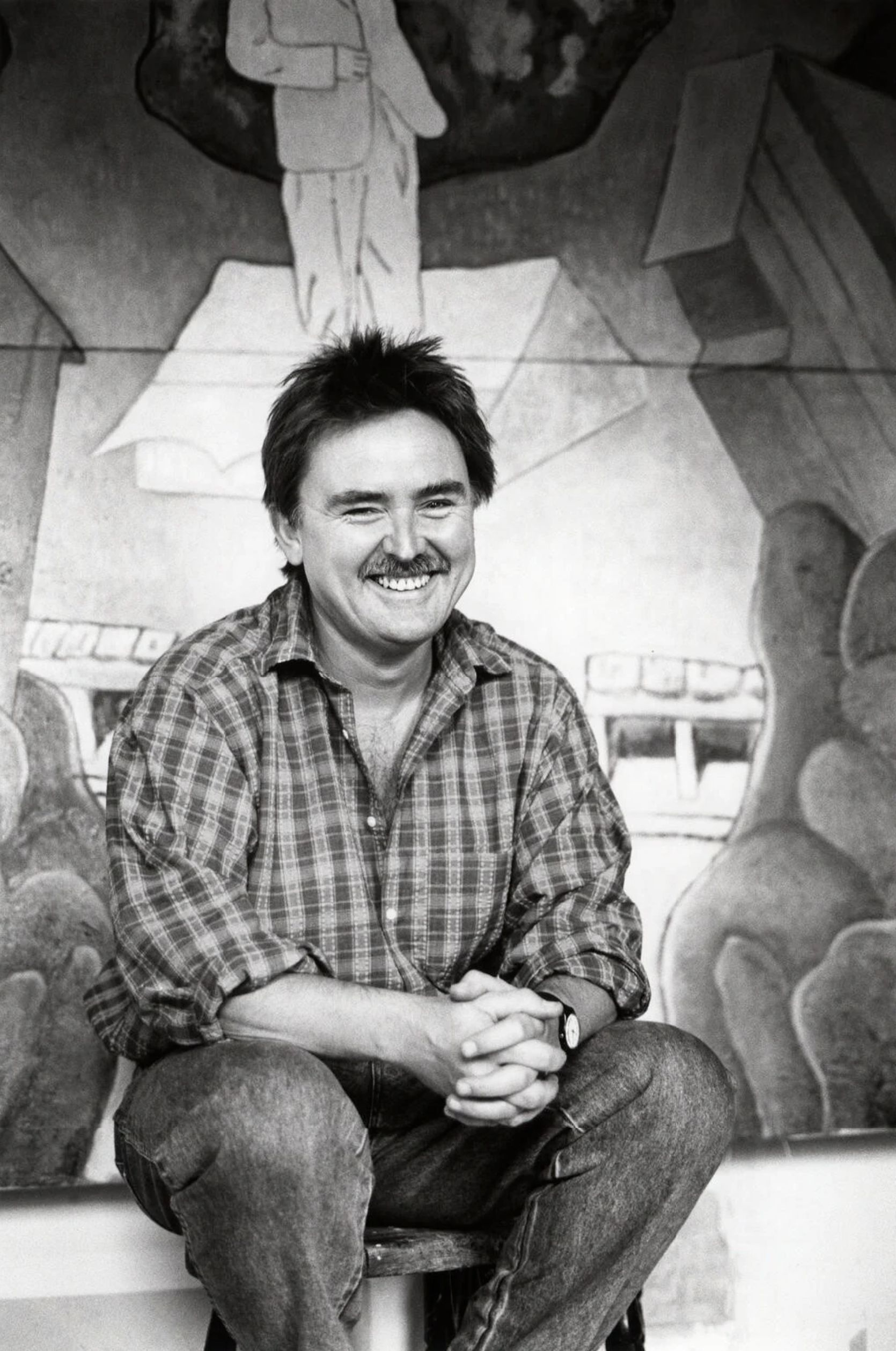
Glen Baxter’s œuvre is immediately recognisable. He has remained true to his simple and highly effective process for almost fifty years: a comic sketch is accompanied by a short, incongruous, even discordant caption. Baxter elaborates a parallel world based on a burlesque hijacking of an iconography sourced from the 1930s and 40s, which provides him with an assortment of cowboys, boy scouts and golfers in tweed. His refined prose contrasts with his seemingly outdated imagery, blending elegantly in a quest for the frisson cherished by surrealists such as de Chirico and Max Ernst. Bewilderingly nonsensical, astonishingly witty and tragi-comic, like life itself, these talkative drawings celebrate the heady rush of linguistic mishaps.
Born in 1944, in Leeds, Yorkshire, Glen Baxter attended the Leeds School of Art. After several stays in New York in the 1970s, where he was introduced to poetry through his involvement with the artistic circles of St. Mark’s Church, he finally settled in the Grosvenor Park area of South London. He taught at Goldsmiths College for around fifteen years. His work has been regularly exhibited in New York, London, Tokyo and Sidney as well as in France, where it has been shown in numerous institutions and features in around fifteen public collections including the Pompidou Centre, the National Centre for the Visual Arts (CNAP) and several Regional Contemporary Art Collections (FRACs). His oeuvres are also included in the collections of the Tate Gallery, the Victoria & Albert Museum in London and the MoMA in New York. His drawings have regularly graced the pages of the New Yorker, Vanity Fair, The Observer and Le Monde. He has also published some fifty books.
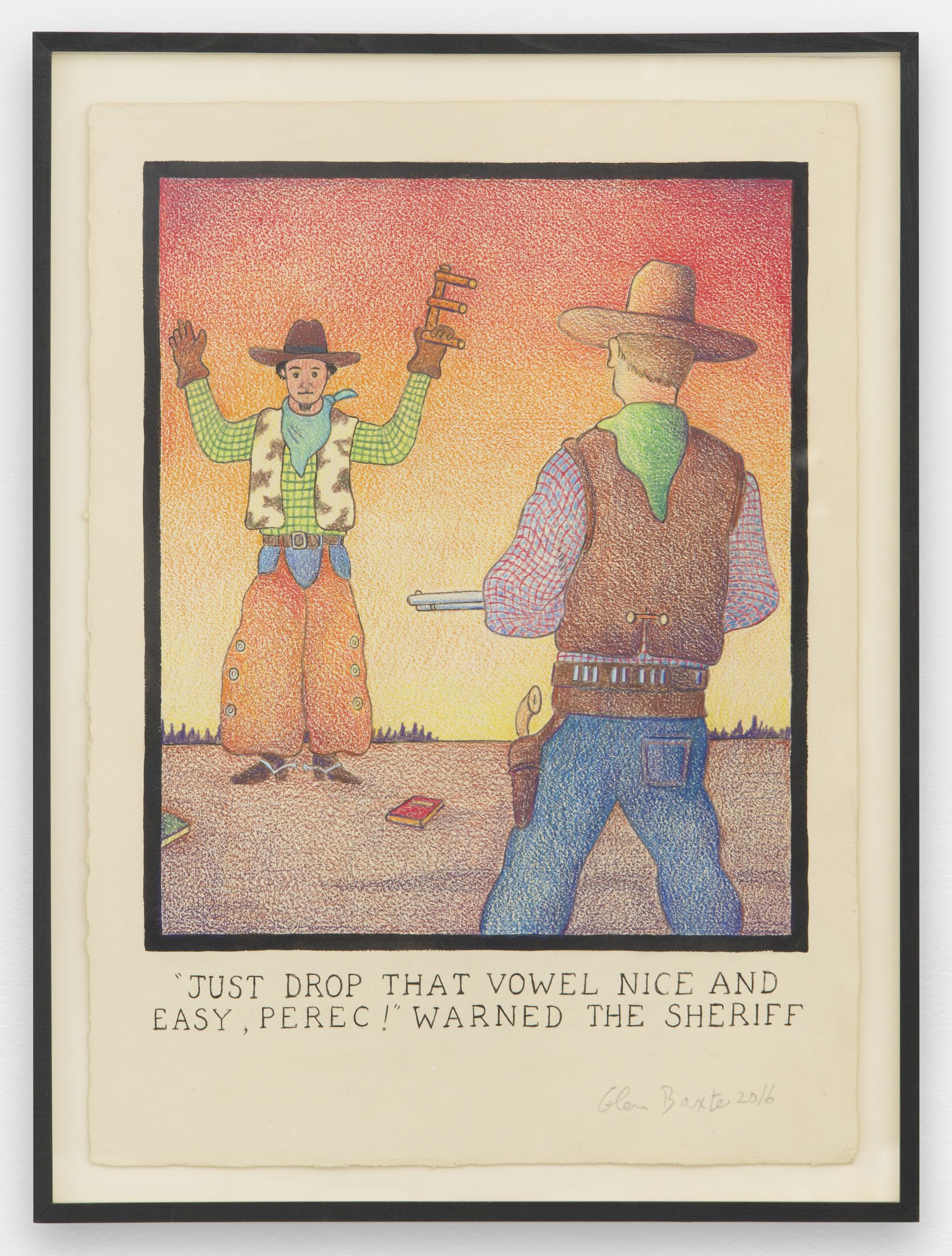
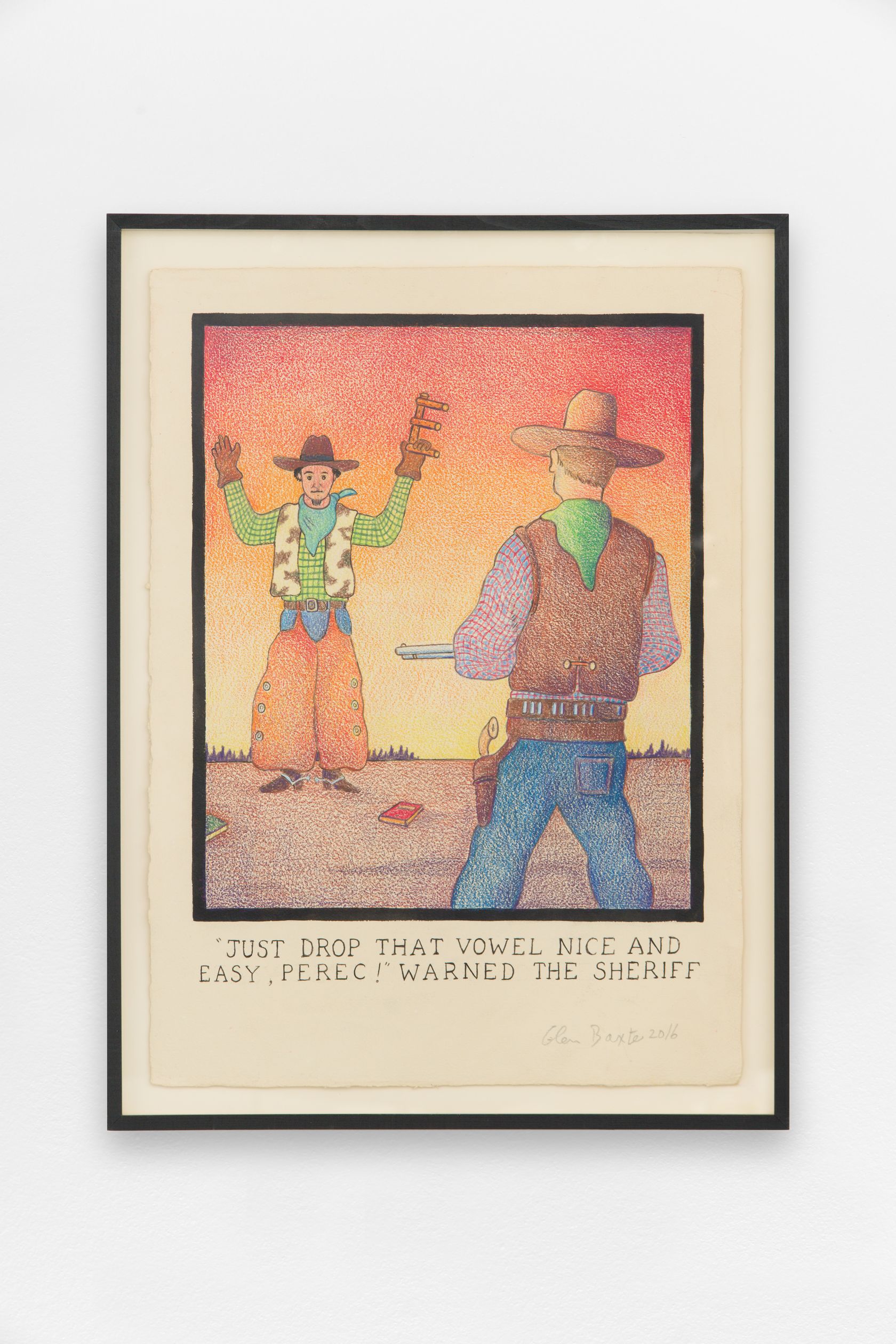
- Glen Baxter
- "Just drop that vowel nice and easy, Perec!" warned the sheriff , 2016
- Ink and pencil on paper
-
- 79 ×
- 57 × cm
- 31 1/8 ×
- 22 7/16 × inches
- unframed
- 88.5 ×
- 66 ×
- 3.5 × cm
- 34 13/16 ×
- 26 ×
- 1 3/8 × in
- framed
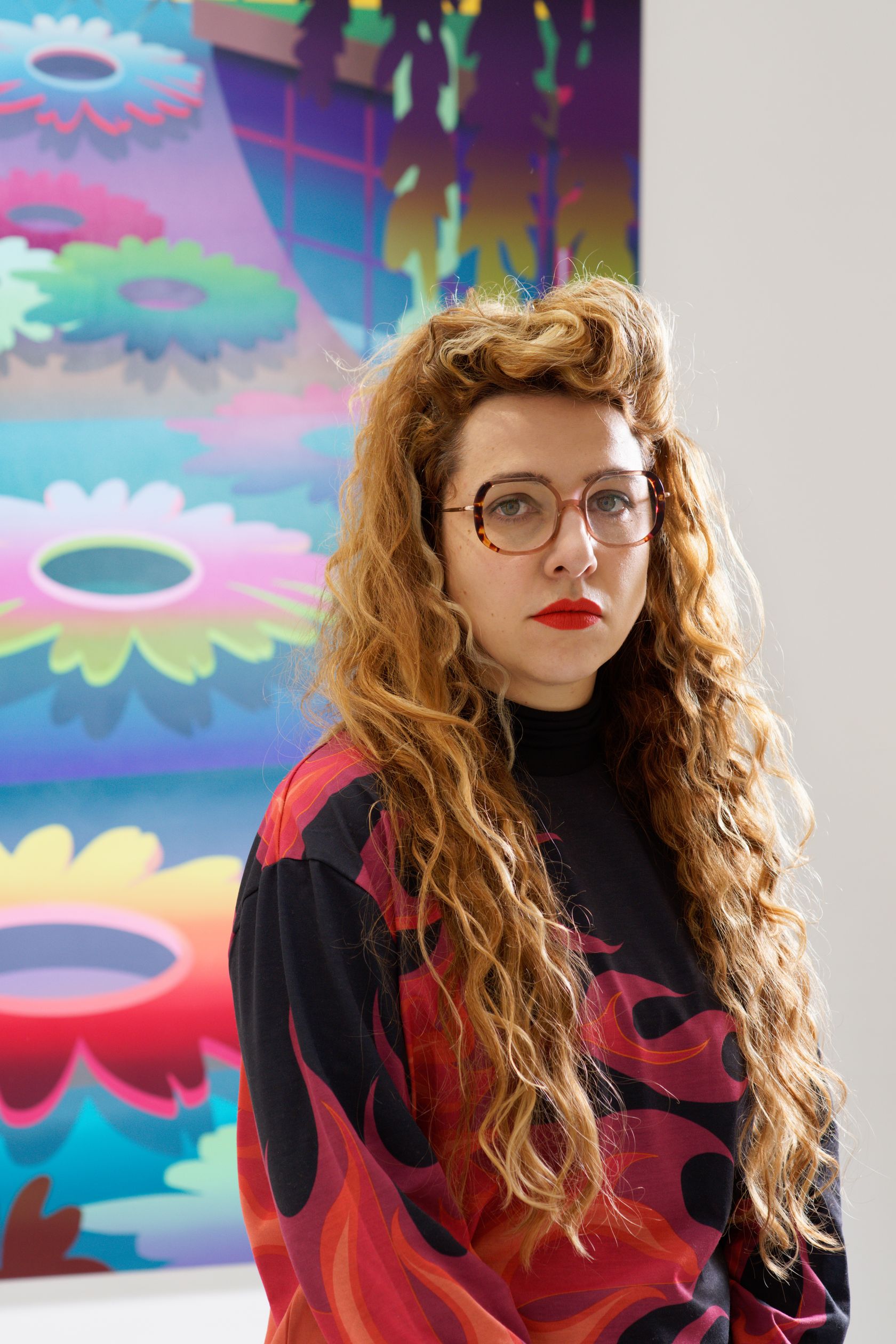
By means of her impeccably smooth execution, Amélie Bertrand (born in 1985) is able to distance herself from ideal landscapes inspired by nature, and shape decors that fall somewhere between dreams and nightmares. The planes and surfaces of her works are assembled in a complex and meticulous manner, branching out into skewed perspectives and shallow horizons. All kinds of materials and motifs typical of our era saturate her compositions: OSB, laminates, wire mesh, tiles, fleecing, chains, foliage, camouflage etc. Colors are applied in gradients, yet always as a single layer, as if trapped on the surface of an impenetrable screen. Amélie Bertrand creates an atmosphere of déjà-vu, a contemporary ambience that is both psychological and physical within the confined space of the painting. As the missing link between Giotto and West Coast art, Amélie Bertrand combines the great traditions with synthetic psychedelia, transforming contemporary visual culture into carefully controlled constructs of flat tints.
In 2024, the Musée de l’Orangerie in Paris devoted a monographic exhibition to Amélie Bertrand, and a second one is scheduled for 2026 at the Musée d’art et d’archéologie in Valence. She has recently enjoyed solo and group exhibitions at the Bally Foundation, Lugano (CH), the Centre d’art contemporain de la Matmut-Daniel Havis, Saint-Pierre-de-Varengeville (FR), the Maison des arts, Malakoff (FR), the Centre d’art contemporain de Meymac (FR), the Kunstwerk Carlshütte, Büdelsdorf (DE), the Ecole Municipale des Beaux-Arts, Châteauroux and the Musée des Beaux-Arts de Dole (FR). Her oeuvres are included in public and private collections such as the Thyssen-Bornemisza Art Contemporary, the MAC VAL, Vitry-sur-Seine (FR), the CNAP, Paris (FR), the FRAC Limousin, Limoges (FR), Les Abattoirs Musée – Frac Occitanie Toulouse (FR) and the Musée de l’Abbaye Sainte Croix, Les Sables-d’Olonne (FR).
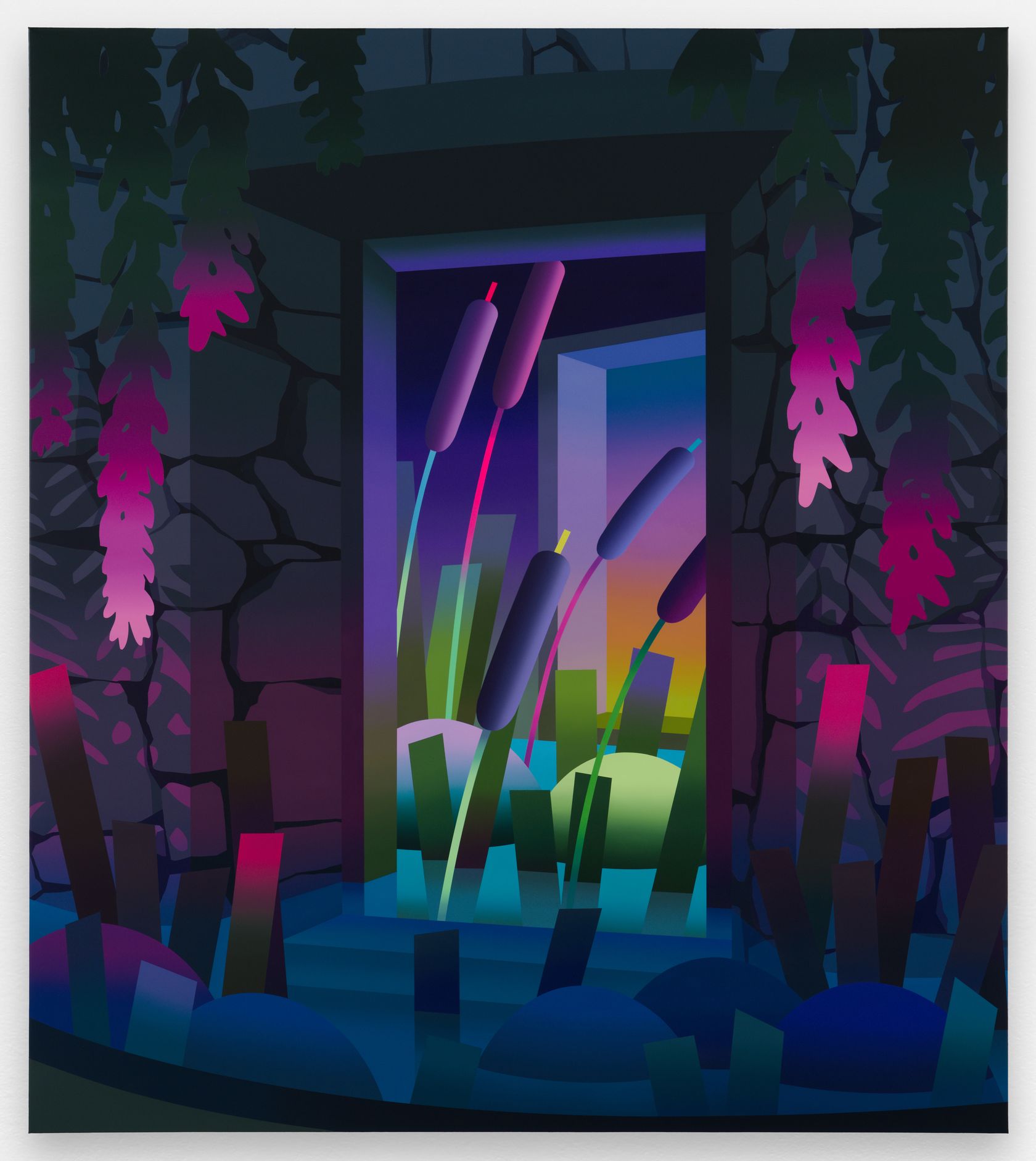
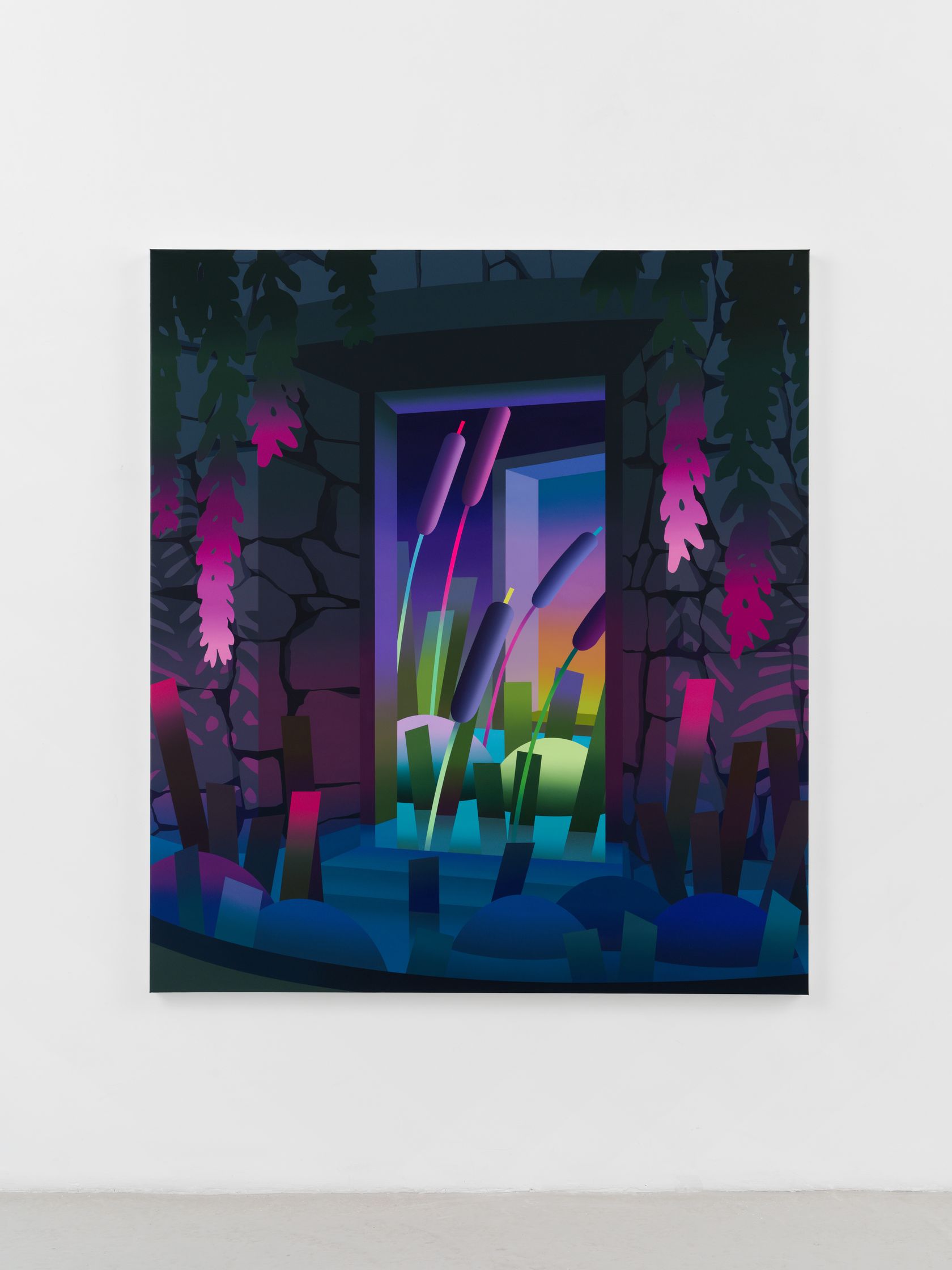
- Amélie Bertrand
- When the day is down , 2025
- Oil on canvas
-
- 180 ×
- 160 × cm
- 70 7/8 ×
- 63 × inches
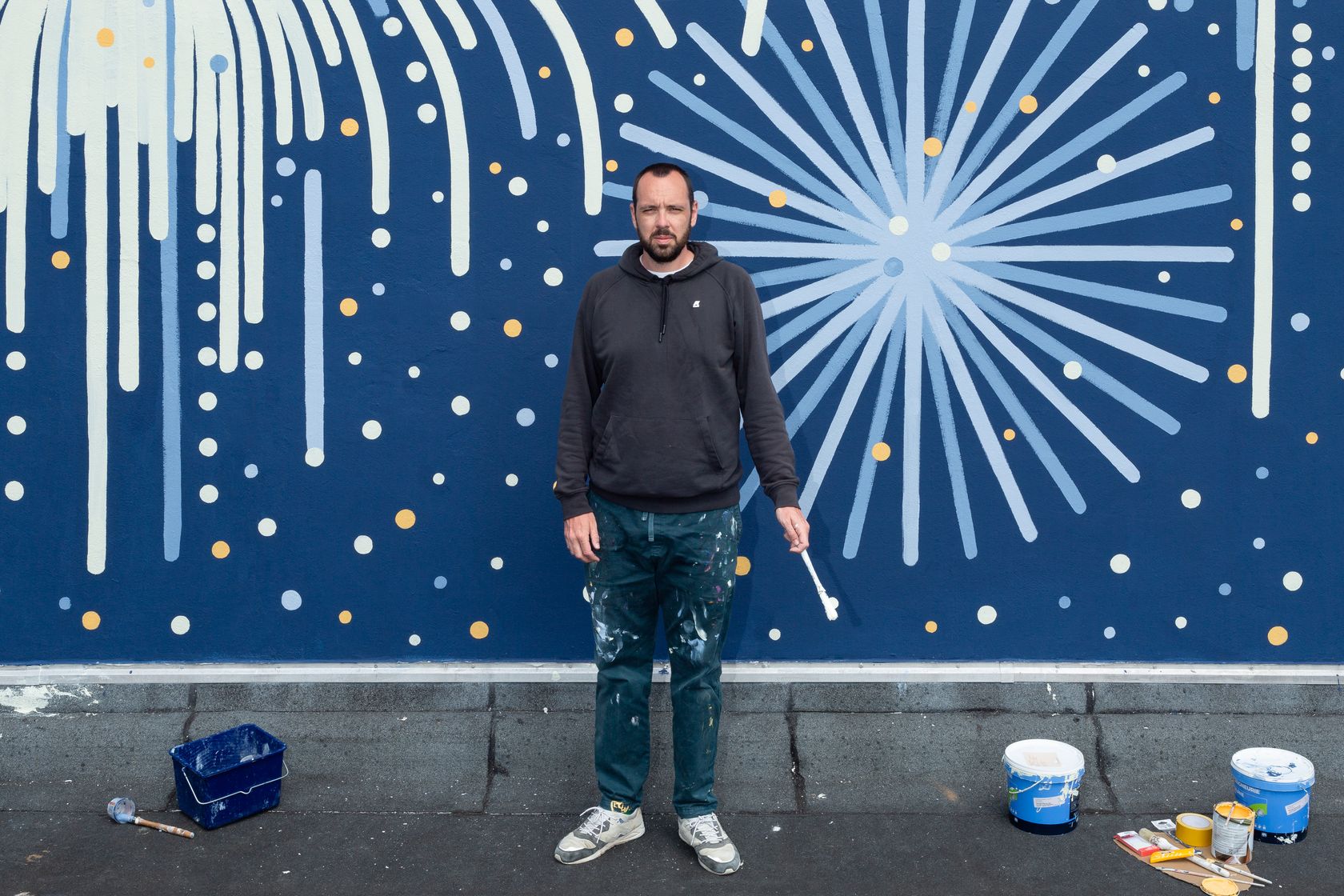
Issu d'une formation d'imprimeur, Hugo Capron décline en peinture le plaisir de reproduire une même image dans de longues séries qui cherchent à épuiser toutes les possibilités de variation. Ses tableaux sont généralement réalisés d'un seul jet et sans repentir, mais reposent néanmoins sur des équations techniques de précision. Longtemps intéressé par les correspondances entre un volume de peinture et une surface de toile à recouvrir, son retour de la villa Kujoyama en 2019 a amené un point de rupture. Ses œuvres ont commencé à représenter des sujets souvent classiques et anonymes, empruntés à l'histoire de l'estampe et à celle de la peinture.
Les palettes d'Hugo Capron résultent de fines investigations chez des fournisseurs du monde entier à la recherche des nuances les plus justes. Sur la toile, elles se révèlent dans une gamme de matières, de jus et de surépaisseurs lumineuses qui font valoir la vitesse de l'exécution. Le geste est quasiment calligraphique, c'est une mêlée de virgules et de boucles.
Hugo Capron (né en 1989), vit et travaille à Dijon (FR). Il est diplômé de l’École Nationale Supérieure d'Art et de Design de Dijon. En 2021, il est le lauréat de la 8ème édition de la Bourse Révélation Emerige. Son travail a été exposé dans de nombreuses expositions collectives et individuelles à l’Hôtel des Arts, Toulon (FR), au Centre Régional d’Art Contemporain de Montbéliard (FR), à la Collection Yvon Lambert, Avignon (FR), au Frac Bourgogne, Dijon (FR) et au Consortium, Dijon (FR). Ses œuvres figurent dans diverses collections privées et institutionnelles françaises et internationales.
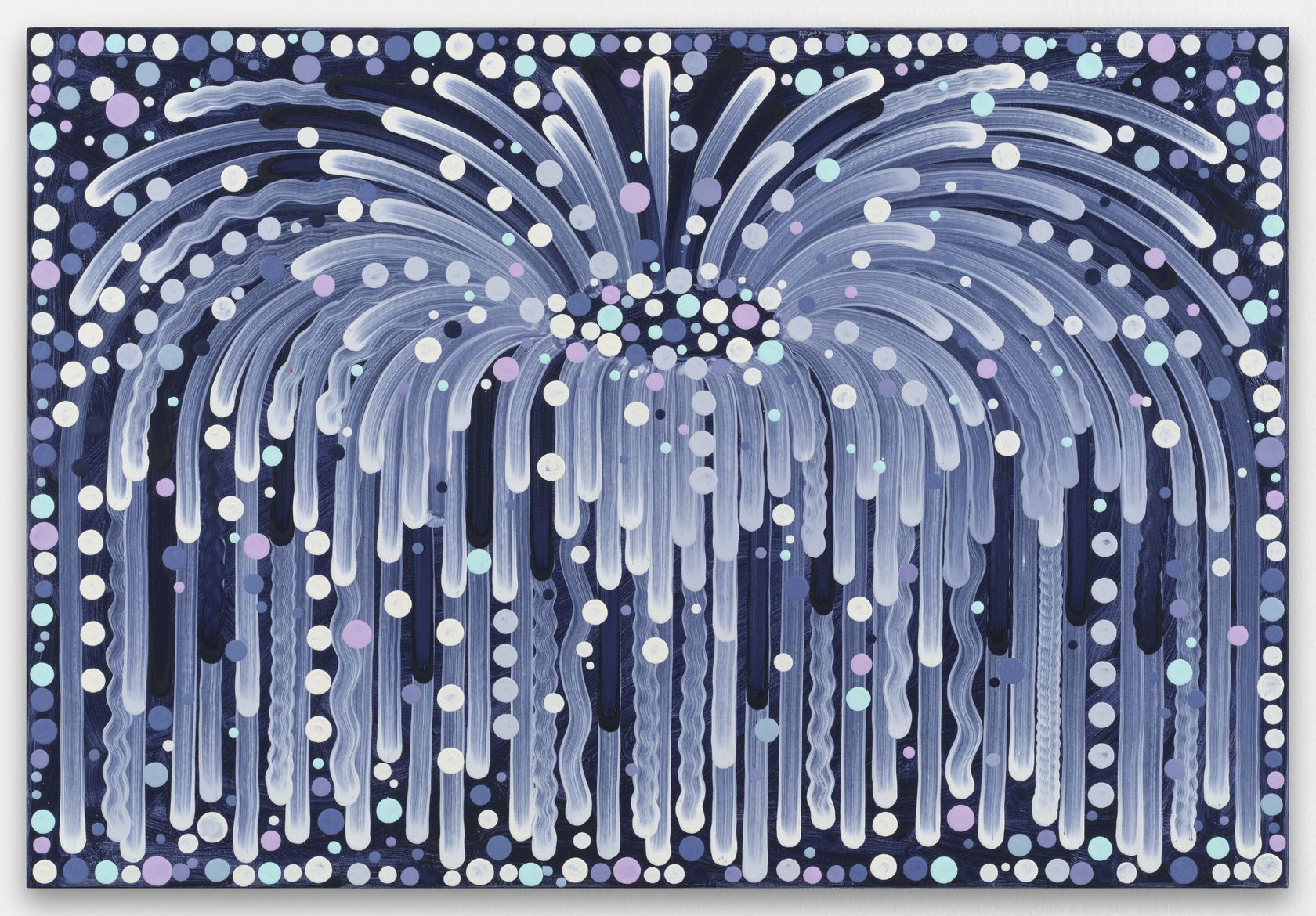
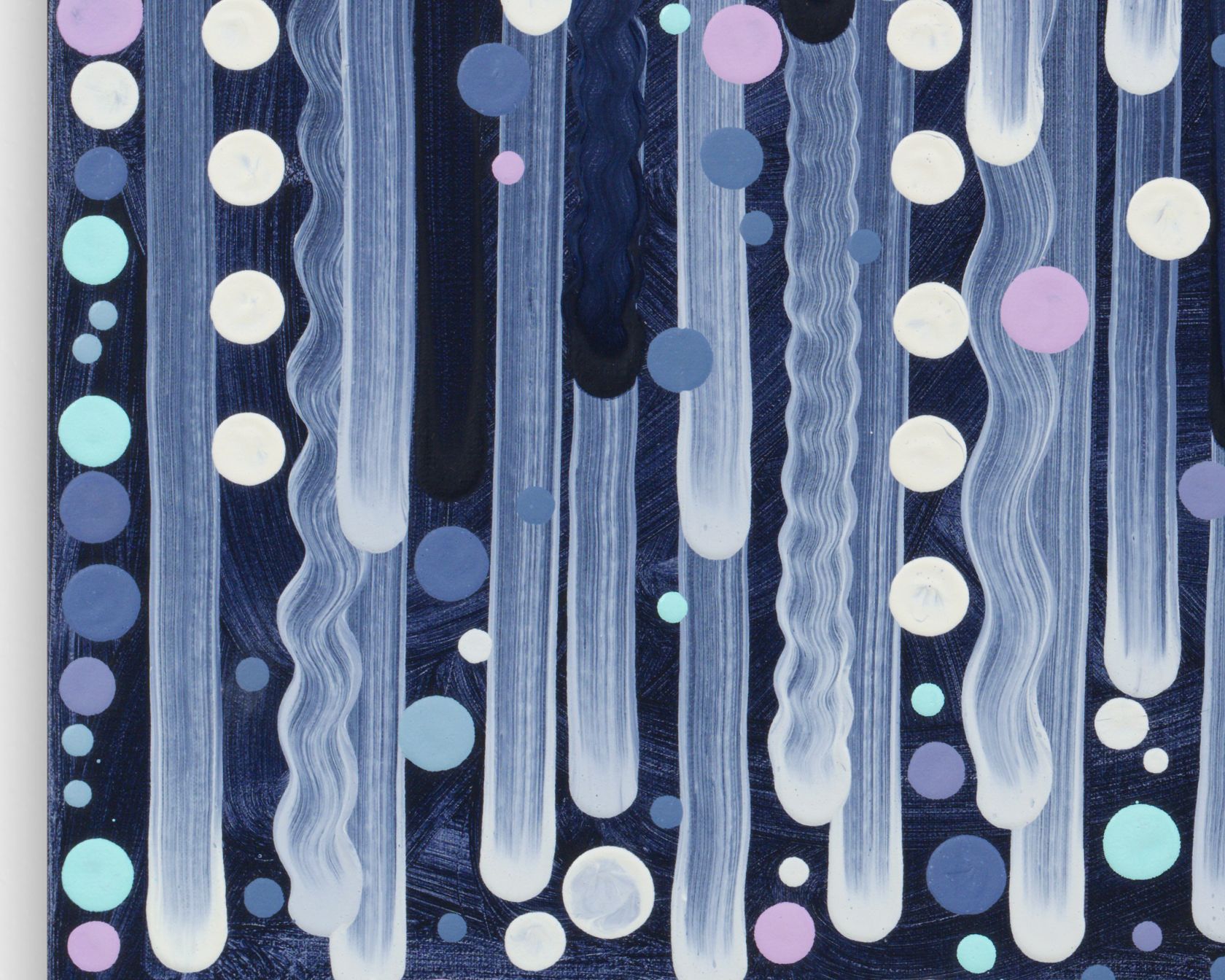
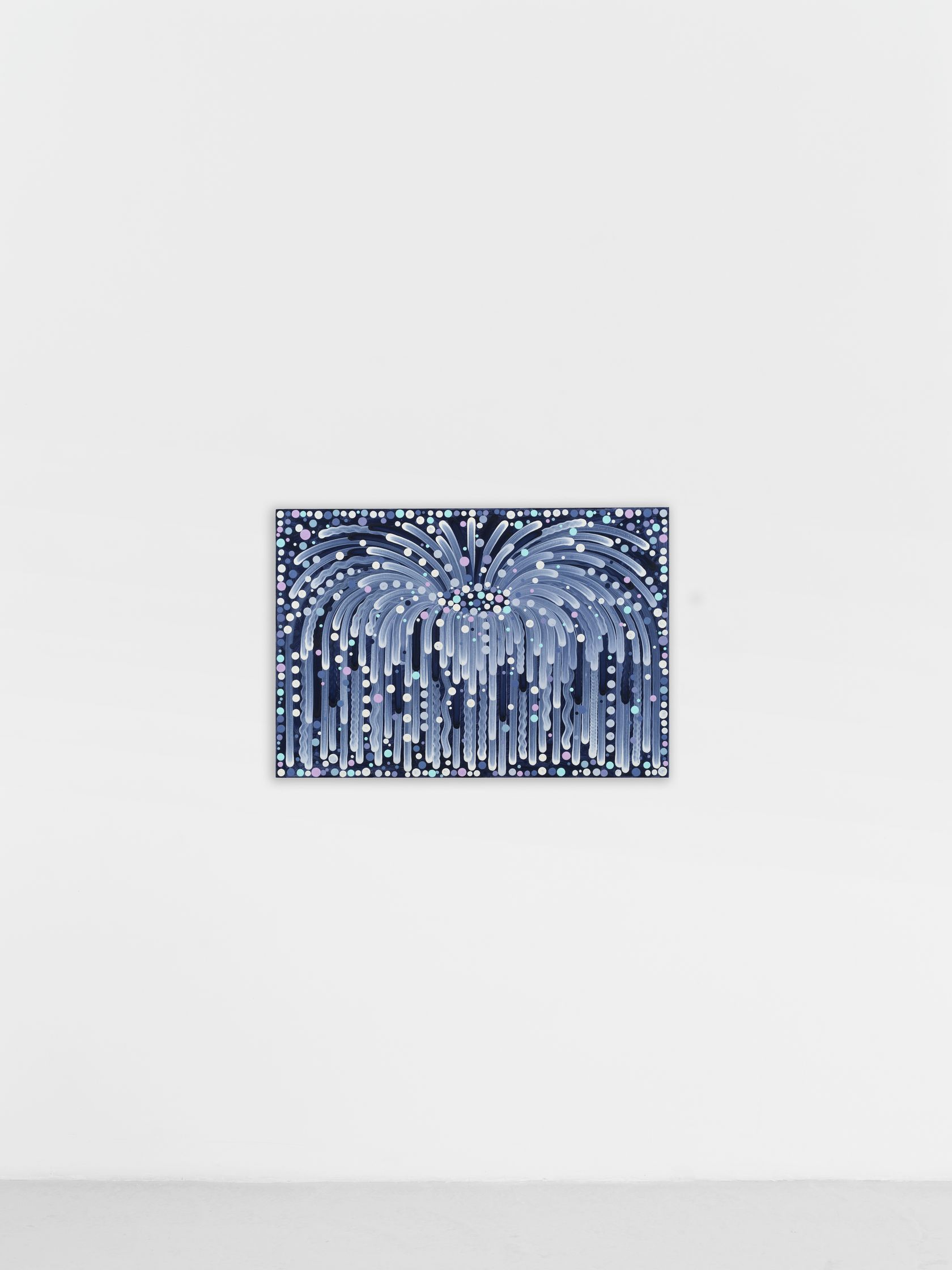
- Hugo Capron
- Feu d'artifice (French riviera) , 2025
- Oil on canvas
-
- 75 ×
- 110 × cm
- 29 1/2 ×
- 43 5/16 × inches
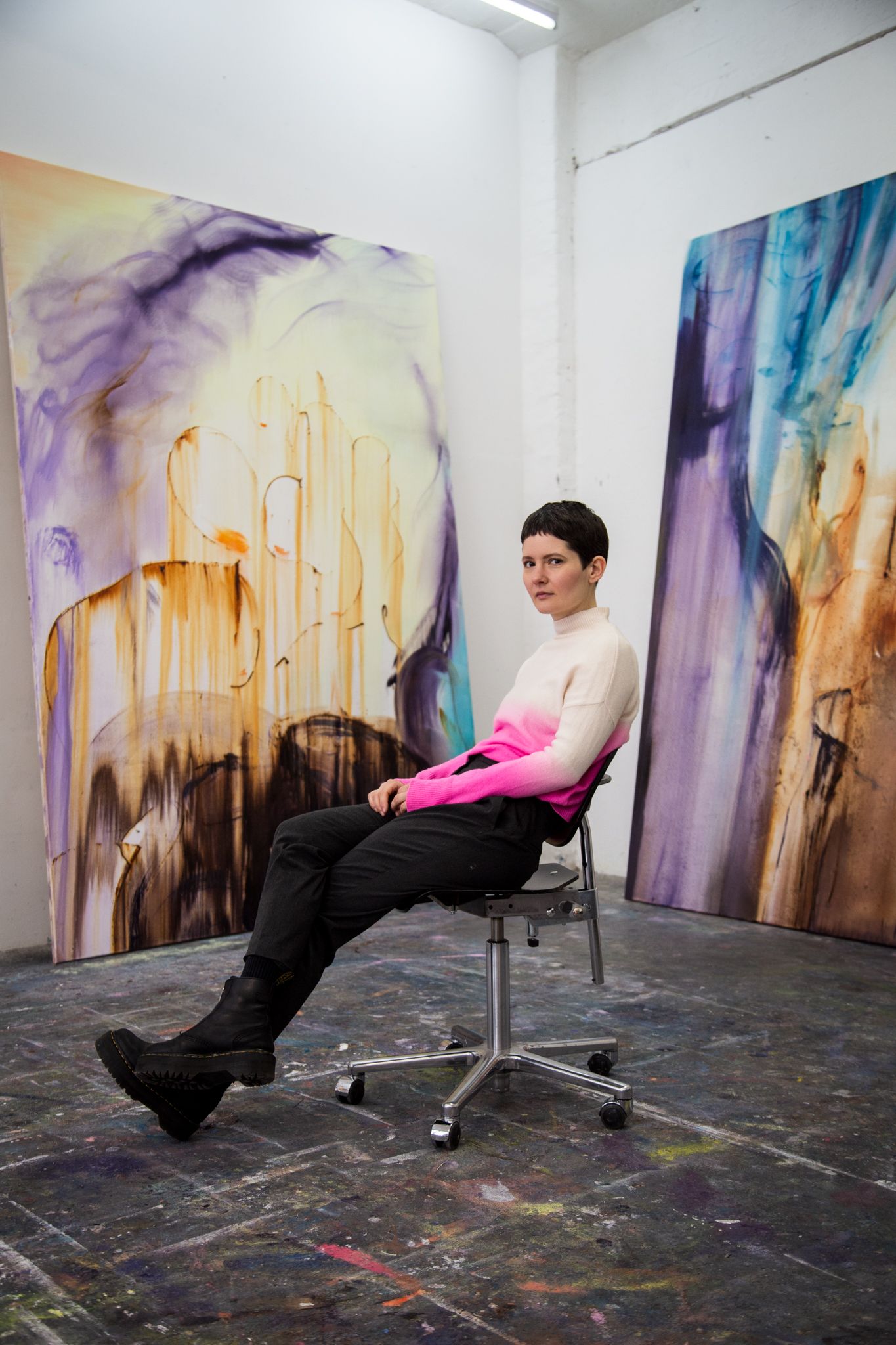
More abstract than CoBrA, more colorful than Joyce Pensato, Aneta Kajzer’s work sits assuredly in the ranks of Bad Painting. It eschews the normative concepts of the image, alternating between seriousness and humor and daringly treading the borderline between beauty and ugliness. Her deformed, diverse and sometimes-contradictory figures allow the spectator some insight into the artist’s social preoccupations: it is of no consequence if some things remain unresolved, as long as they exist. Her artistic process begins with her choice of colors and strokes, from which at first transitory forms emerge that constantly evolve before finally taking on their definitive shapes. In constant dialog with the motifs that appear on her canvases, Kajzer alternates between planned and intuitive gestures. She creates conflicting arrangements between abstraction and figuration, combining contradictory forms of expression. Often a perfectly placed comma of paint resolves the conundrum of the image as a whole, making full use of the phenomena of pareidolia and suggestive association.
Aneta Kajzer was born in 1989 in Katowice in Poland and lives and works in Berlin. She graduated from the Kunsthochschule Mainz and was awarded a residency at the Künstlerhaus Bethanien in Berlin. In 2018, she participated in the Goldrausch Künstlerinnenprojekt, a development program for female visual artists. Her work is regularly exhibited, particularly in shows dedicated to the contemporary rejuvenation of German art such as Now ! Painting in Germany Today in Deutschland, shown at the Deichtorhallen Hamburg, Kunstmuseum Bonn, Kunstsammlung Chemnitz and Museum Wiesbaden in 2019-2020. She has also enjoyed numerous solo exhibitions, most notably at the Conrads Gallery in Düsseldorf, the Künstlerhaus Bethanien and the Institut für Moderne Kunst in Nuremburg.
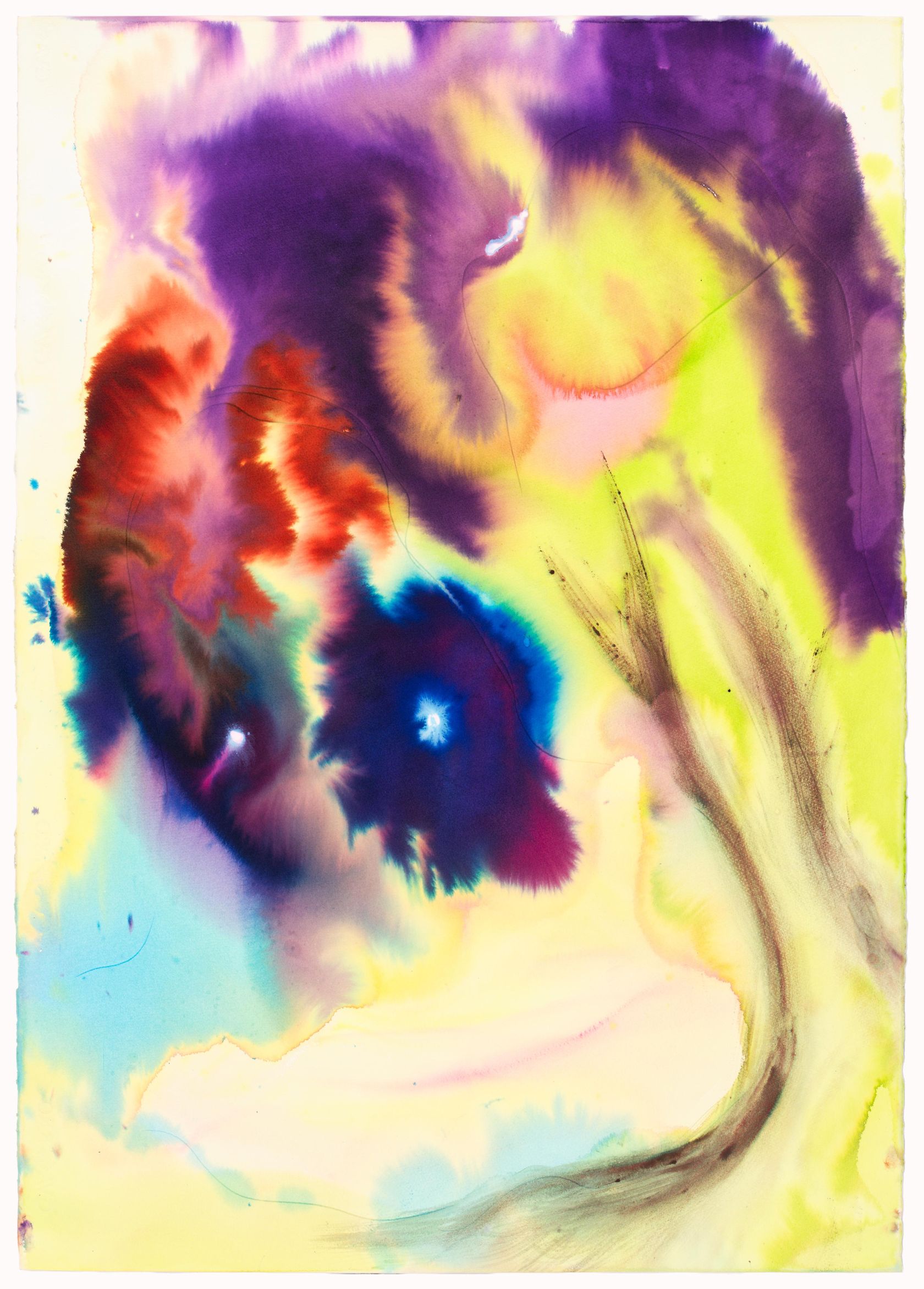
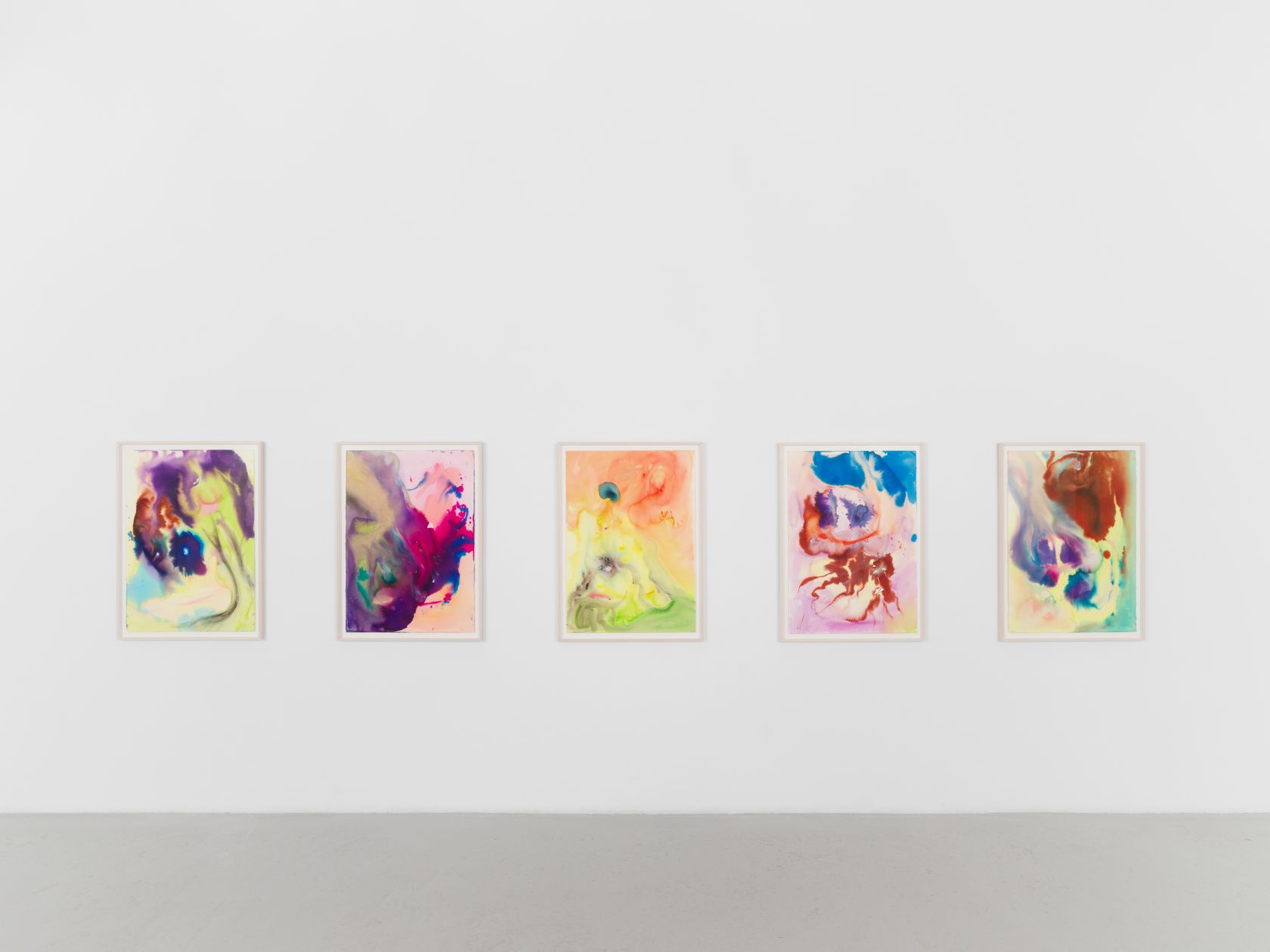
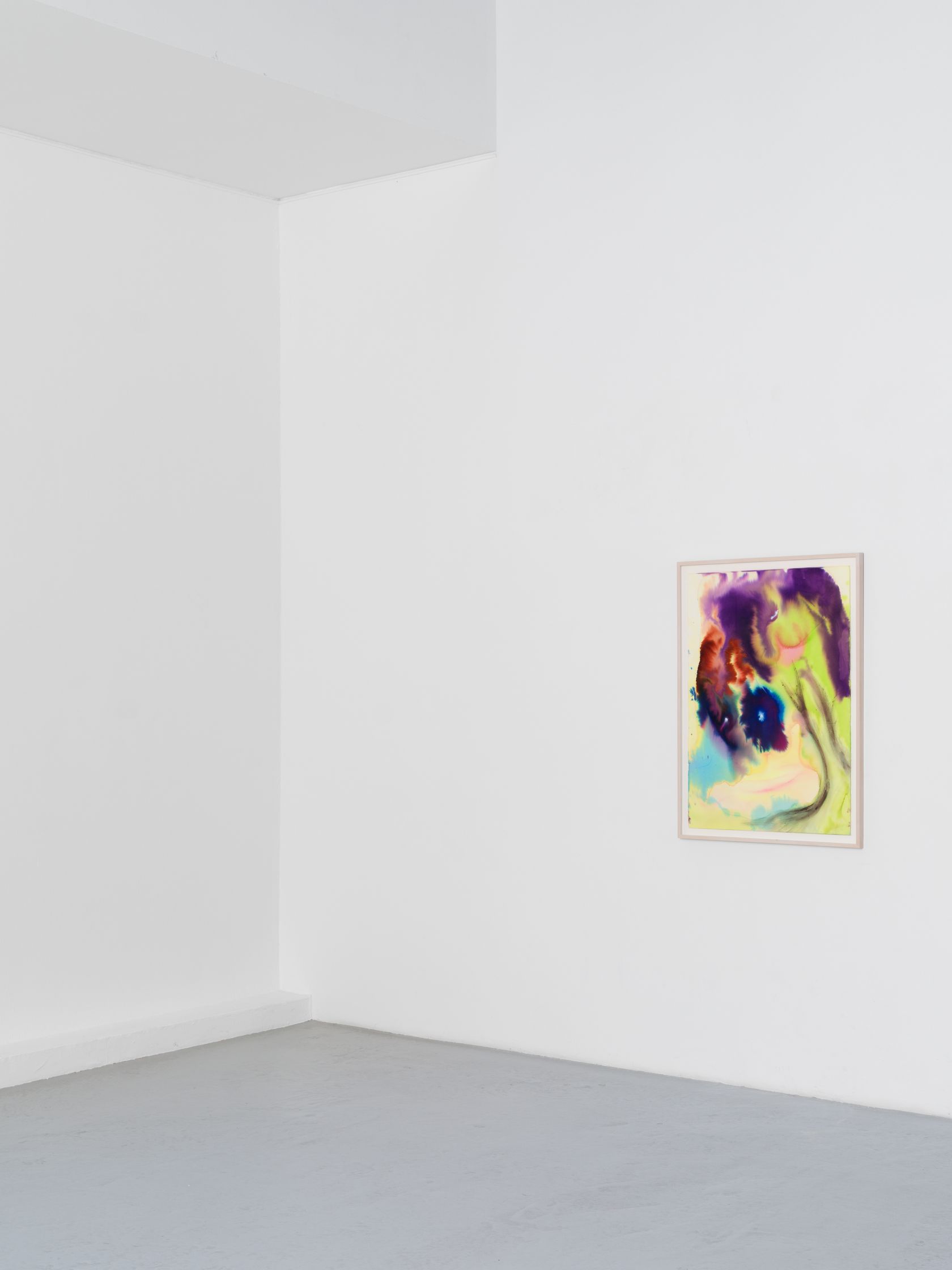
- Aneta Kajzer
- all over the place , 2025
- Watercolor on paper
-
- 100 ×
- 70 × cm
- 39 3/8 ×
- 27 9/16 × inches
- unframed
- 109 ×
- 79.5 × cm
- 42 15/16 ×
- 31 5/16 × in
- framed
Laurent Le Deunff’s sculptures often mislead the eye due to the disparity between the materials used and the objects represented. He has a pronounced taste for traditional techniques from the world of arts and crafts as well as decorative artifices. The modesty of papier-mâché and fingernail clippings rubs shoulders with the nobility of bronze and deer antlers, and the rarity of fossilized dinosaur droppings sits side-by-side with the ordinariness of fake wood made from cement. Le Deunff’s meticulousness and acute sense of observation have also been deployed in his series of drawings—copulating animals, the footprints of imaginary monsters or artist’s cats—through which he explores animality, in a narrative that leaves plenty of space for the imagination. His bestiary brings together a wide variety of creatures—dolphins, slugs, seahorses or bears—without any hint of hierarchy of species. Humans are not excluded from the narrative, which reactivates a kind of archetypal primitivism: a prehistoric phallus and various totems and talismans transport civilization back to its most splendid origins.
His works have been the subject of exhibitions at Biennale Gherdëina, Val Gardena, Dolomites (IT), at Portique, Le Havre (FR), at MASC, Sables d’Olonne (FR), at MRAC Occitanie, Sérignan (FR), at La Halle des Bouchers, Vienne (FR), at Carré Scène nationale, Château-Gontier (FR), at Artspace Boan, Séoul (KR), at Museum Beelden aan Zee, La Haye (NL), at PAV Parco Arte Vivente, Turin (IT), at LAMAG, Municipal Art Gallery, Los Angeles (US), at MOCO, Montpellier (FR), at Musée d’Art Moderne Paris (FR) and at numerous FRAC. Laurent Le Deunff’s work is held in the collections of the Musée d’Art Moderne, Paris (FR), MRAC Occitanie, Sérignan (FR), CAPC, Bordeaux (FR), and in the collections of the FRAC of Paris, Bordeaux, Limoges and Caen (FR).
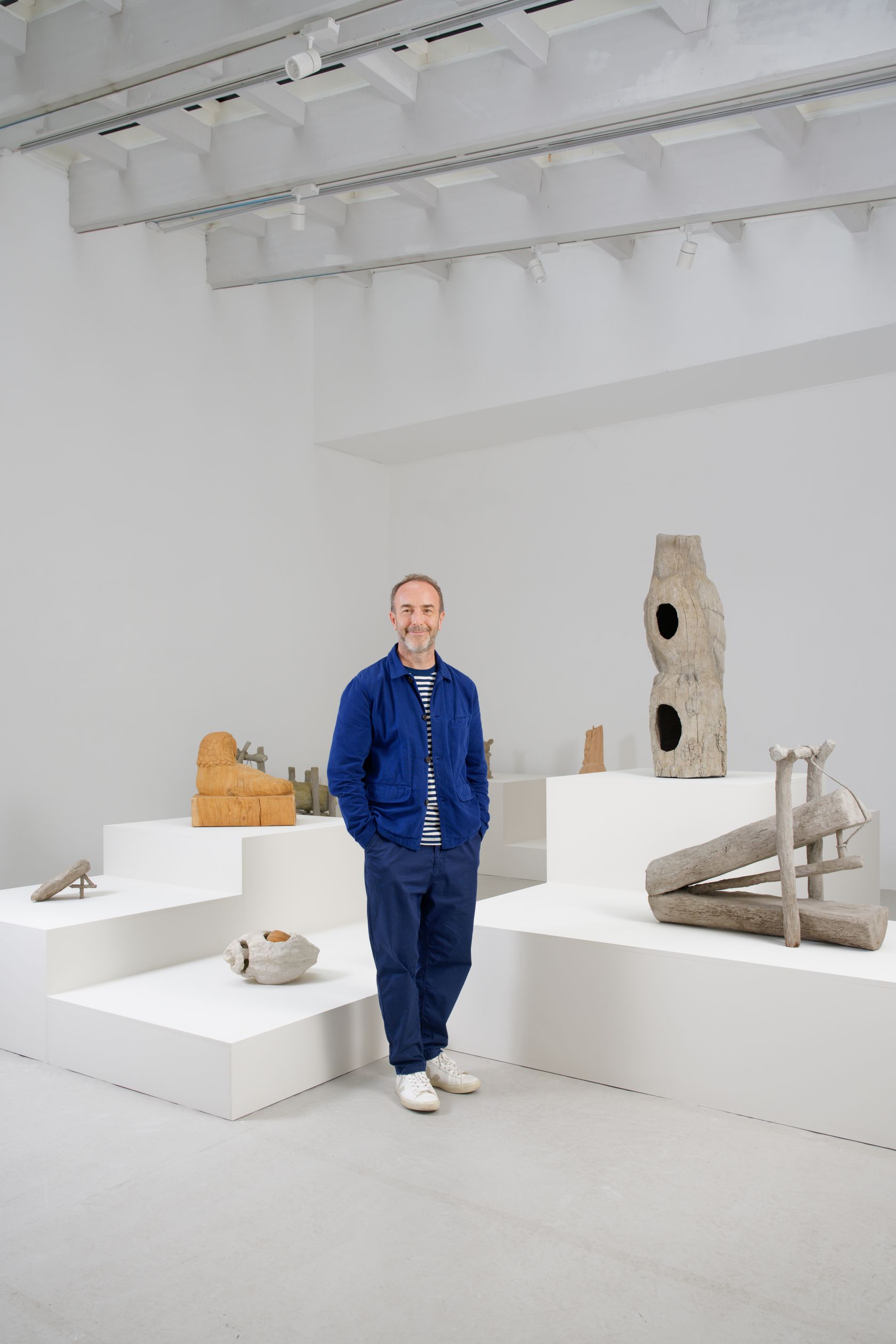
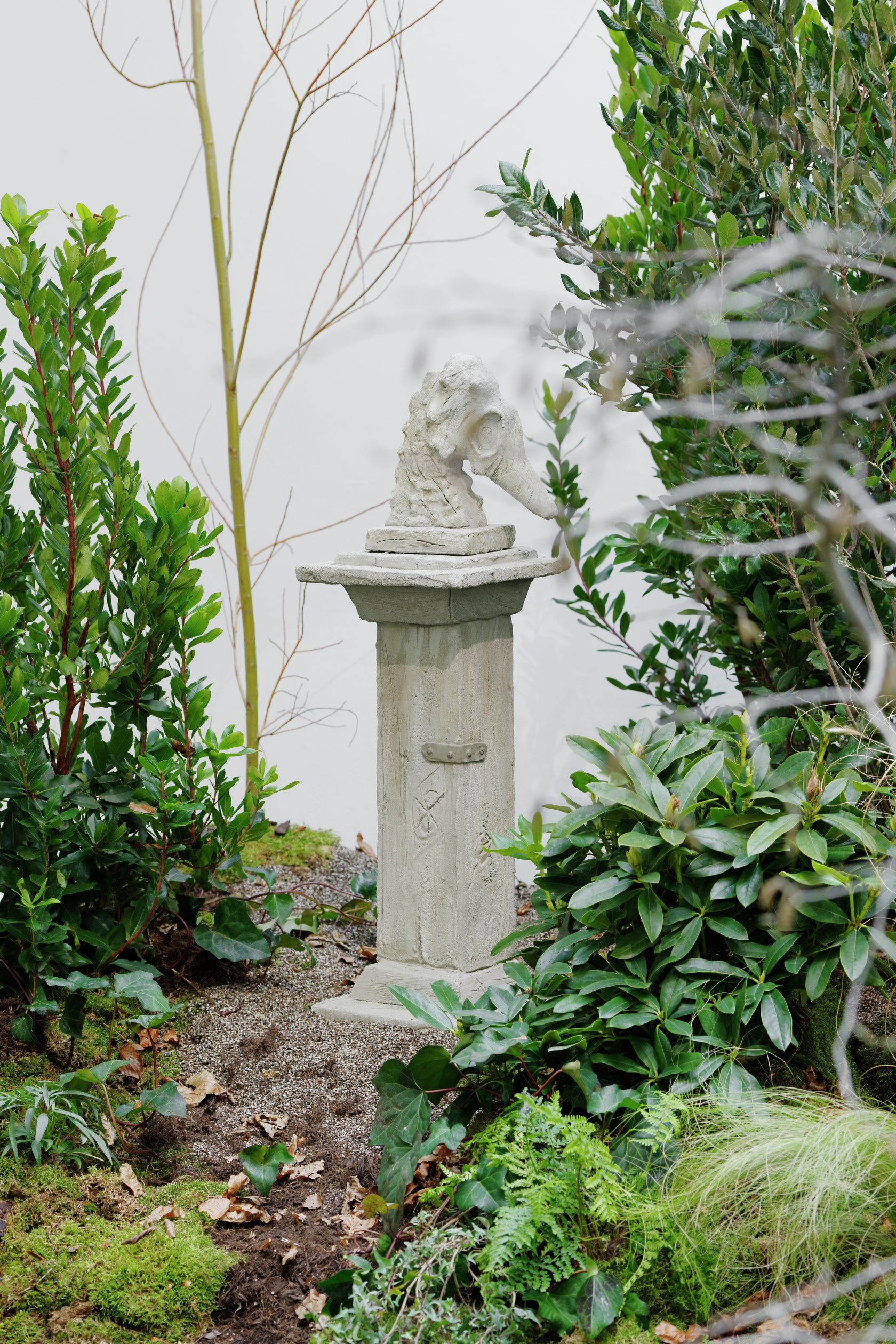
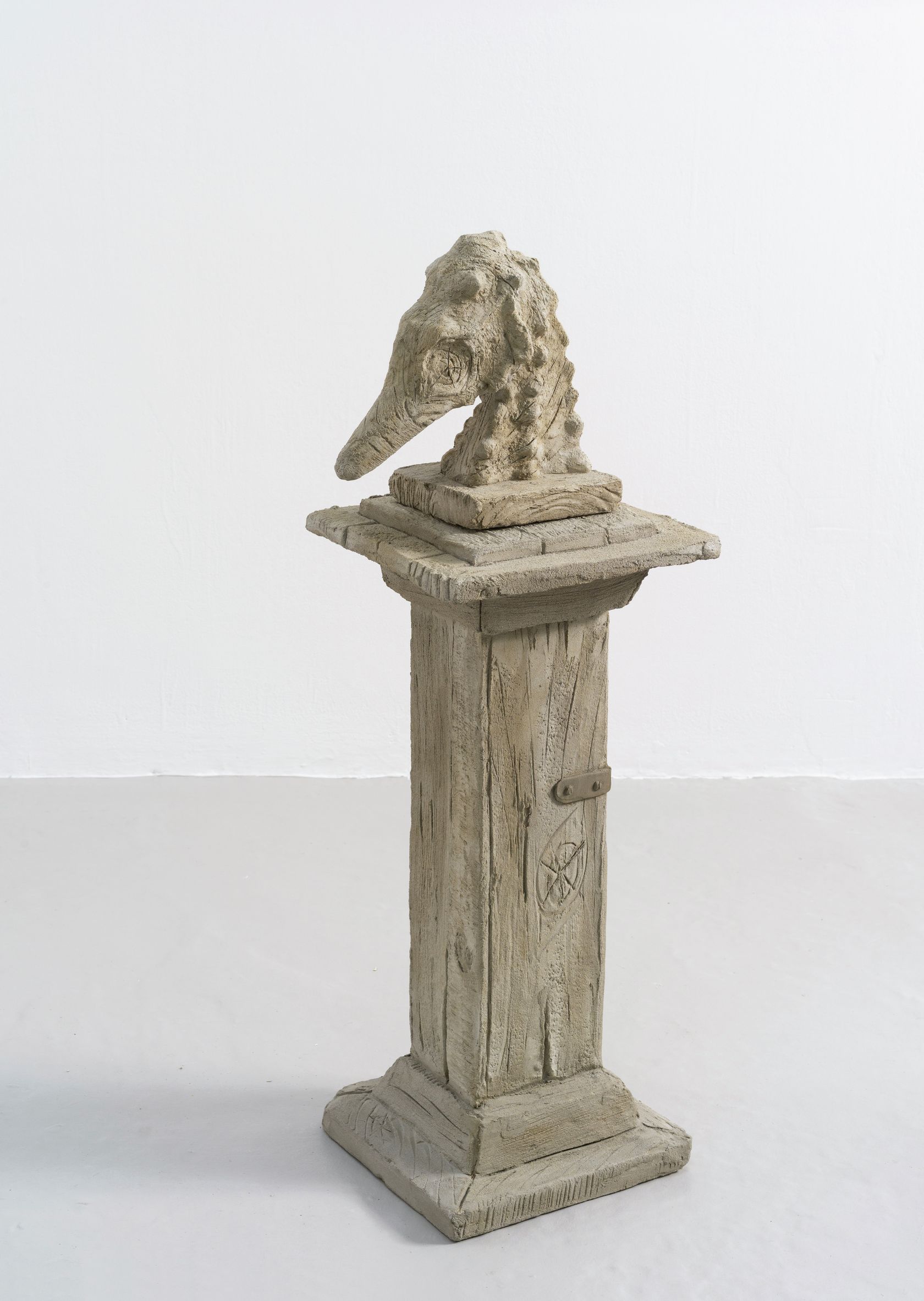
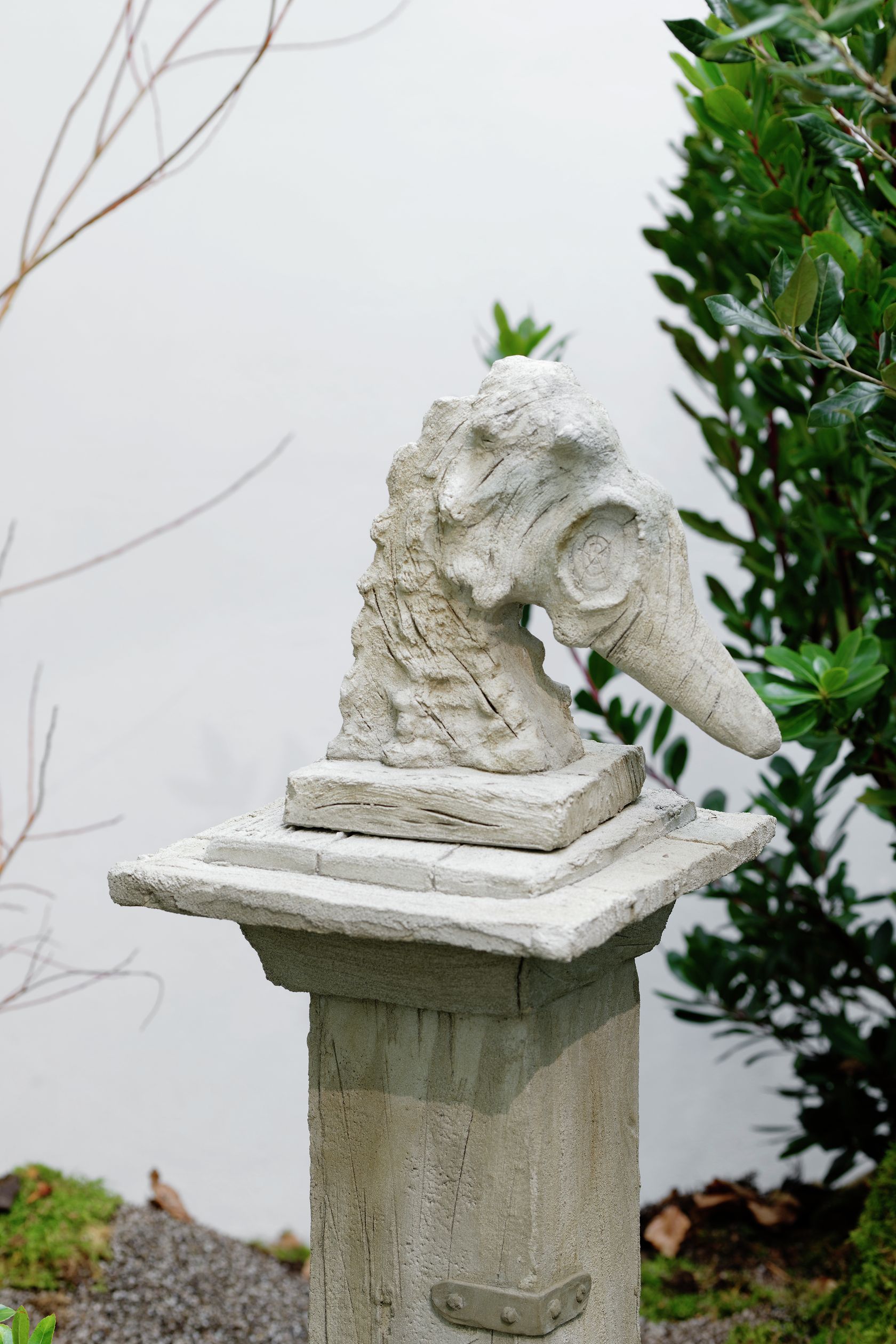
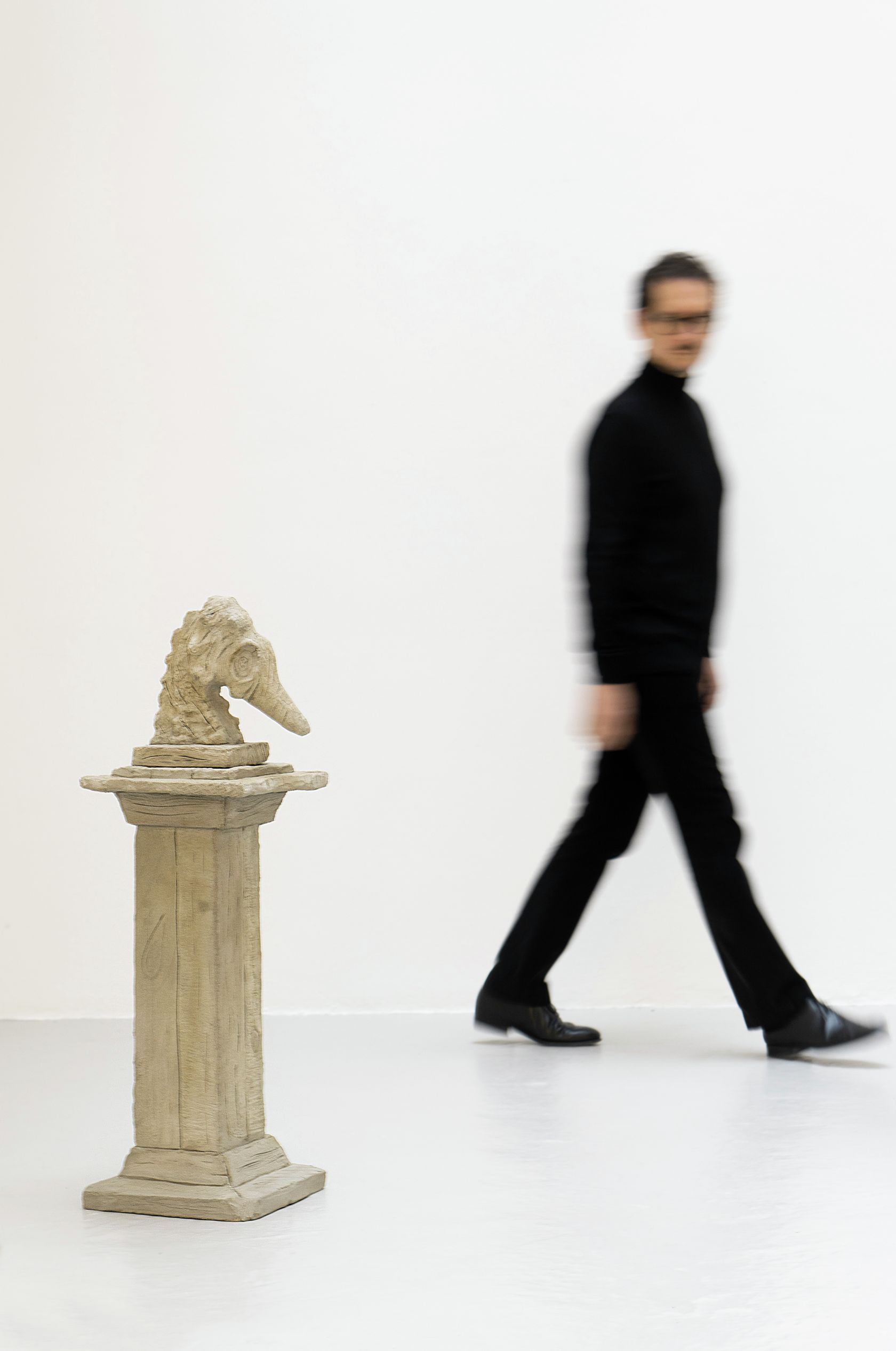
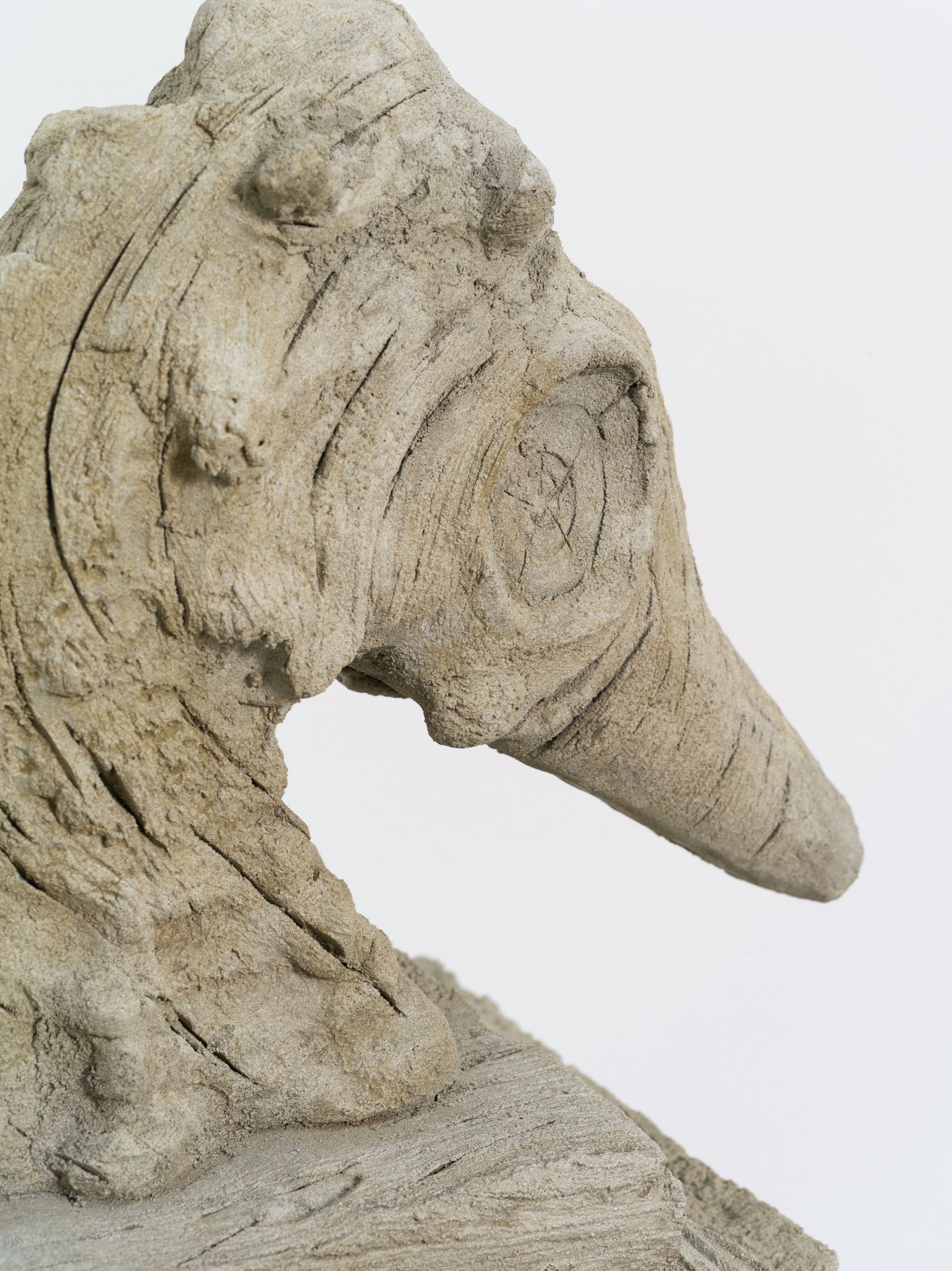
- Laurent Le Deunff
- Tête d'hippocampe , 2020
- Concrete
-
- 100 ×
- 36 ×
- 30 × cm
- 39 3/8 ×
- 14 1/8 ×
- 11 6/8 × inches
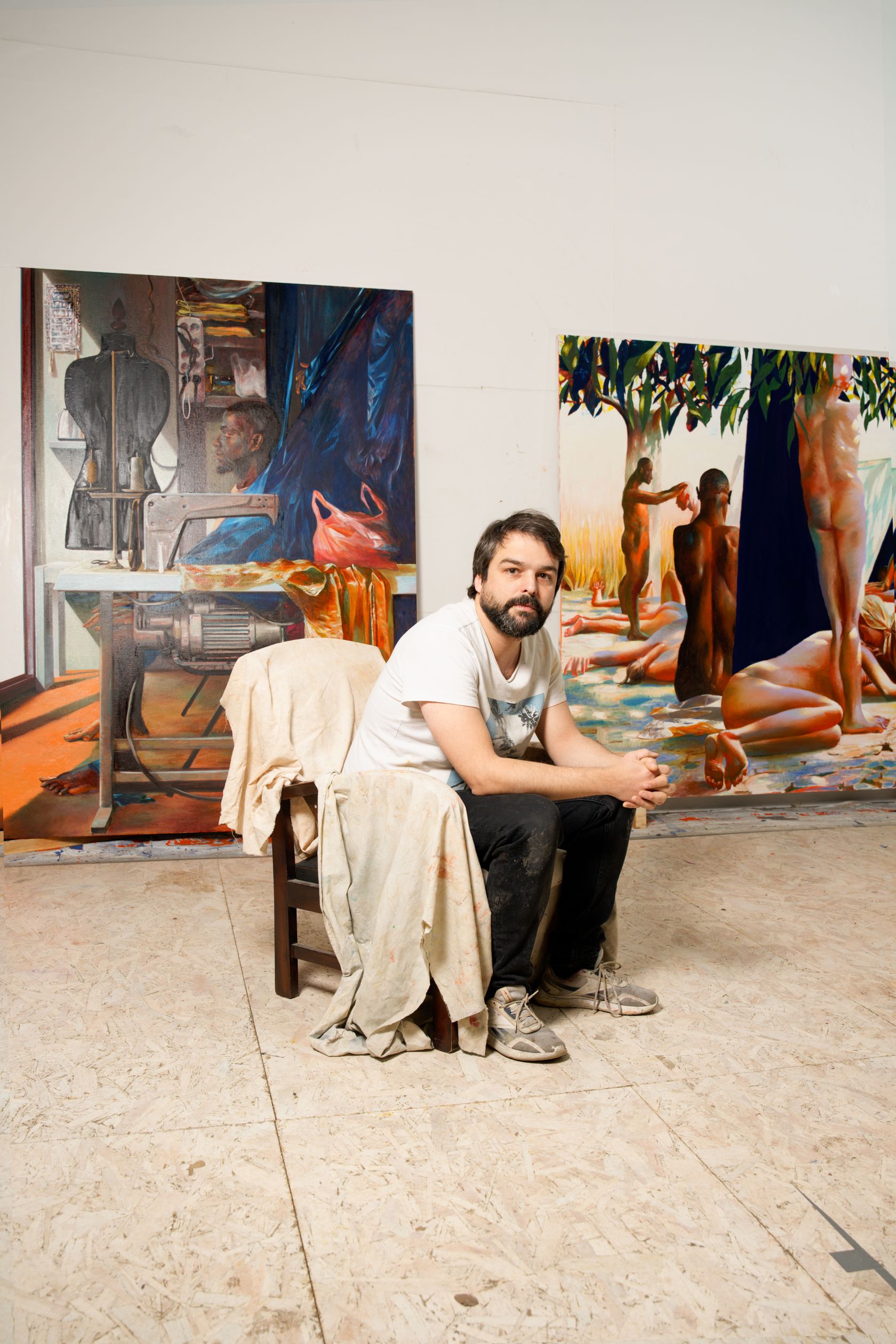
Born in Versailles in 1980, Laurent Proux lives and works in Paris. In his painting and drawing, Laurent Proux produces powerful and original imagery that seeks through his formal choices to resolve the questions raised by his subjects. Described by some as a realist due to the subjects he depicts—industrial machinery, workstations, sexualized bodies, etc.—his style finds its emancipation through his never-ending exploration of pictorial solutions, the integration of aberrations, bringing planes into collision, the use of artificial colors, all freeing his oeuvre from the opposition between figuration and abstraction. He approaches the human form through fragments, exaggeration and the use of silhouettes to create a kind of body-cum-machine, politicized and under assault, often disturbing and occasionally sentimental. His canvases take the form of a stage, in an altered perspective and the artist addresses the spectator with a visual and intellectual enigma running through the image.
Laurent Proux’s first institutionnal solo exhibition took place at the Musée de l’Abbaye in Saint-Claude (FR) in 2025. His oeuvres are included in the collections of the National Center for Visual Arts (CNAP), the Occitan, Limousin and Nouvelle-Aquitaine regional contemporary art collections (FRAC) and the Paris Municipal Collection (FMAC). His work has been exhibited at the Mana Contemporary in Chicago (US), the Shanghai Art Museum (CN), the Moscow Center for Contemporary Art (RU), the Musée d’Art Contemporain in Lyon (FR), the Limousin FRAC in Limoges (FR), at the Lieu Commun in Toulouse (FR) and at the Musée d'Art moderne et contemporain de l'Abbaye Sainte-Croix aux Sables-d'Olonne (FR). Laurent Proux was a resident of the Casa de Velázquez in Madrid (ES).
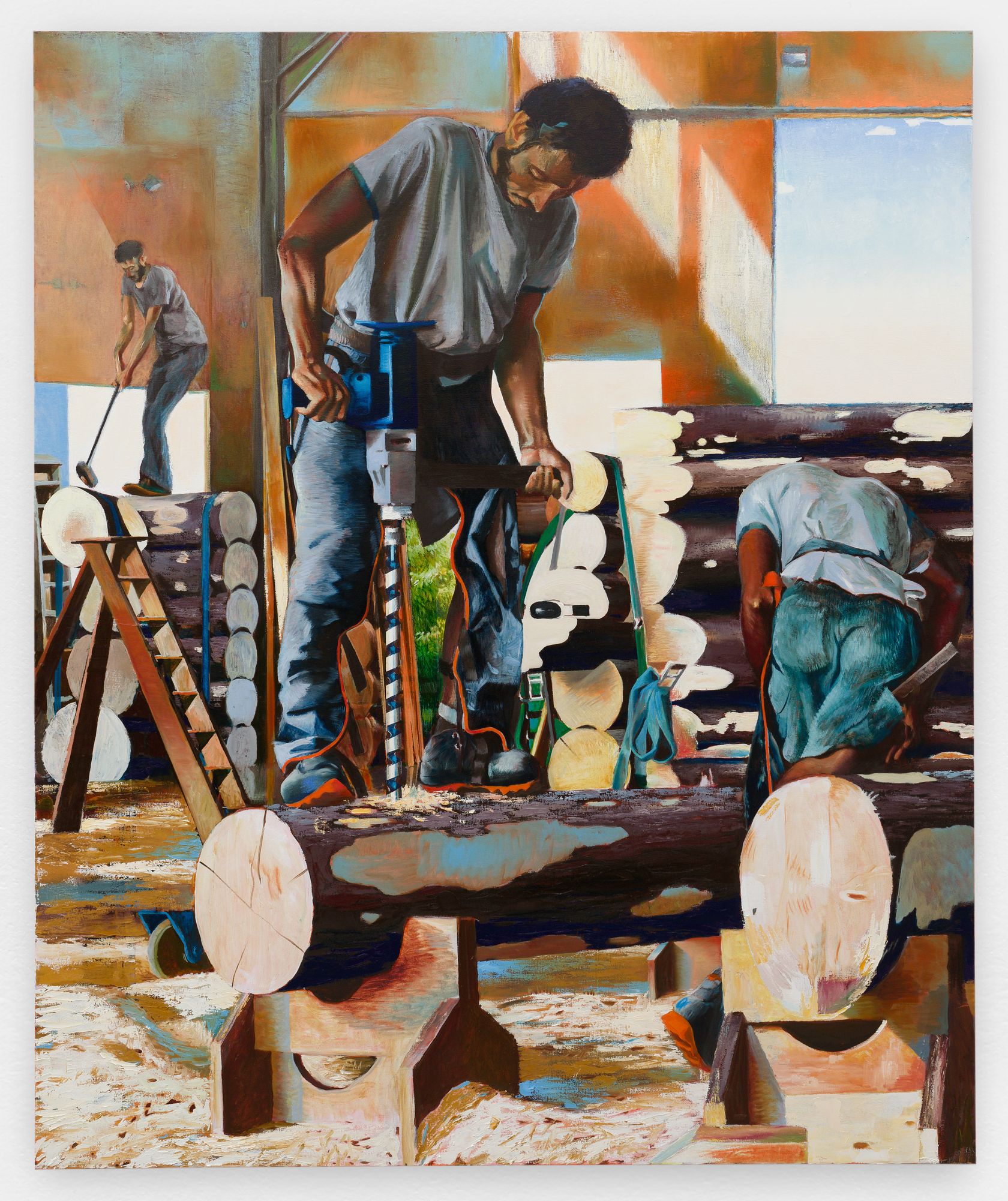
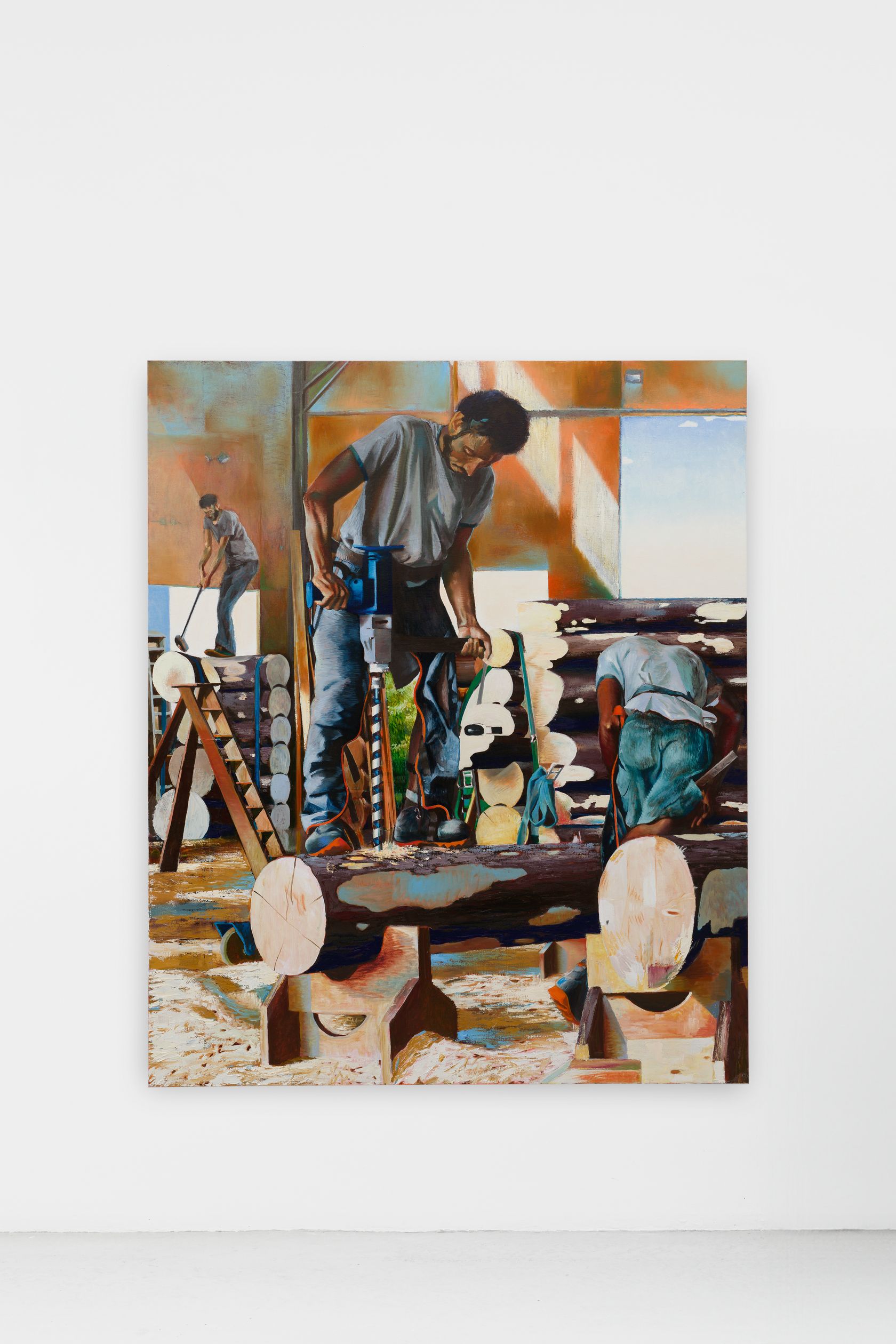
- Laurent Proux
- Les Constructeurs. La Pessière. La Pesse, Haut-Jura , 2024
- Oil on canvas
-
- 220 ×
- 182 × cm
- 86 5/8 ×
- 71 5/8 × inches
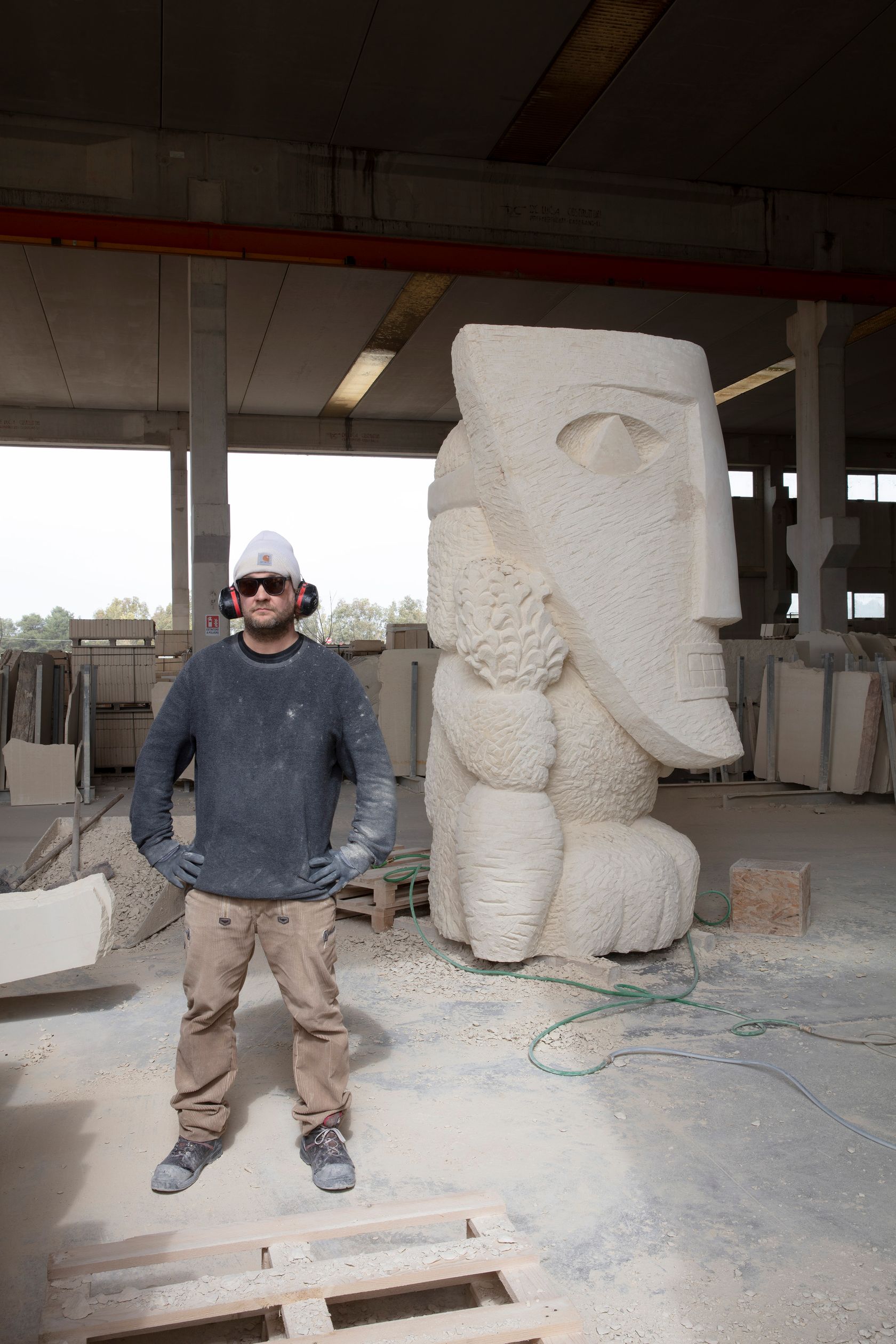
Stefan Rinck’s stone figures form a motley and comical community of, for the most part, animals, chimeras and monsters. They wear costumes and masks; are endowed with particular symbols or characteristics, some bear the names of heroes of Greek mythology or of legend. Rinck’s sculpted figures make up a discordant but related assembly of non-humans: they come from elsewhere, an archaic imaginary world, woven from myths and legends. With his collection of fauna, the artist is using a technique typical of the Middle Ages: sculpting his figures directly from stone.
Rinck’s sculptures remind us of the figures of Roman art, which populate the columns and tympana of churches. These are grotesque figures, in which we recognize the vitalist comedy typical of medieval realism which could be observed during the parades of jesters and buffoons at religious and popular festivities. Yet if the Middle Ages seem to color Rinck’s art, its frame of reference in fact crystalizes around a number of “Gothic” obsessions of the Romantic kind: a taste for mythology and folk tales, for different epochs and cultures for the fantastic or figures of hubris and excess.
Stefan Rinck has had numerous solo exhibitions, most recently at the Pinakothek der Moderne in Munich and the Domaine de Chamarande (2025), as well as group exhibitions at the Musée d’Art Moderne in Paris and the MAC Marseille (2024). He has also exhibited at international fairs and biennials, including Art Basel Paris, the Artzuid Sculpture Biennial in Amsterdam (2025) and FIAC Hors les murs at the Tuileries (2019). One of his sculptures is on permanent display in Paris since 2018 (Beaupassage). In 2019, he was selected among 100 Sculptors of Tomorrow, published by Thames & Hudson.
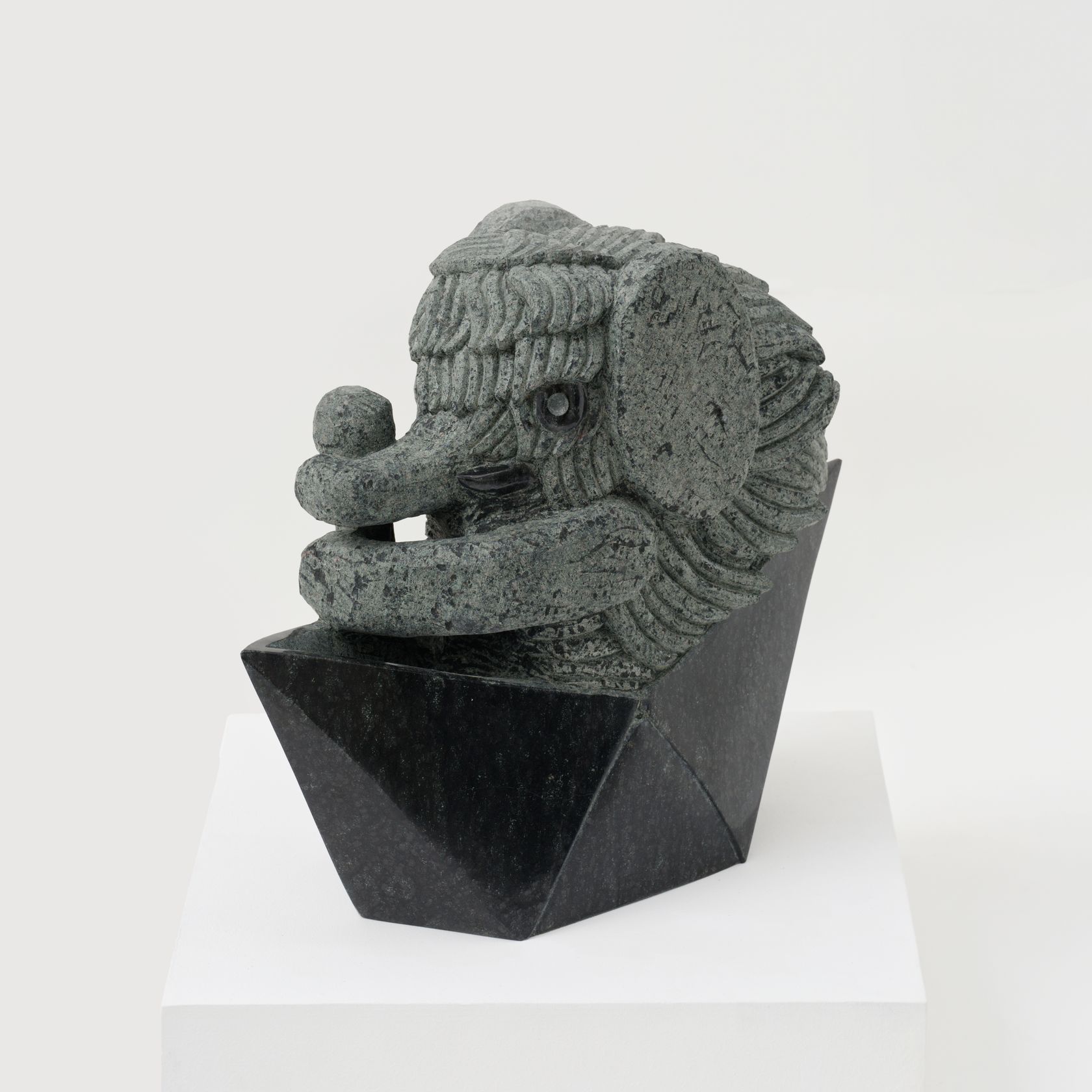
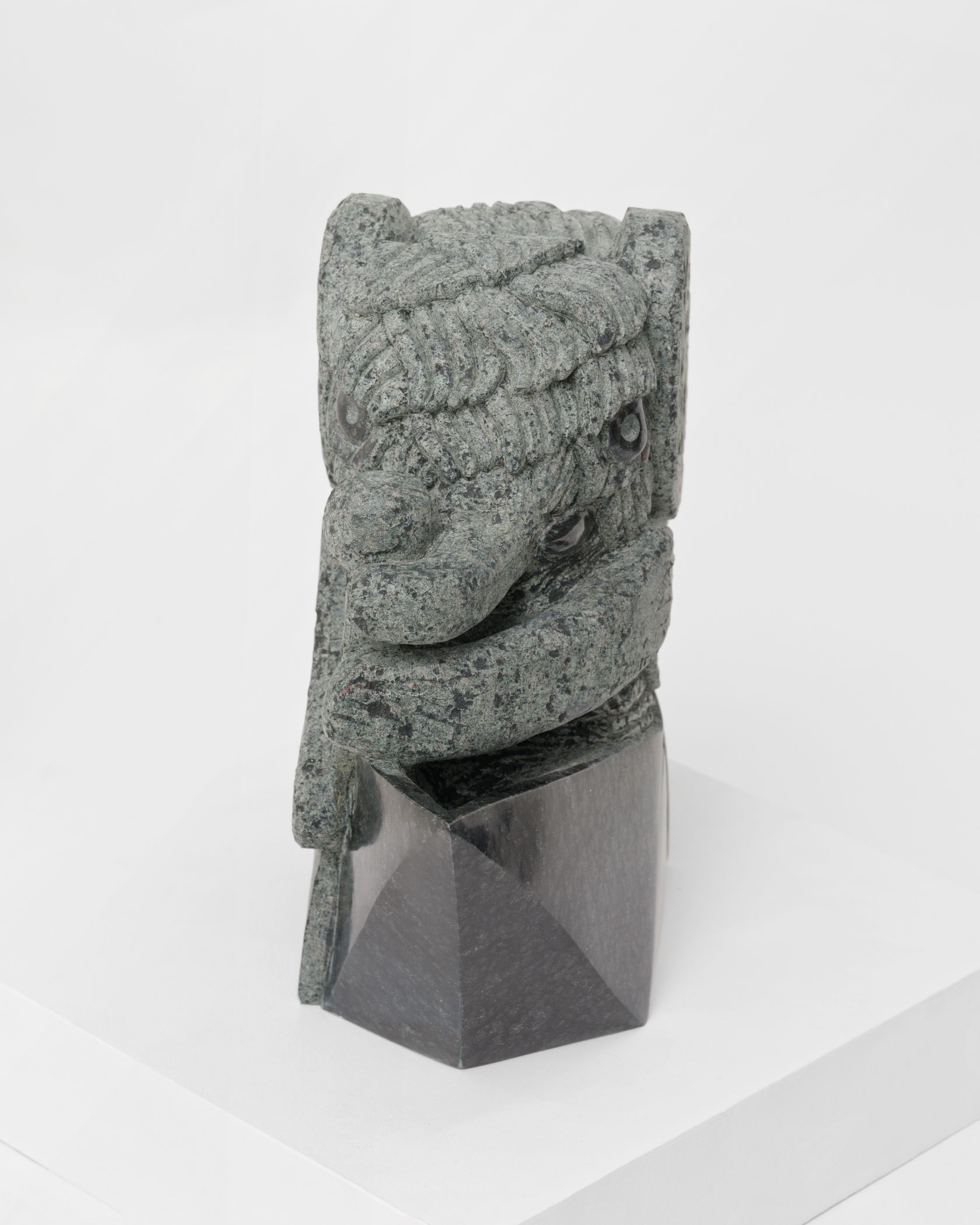
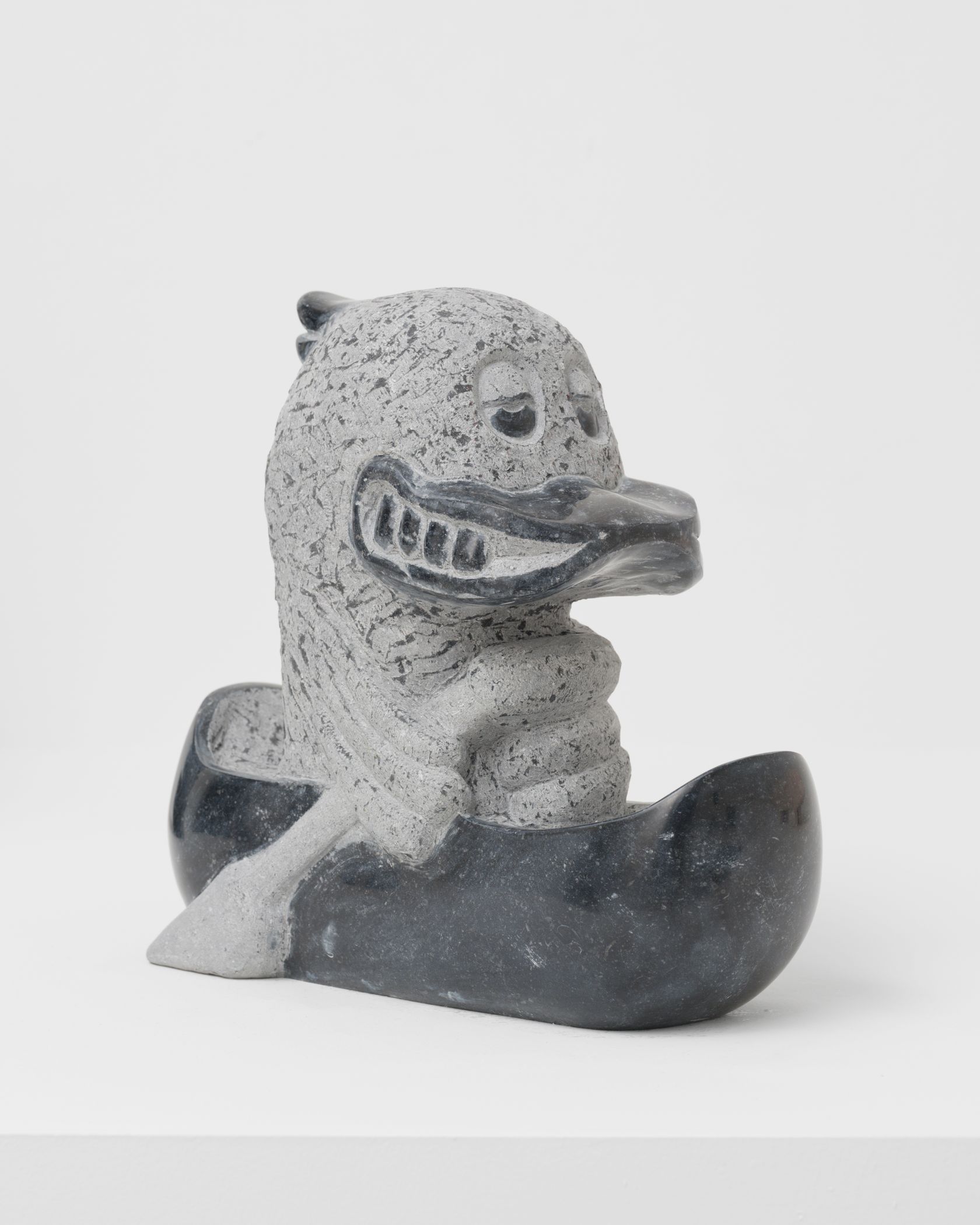
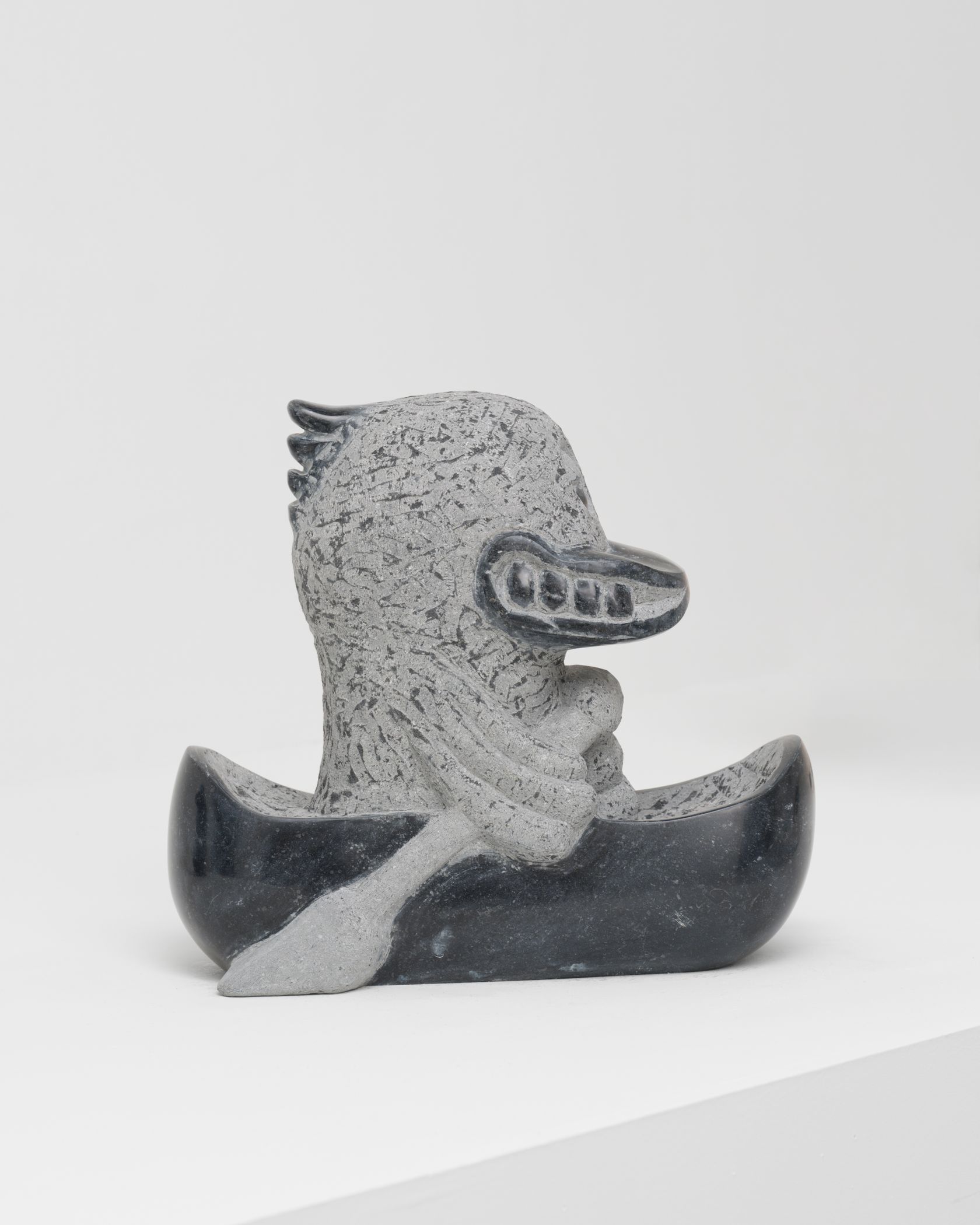
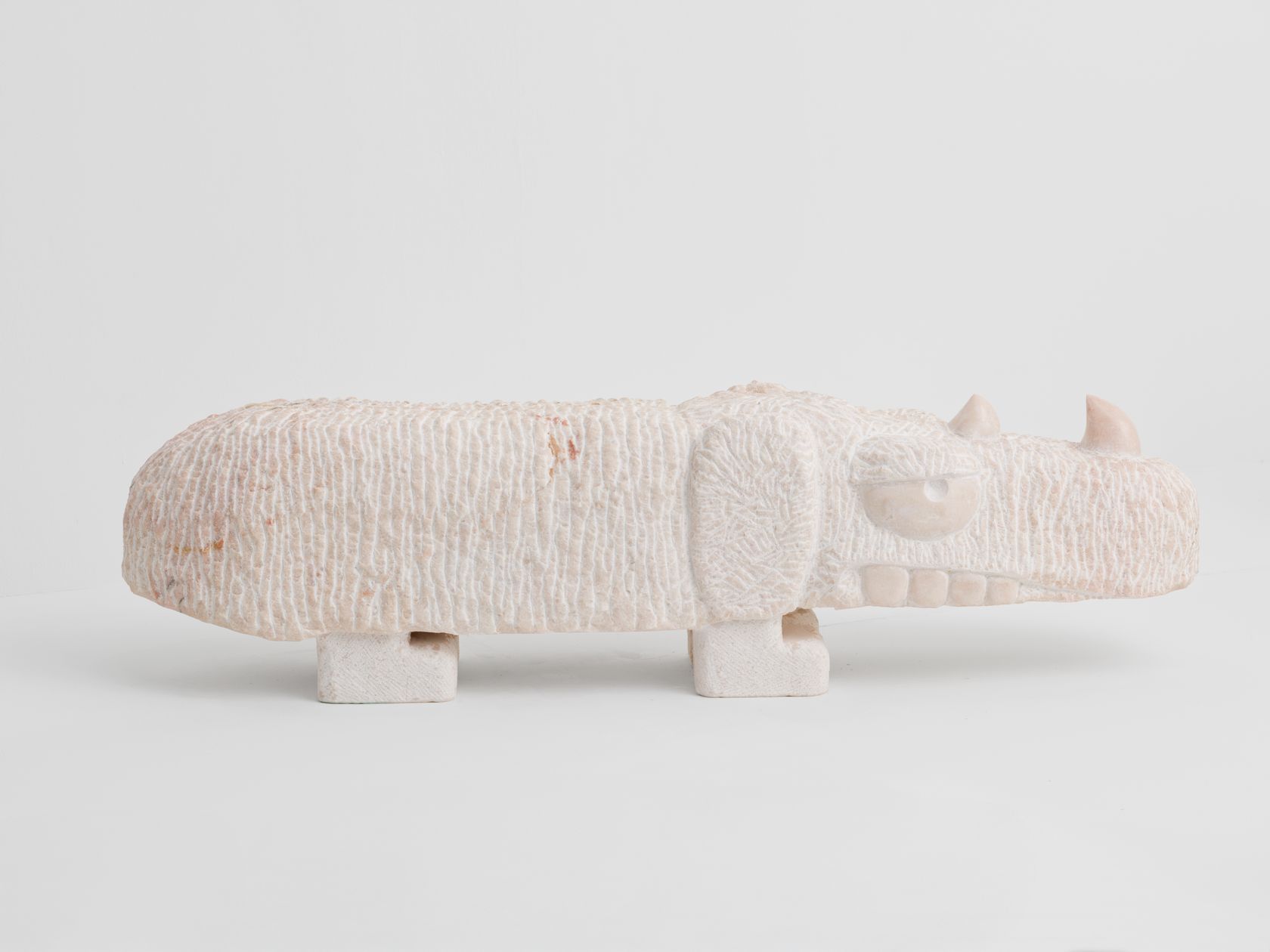
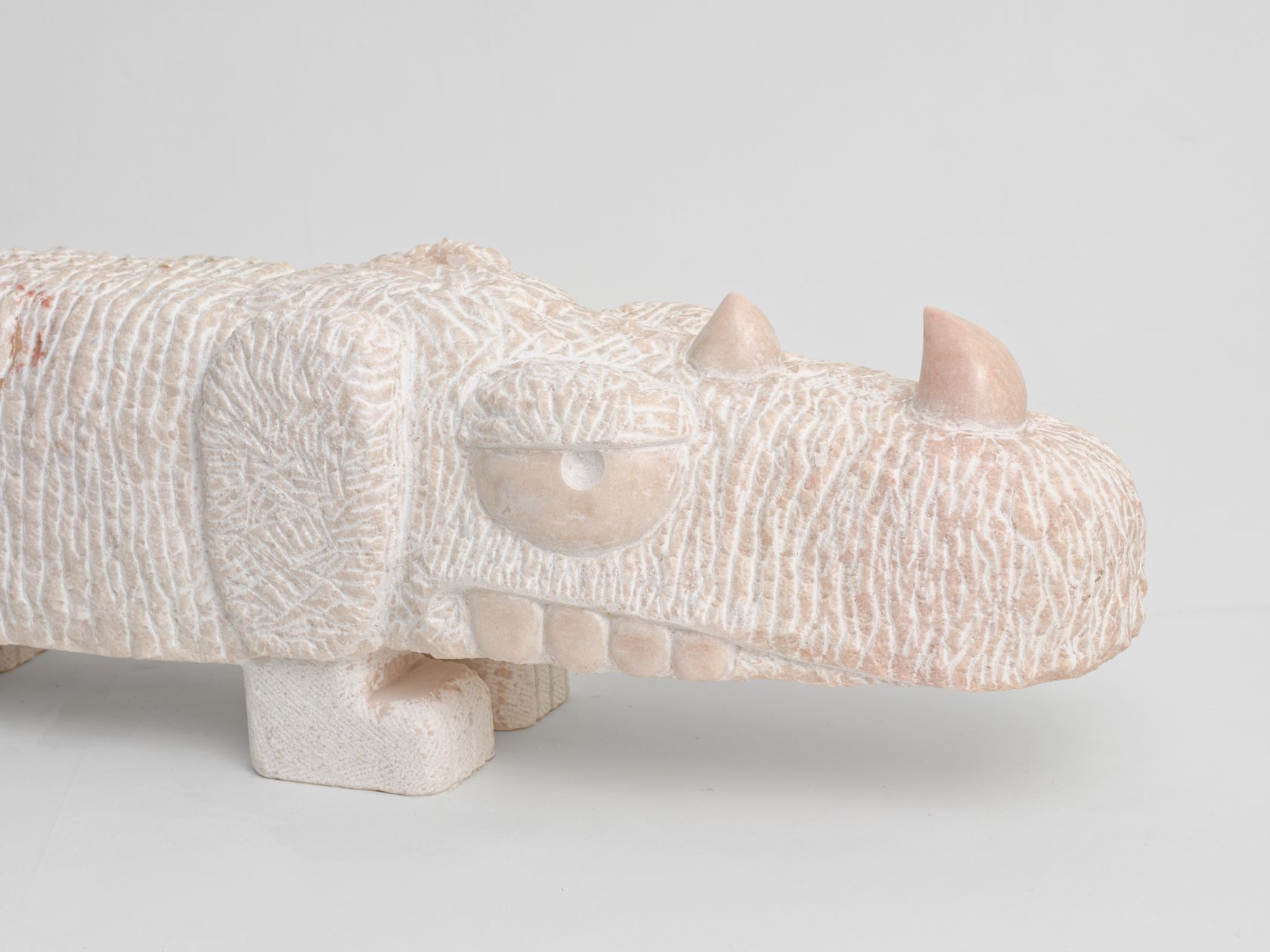
- Stefan Rinck
- Cotton Candy Yak , 2025
- Marble
-
- 40 ×
- 150 ×
- 30 × cm
- 15 3/4 ×
- 59 1/16 ×
- 11 13/16 × inches
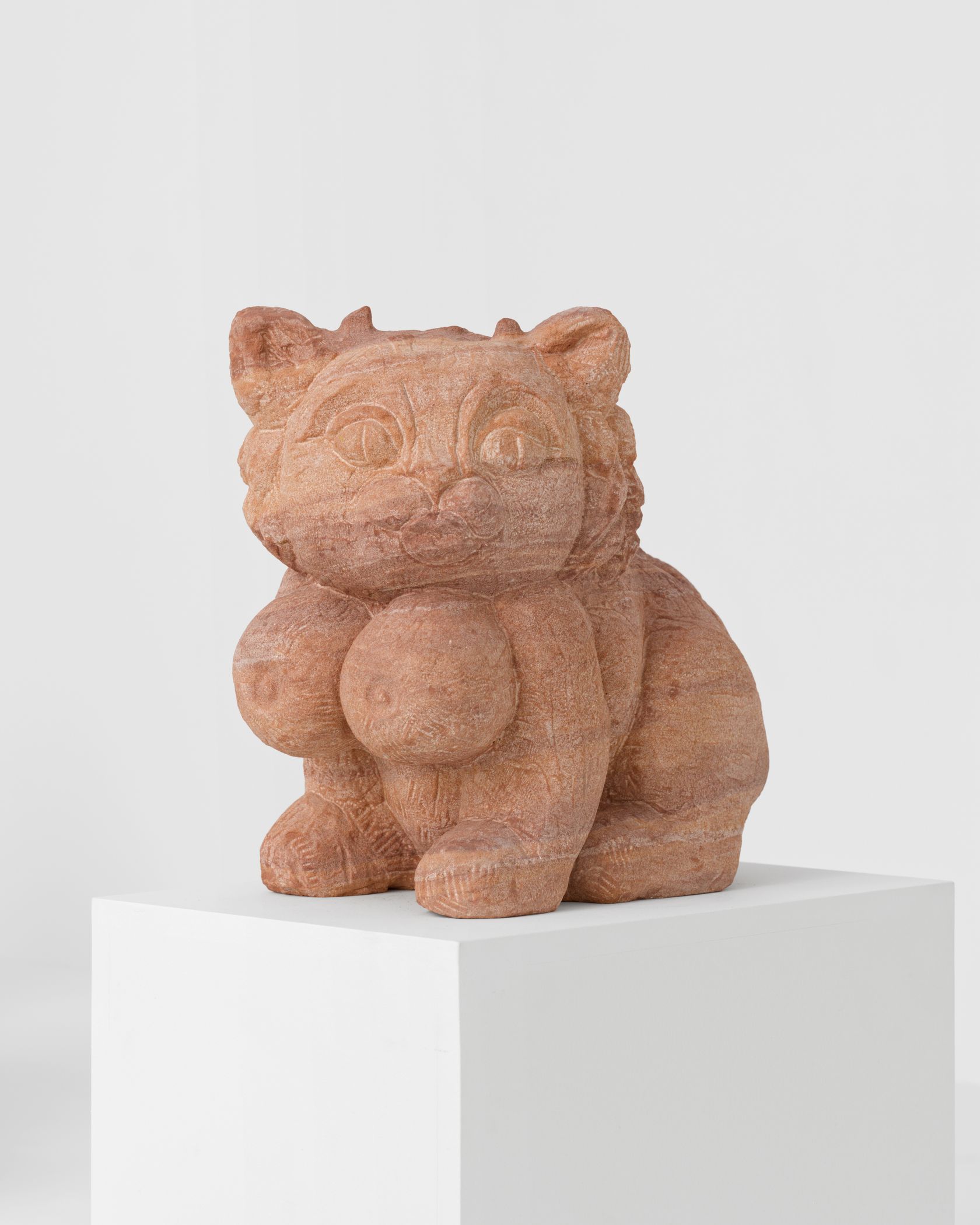
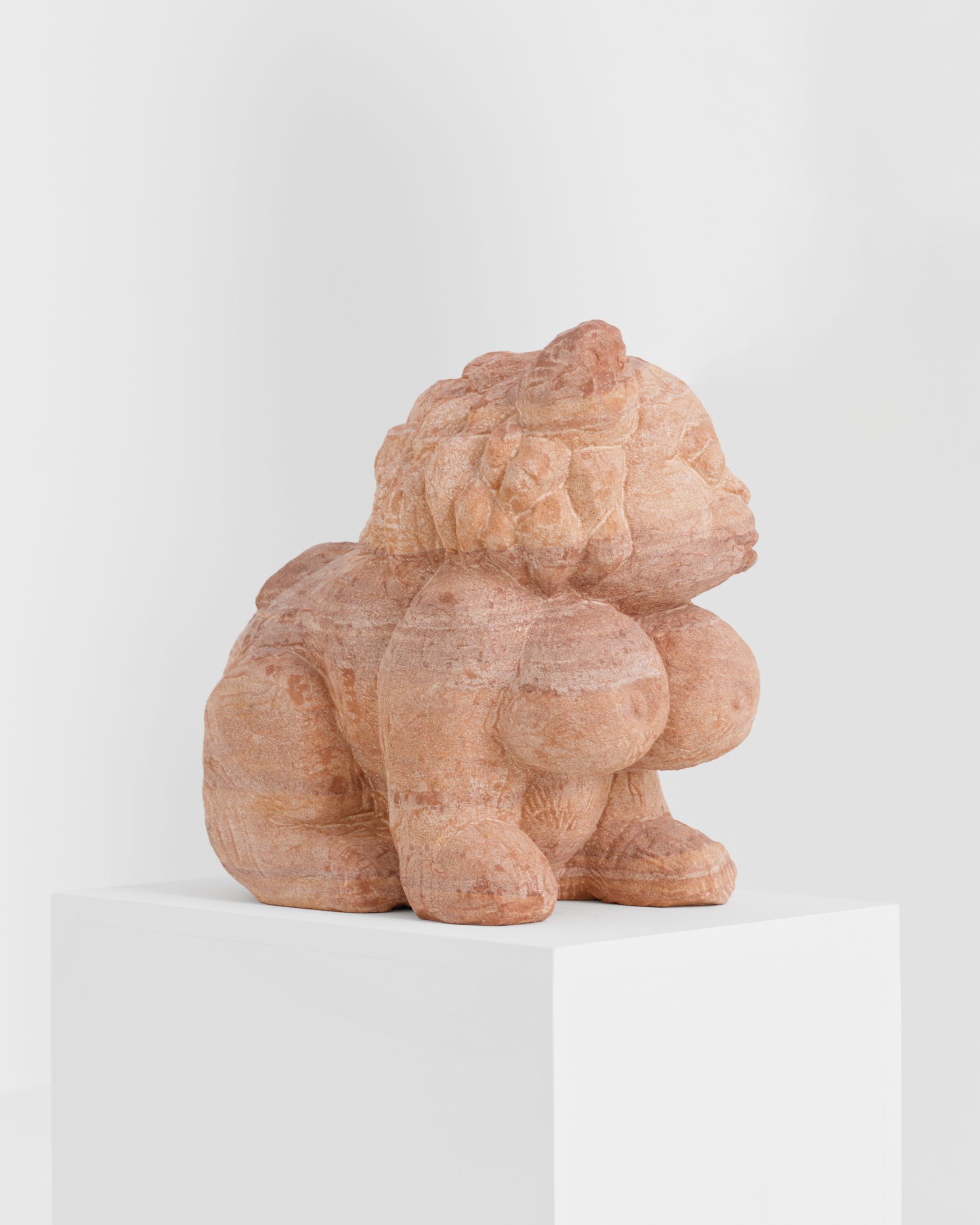
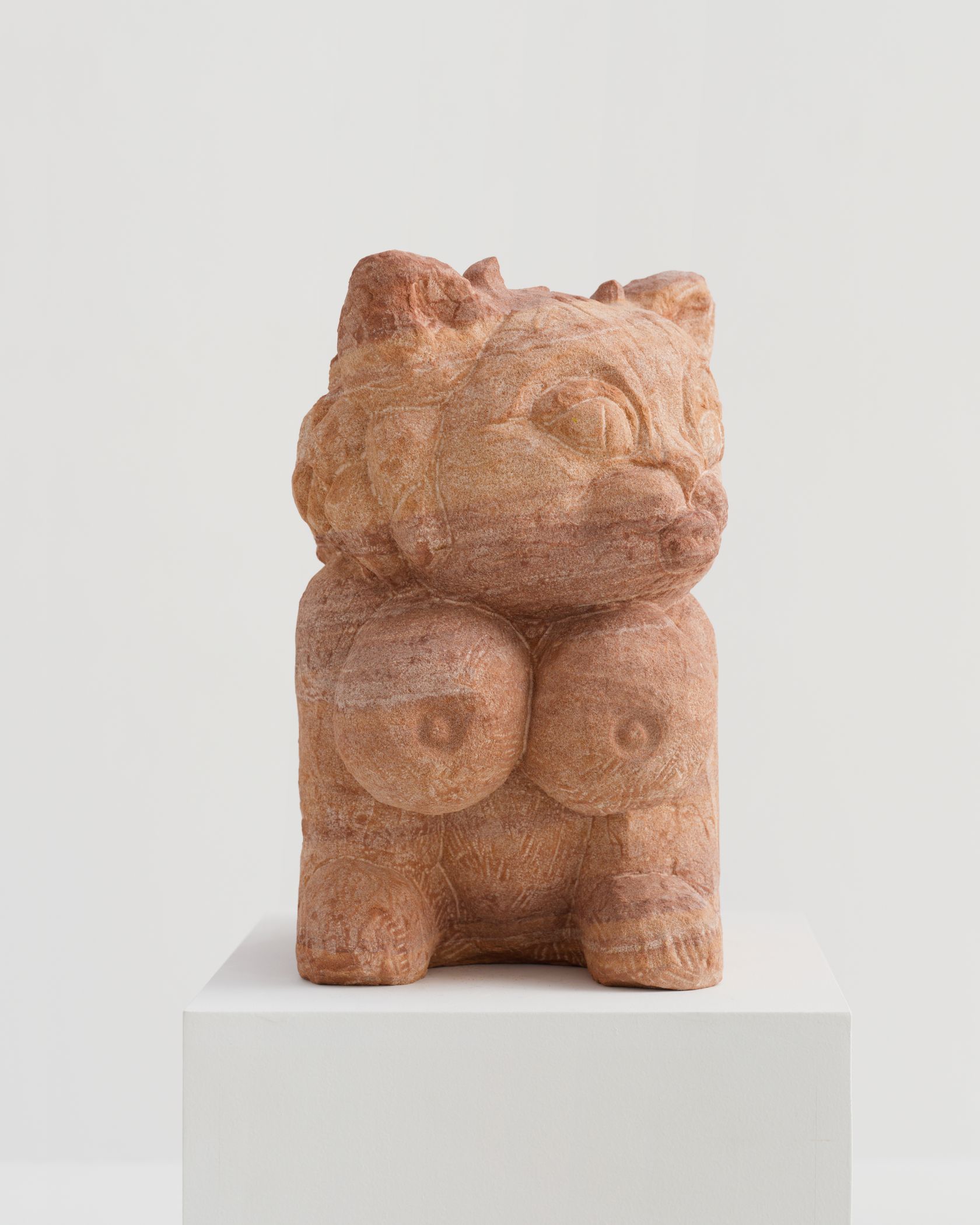
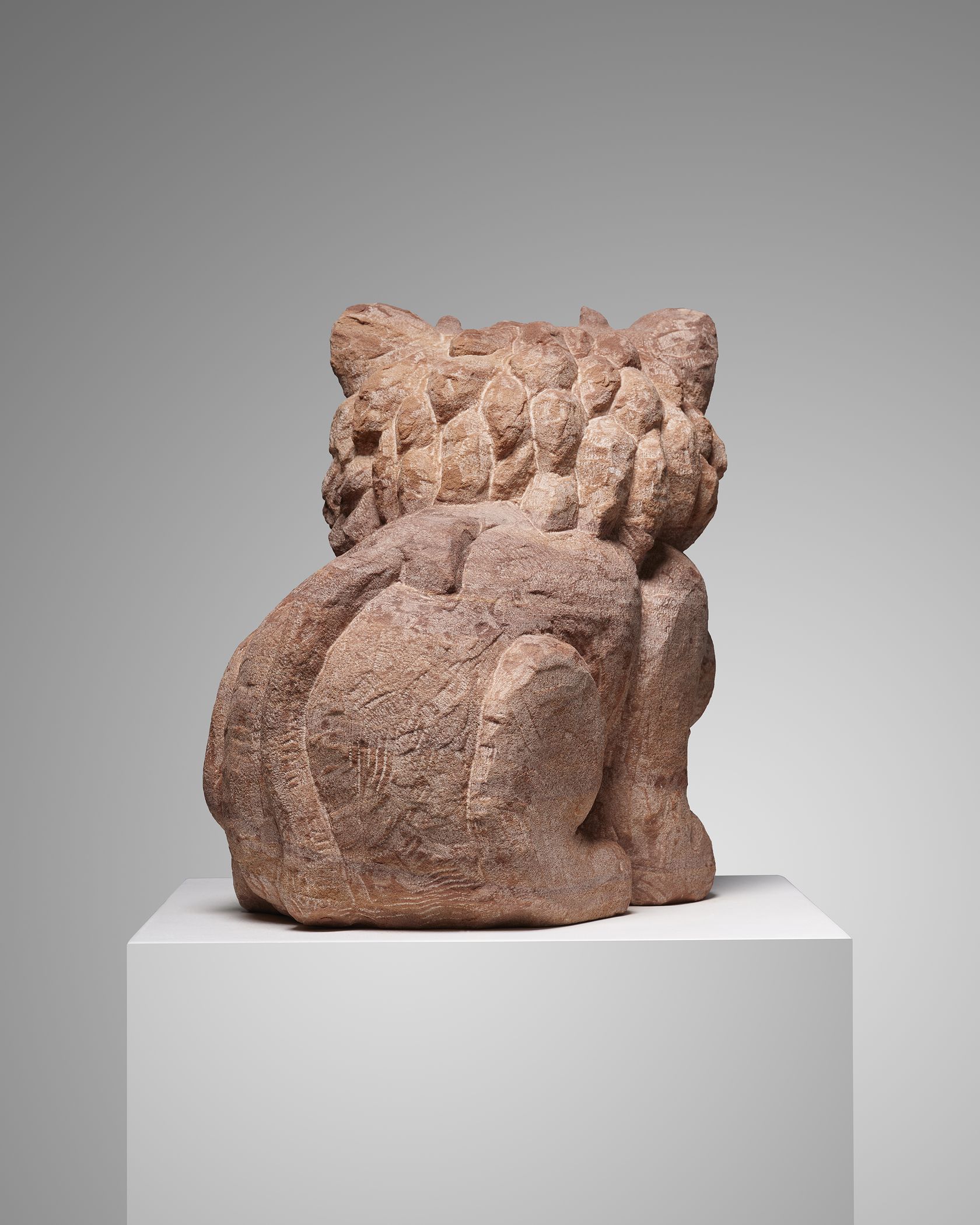
- Stefan Rinck
- Sphinx , 2025
- Sandstone
-
- 40 ×
- 25 ×
- 42 × cm
- 15 3/4 ×
- 9 13/16 ×
- 16 9/16 × inches
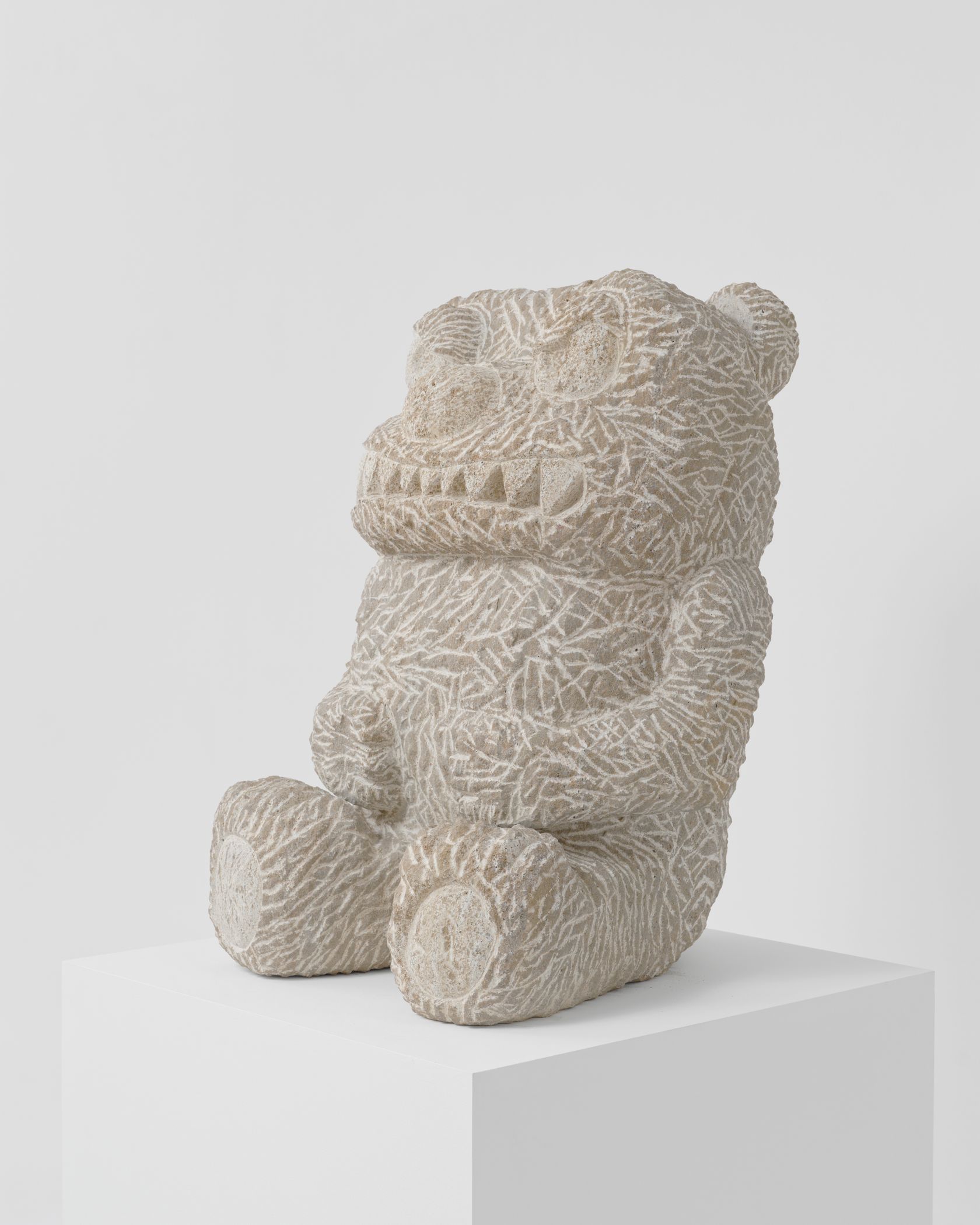
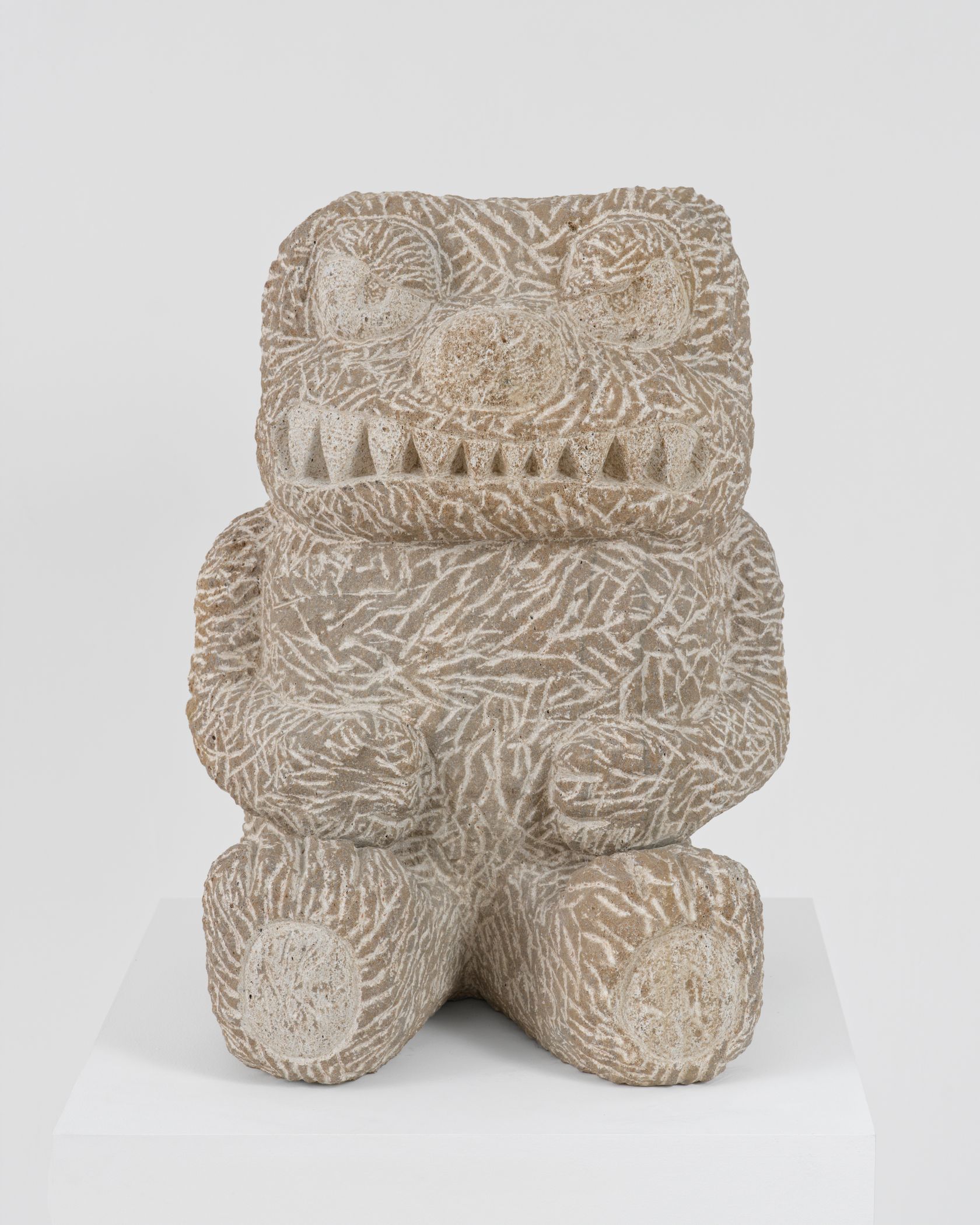
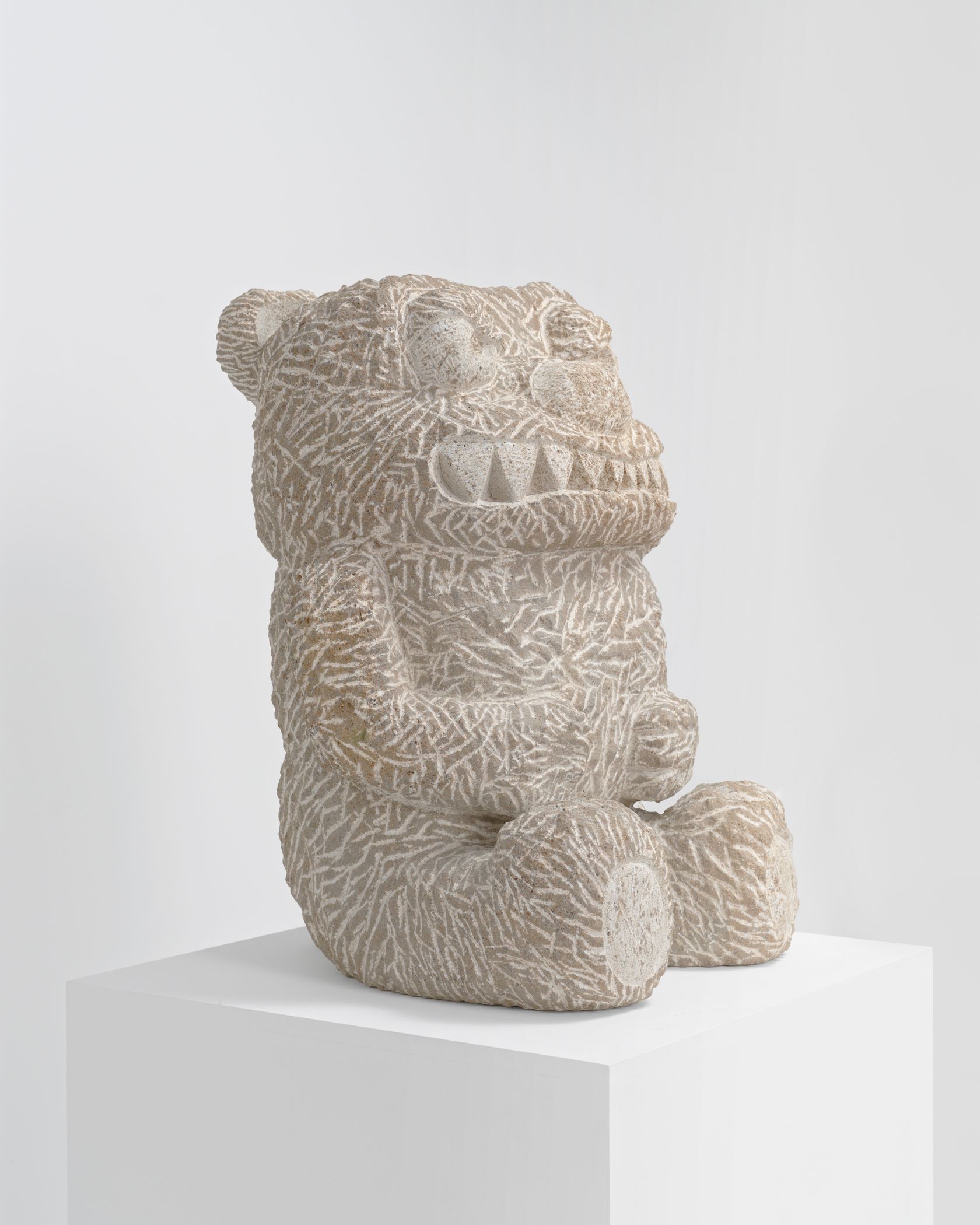
- Stefan Rinck
- Lack of Empathy for Human Beings , 2025
- Limestone
-
- 77 ×
- 60 ×
- 58 × cm
- 30 5/16 ×
- 23 5/8 ×
- 22 13/16 × inches
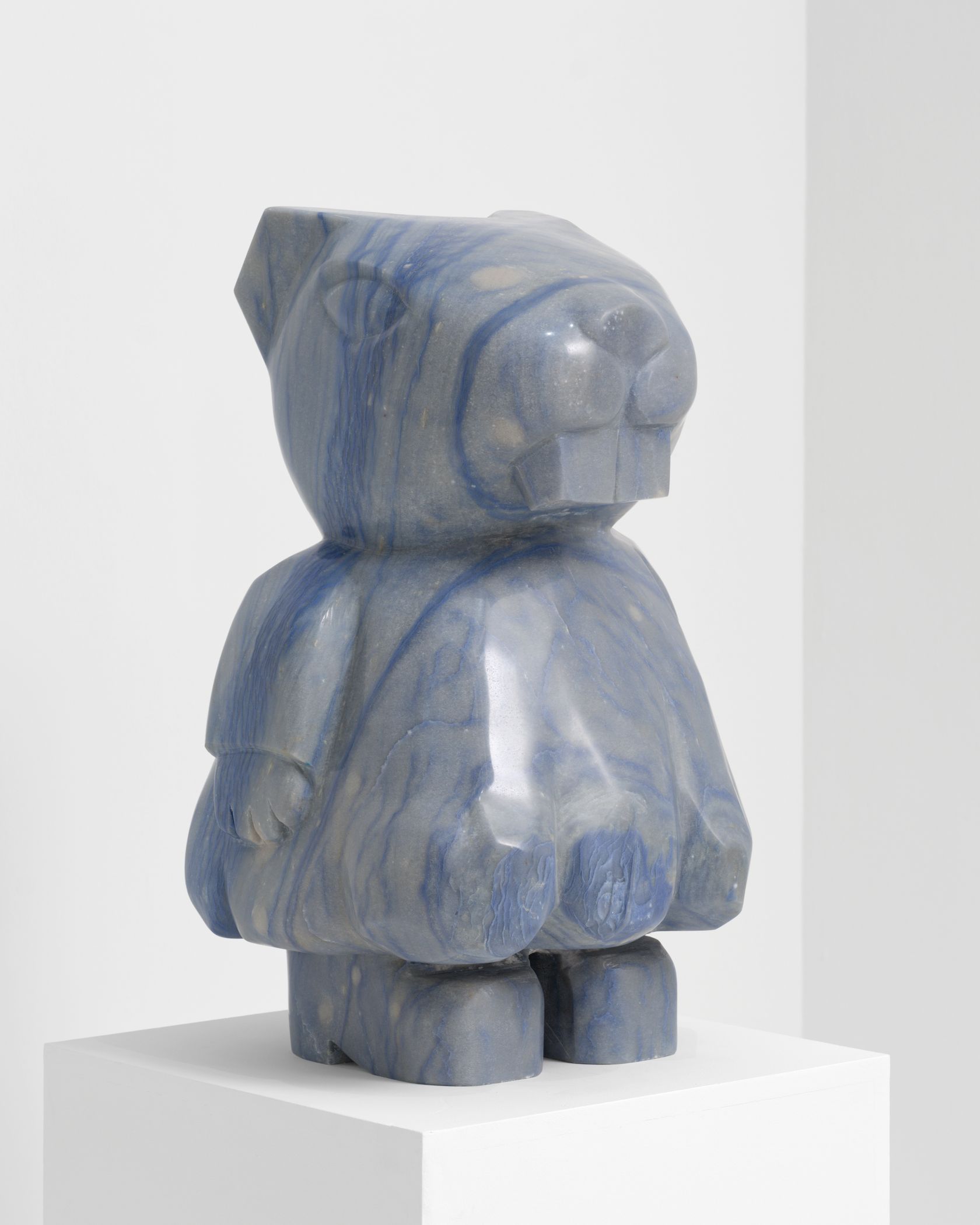
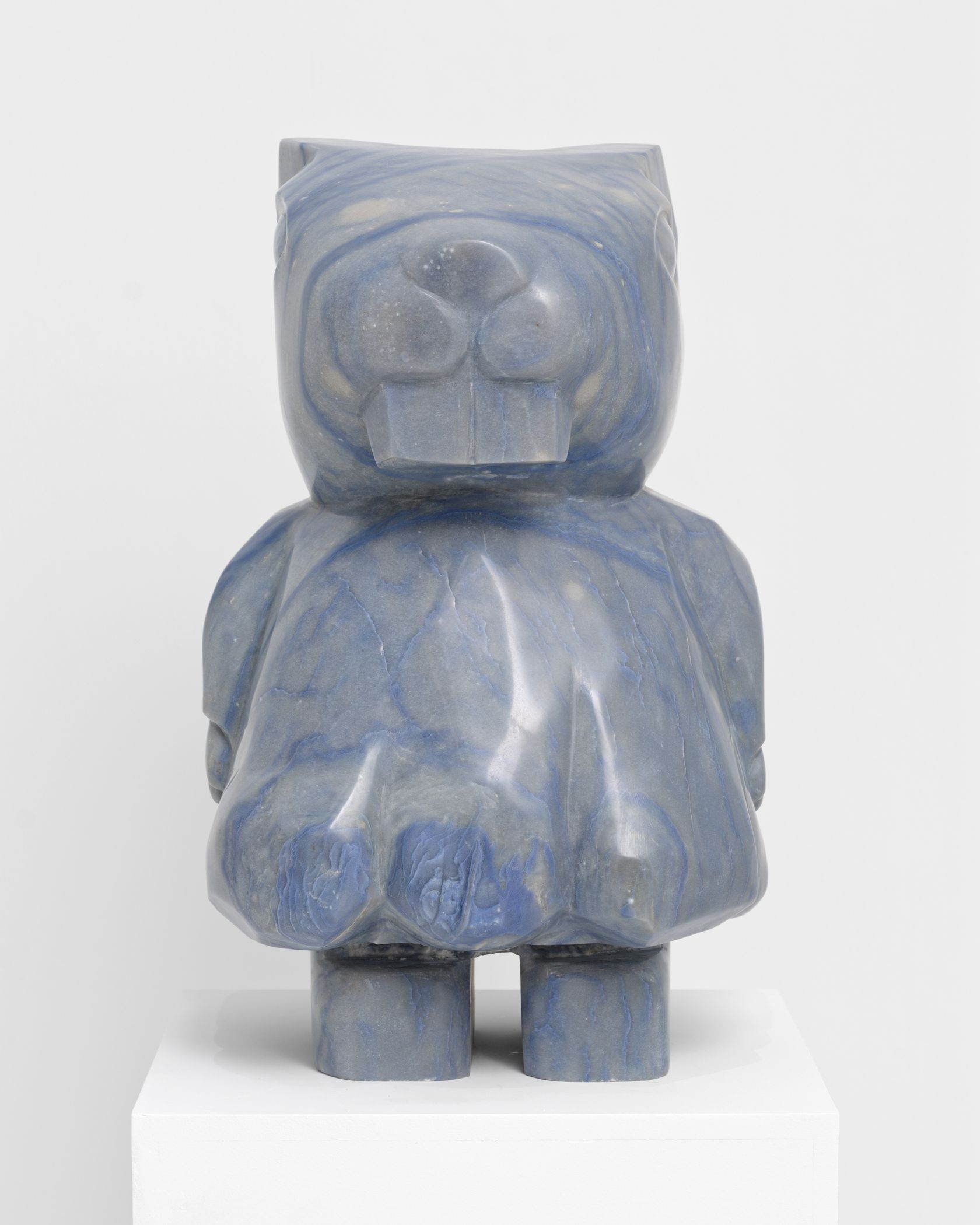
- Stefan Rinck
- Beaver Blu , 2025
- Macauba
-
- 70 ×
- 40 ×
- 40 × cm
- 27 9/16 ×
- 15 3/4 ×
- 15 3/4 × inches
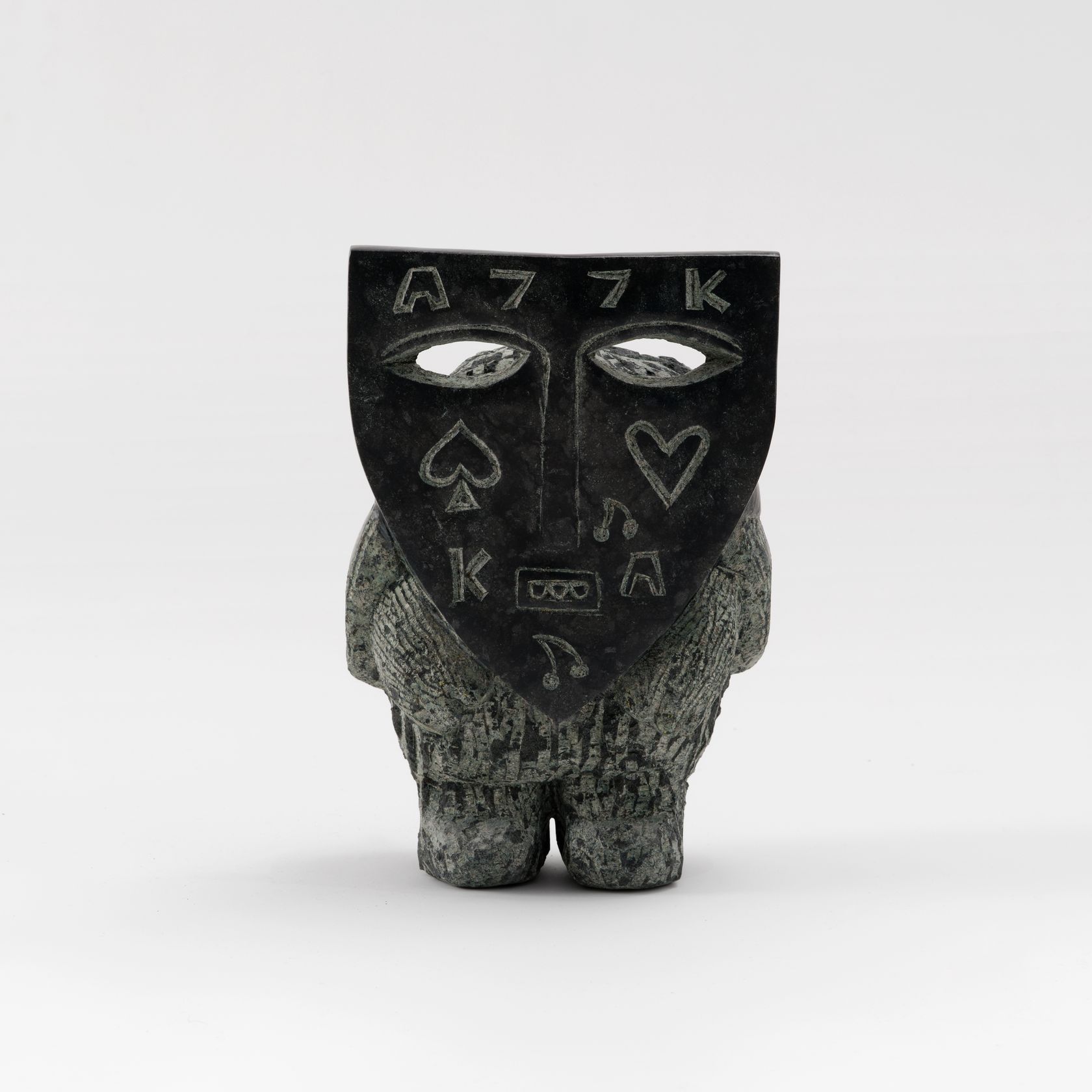
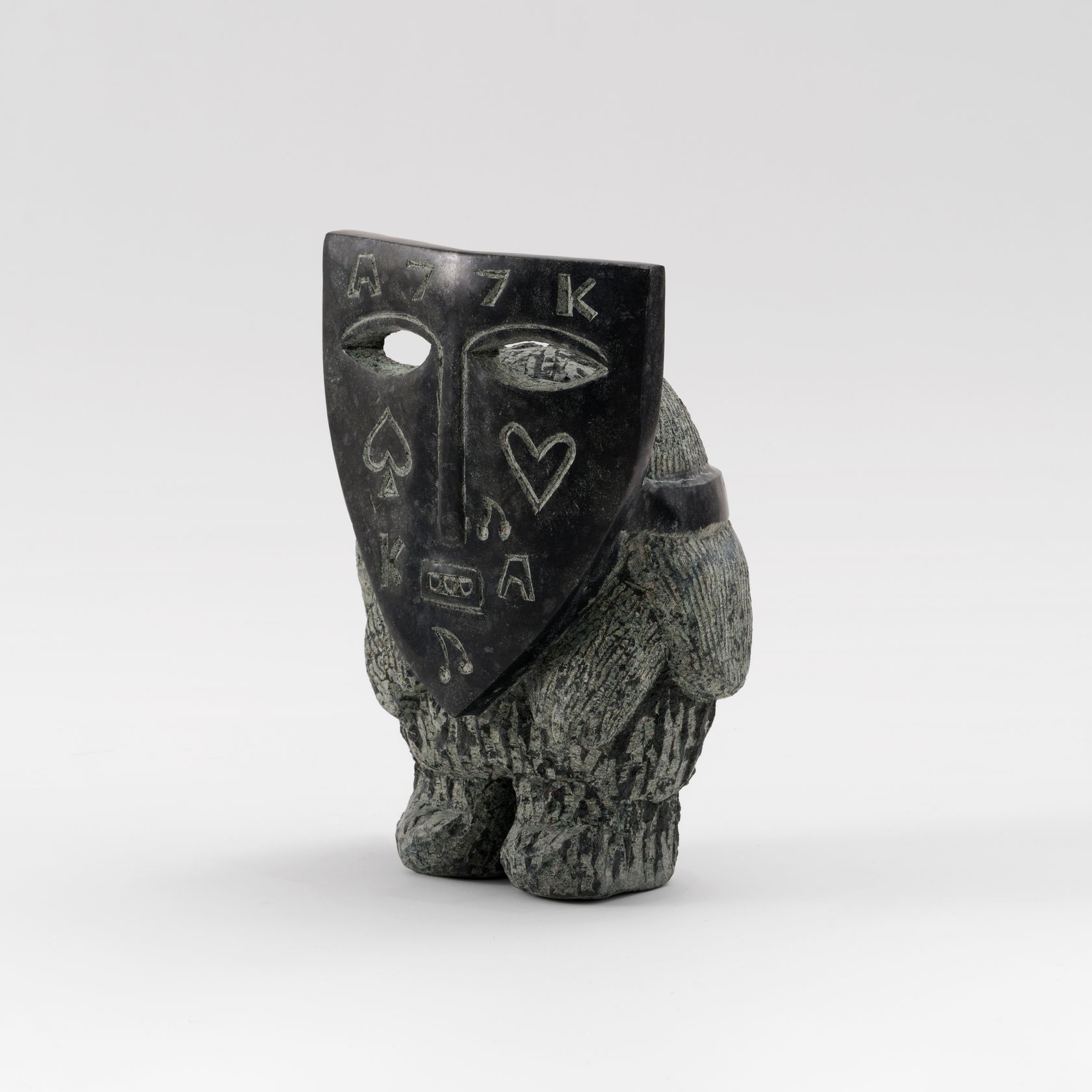
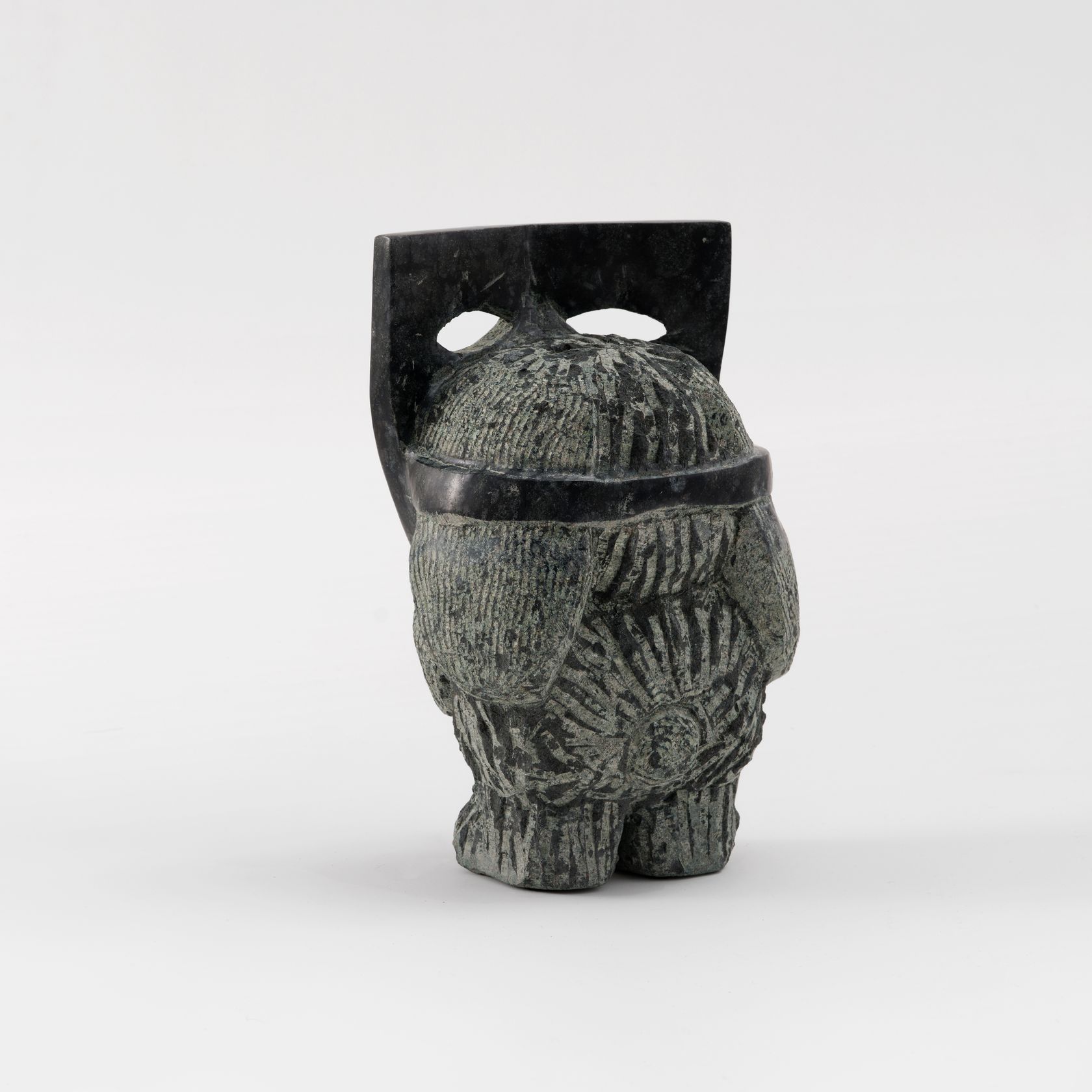
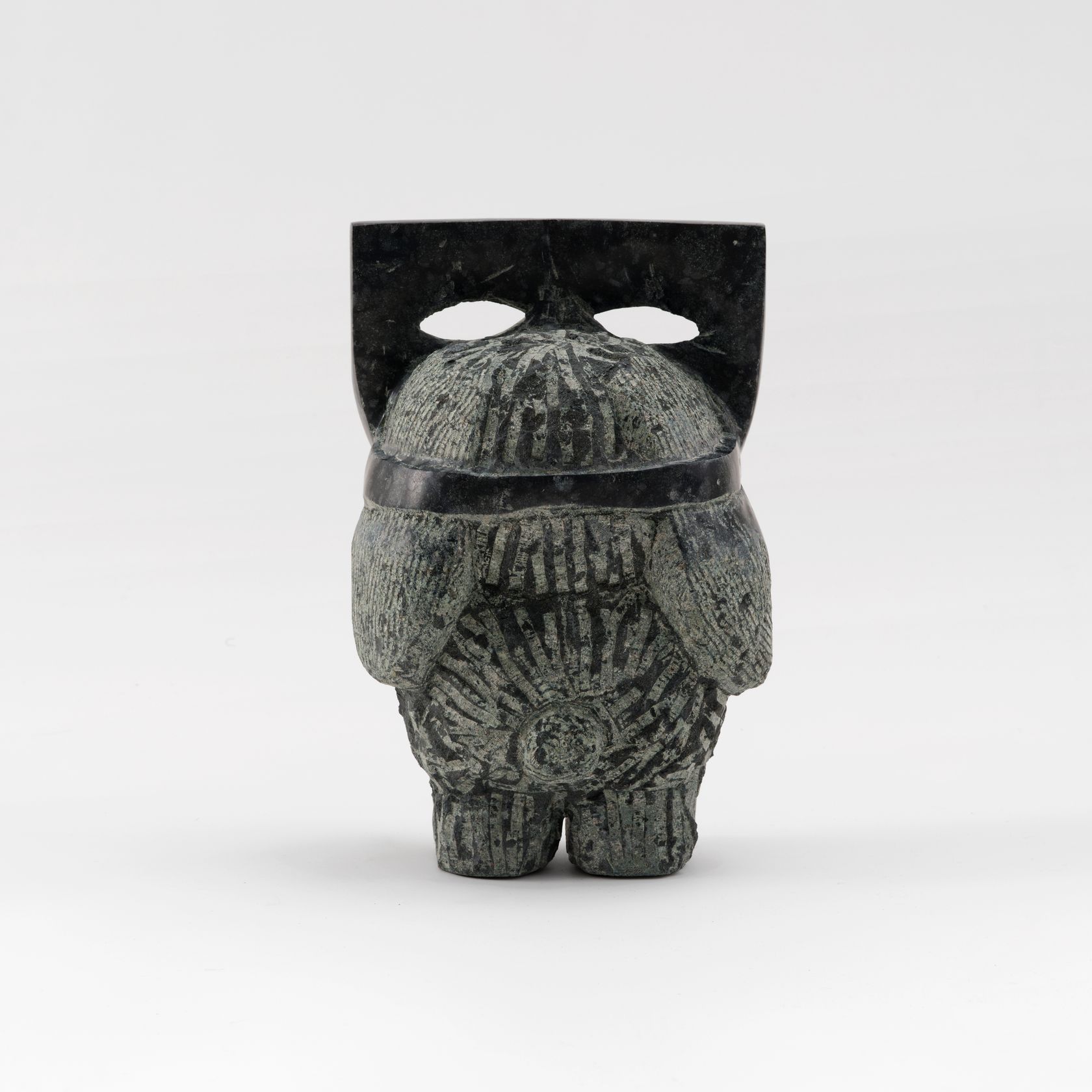
- Stefan Rinck
- The Gambler , 2025
- Diabase
-
- 34 ×
- 23 ×
- 15 × cm
- 13 3/8 ×
- 9 1/16 ×
- 5 7/8 × inches
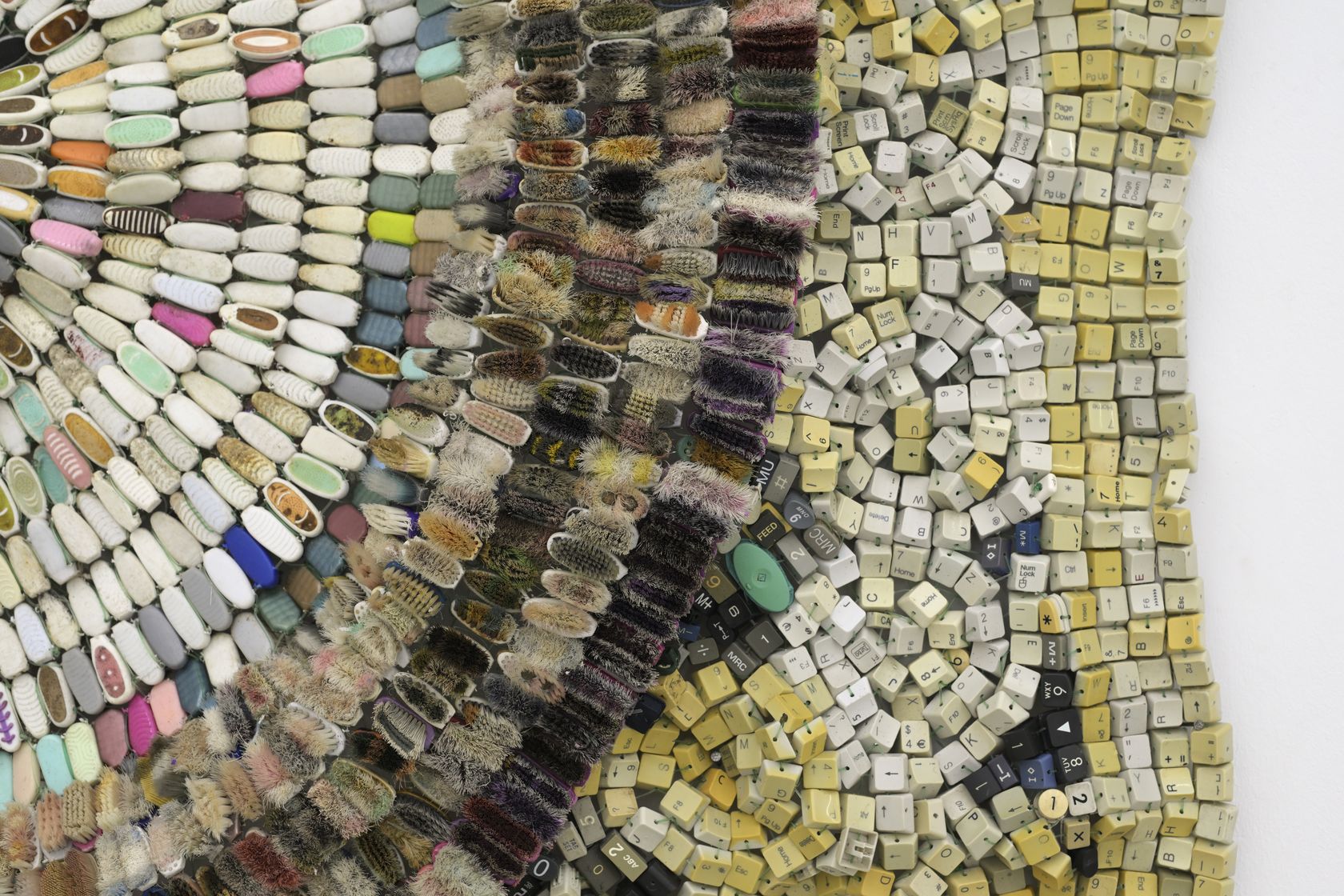
Moffat Takadiwa creates large format sculptures from materials found on garbage dumps, notably computer parts, plastic bottle-caps, toothbrushes and toothpaste tubes. After gathering great quantities of these objects and sorting them by color and shape, the artist weaves these discarded scraps into rich wall hangings. Once suspended, these post-industrial fabrics, through their intricate beauty, acquire an aura of ritual or totemic artifacts.
Born in 1983, Moffat Takadiwa lives and works on the outskirts of Harare in Mbare, one of the largest recycling centers in the country and an important hub for the informal economy. Belonging to the post-independence generation, his work reflects his preoccupation with issues such as consumerism, inequality, post-colonialism and the environment. Since the earliest days of his artistic career, he has used his practice as a platform for the rehabilitation of his community, working with young local artists and designers, with a view to founding the world first artistic center based on the use of reclaimed materials.
The National Gallery of Zimbabwe, Harare, staged a major solo exhibition of Moffat Takadiwa in 2023. In 2024, he had his first solo exhibition in a French institution at the Galerie Édouard Manet, Gennevilliers, and represents Zimbabwe at the 60th Biennale di Venezia alongside five other artists. He exhibited his works in major institutions abroad as well, most notably at the Craft Contemporary (US), during the exhibition organized by Jeffrey Deitch and Gagosian at the Moore Building in Miami (US), at the ARoS Kunstmuseumat, Aarhus (DK), the MACAAL, Marrakesh (MA) and the Arnhem Museum (NL).
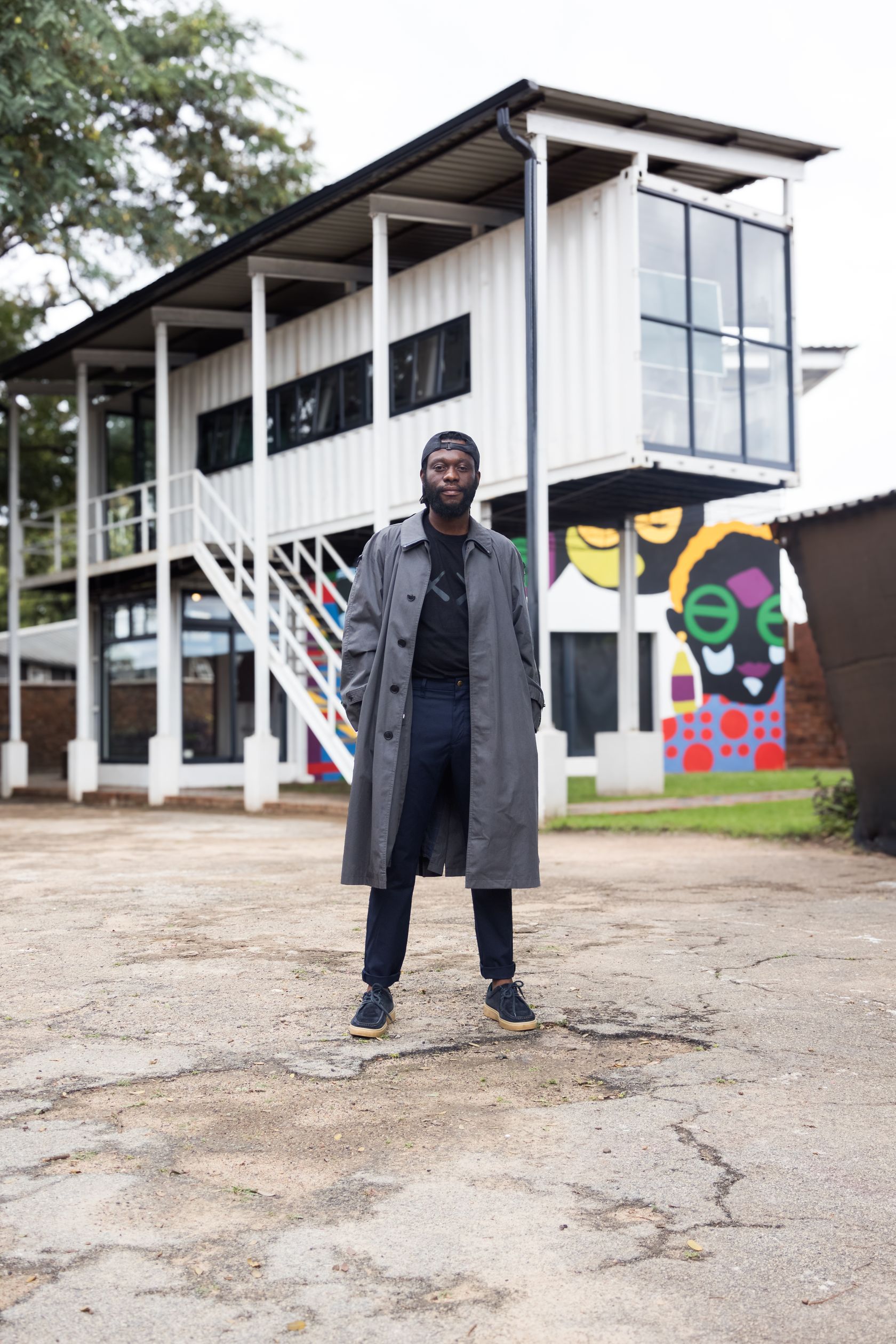
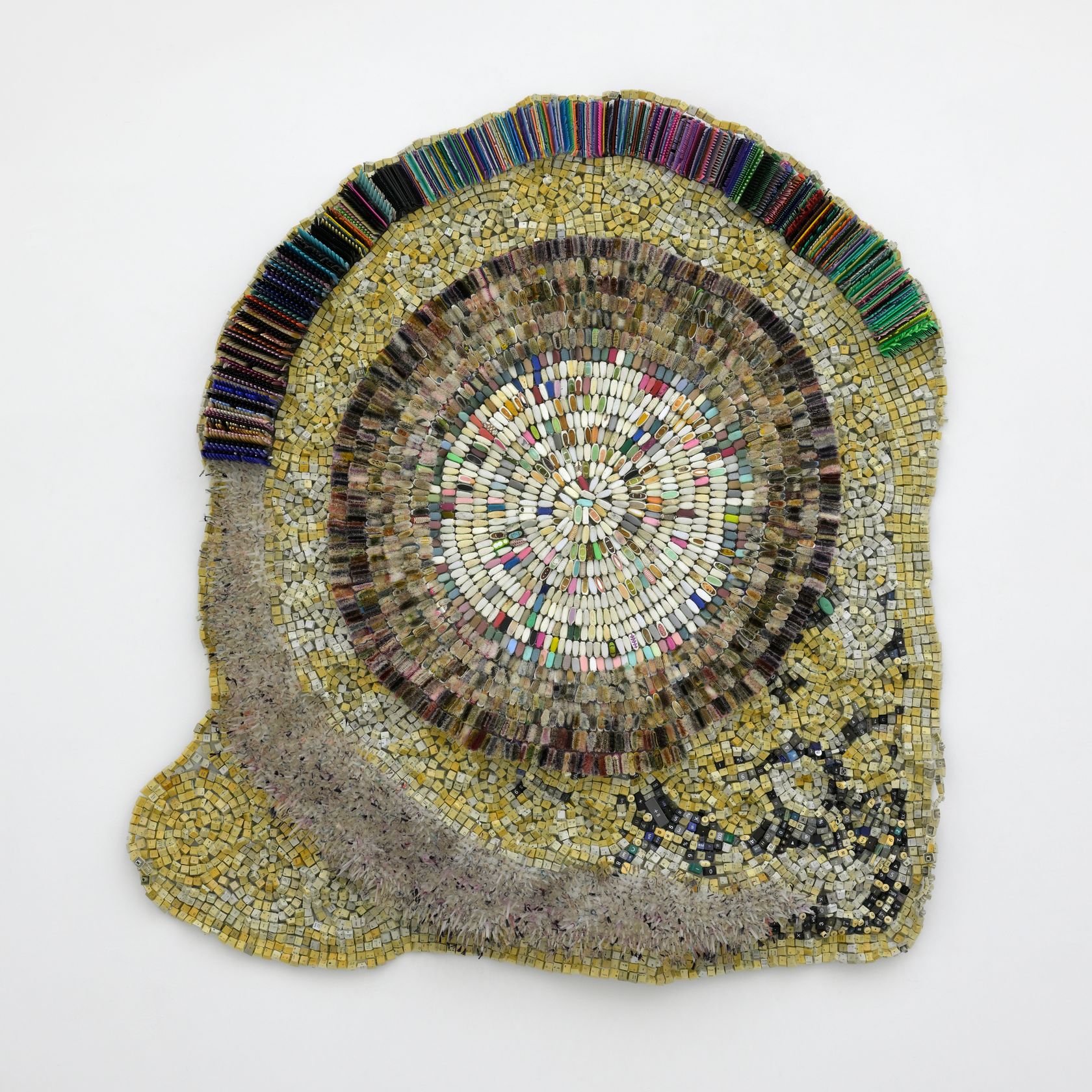
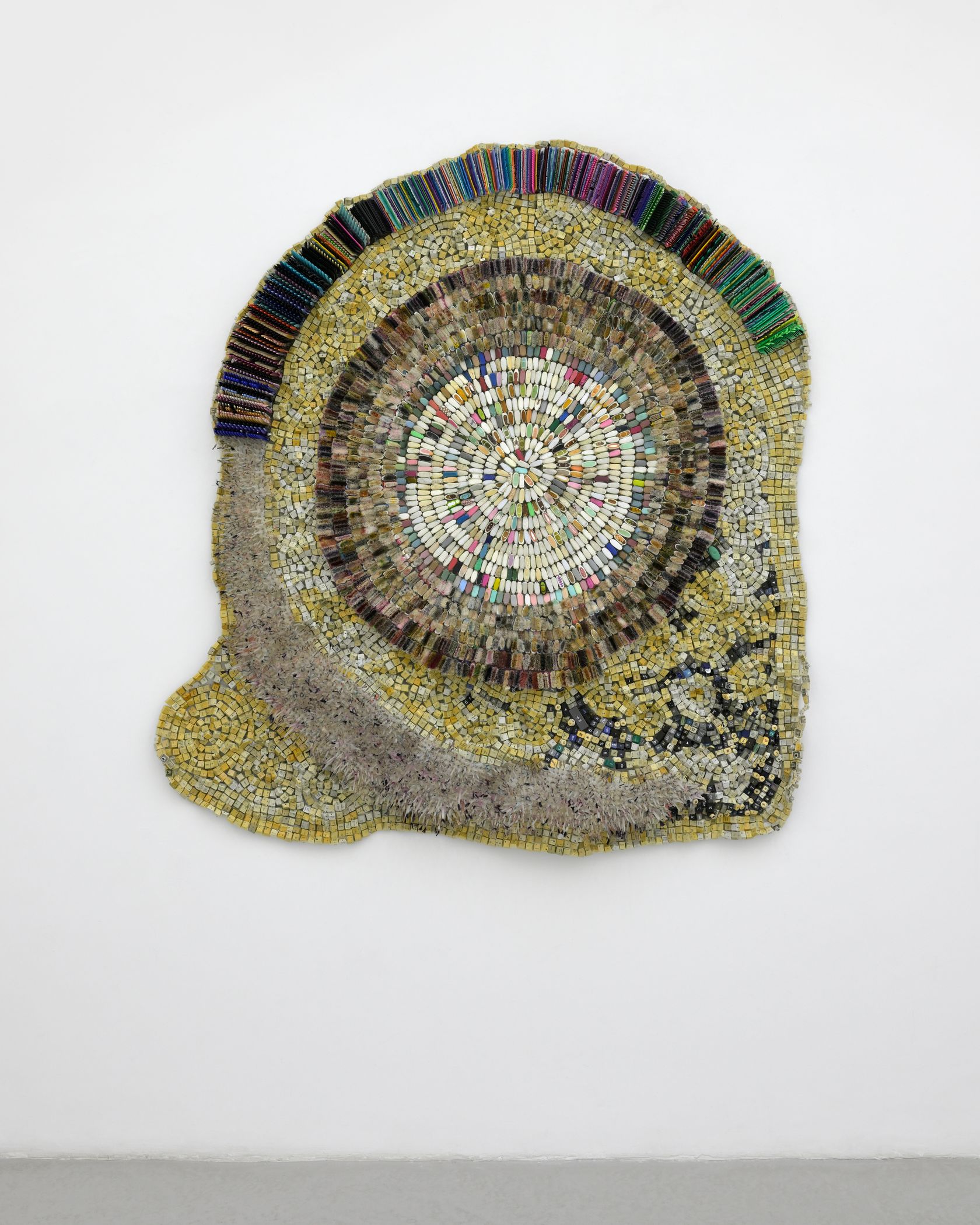
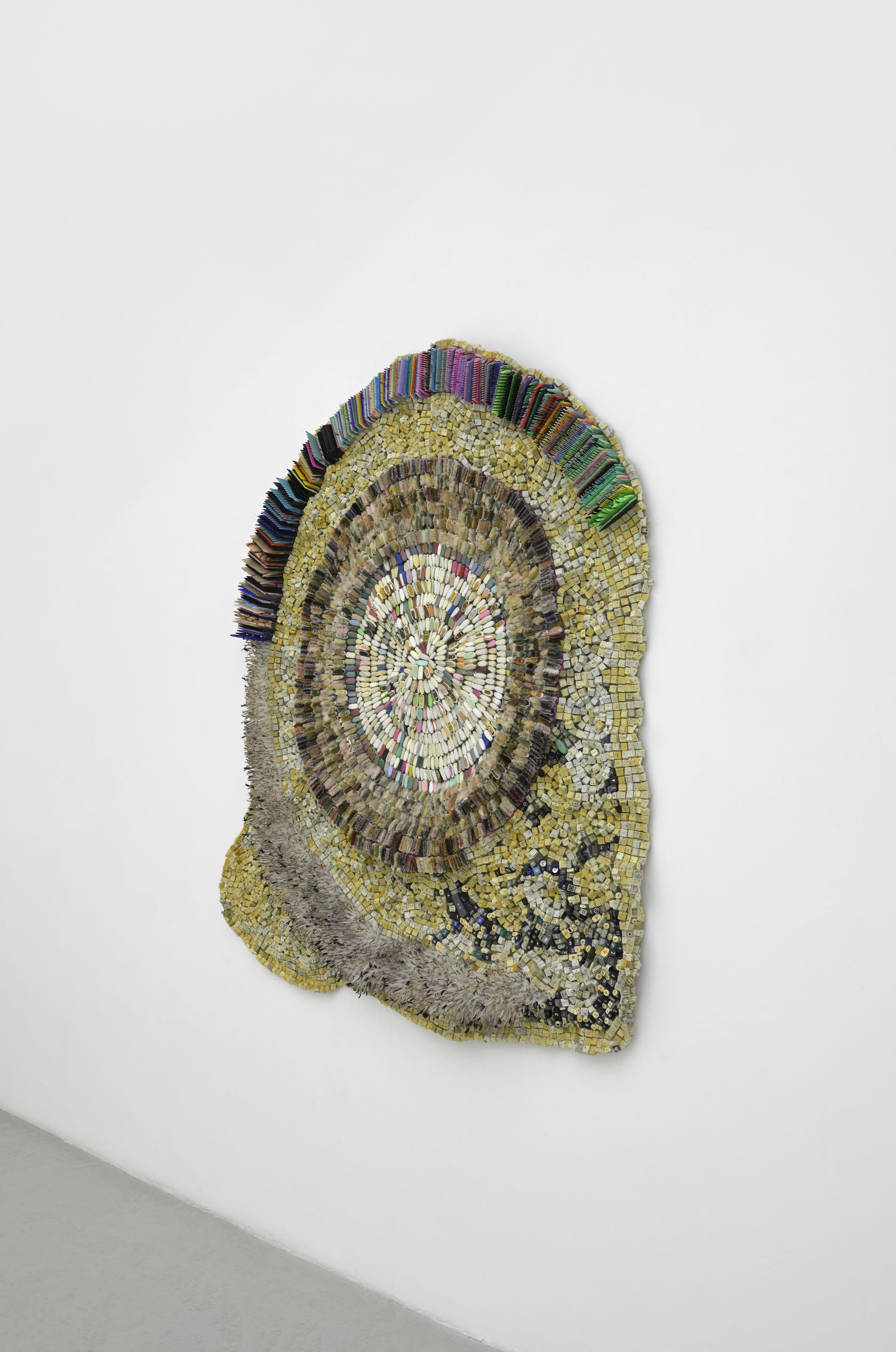
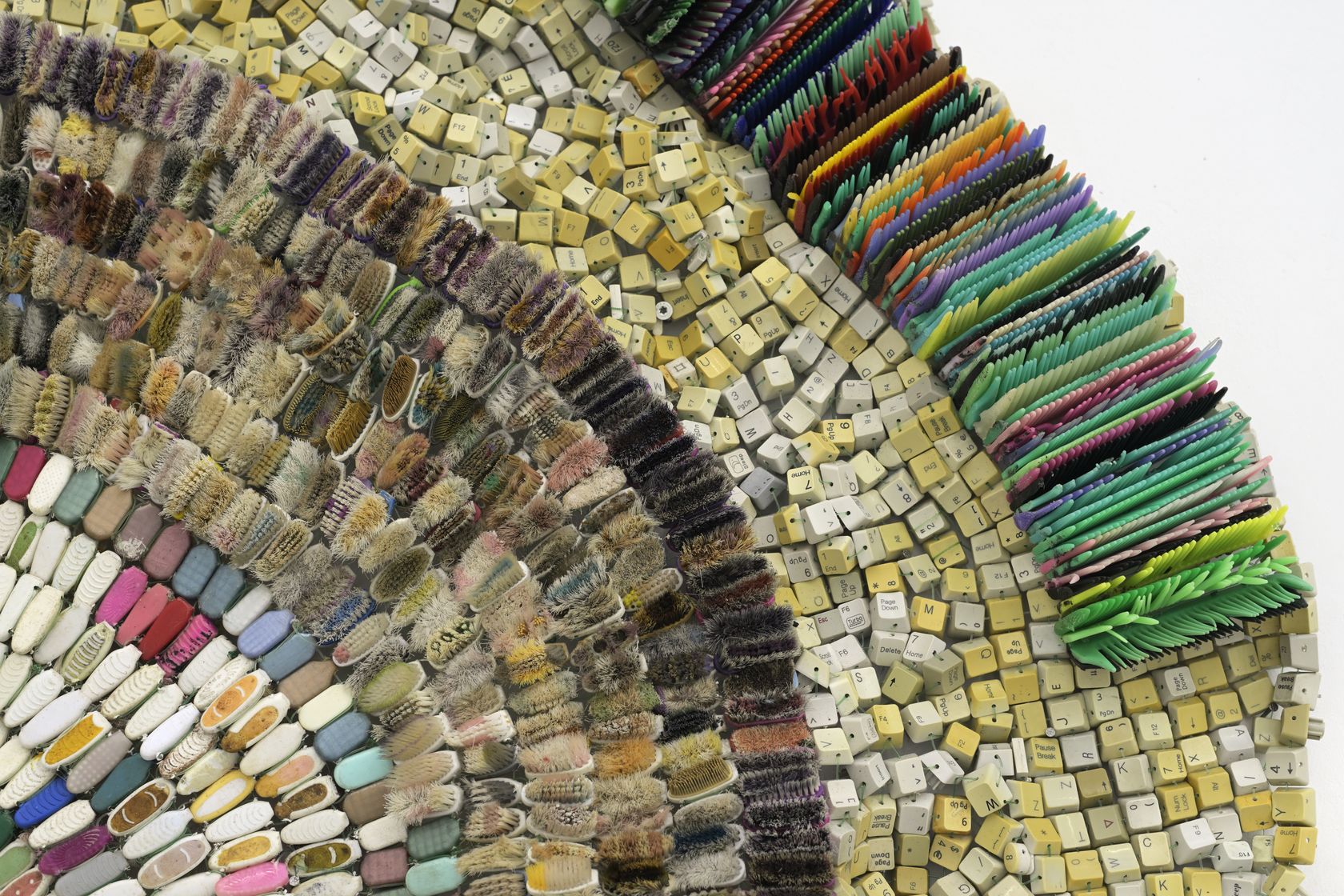
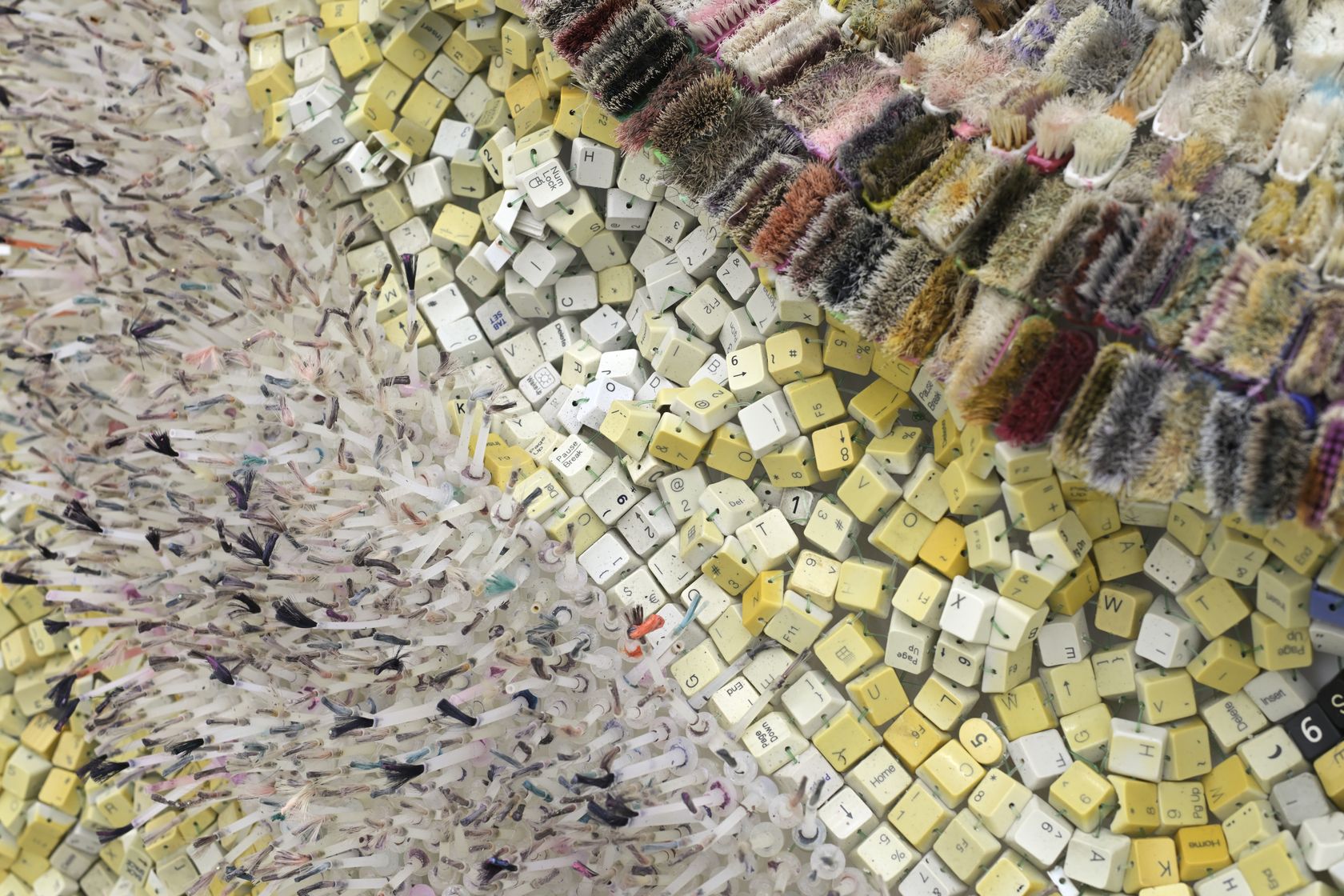
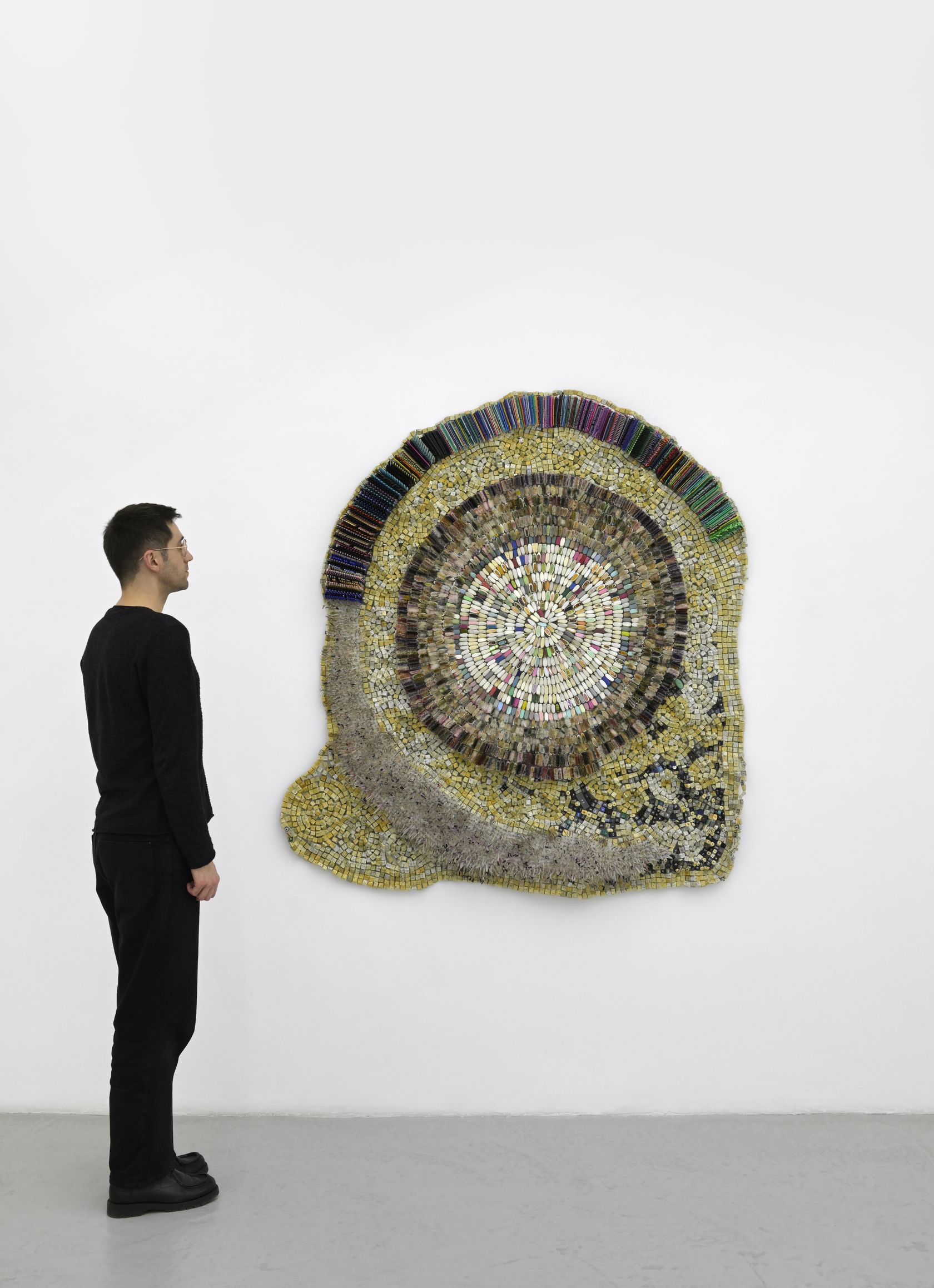
- Moffat Takadiwa
- Crowned Mask , 2026
- Computer and calculator keys, toothbrushes, nail polish tops
-
- 165 ×
- 150 × cm
- 64 15/16 ×
- 59 1/16 × inches
The African-American artist Philemona Williamson (b. 1951) brings together personal and more universal narratives in her brightly colored, large format paintings that portray children and teenagers, often in mysterious situations. She paints directly onto her canvases without preliminary sketches and her paintings thus resemble palimpsests telling their own stories, with multiple layers, figures and scenes appearing across the support, before seemingly being abandoned. Williamson’s works are deeply rooted in her childhood memories and include references to memorabilia, such as dolls typical of American popular culture from the artist’s personal collection, and as such are an invitation to explore mysterious and unfinished tales.
Williamson has been exhibited in numerous American institutions, from her debut solo show at the Queens Museum of Art in 1988, to Metaphorical Narratives, at the Montclair Art Museum, New Jersey, in 2017, which spanned the thirty years of her artistic career. Her works can be seen in many public collections across the USA and she has been commissioned for several public projects, most notably by the New York Metropolitan Transport Authority. In 2022, she was one of fifteen recipients of the Anonymous Was A Woman prize, awarded annually since 1986 to women artists over the age of 40, in recognition of their previous and future work.
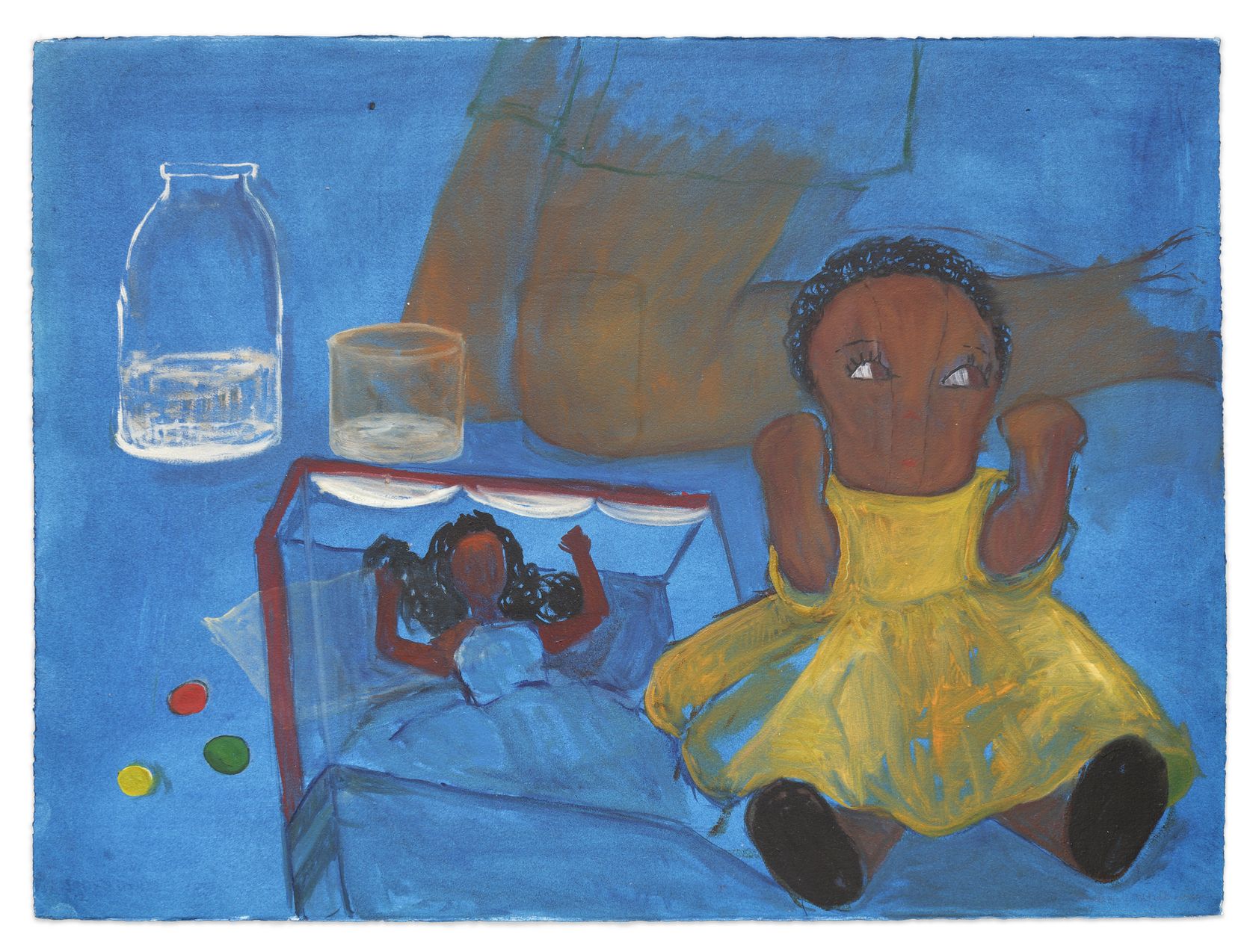
- Philemona Williamson
- Stored Memory , 2020
- Oil on paper
-
- 56 ×
- 76 × cm
- 22 ×
- 30 × inches
- unframed
- 64.5 ×
- 83.5 ×
- 4 × cm
- 25 3/8 ×
- 32 7/8 ×
- 1 9/16 × in
- framed
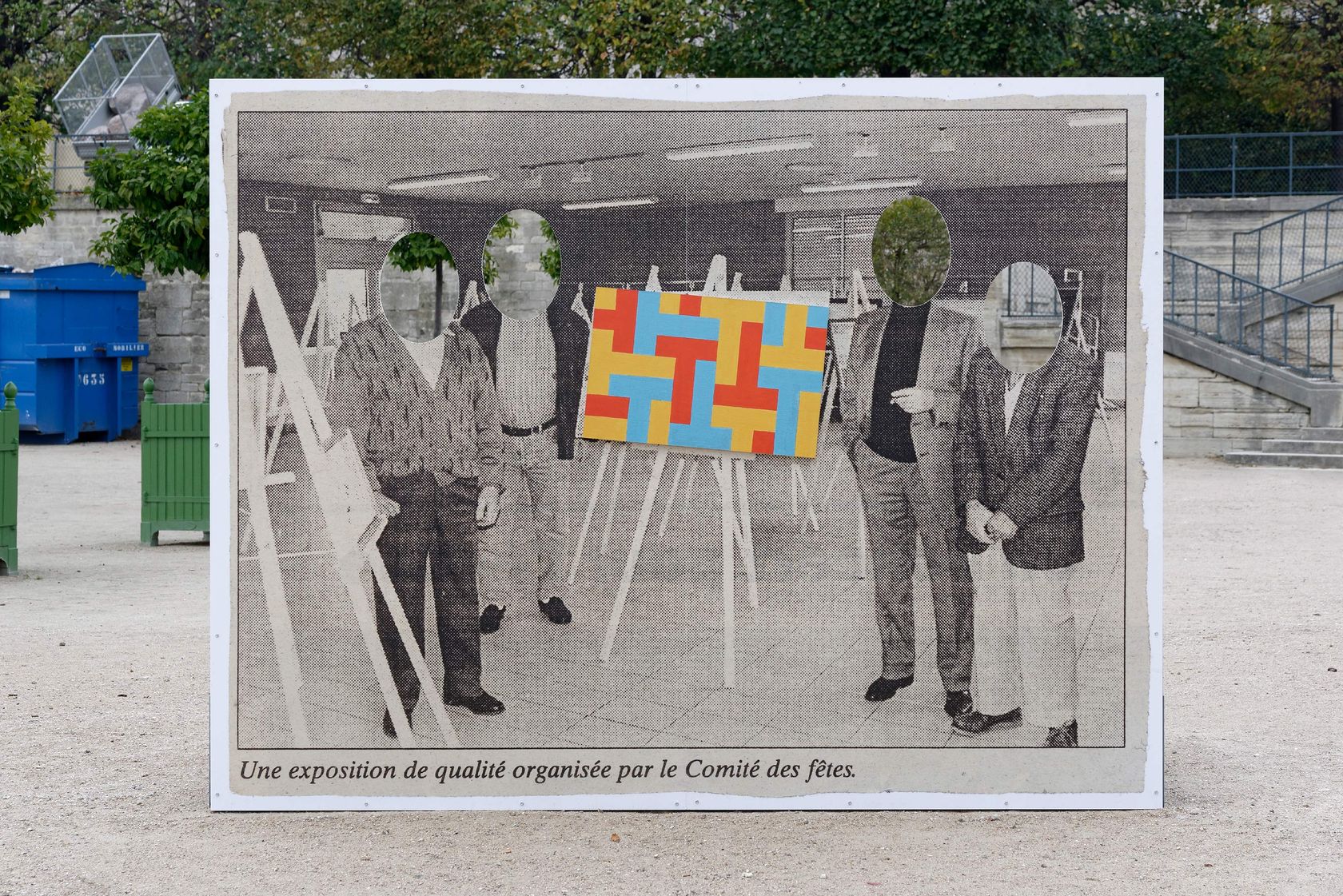
Going under a pseudonym borrowed from a character in an American comedy show, Ernest T. is a French artist whose work is in line with Dadaism and the Incoherents. His oeuvre, takes a swipe at the heavily coded and overwhelmingly serious world of contemporary art, in a subversive and conceptual manner. Through the use of misappropriation, image manipulation and even plagiarism, enhanced by linguistic games and caricatured drawings, the artist examines the world of art from the perspective of its moral turpitude, greed and other pretentions.
Ernest T. began his artistic experimentation in the 1960s with a collection of small, comic calendars, which eventually ended up as a series under the name Dessins français (French Drawings). During the 1980s, he created his pseudonym and began to work on his well-known series Peintures nulles (Useless Paintings), which he envisaged as ‘Painting Degree Zero’. In reaction to the phenomenon of the idolization of the artist, which valued the signature more than the work itself, Ernest T. produced a number of paintings where his signature took over the whole canvas. These works followed a protocol in which capital ‘T’s, painted in three primary colors, dovetail with each other in the manner of Penrose tiling, where letters of the same color never touch each other. These narcissistic arrangements are integrated into offbeat sketches that mock the legitimization processes of art as well as other practices linked with the signature of a work, its authenticity, its hidden meanings, etc.
Ernest T’s works are included in the collections of the Musée national d'art moderne - Pompidou Center (FR), the CNAP, Paris (FR), the MAMCO in Geneva (CH), the IAC Villeurbanne and numerous regional contemporary art centers across France.
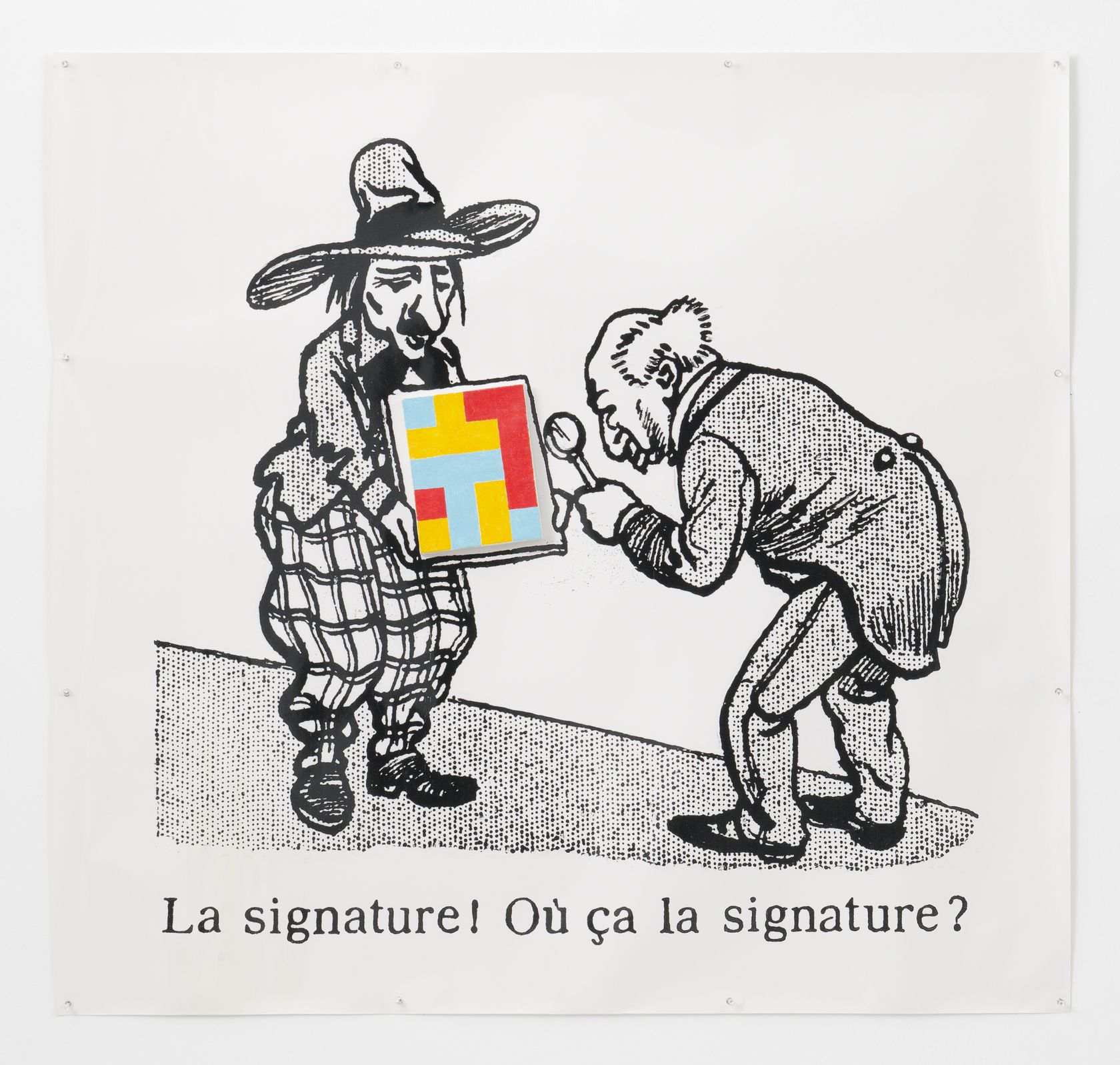
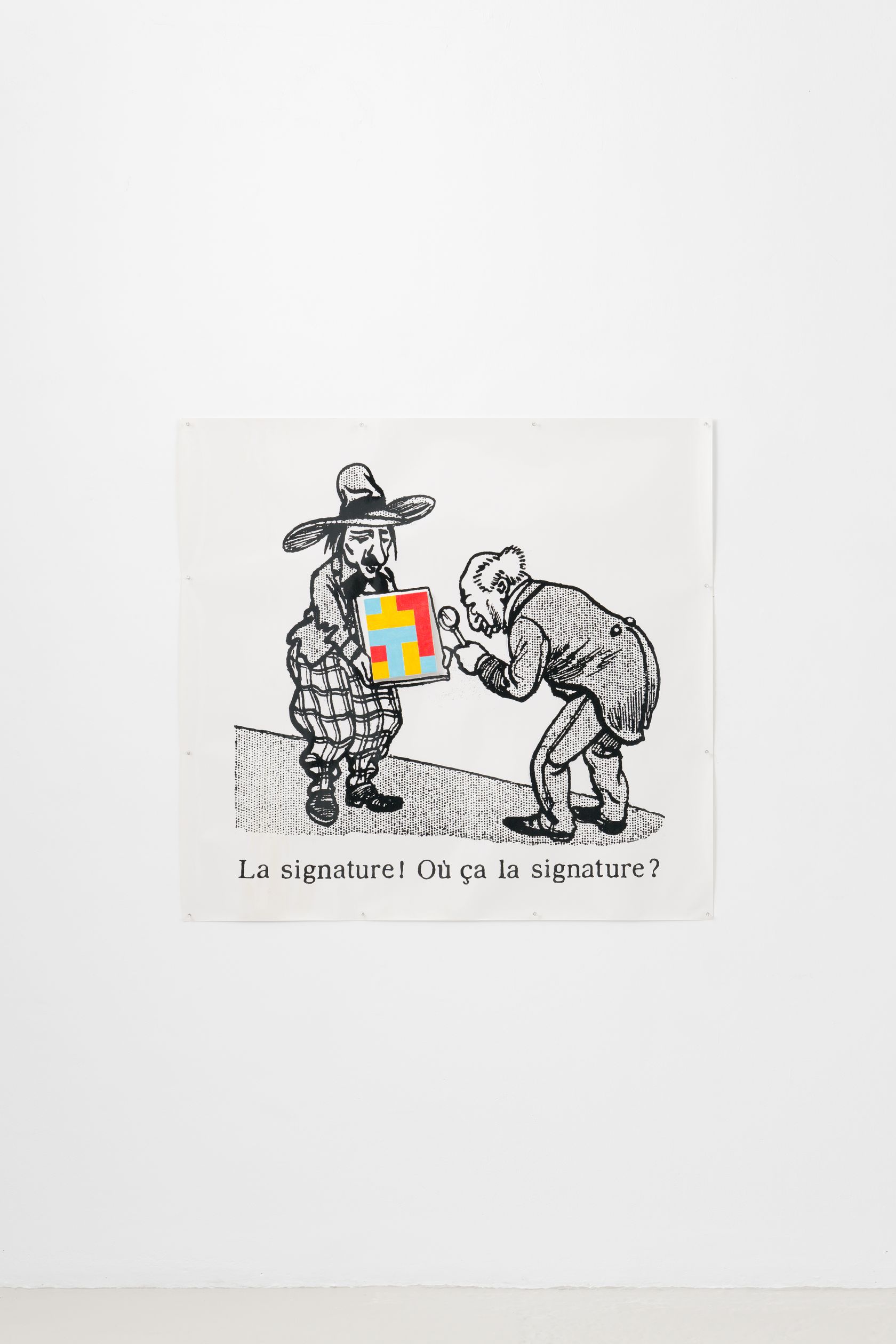
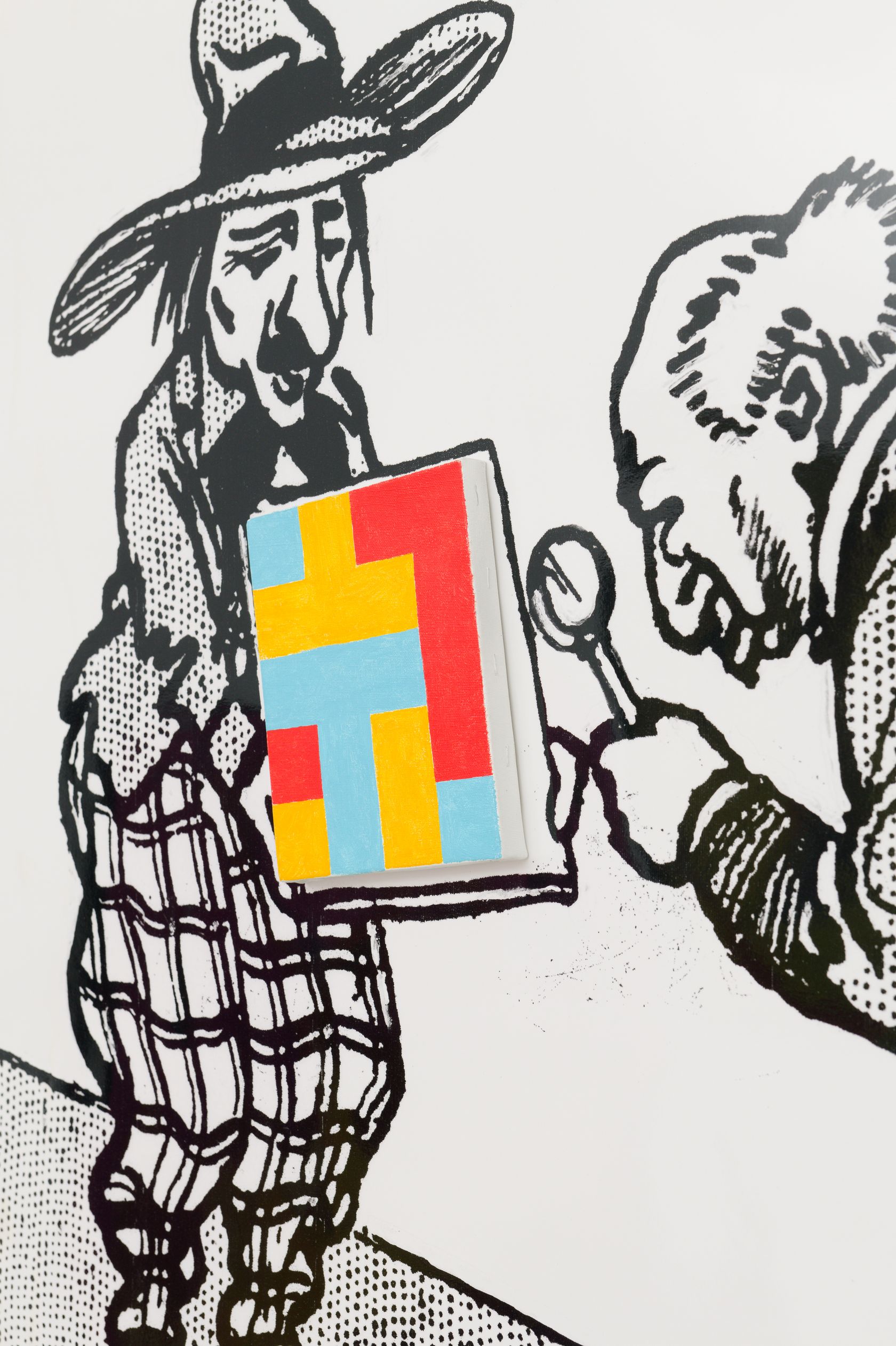
- Ernest T.
- La signature! Où ça la signature? , 1990
- Photographic paper and acrylic on canvas (peinture nulle n°140)
-
- 131 ×
- 120 ×
- 19 × cm
- 51 5/8 ×
- 47 2/8 ×
- 7 1/2 × inches