
To learn more about available works, please provide your contact information
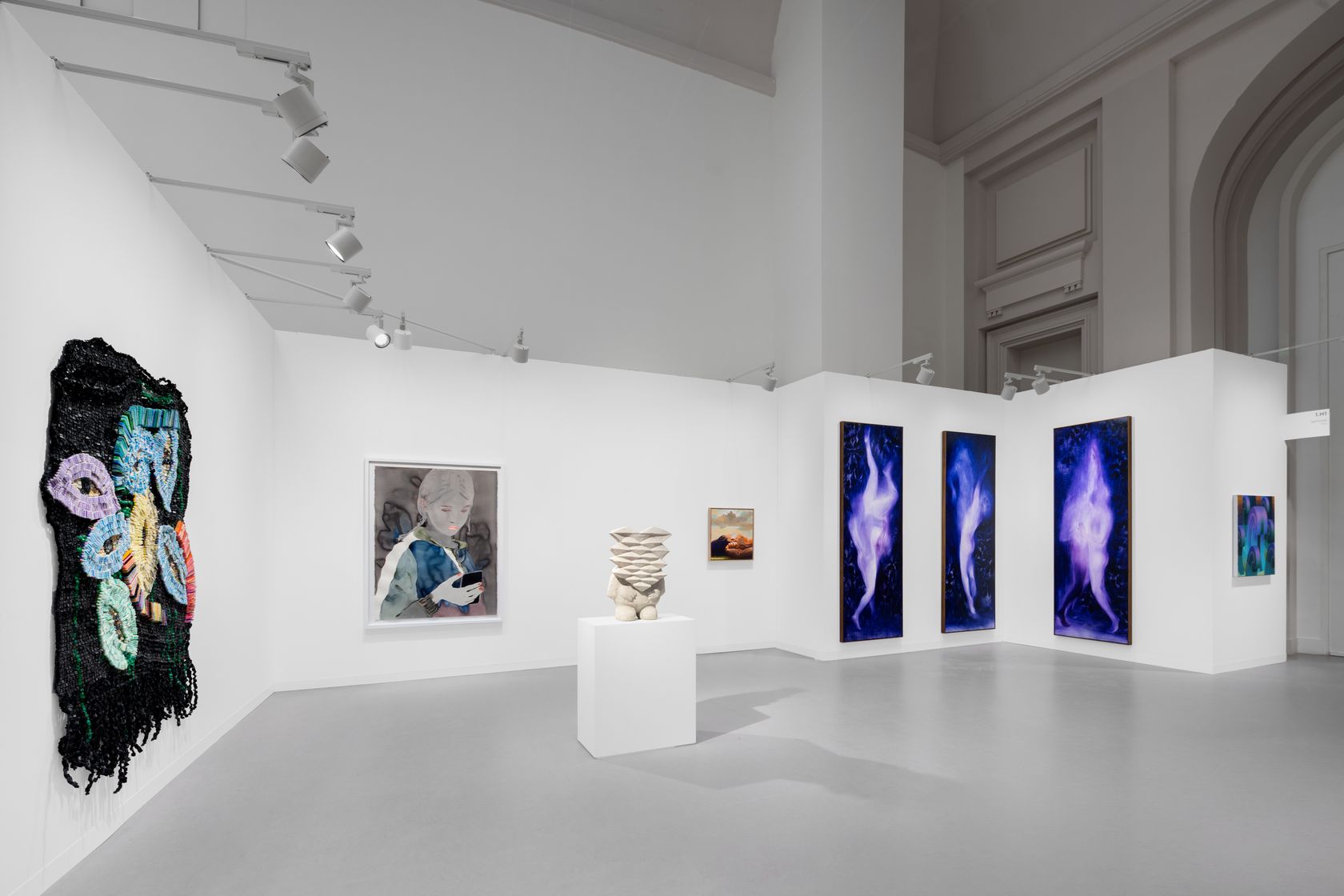
Art Basel Paris
Booth H1
October 23 - 25, 2026
with Amélie Bertrand
Françoise Pétrovitch
Laurent Proux
Stefan Rinck
Moffat Takadiwa
Philemona Williamson
Xie Lei
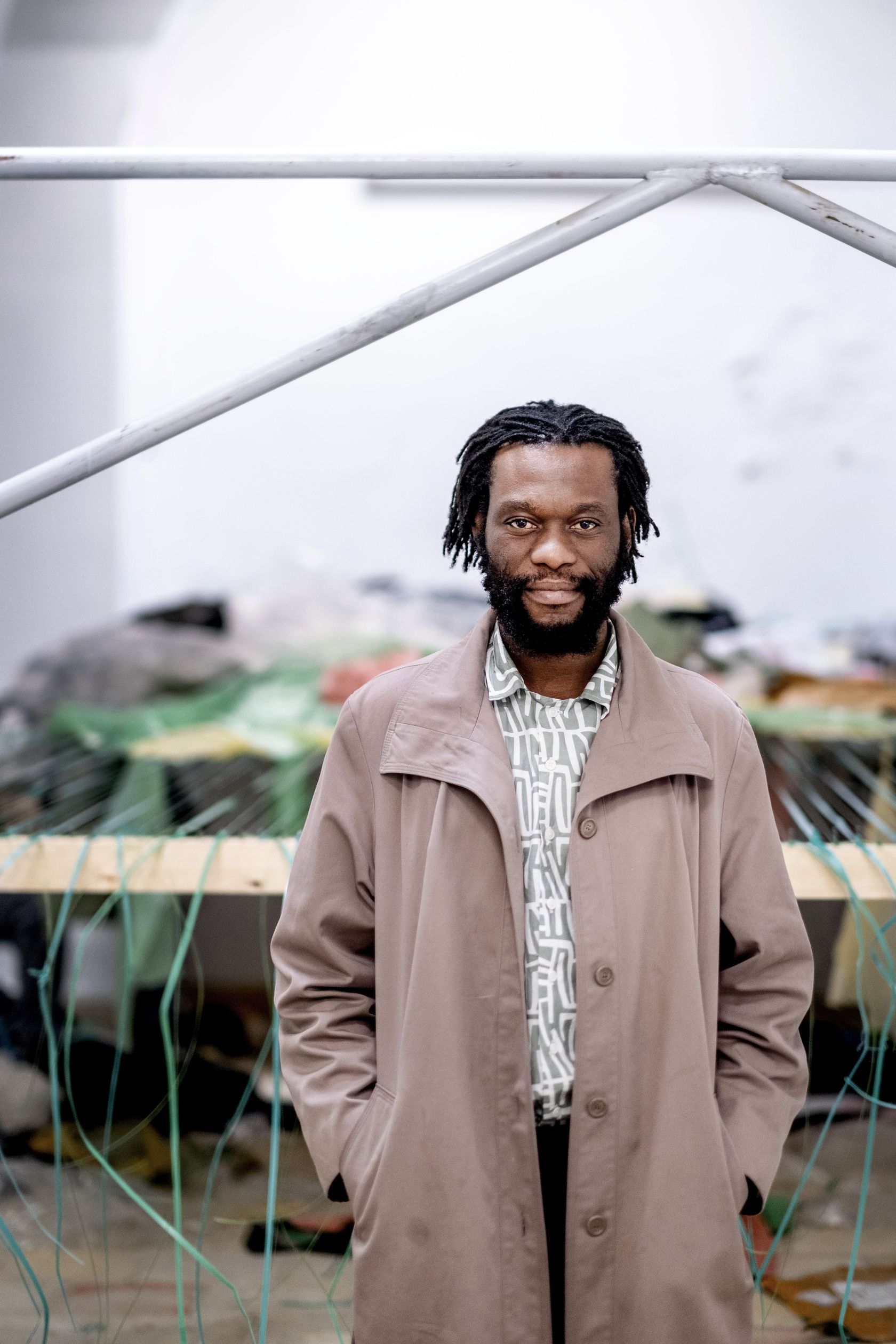
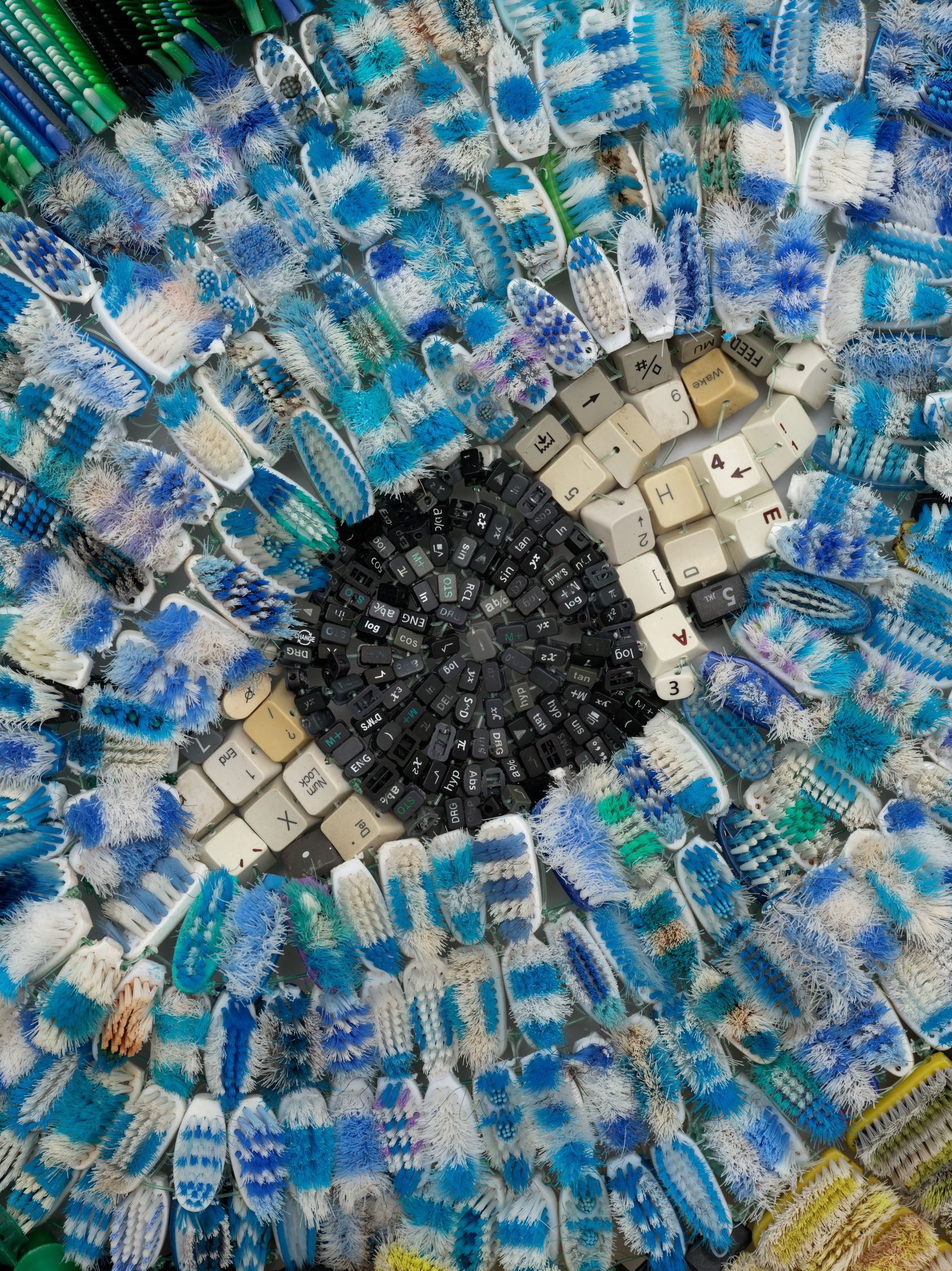
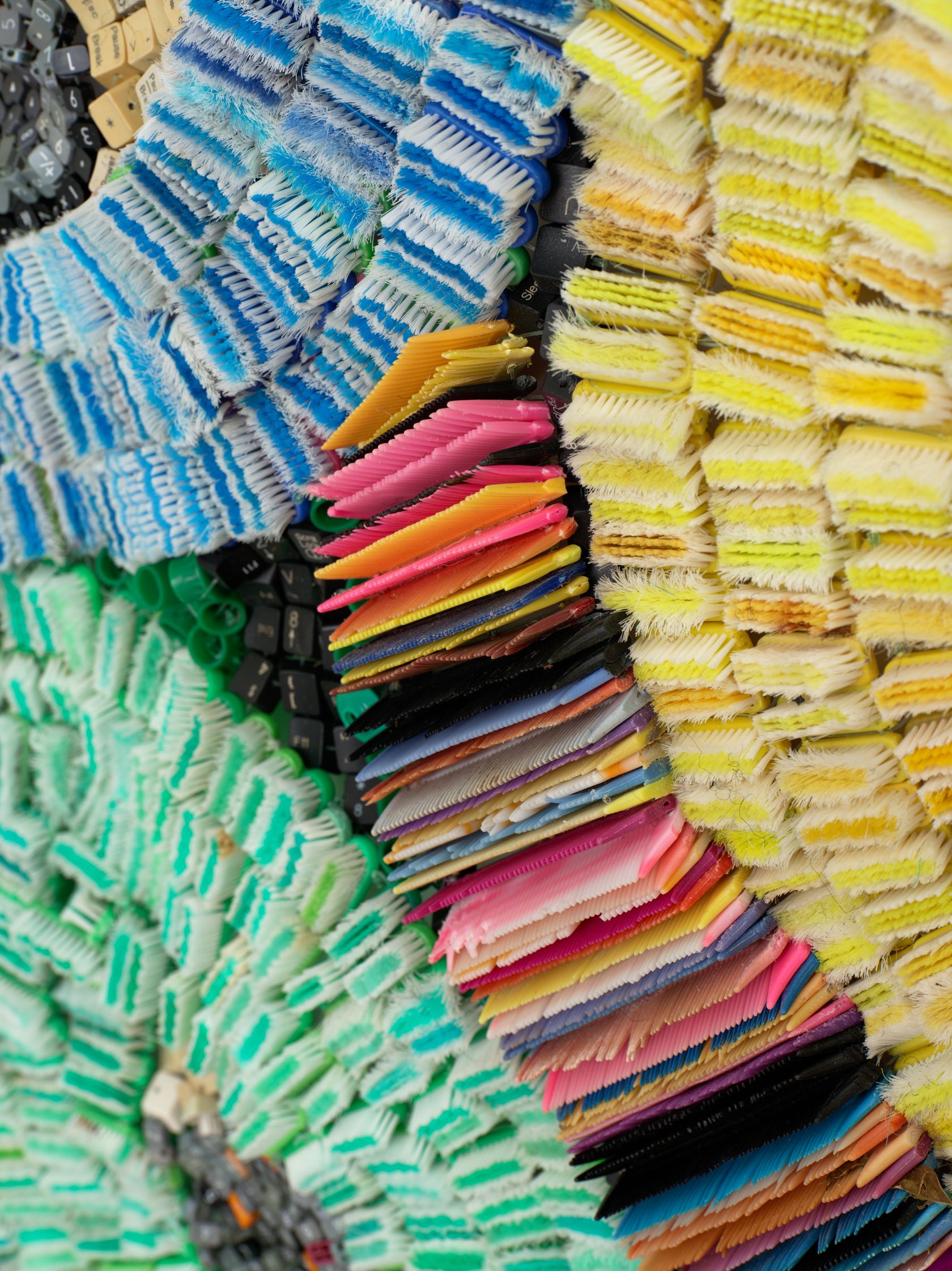
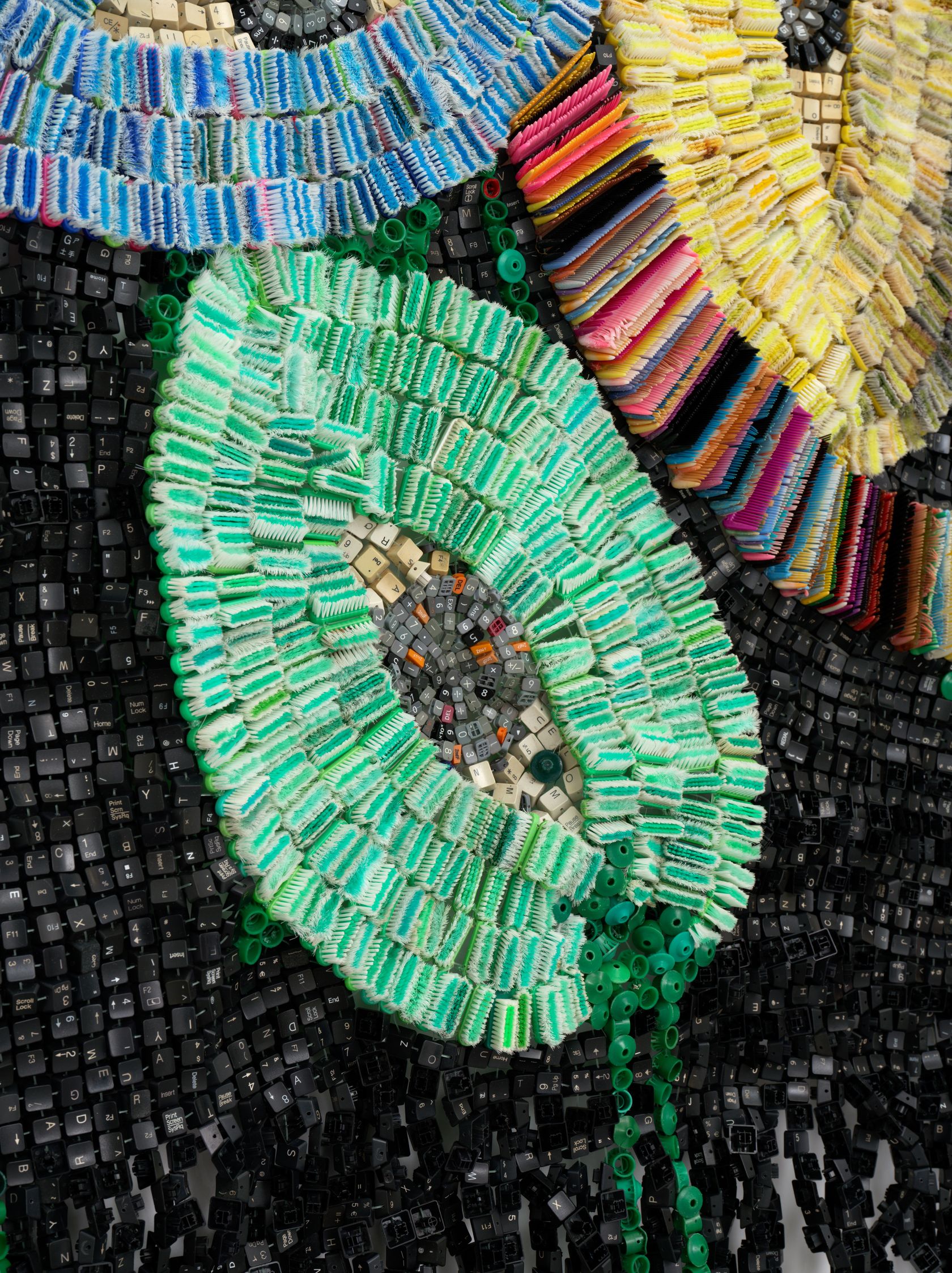
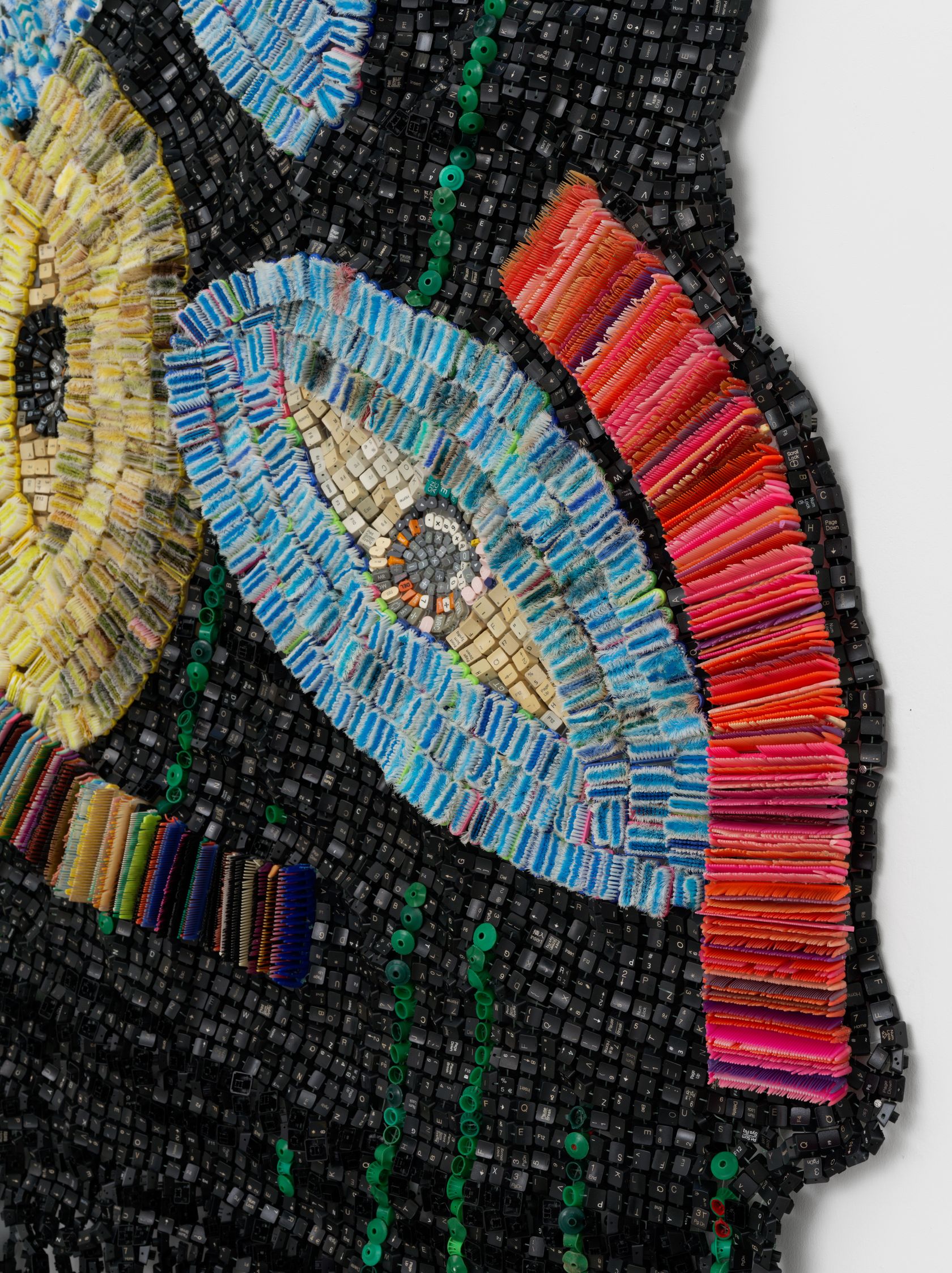
Moffat Takadiwa creates large format sculptures from materials found on garbage dumps, notably computer parts, plastic bottle-caps, toothbrushes and toothpaste tubes. After gathering great quantities of these objects and sorting them by color and shape, the artist weaves these discarded scraps into rich wall hangings. Once suspended, these post-industrial fabrics, through their intricate beauty, acquire an aura of ritual or totemic artifacts.
Born in 1983, Moffat Takadiwa lives and works on the outskirts of Harare in Mbare, one of the largest recycling centers in the country and an important hub for the informal economy. Belonging to the post-independence generation, his work reflects his preoccupation with issues such as consumerism, inequality, post-colonialism and the environment. Since the earliest days of his artistic career, he has used his practice as a platform for the rehabilitation of his community, working with young local artists and designers, with a view to founding the world first artistic center based on the use of reclaimed materials.
A solo exhibition dedicated to his work was presented at the National Gallery of Zimbabwe in Harare in 2023. The following year, he represented Zimbabwe at the 60th Venice Biennale. In 2025, he was invited to present a monumental installation at the São Paulo Biennial.
His work has also been exhibited at numerous international institutions, including Craft Contemporary (USA), the Moore Building in Miami as part of an exhibition organized by Jeffrey Deitch and Gagosian (USA), ARoS Aarhus Art Museum in Aarhus (DK), MACAAL in Marrakech (MA), and CAPC musée d'art contemporain de Bordeaux in Bordeaux (FR).
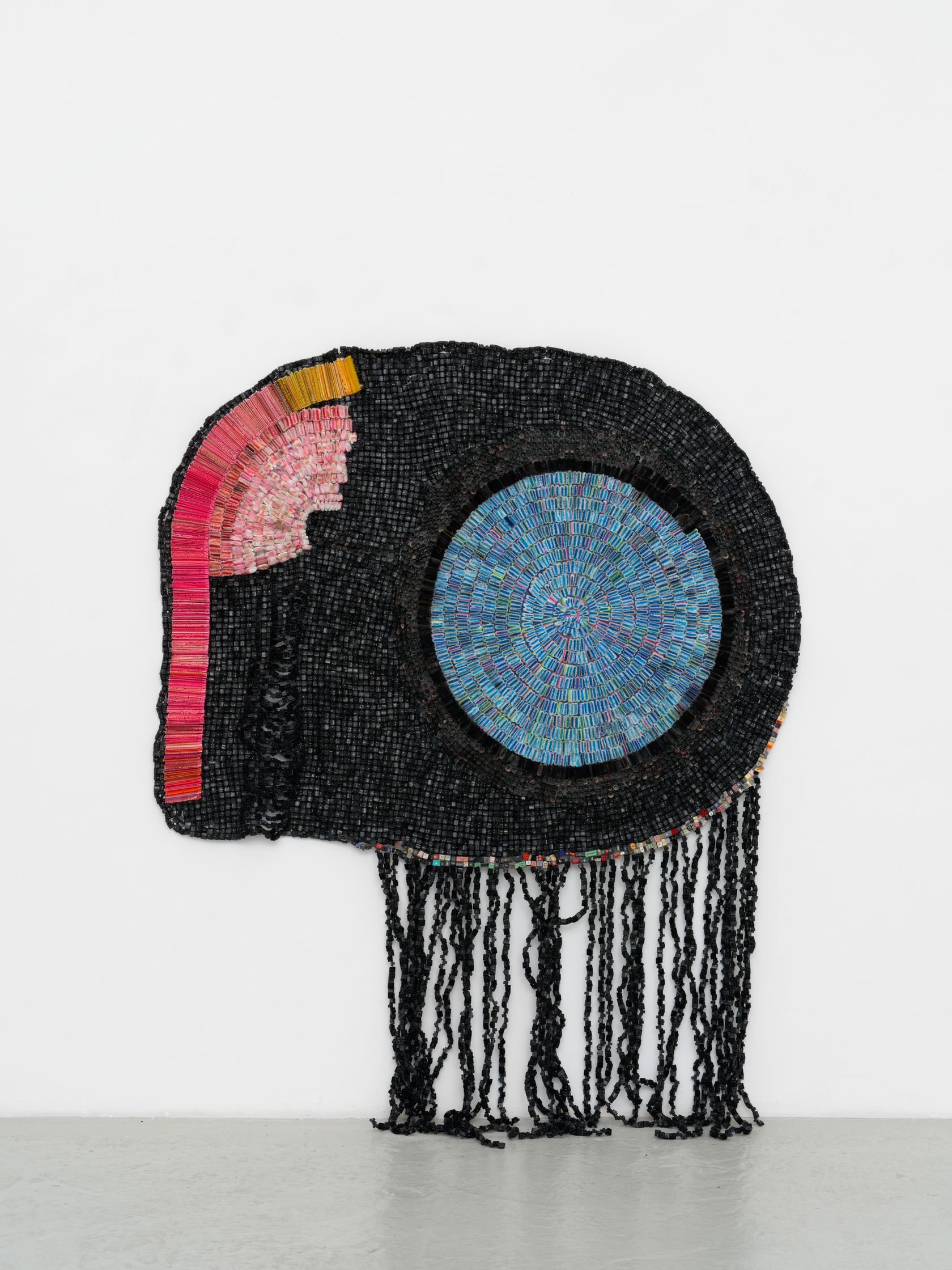
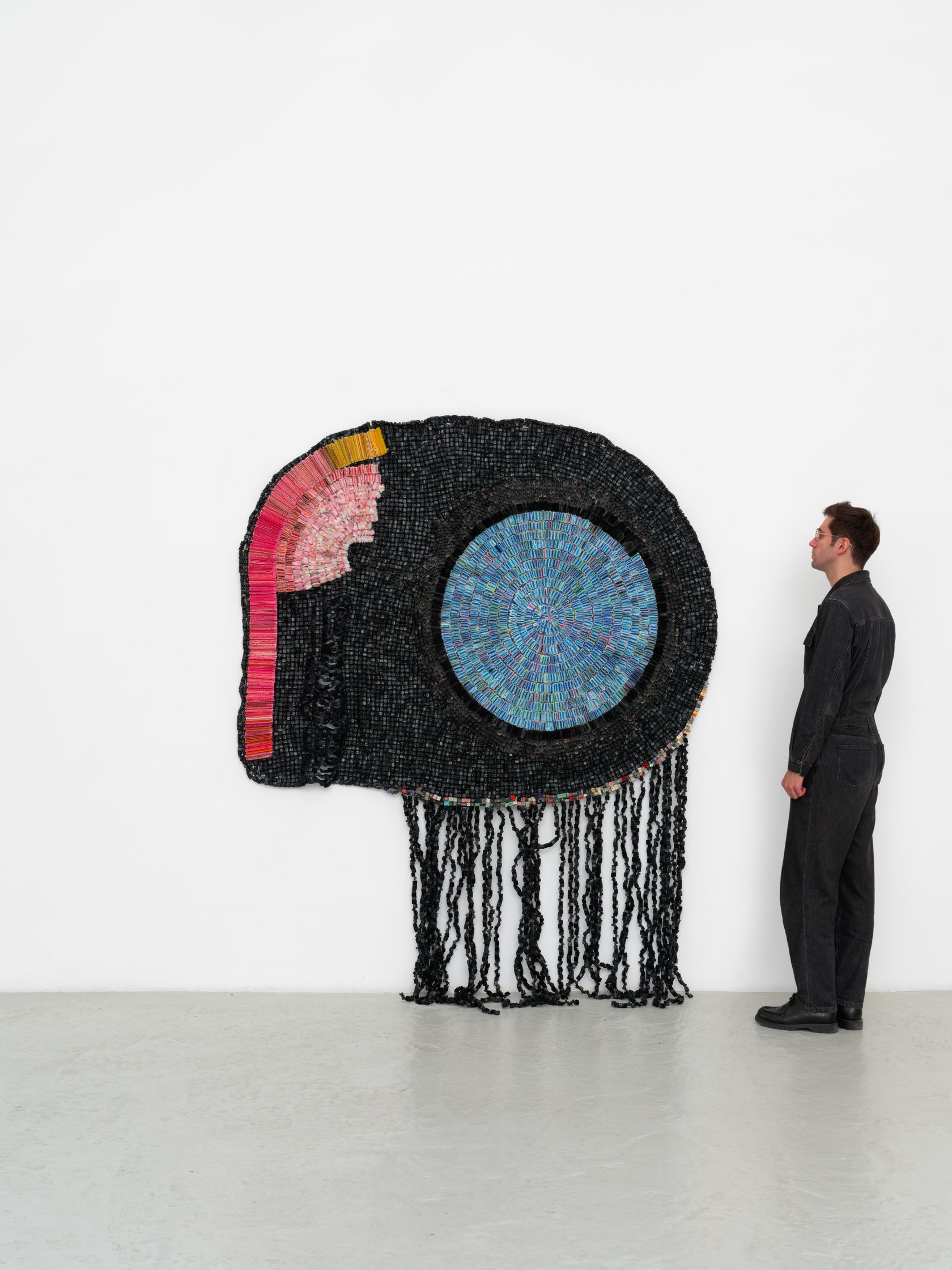
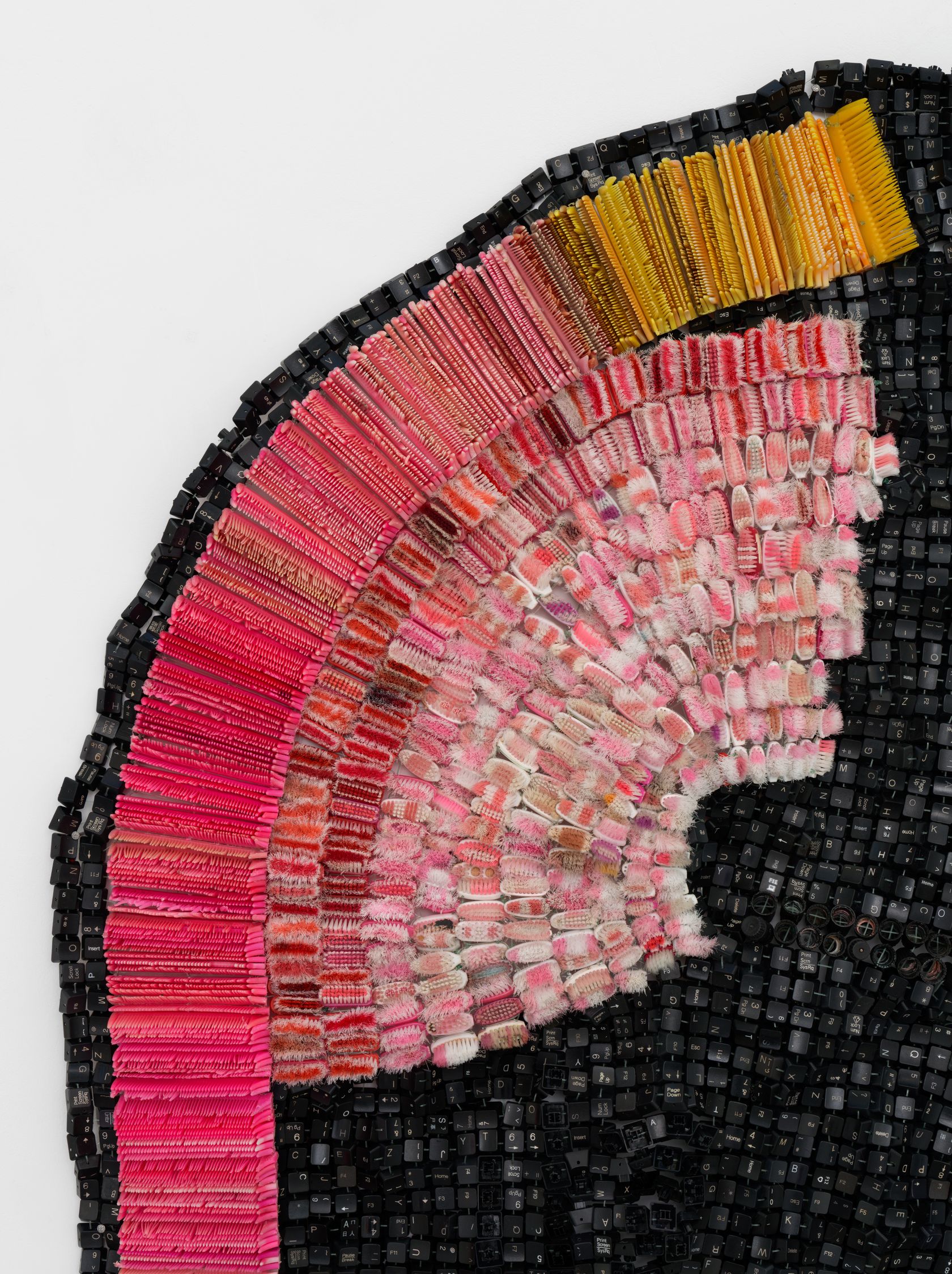
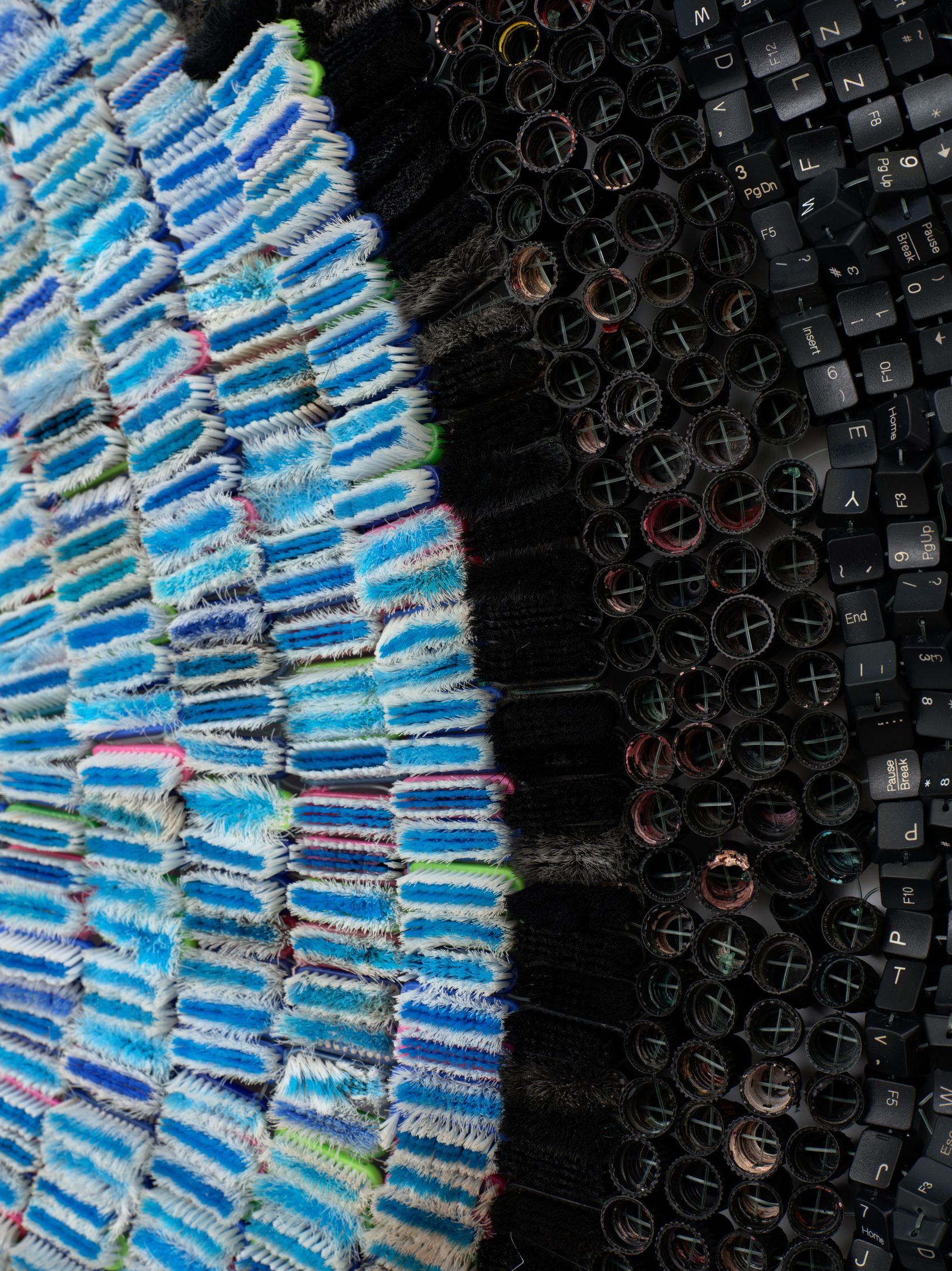
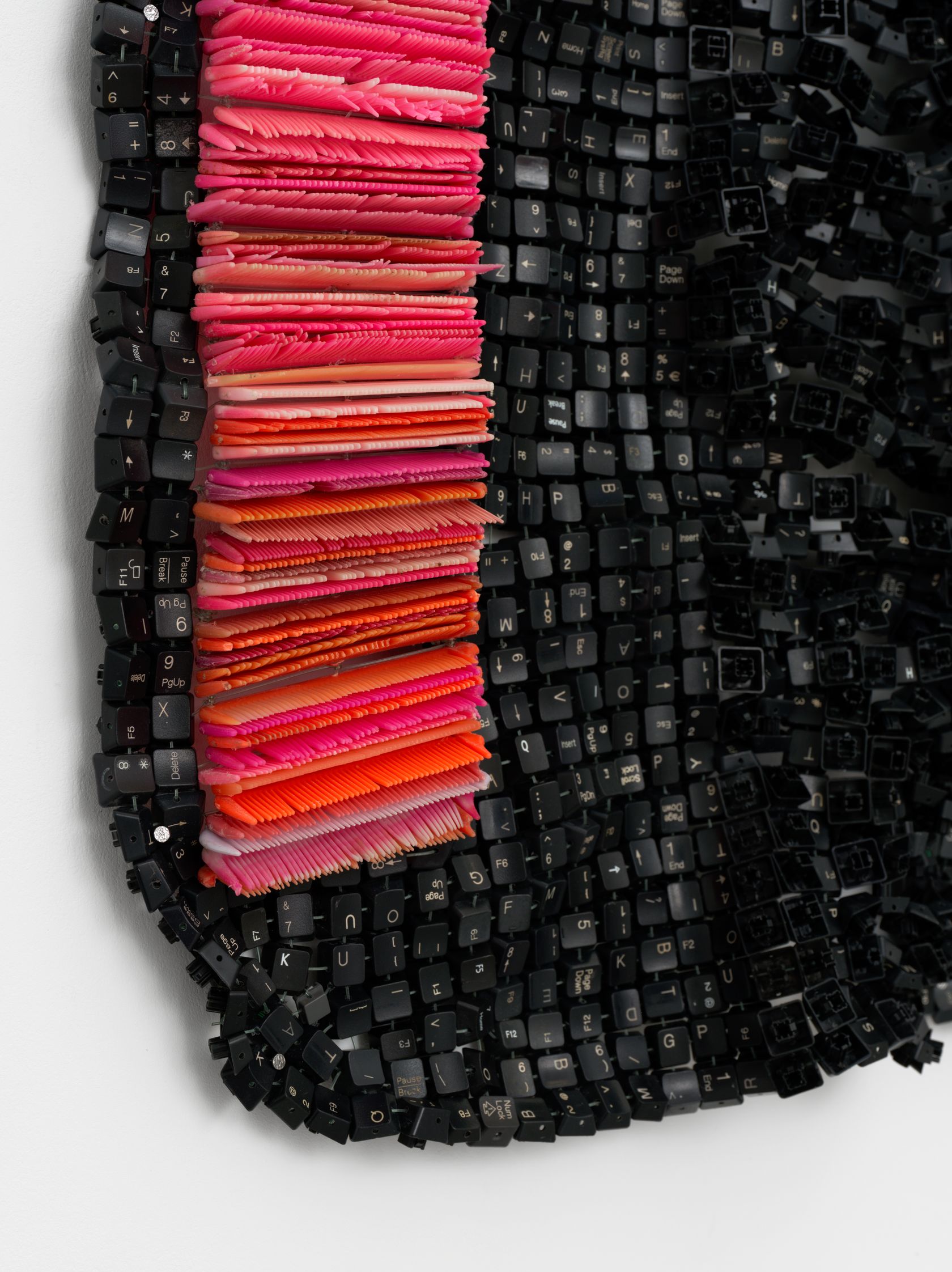
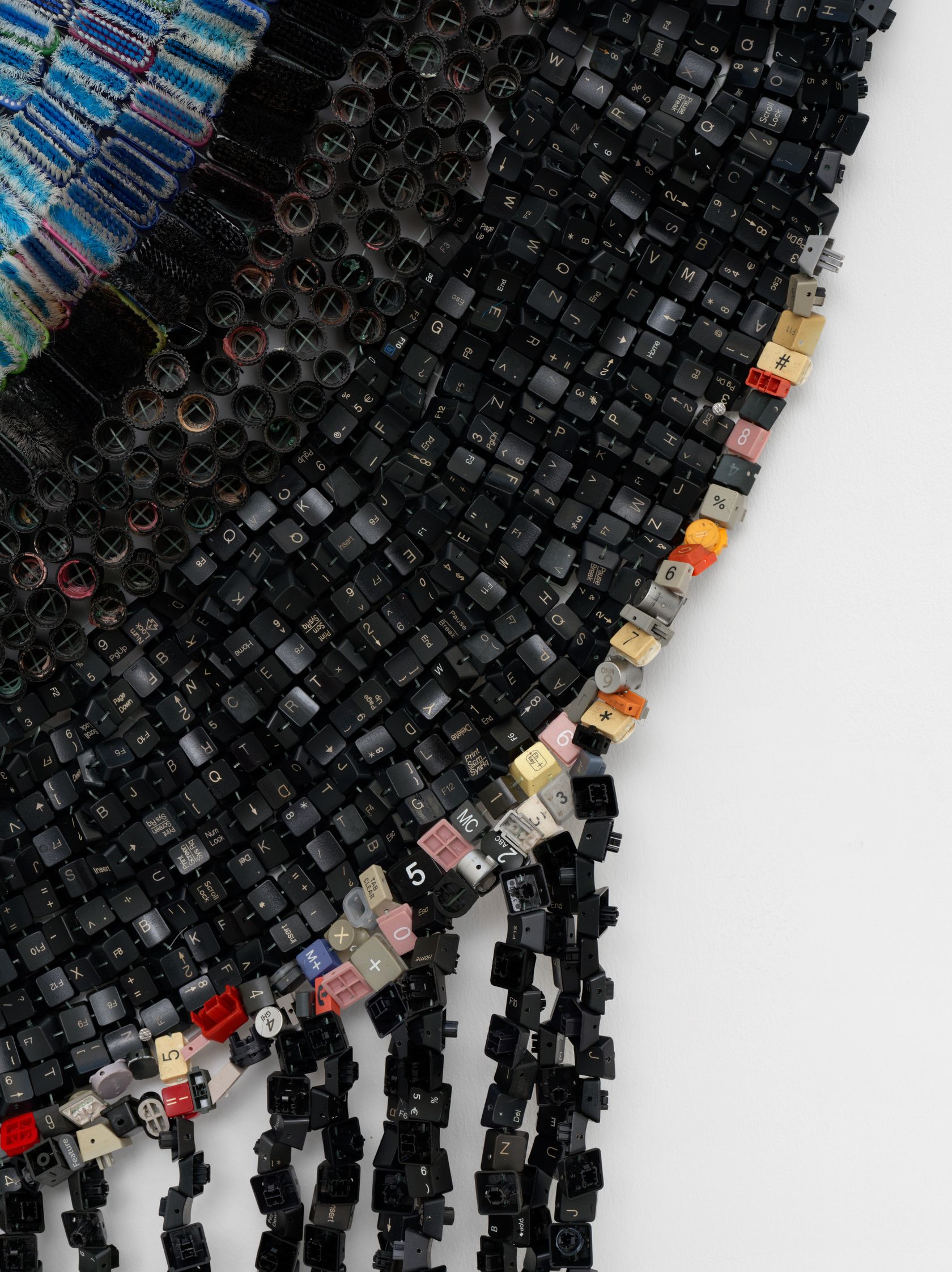
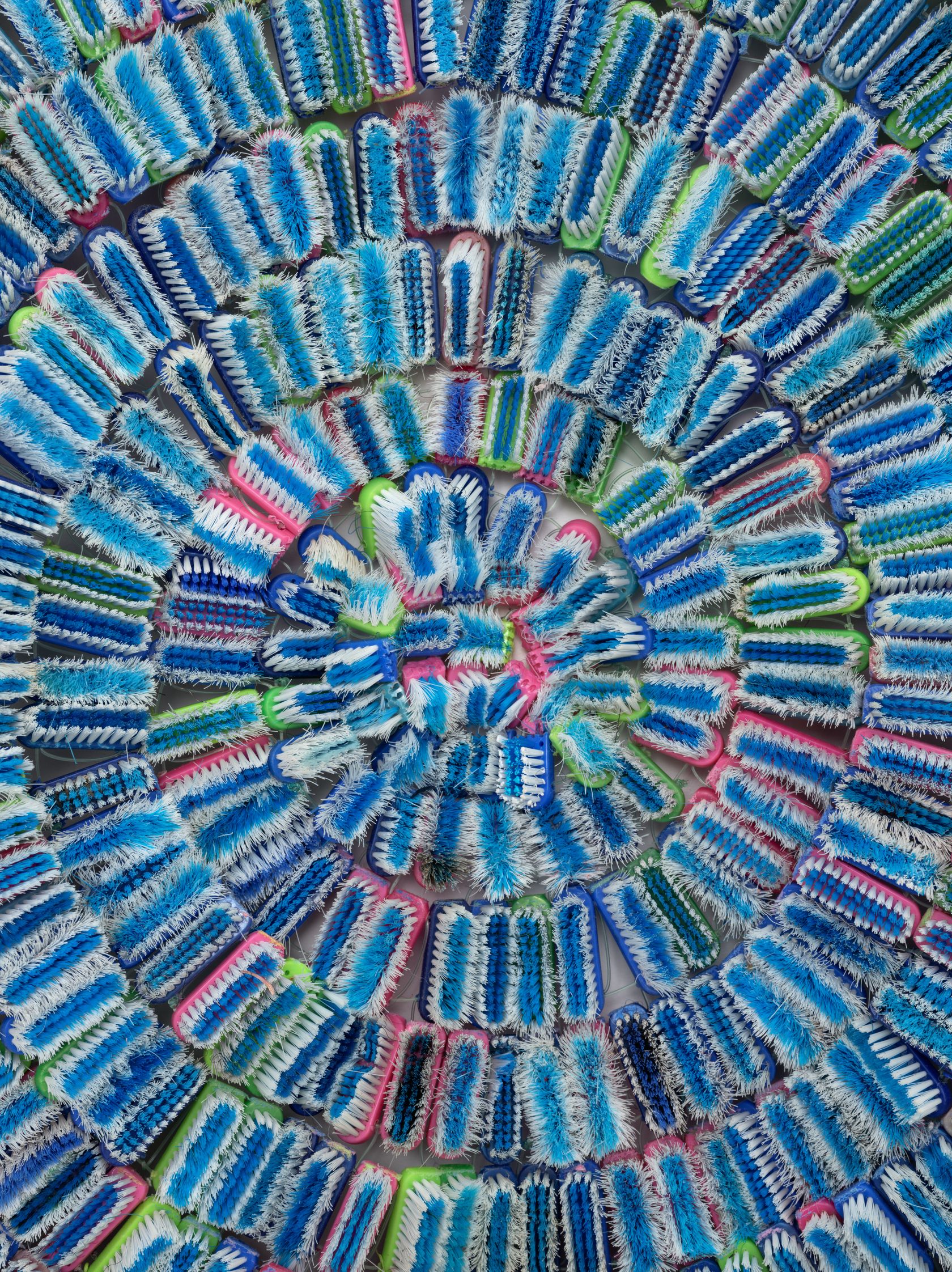
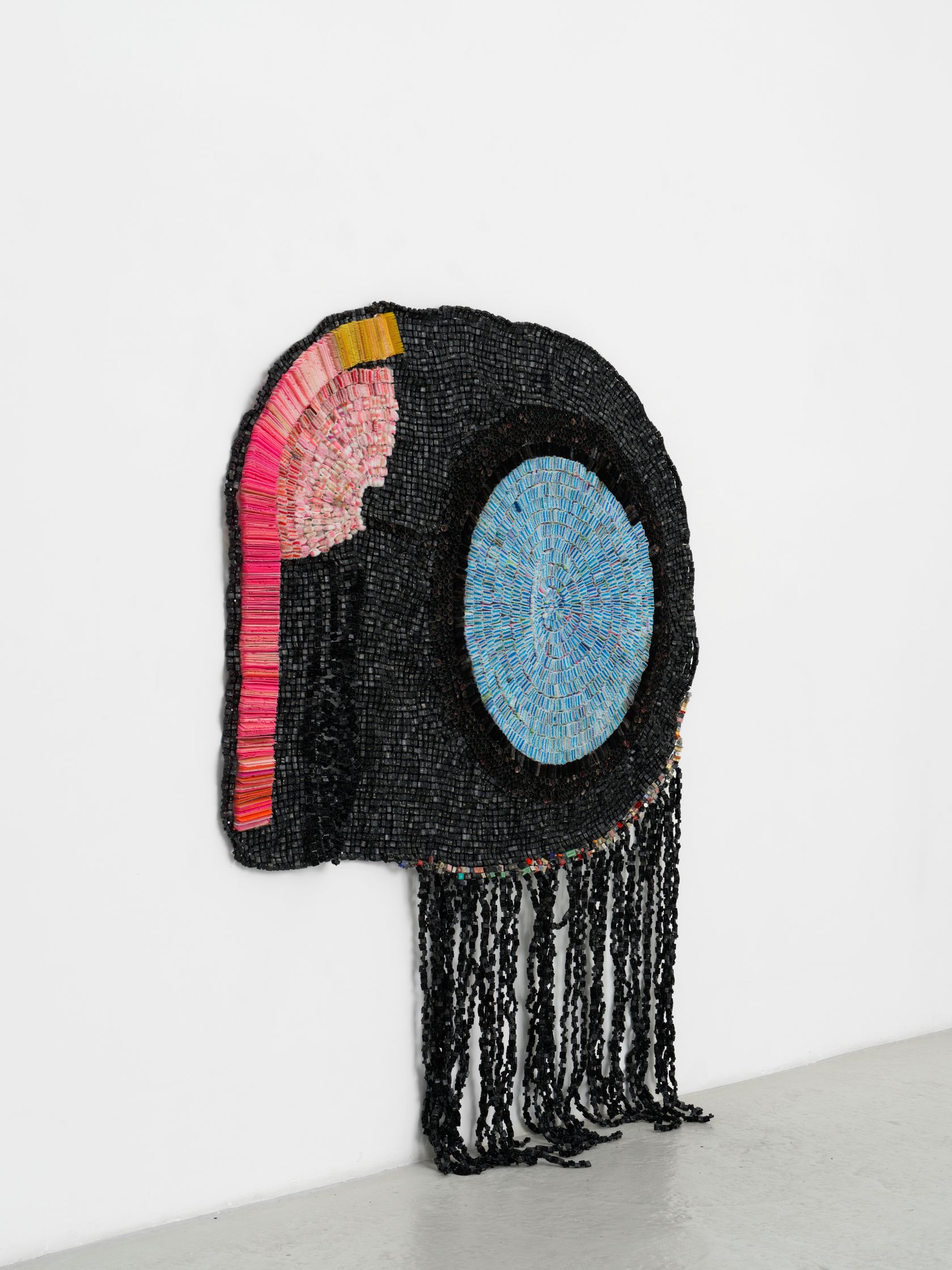
- Moffat Takadiwa
- Side Portrait , 2026
- Computer & calculator keyboard keys, toothbrush heads and combs
-
- 220 ×
- 188 ×
- 7 × cm
- 86 5/8 ×
- 74 ×
- 2 3/4 × inches
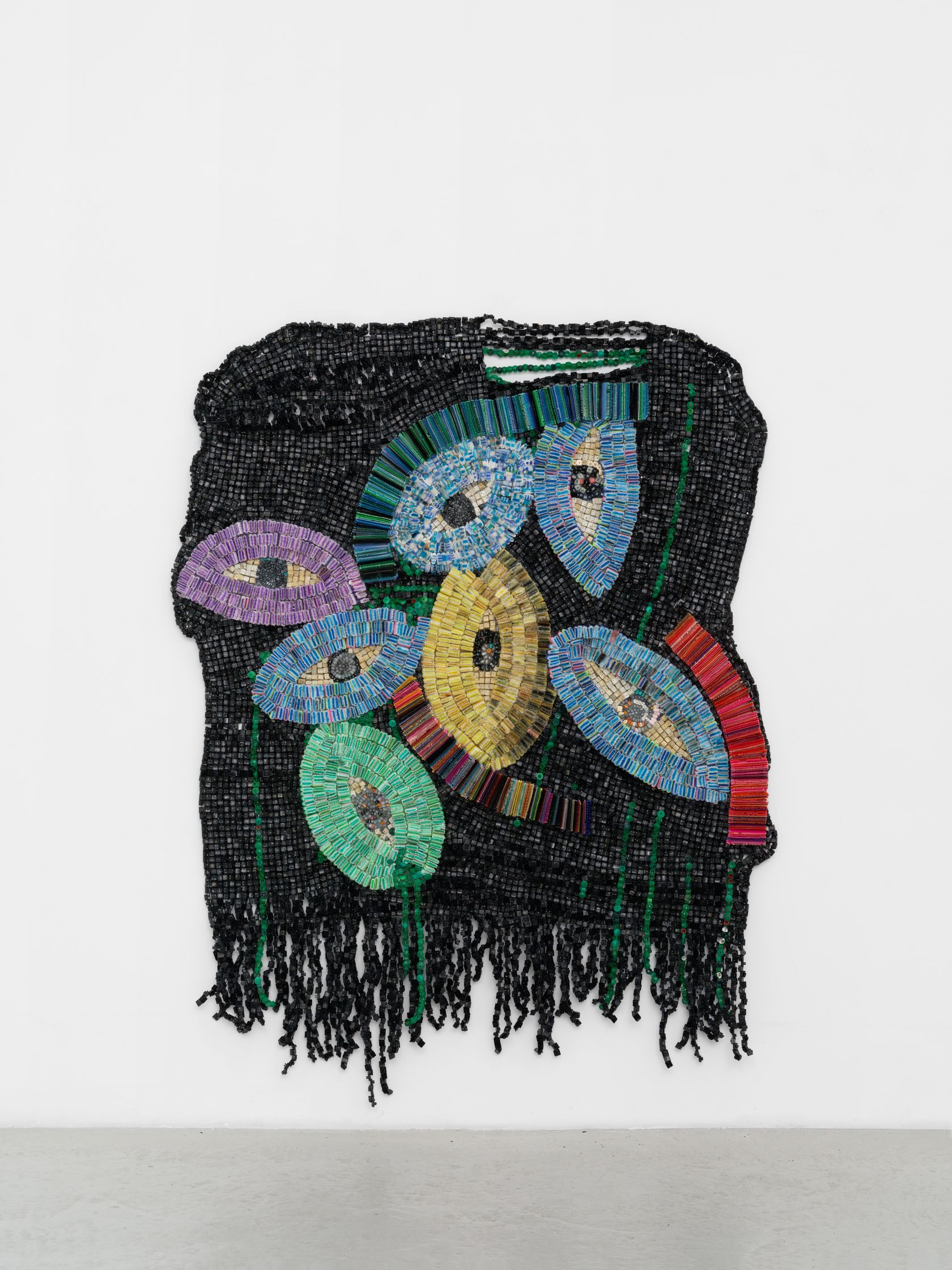
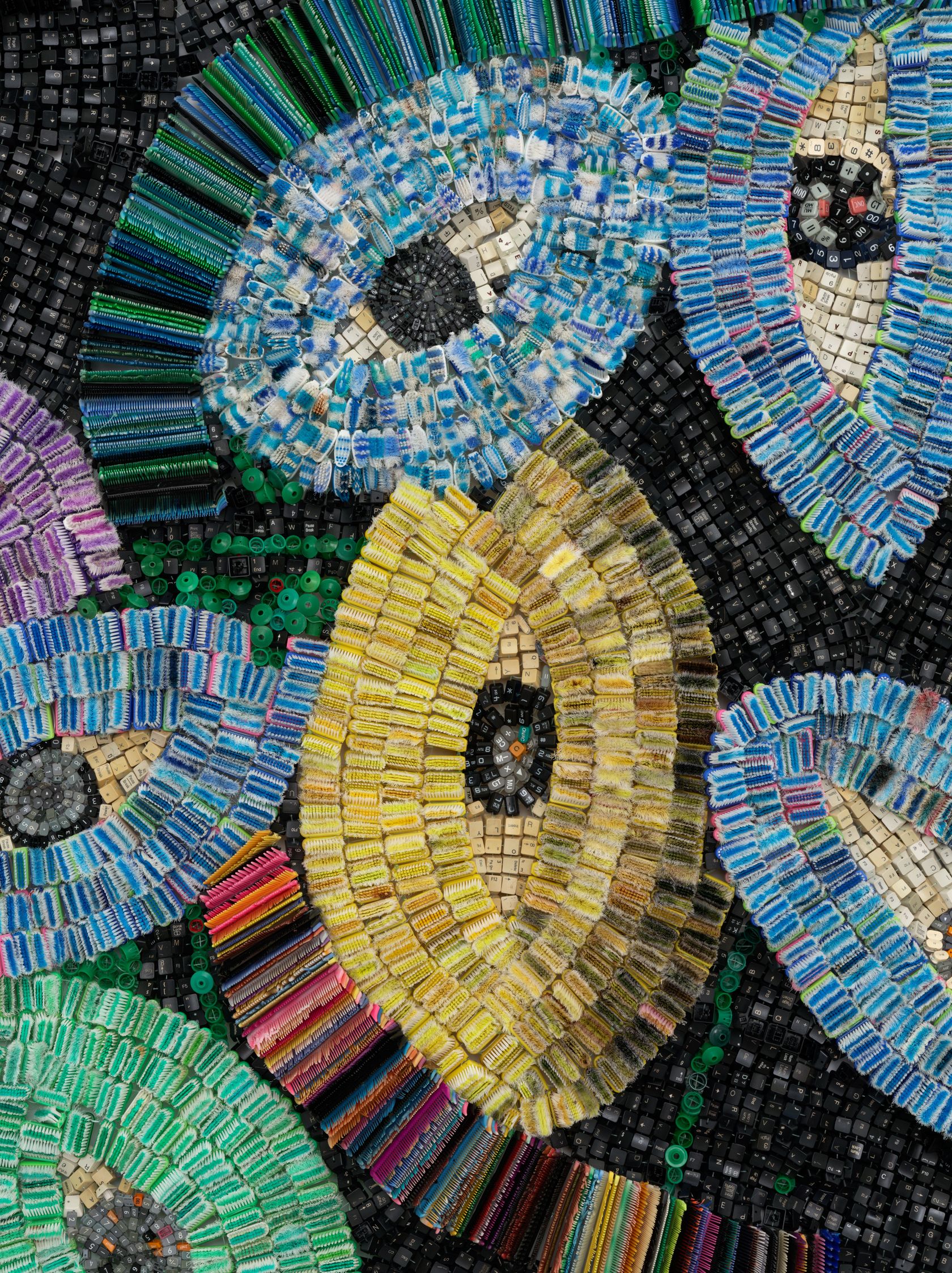
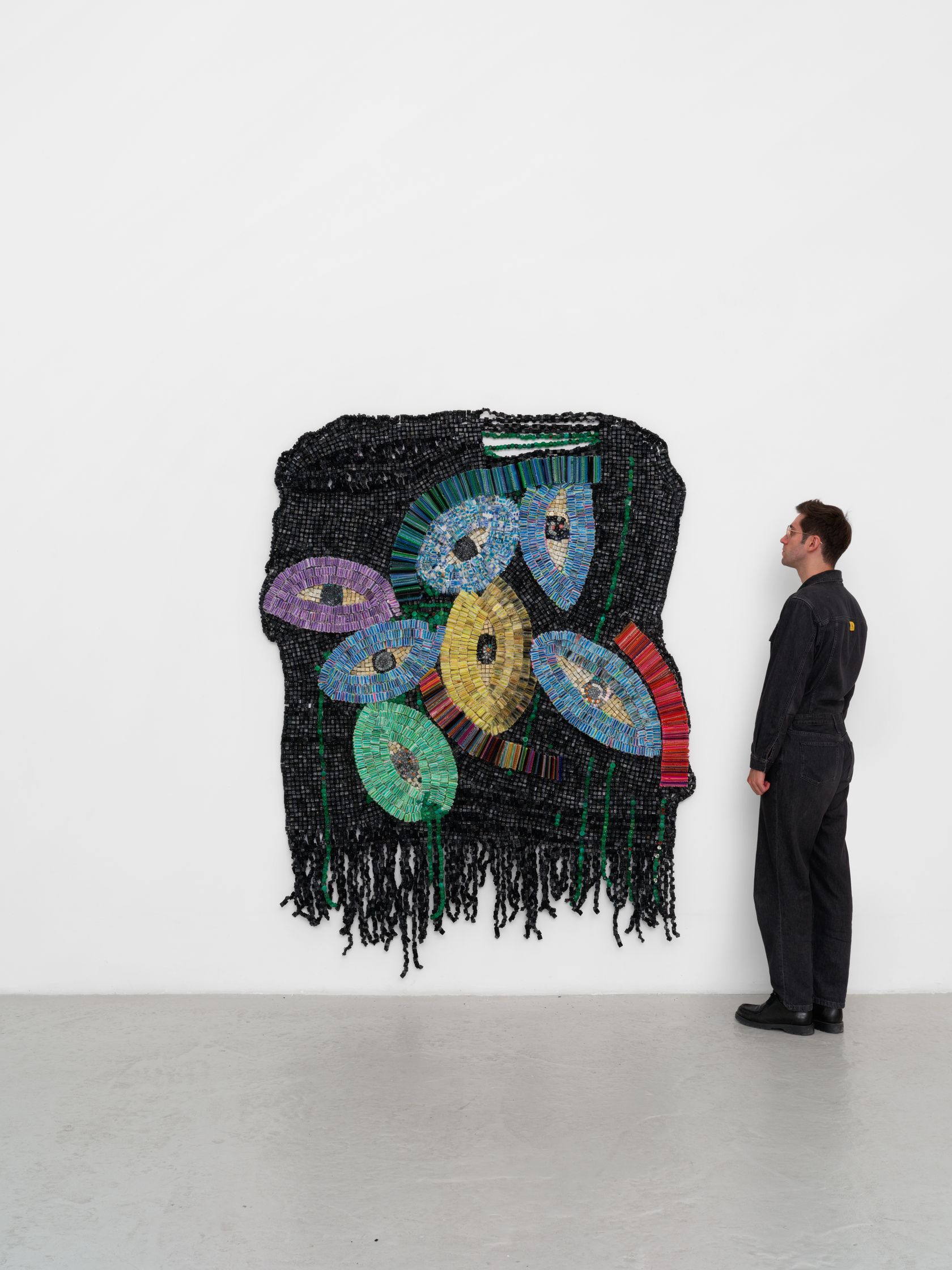
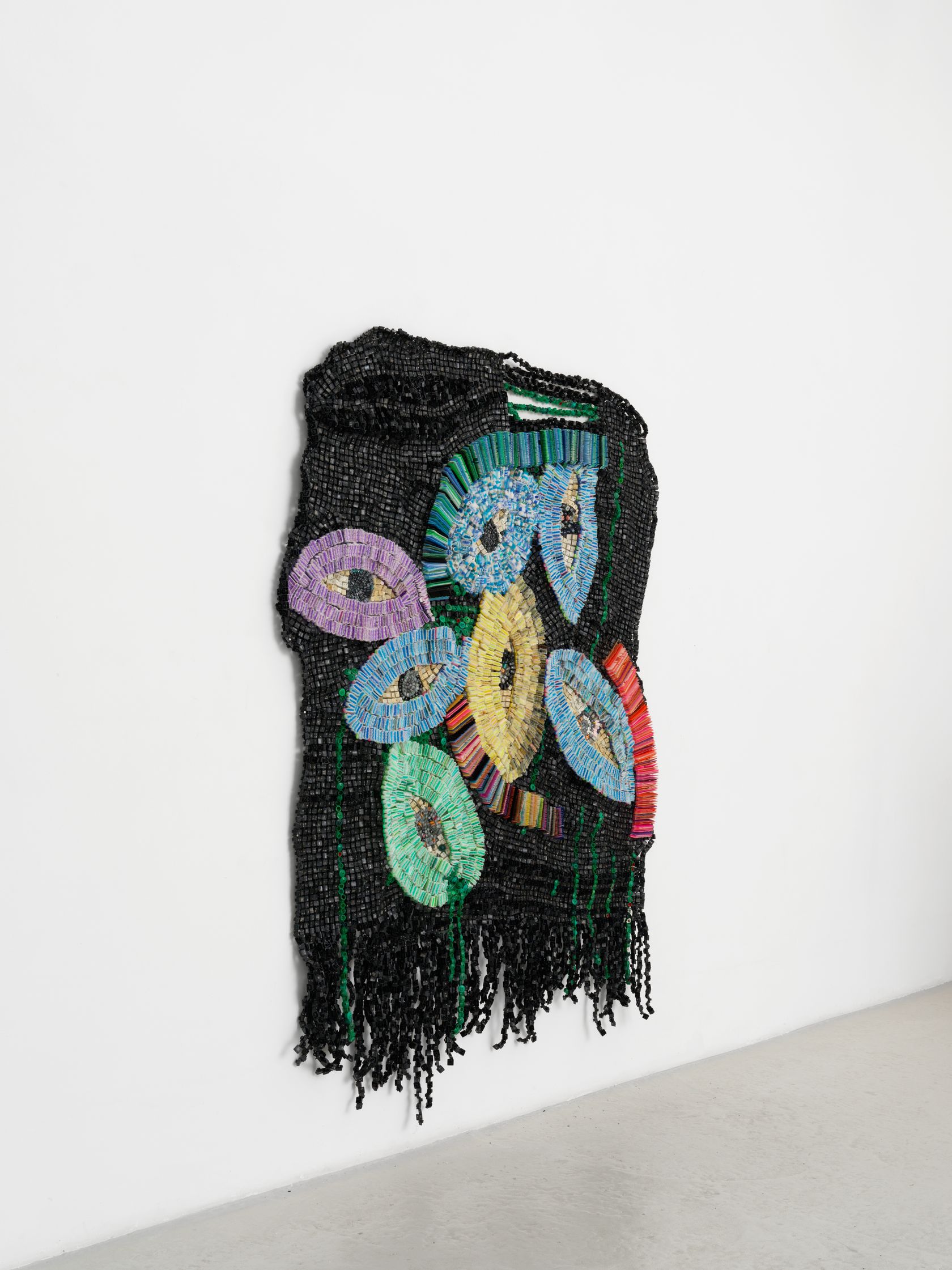
- Moffat Takadiwa
- Eyes of the Gods , 2026
- Computer keyboard keys, combs, toothbrush heads and plastic bottle caps
-
- 220 ×
- 160 ×
- 5 × cm
- 86 5/8 ×
- 63 ×
- 1 15/16 × inches
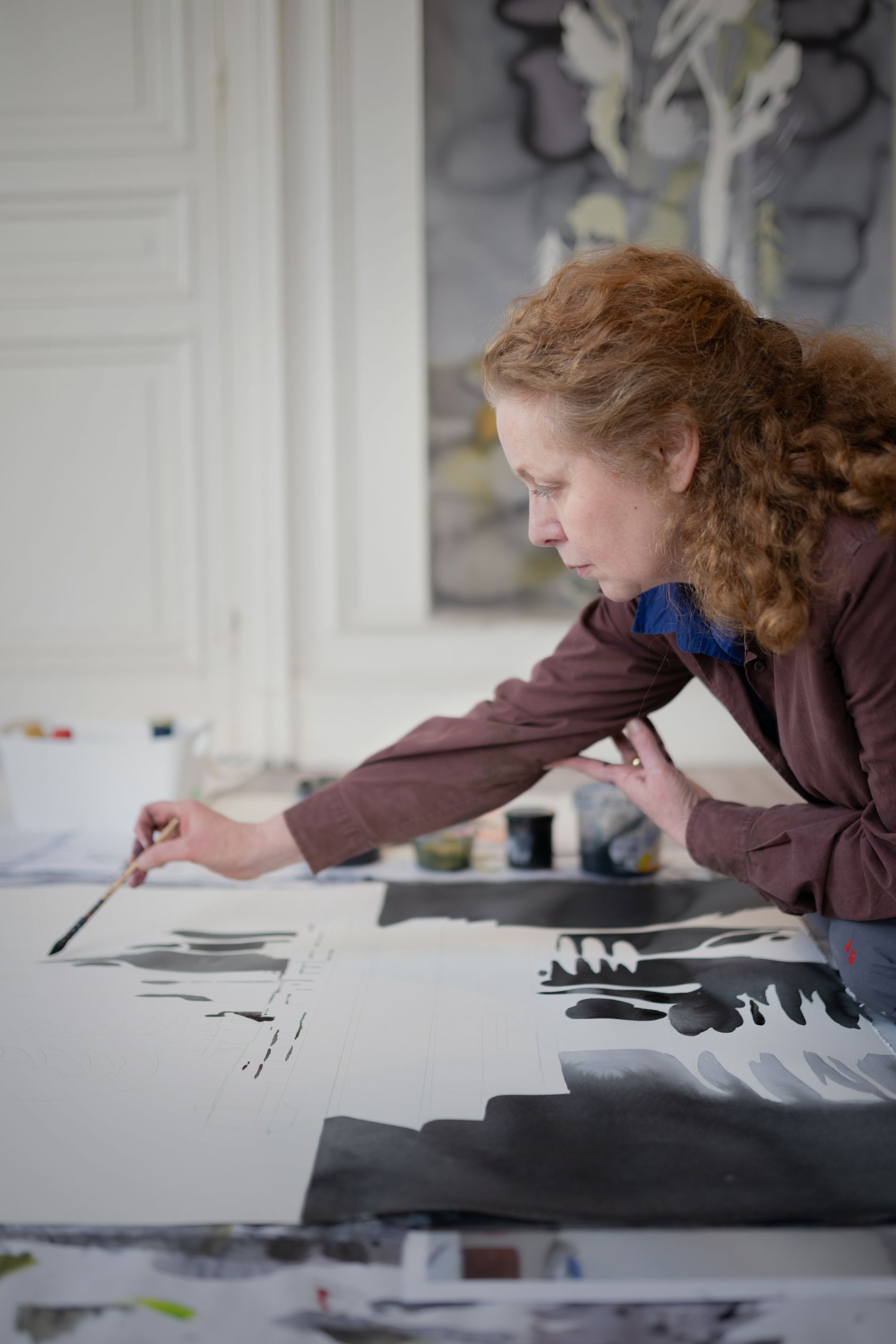
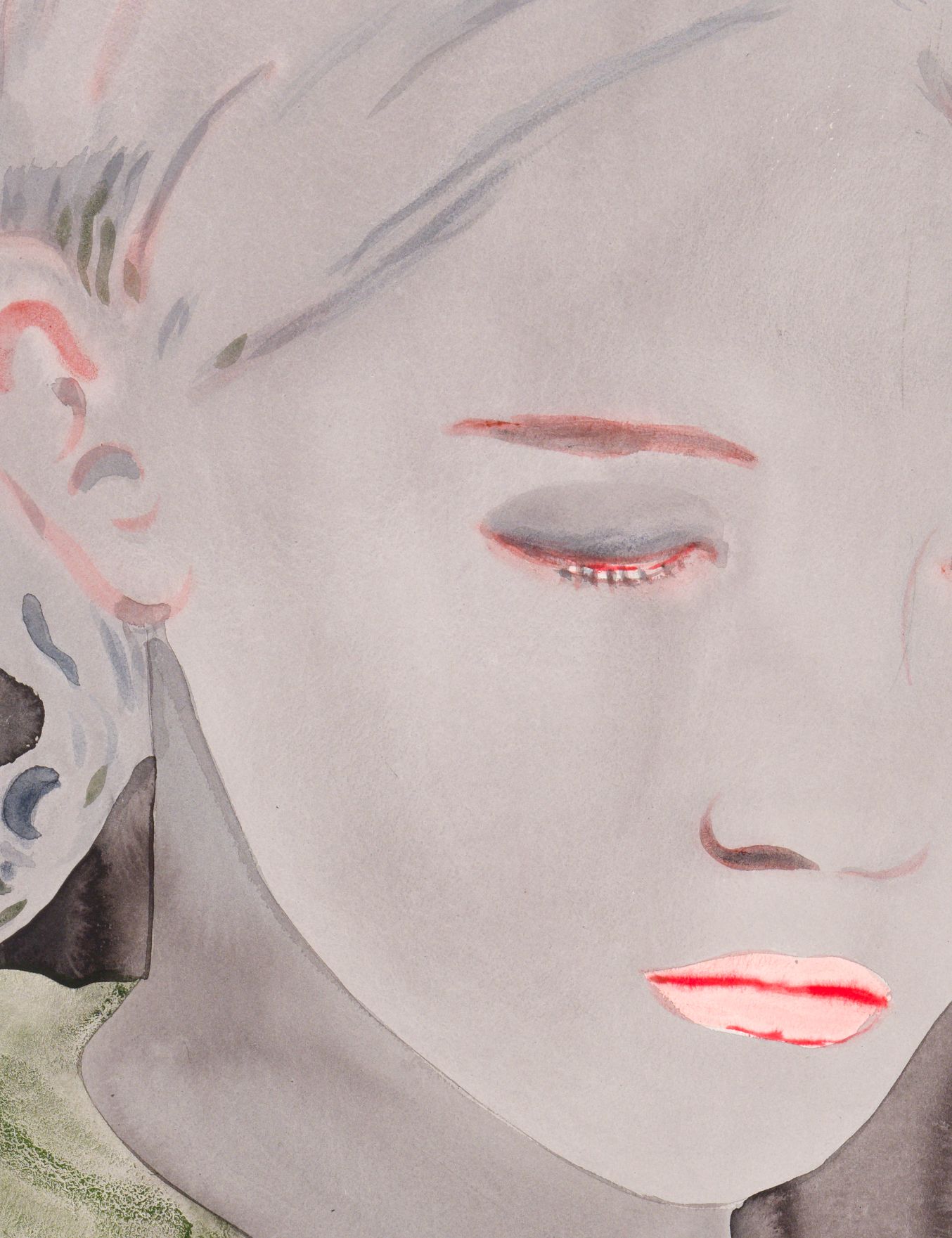
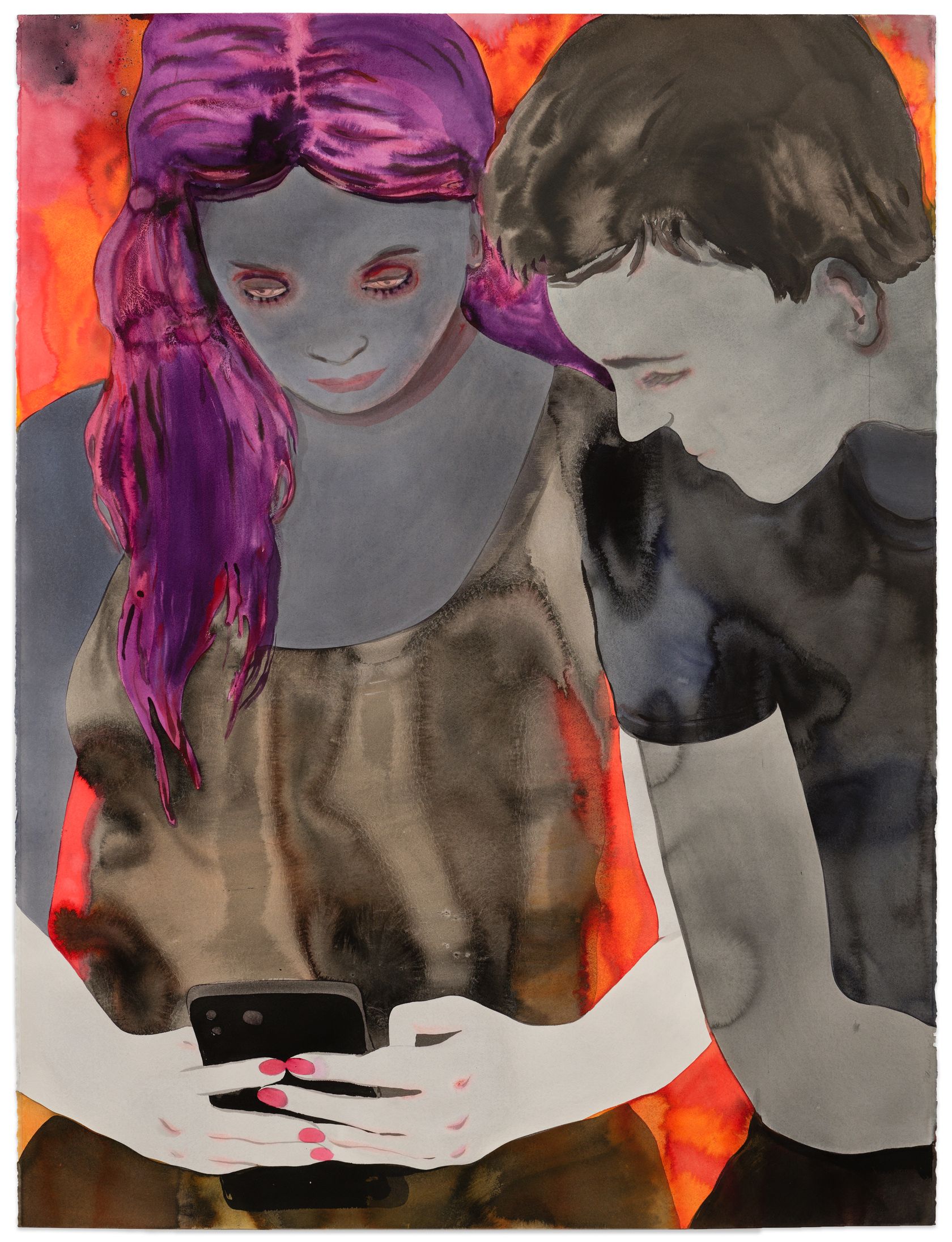
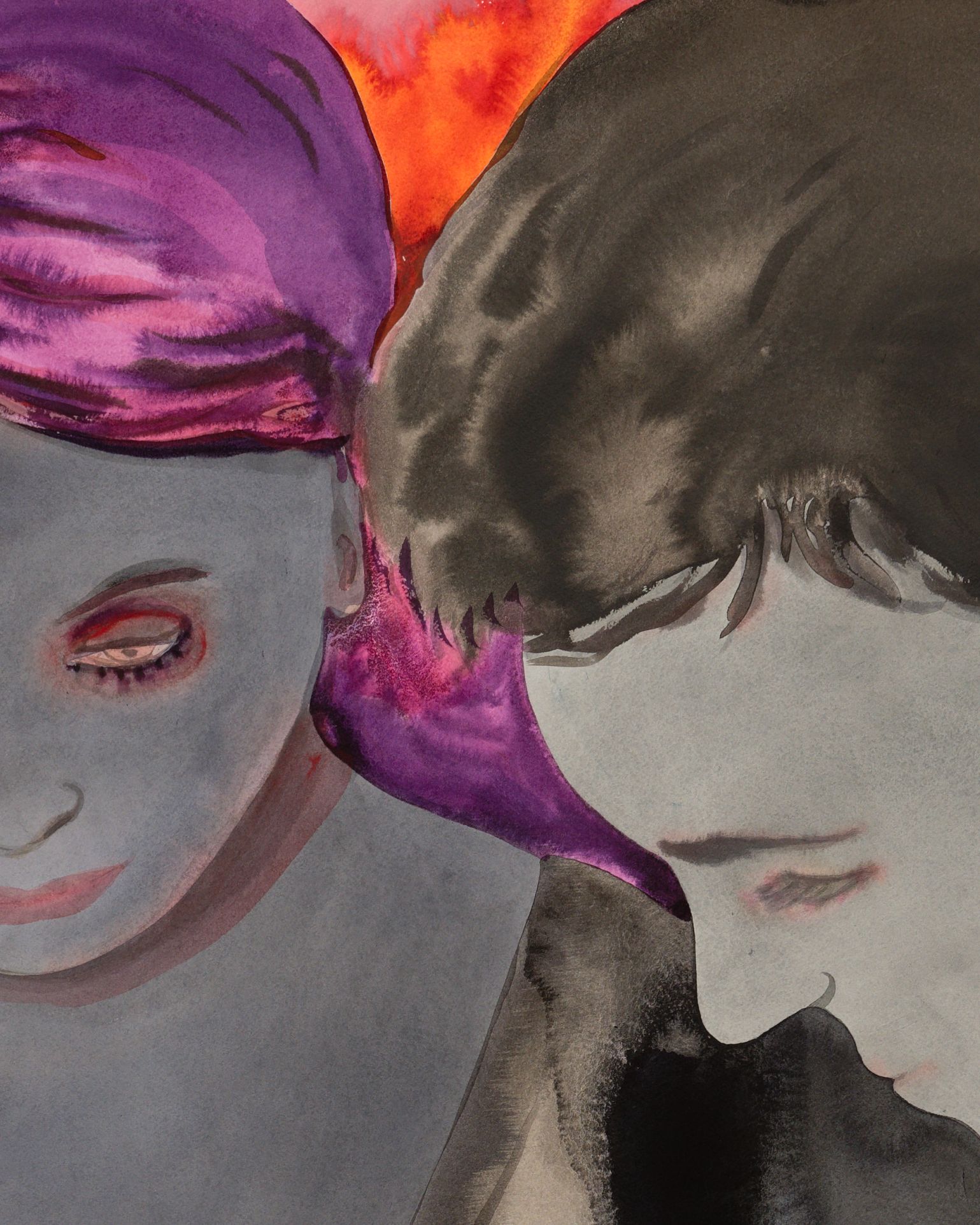
Since the 1990s, Françoise Pétrovitch has produced one of the most powerful bodies of work on the French art scene. Amongst the numerous media she has explored—ceramics, ink washes, painting, print and video—drawing retains pride of place. In constant dialog with the artists who have preceded her, she has been able to measure herself against the incontrovertible motifs of “high art”—Saint Sebastian, still lifes, etc. Pétrovitch’s art reveals an ambiguous world, willingly transgressive, playing with conventional boundaries and eluding any interpretation. Intimacy, fragments of life and disappearance, alongside the themes such as the double, transition and cruelty run through her work, which is inhabited by animals, flowers and beings, and whose atmosphere fluctuates between light and dark, rarely leaving the spectator unmoved.
She has enjoyed numerous solo exhibitions: at the Louvre Lens (2018); in the Fonds Hélène et Édouard Leclerc in Landerneau and the Bibliothèque nationale de France, Paris (2022); the Musée de la Vie romantique, Paris (2023); the Jenisch Museum, Vevey, the Musée Marmottan Monet, Paris, and the MO.CO, Montpellier (2025). Over the past few years, Pétrovitch has produced monumental wall drawings and large format ensembles, for the Galerie des Enfants at the Centre Pompidou, the West Bund Museum, Shanghai, or for the Ballets du Nord Company. Her works are included in many private and public collections, most notably the Centre Pompidou, Paris (FR), the Voorlinden Museum, Wassenaar (NL), the National Museum of Women in the Arts, Washington D.C. (US), the Musée Jenisch, Vevey (CH), the Musée d’Art Moderne et Contemporain of Saint-Etienne (FR) and of Strasbourg (FR), the MAC VAL (FR), the Salomon and Guerlain Foundations as well as Emerige Endowment Fund.
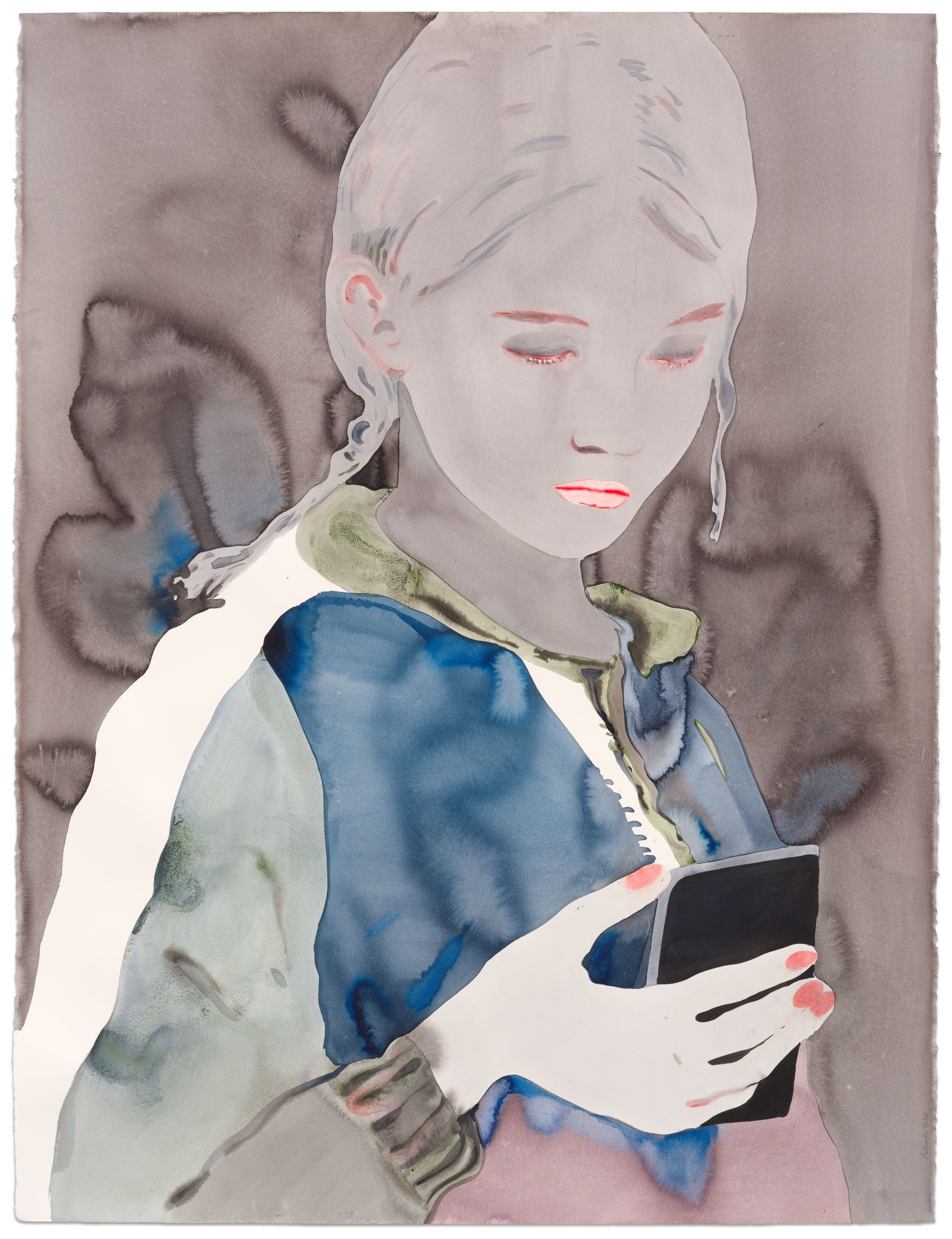
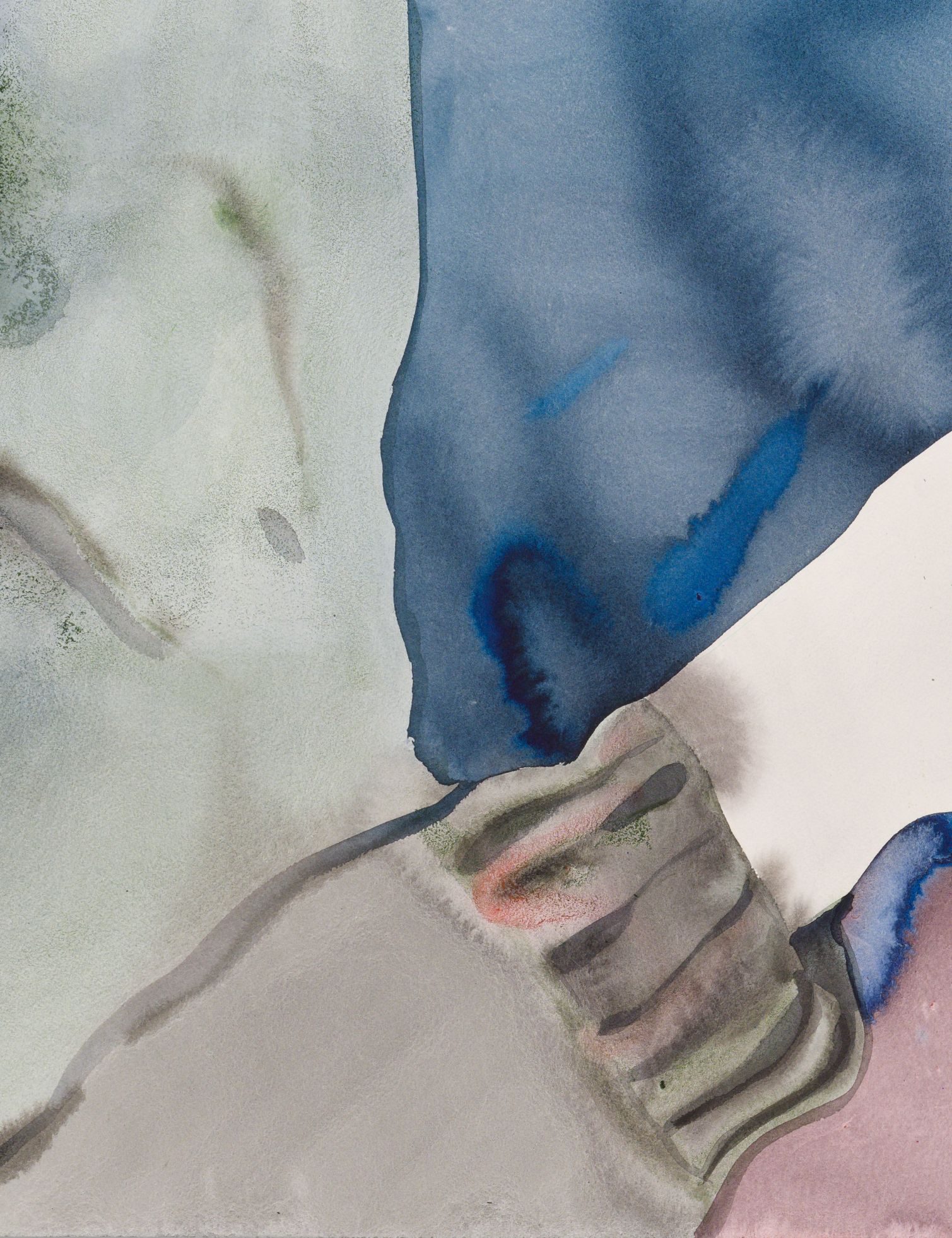
- Françoise Pétrovitch
- Selfie , 2026
- Ink wash on paper
-
- 160 ×
- 120 × cm
- 63 ×
- 47 1/4 × inches
- unframed
- 171 ×
- 132 ×
- 5 × cm
- 67 5/16 ×
- 51 15/16 ×
- 1 15/16 × in
- framed
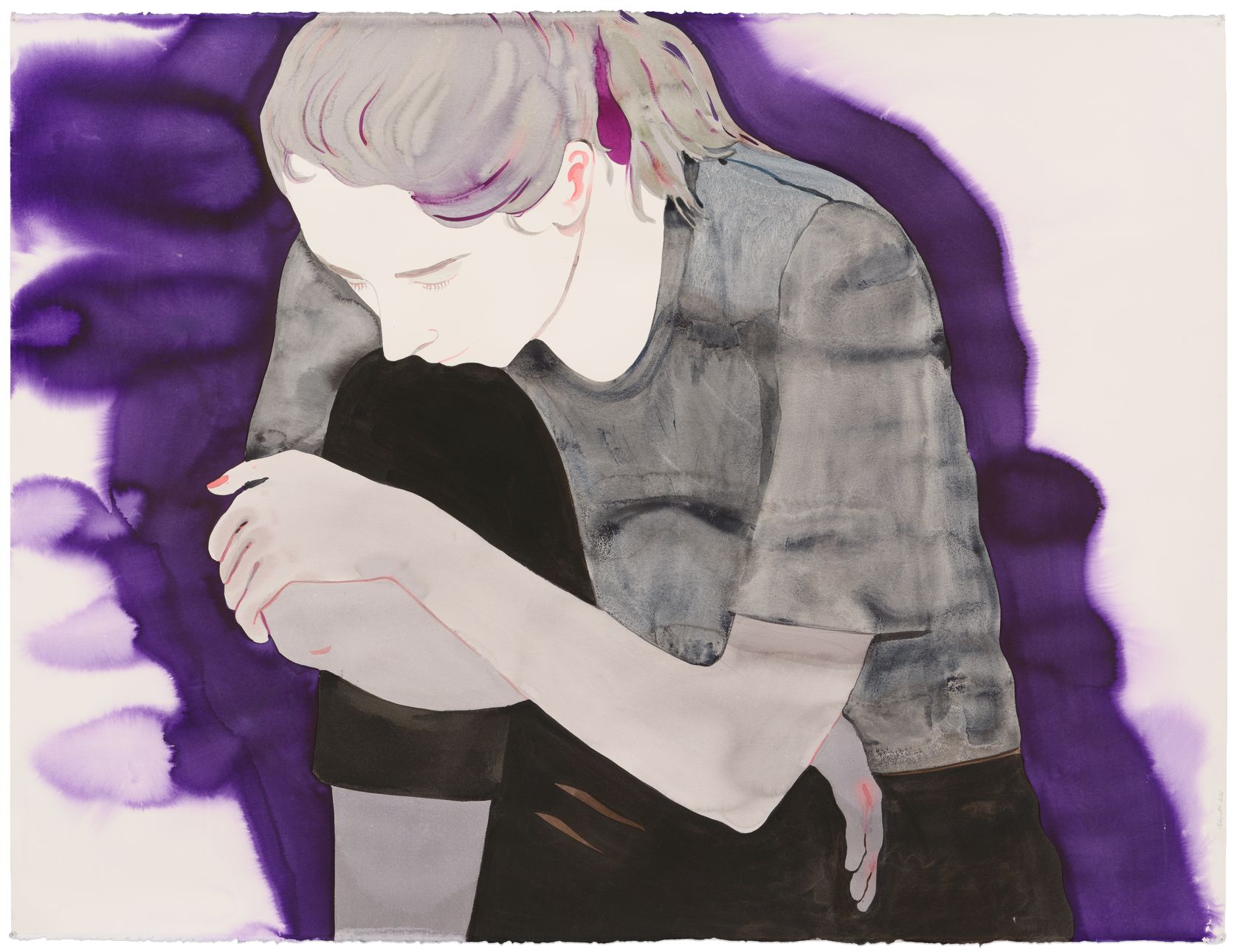
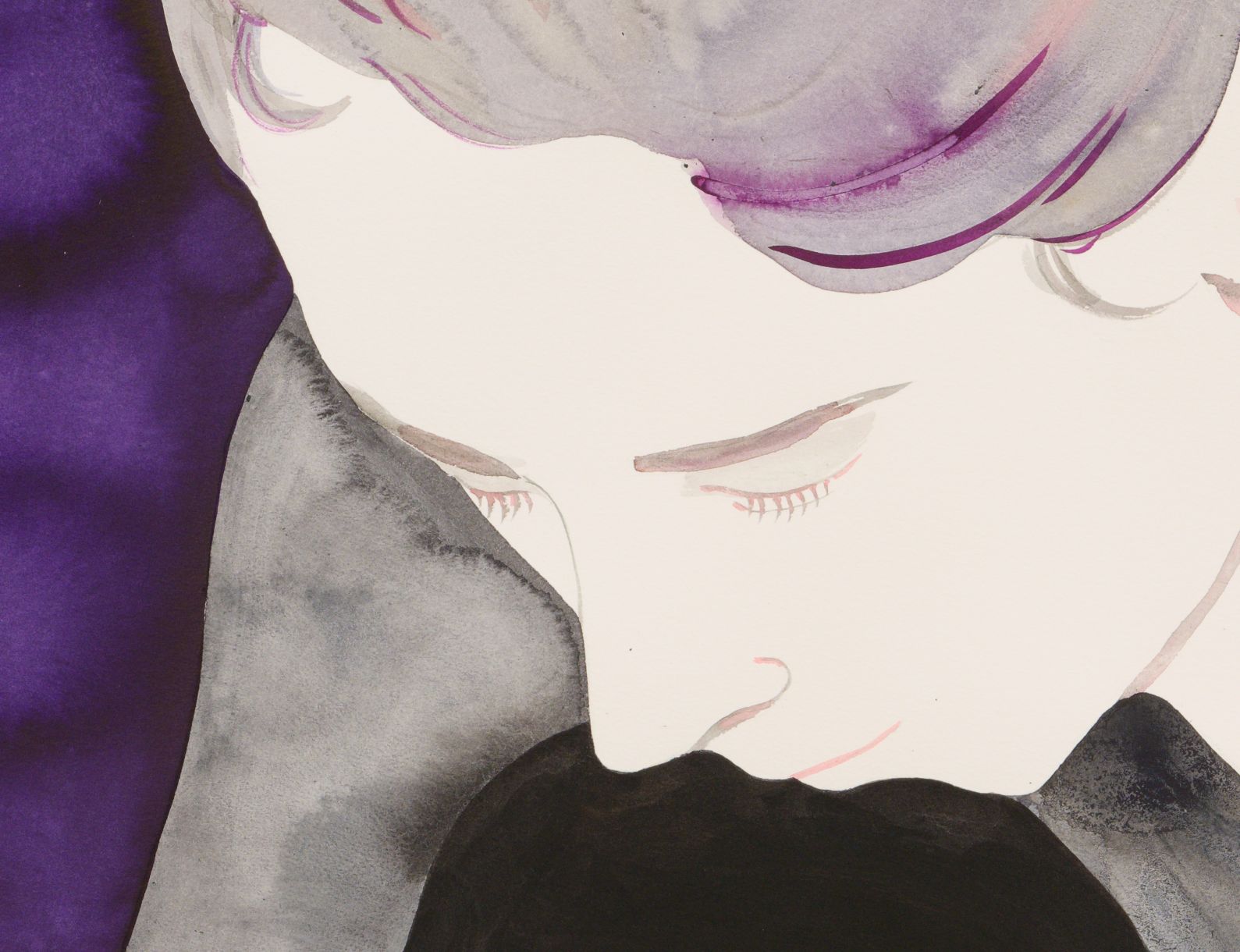
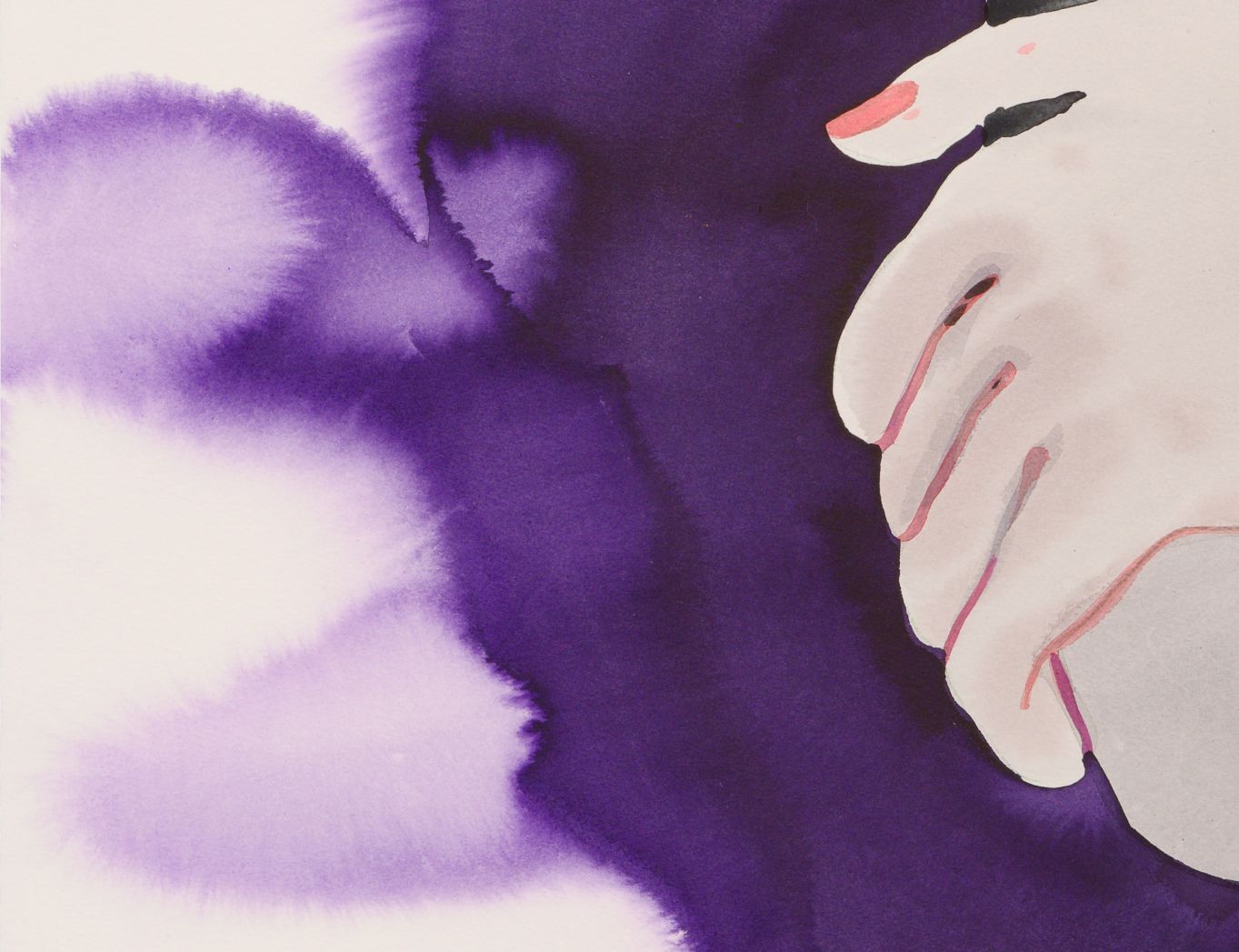
- Françoise Pétrovitch
- Attente , 2026
- Ink wash on paper
-
- 120 ×
- 160 × cm
- 47 1/4 ×
- 63 × inches
- unframed
- 132 ×
- 171 ×
- 5 × cm
- 51 15/16 ×
- 67 5/16 ×
- 1 15/16 × in
- framed
- Françoise Pétrovitch
- Sans titre , 2024
- Ink wash on paper
-
- 160 ×
- 120 × cm
- 63 ×
- 47 1/4 × inches
- 176 ×
- 137 ×
- 5 × cm
- 69 5/16 ×
- 53 15/16 ×
- 1 15/16 × inches
- unframed
-
cm
-
in
- framed
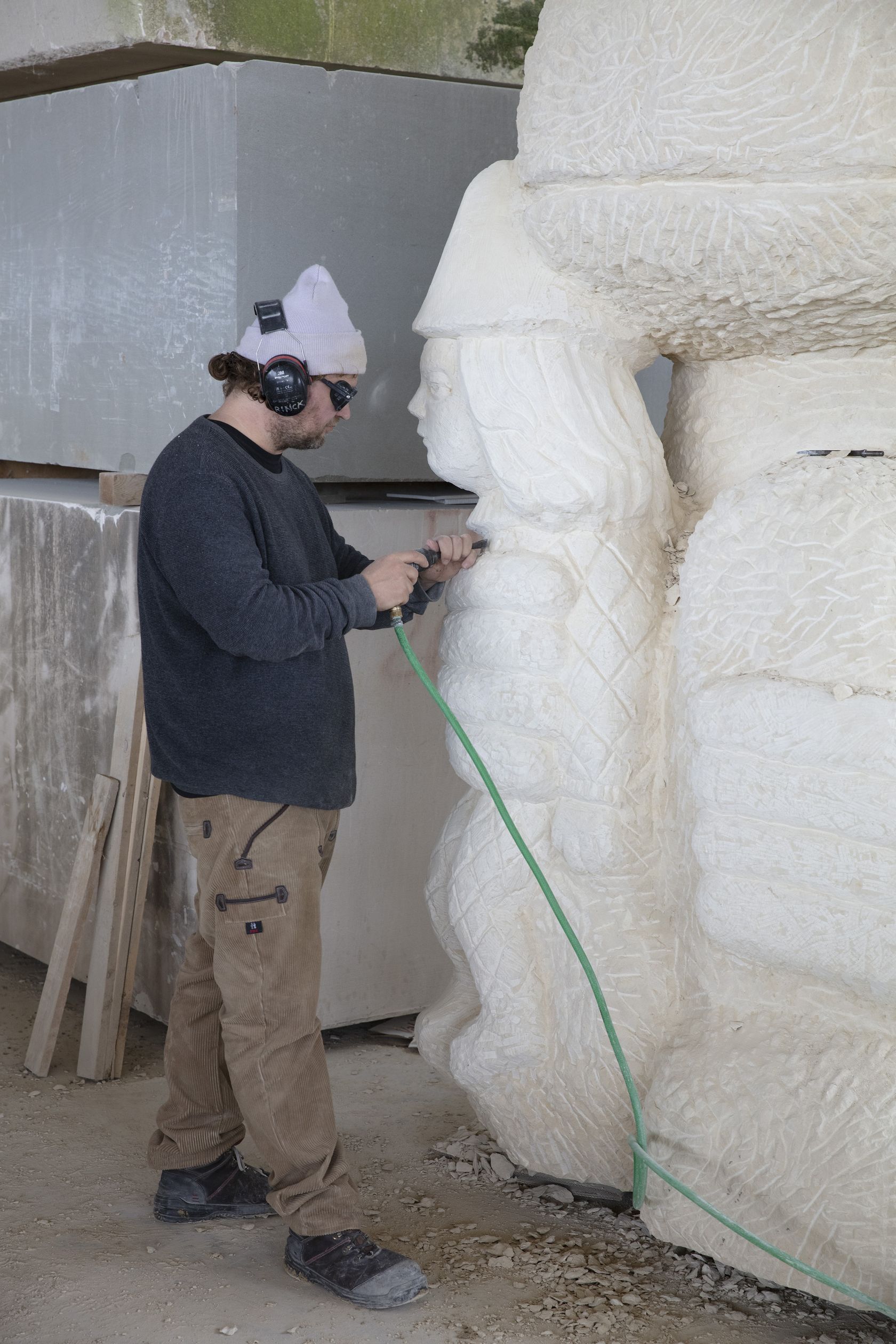
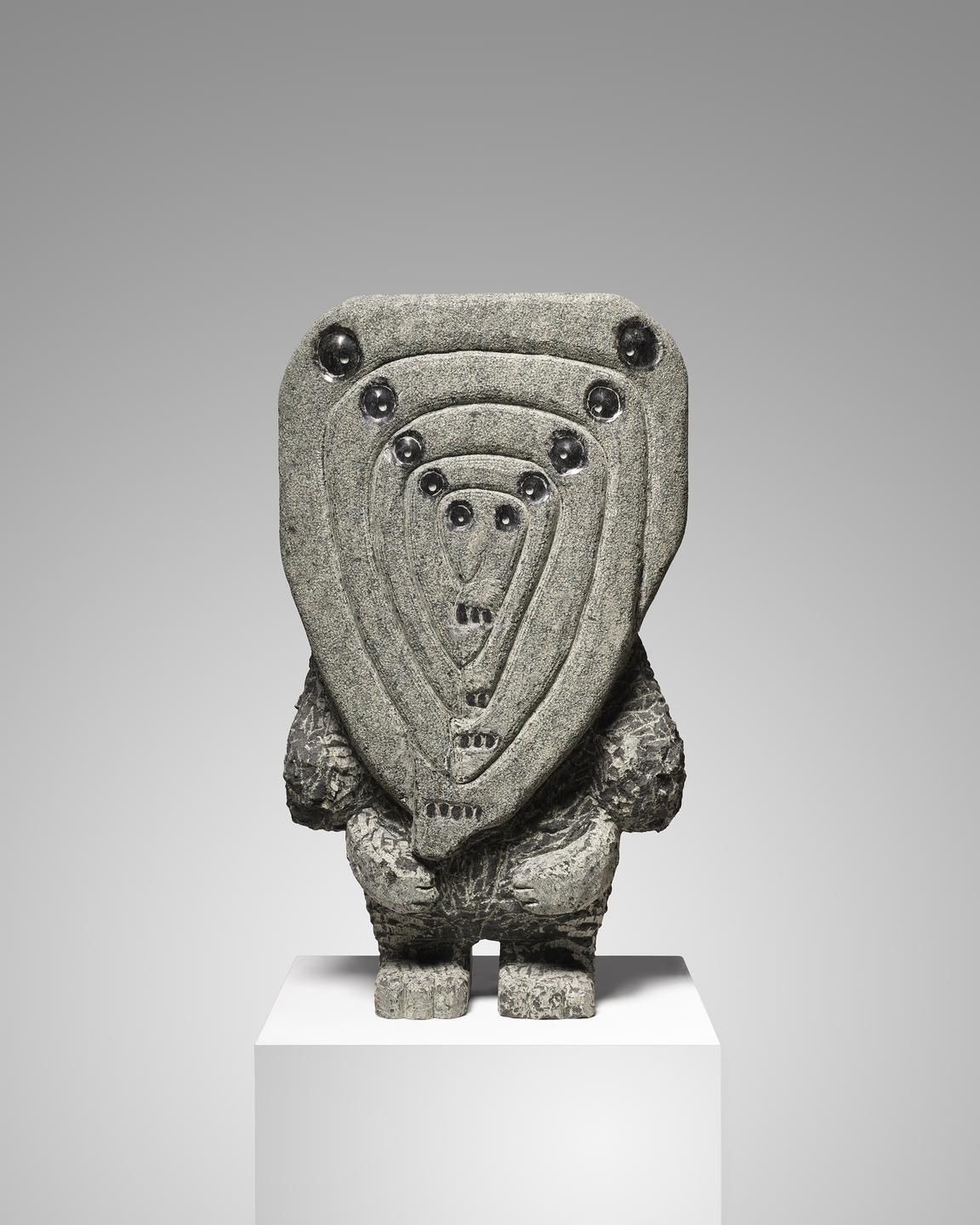
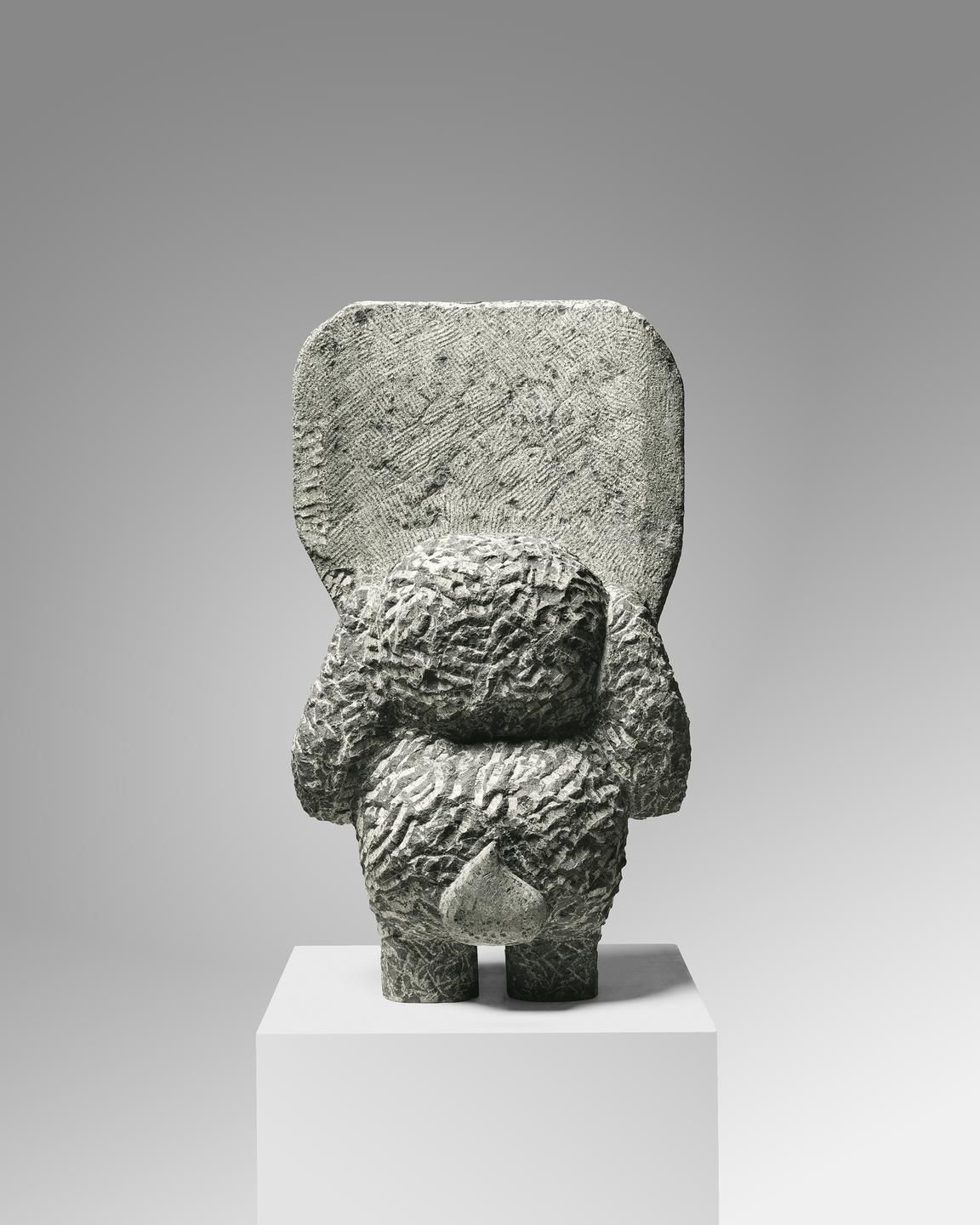
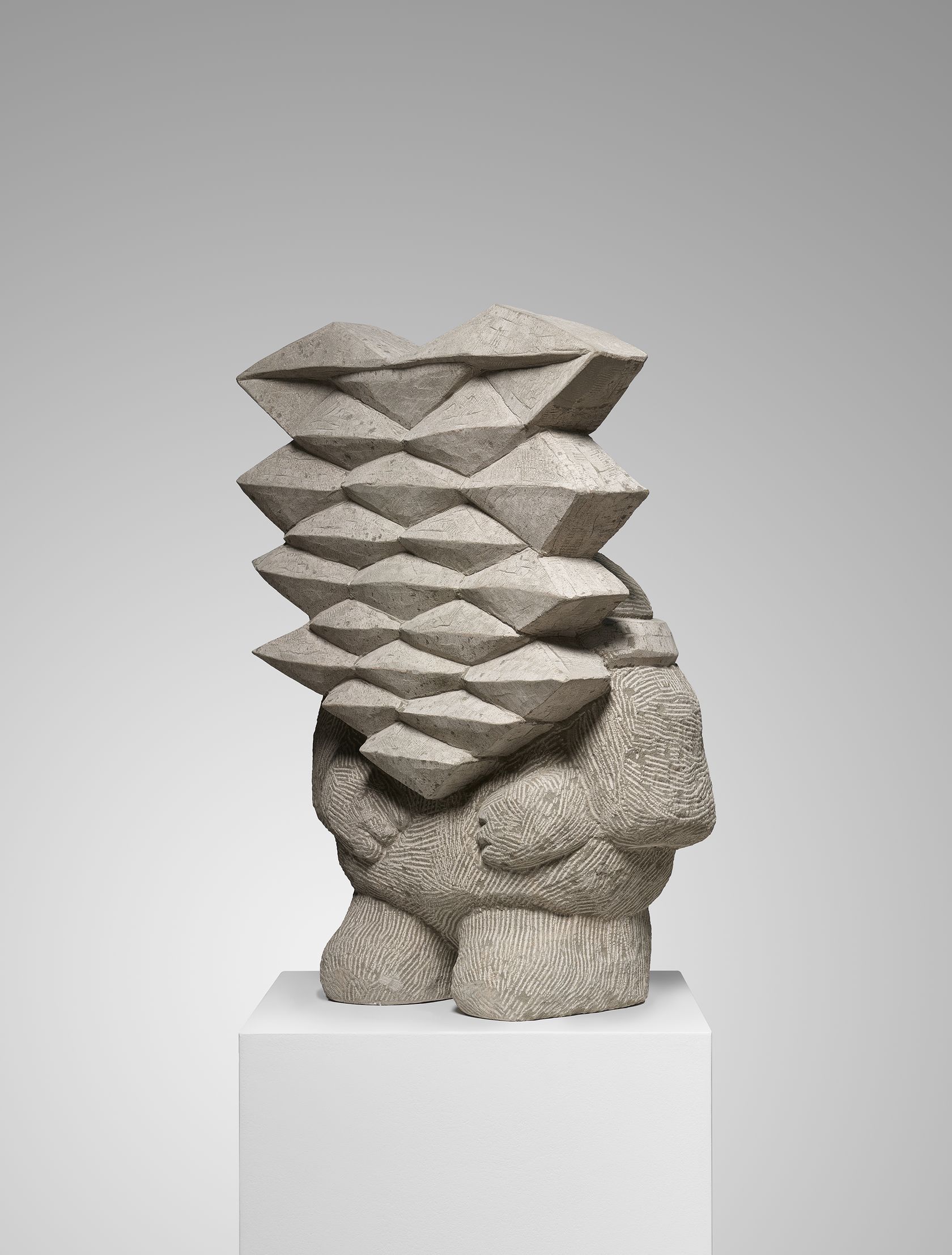
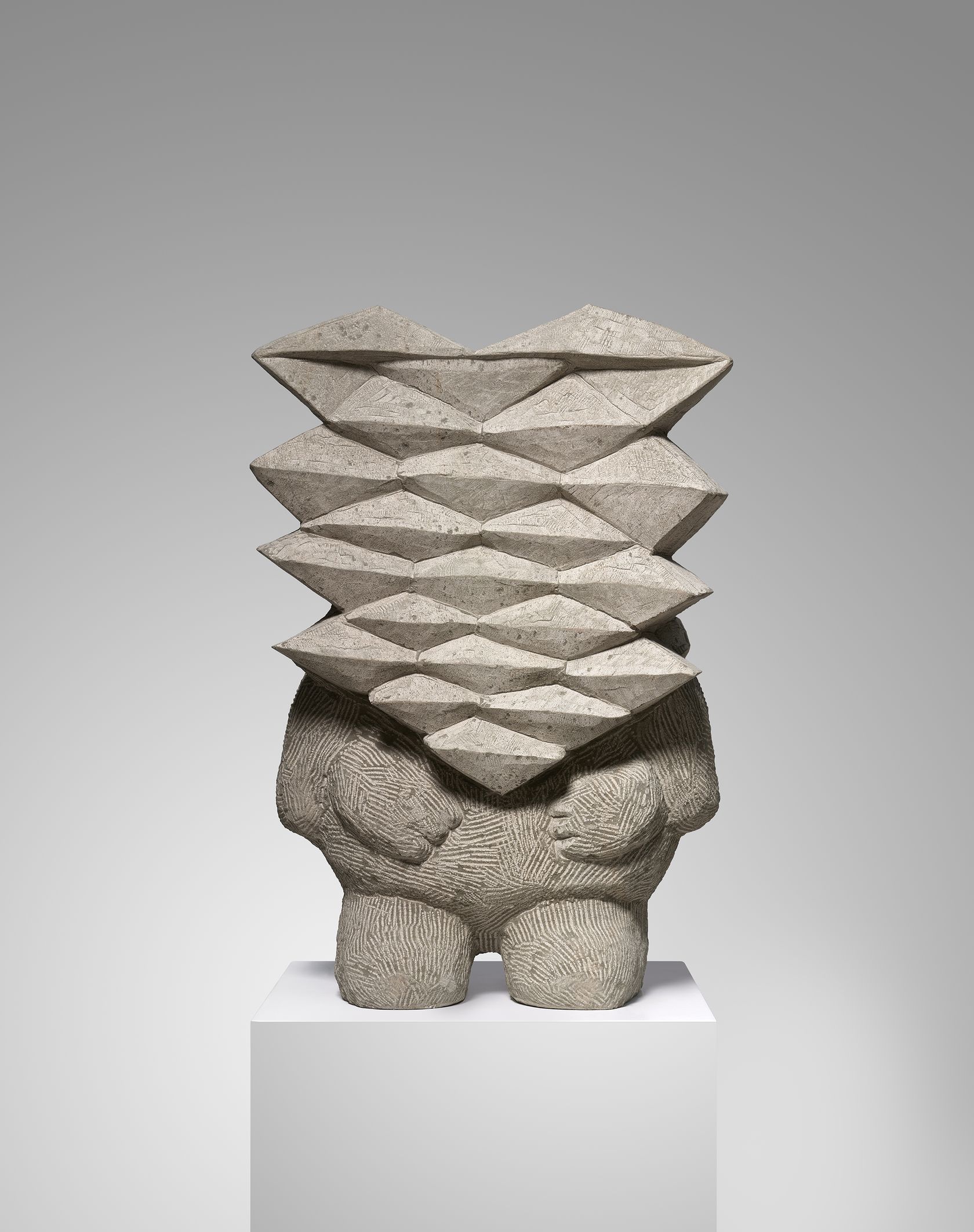
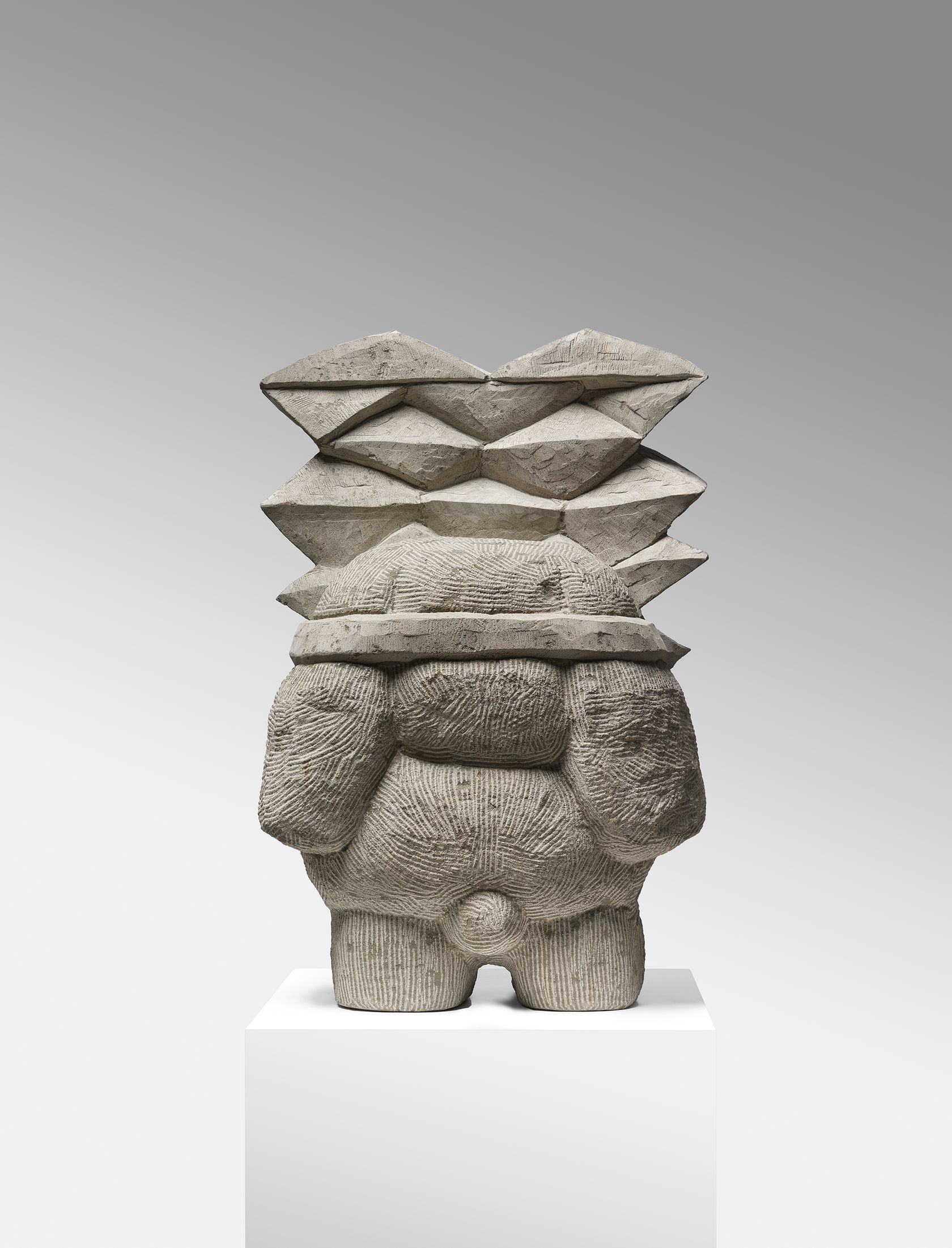
Stefan Rinck’s stone figures form a motley and comical community of, for the most part, animals, chimeras and monsters. They wear costumes and masks; are endowed with particular symbols or characteristics, some bear the names of heroes of Greek mythology or of legend. Rinck’s sculpted figures make up a discordant but related assembly of non-humans: they come from elsewhere, an archaic imaginary world, woven from myths and legends. With his collection of fauna, the artist is using a technique typical of the Middle Ages: sculpting his figures directly from stone.
Rinck’s sculptures remind us of the figures of Roman art, which populate the columns and tympana of churches. These are grotesque figures, in which we recognize the vitalist comedy typical of medieval realism which could be observed during the parades of jesters and buffoons at religious and popular festivities. Yet if the Middle Ages seem to color Rinck’s art, its frame of reference in fact crystalizes around a number of “Gothic” obsessions of the Romantic kind: a taste for mythology and folk tales, for different epochs and cultures for the fantastic or figures of hubris and excess.
Stefan Rinck has had numerous solo exhibitions, most recently at the Pinakothek der Moderne in Munich and the Domaine de Chamarande (2025), as well as group exhibitions at the Musée d’Art Moderne in Paris and the MAC Marseille (2024). He has also exhibited at international fairs and biennials, including Art Basel Paris, the Artzuid Sculpture Biennial in Amsterdam (2025) and FIAC Hors les murs at the Tuileries (2019). One of his sculptures is on permanent display in Paris since 2018 (Beaupassage). In 2019, he was selected among 100 Sculptors of Tomorrow, published by Thames & Hudson.
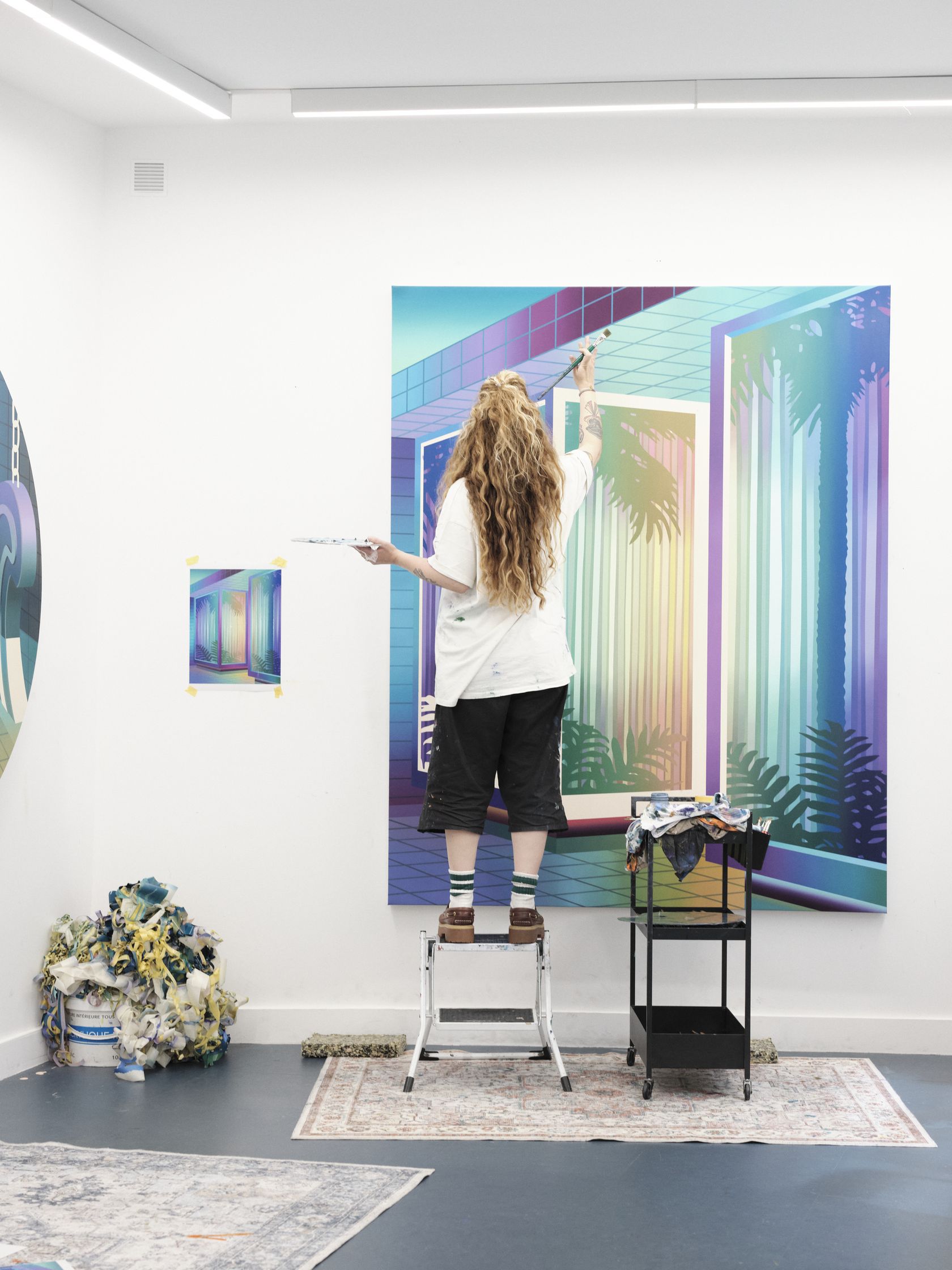
By means of her impeccably smooth execution, Amélie Bertrand (born in 1985) is able to distance herself from ideal landscapes inspired by nature, and shape decors that fall somewhere between dreams and nightmares. The planes and surfaces of her works are assembled in a complex and meticulous manner, branching out into skewed perspectives and shallow horizons. All kinds of materials and motifs typical of our era saturate her compositions: OSB, laminates, wire mesh, tiles, fleecing, chains, foliage, camouflage etc. Colors are applied in gradients, yet always as a single layer, as if trapped on the surface of an impenetrable screen. Amélie Bertrand creates an atmosphere of déjà-vu, a contemporary ambience that is both psychological and physical within the confined space of the painting. As the missing link between Giotto and West Coast art, Amélie Bertrand combines the great traditions with synthetic psychedelia, transforming contemporary visual culture into carefully controlled constructs of flat tints.
Amélie Bertrand presents a solo exhibition at the Musée de Valence in 2026. In 2024, an exhibition dedicated to her work was held at the Musée de l’Orangerie in Paris. She has recently enjoyed solo and group exhibitions at the Centre d’art contemporain de la Matmut-Daniel Havis, Saint-Pierre-de-Varengeville (FR), the Maison des arts, Malakoff (FR), the Centre d’art contemporain de Meymac (FR), the Kunstwerk Carlshütte, Büdelsdorf (DE), the Ecole Municipale des Beaux-Arts, Châteauroux and the Musée des Beaux-Arts de Dole (FR). Her oeuvres are included in public and private collections such as the Thyssen-Bornemisza Art Contemporary, the MAC VAL, Vitry-sur-Seine (FR), the CNAP, Paris (FR), the FRAC Limousin, Limoges (FR), Les Abattoirs Musée – Frac Occitanie Toulouse (FR) and the Musée de l’Abbaye Sainte Croix, Les Sables-d’Olonne (FR).
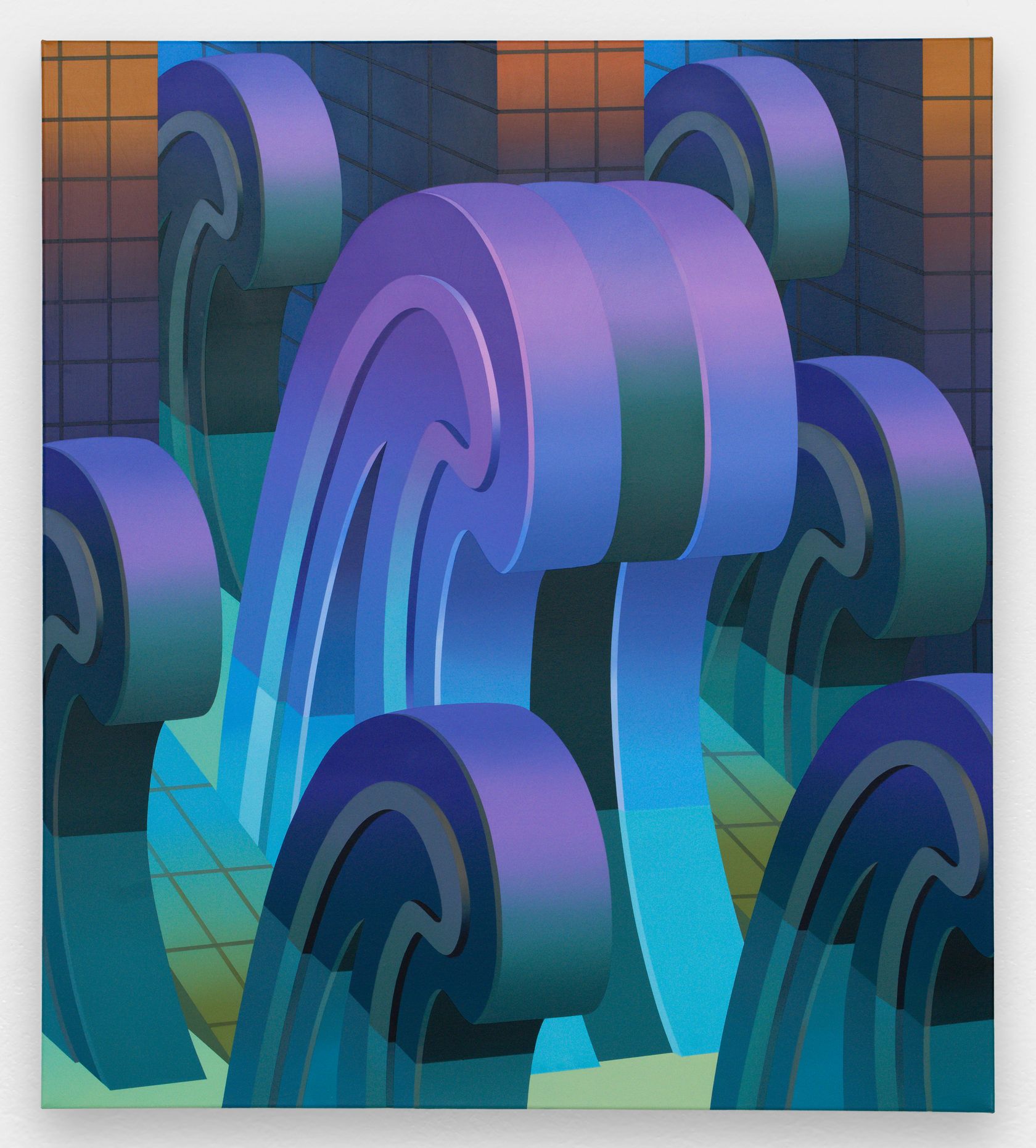
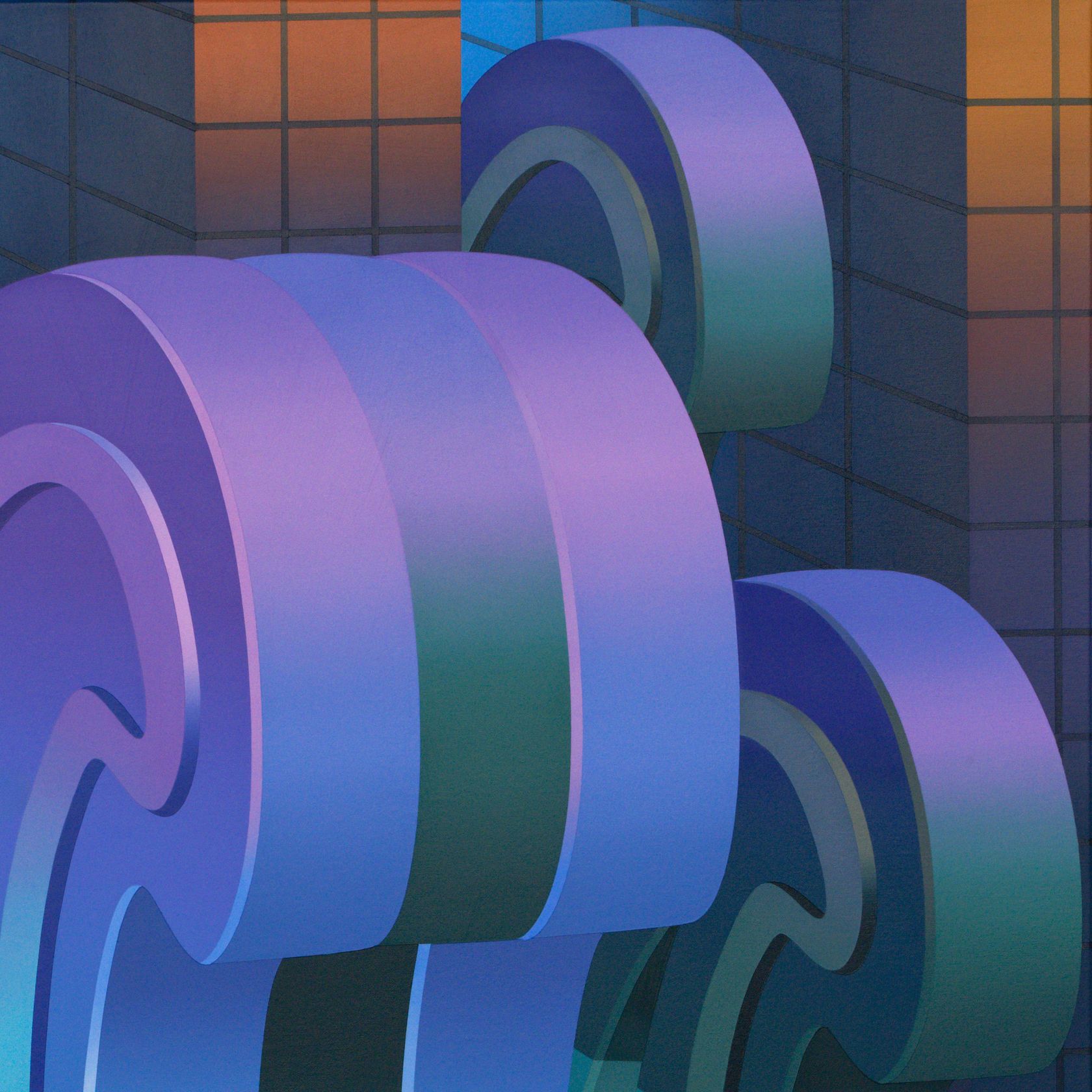
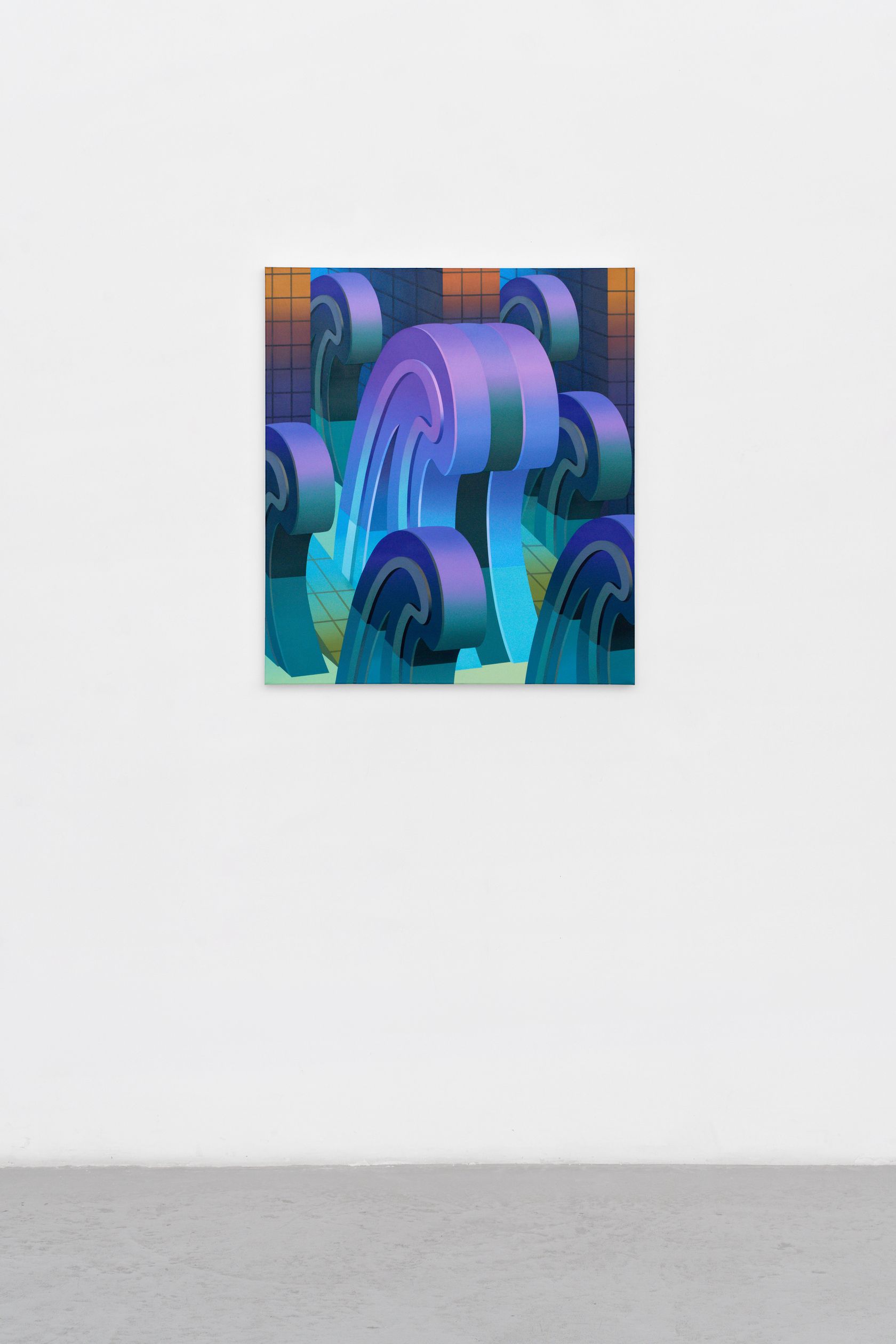
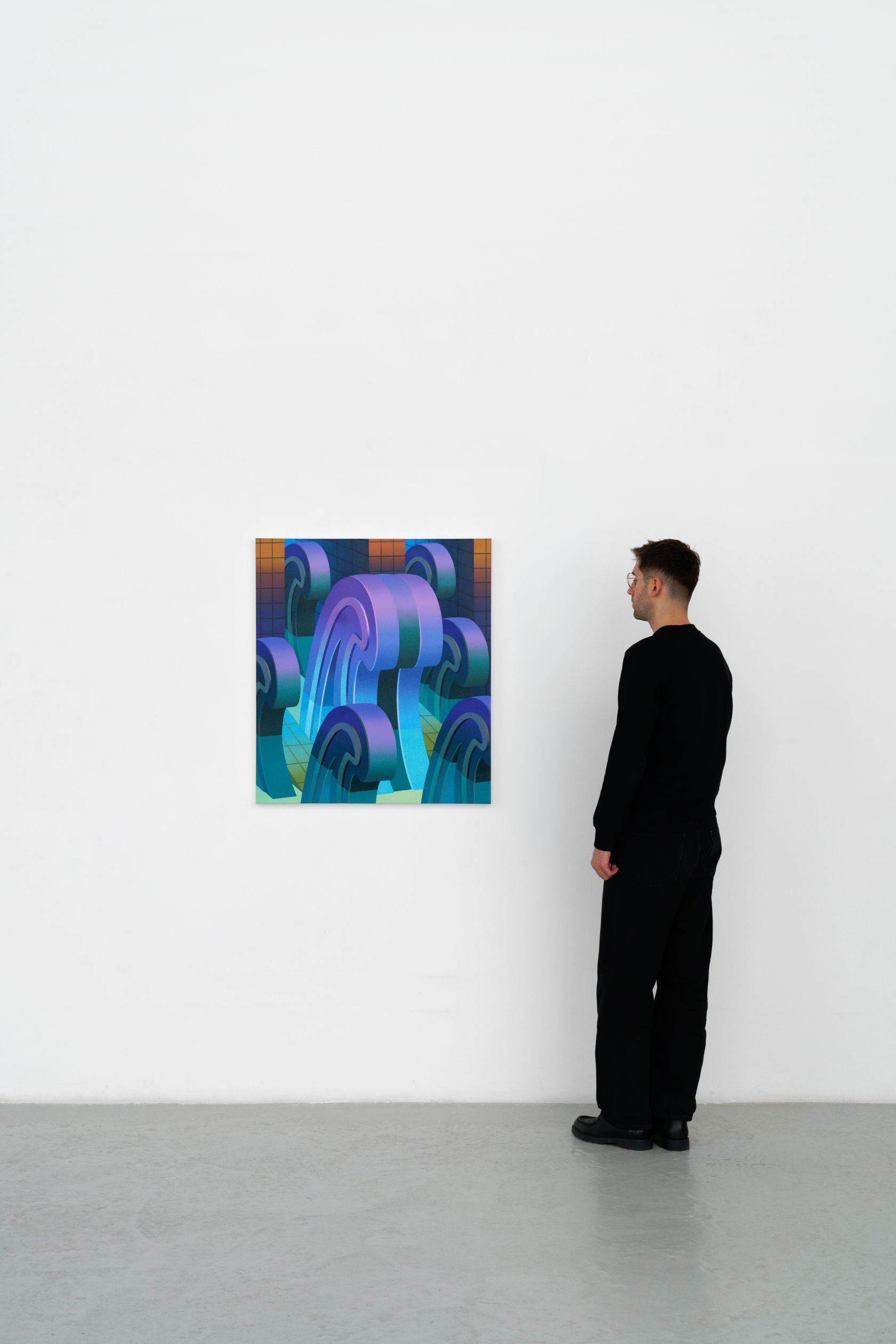
- Amélie Bertrand
- Freak Waves , 2026
- Oil on canvas
-
- 90 ×
- 80 × cm
- 35 7/16 ×
- 31 1/2 × inches
Born in Versailles in 1980, Laurent Proux lives and works in Paris. In his painting and drawing, Laurent Proux produces powerful and original imagery that seeks through his formal choices to resolve the questions raised by his subjects. Described by some as a realist due to the subjects he depicts—industrial machinery, workstations, sexualized bodies, etc.—his style finds its emancipation through his never-ending exploration of pictorial solutions, the integration of aberrations, bringing planes into collision, the use of artificial colors, all freeing his oeuvre from the opposition between figuration and abstraction. He approaches the human form through fragments, exaggeration and the use of silhouettes to create a kind of body-cum-machine, politicized and under assault, often disturbing and occasionally sentimental. His canvases take the form of a stage, in an altered perspective and the artist addresses the spectator with a visual and intellectual enigma running through the image.
In 2025, Laurent Proux presents his first institutional solo exhibition at the Musée de l’Abbaye in Saint-Claude. In 2026, he is invited by the Artothèque, Espace d’art contemporain de Caen, to present a solo exhibition. His oeuvres are included in the collections of the National Center for Visual Arts (CNAP), the Occitan, Limousin and Nouvelle-Aquitaine regional contemporary art collections (FRAC) and the Paris Municipal Collection (FMAC). His work has been exhibited at the Mana Contemporary in Chicago (US), the Shanghai Art Museum (CN), the Moscow Center for Contemporary Art (RU), the Musée d’Art Contemporain in Lyon (FR), the Limousin FRAC in Limoges (FR), at the Lieu Commun in Toulouse (FR) and at the Musée d'Art moderne et contemporain de l'Abbaye Sainte-Croix aux Sables-d'Olonne (FR). Laurent Proux was a resident of the Casa de Velázquez in Madrid (ES).
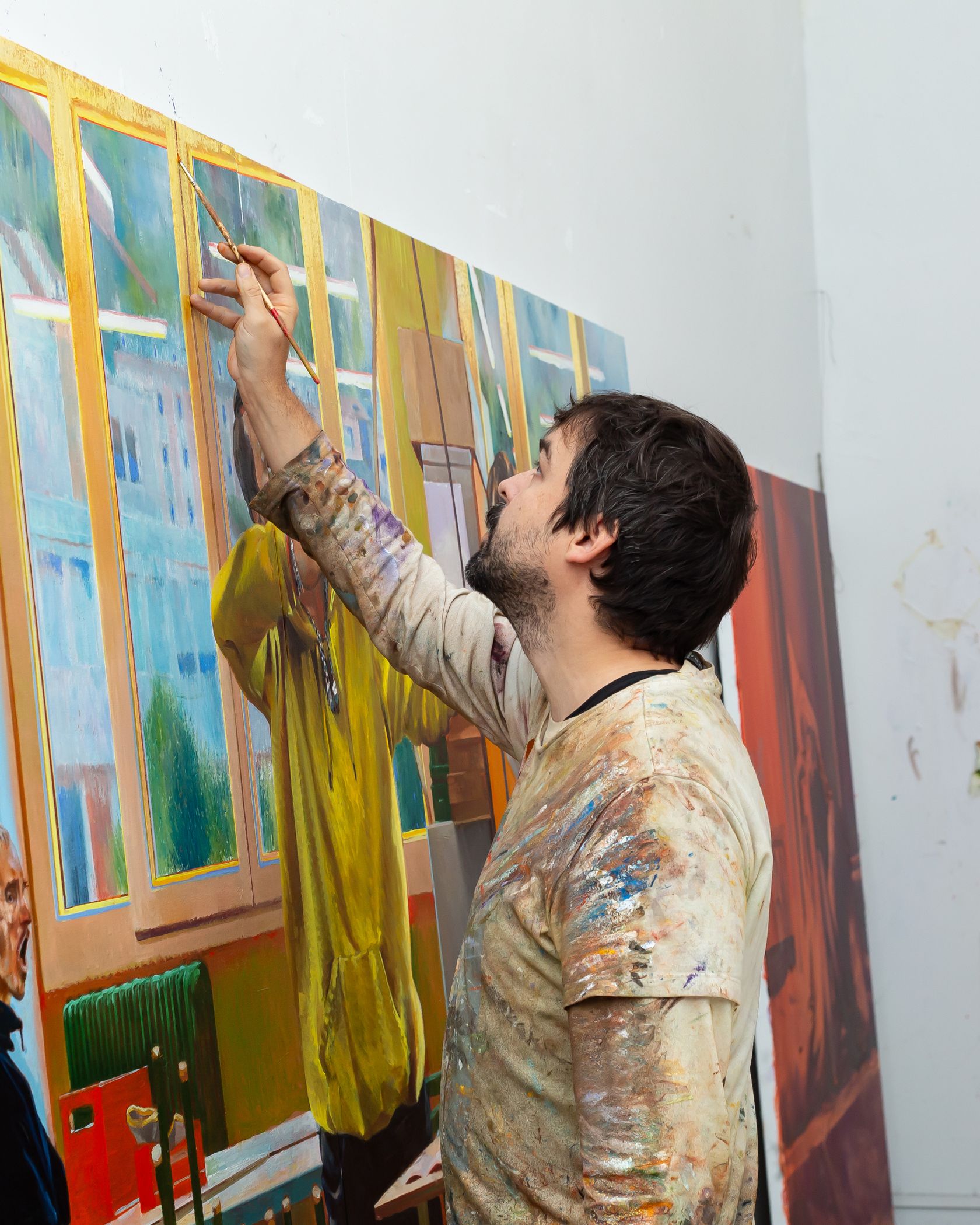
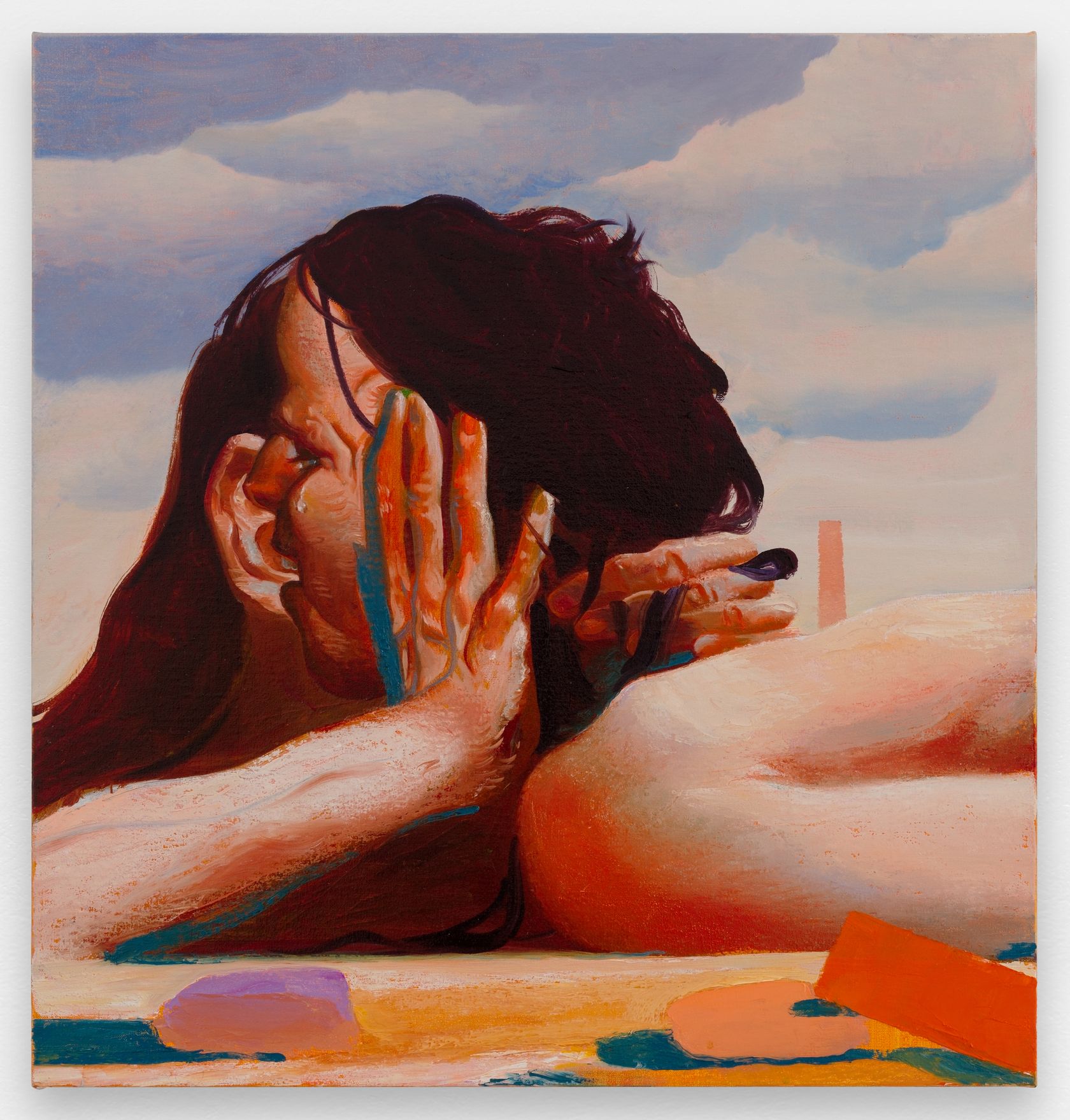
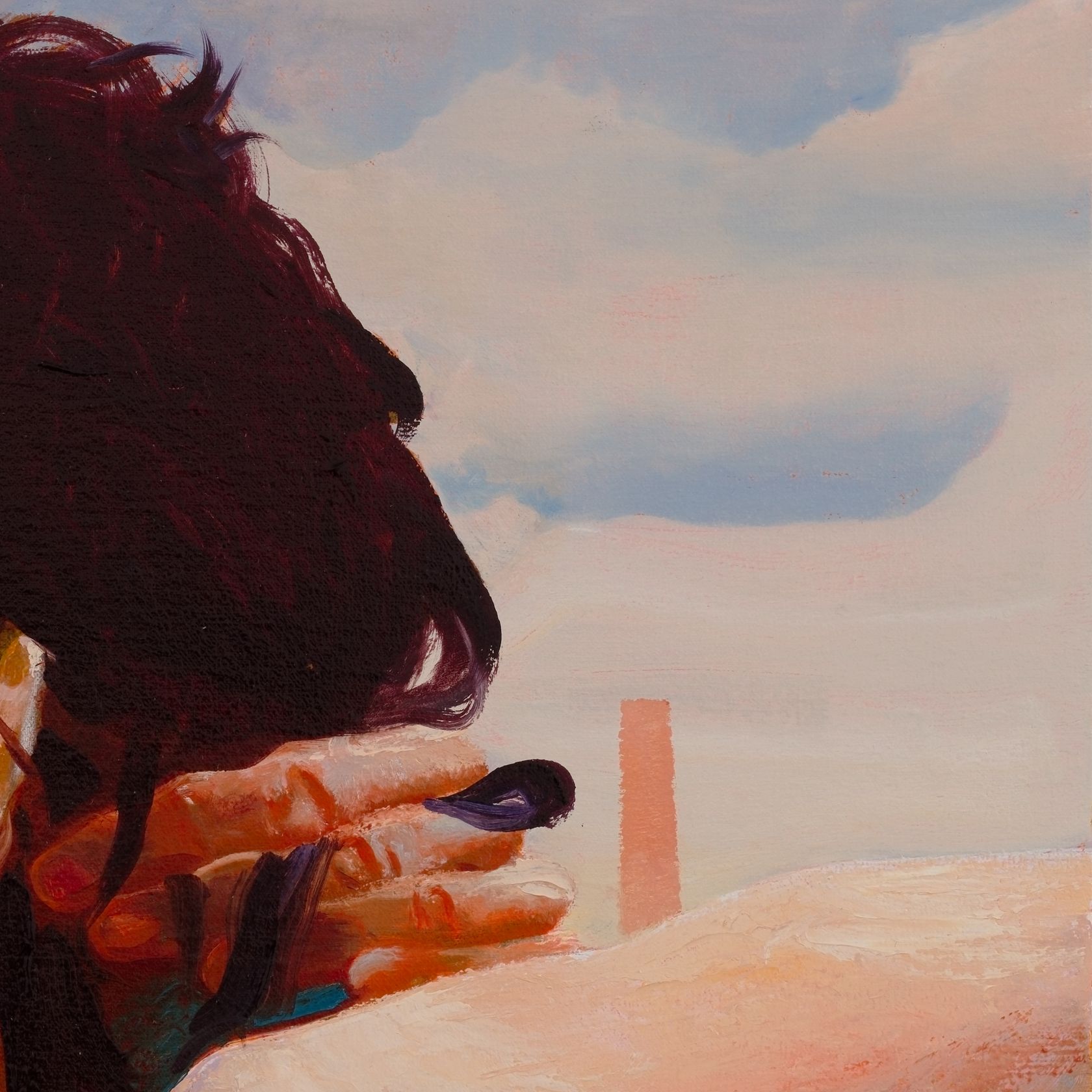
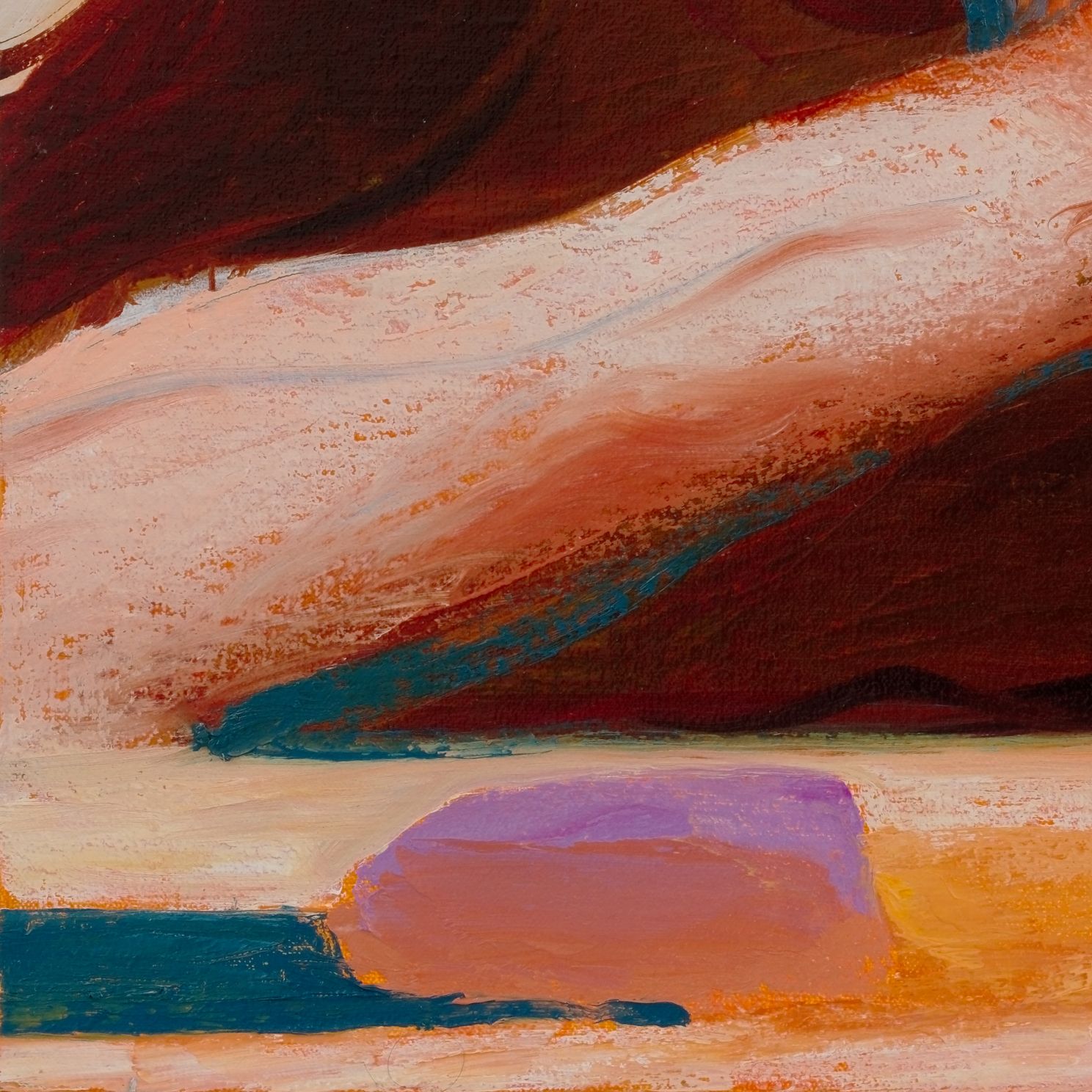
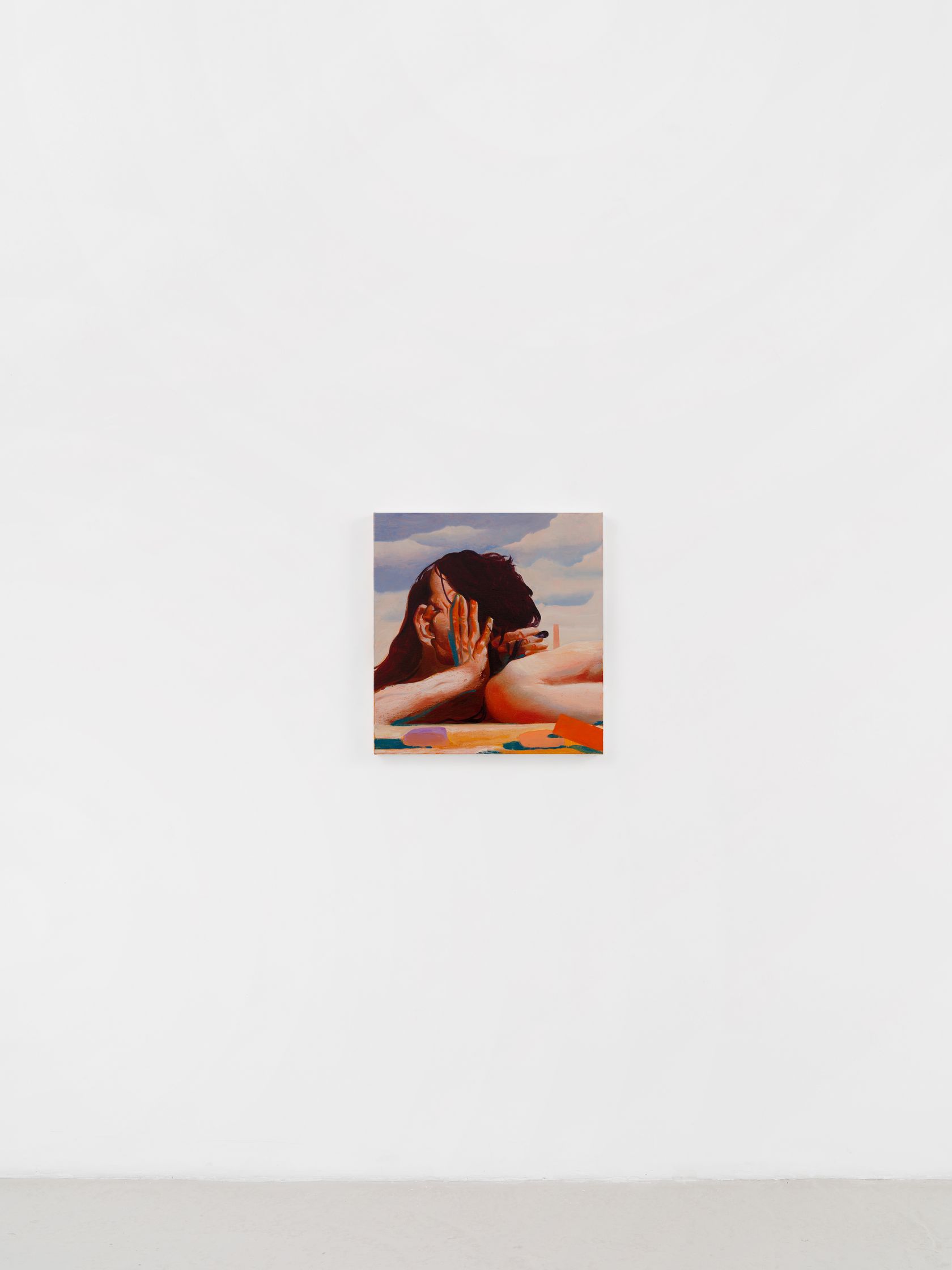
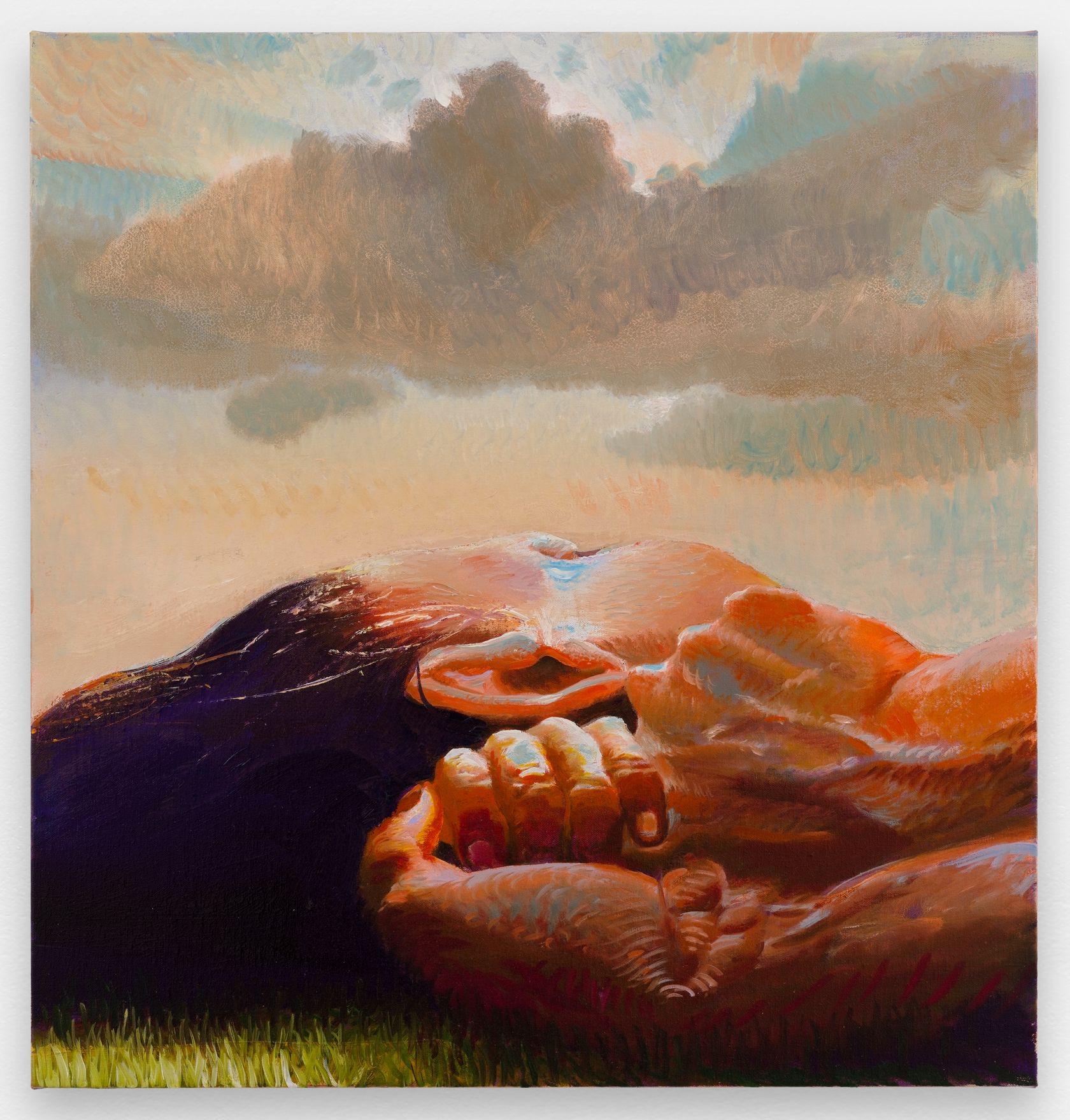
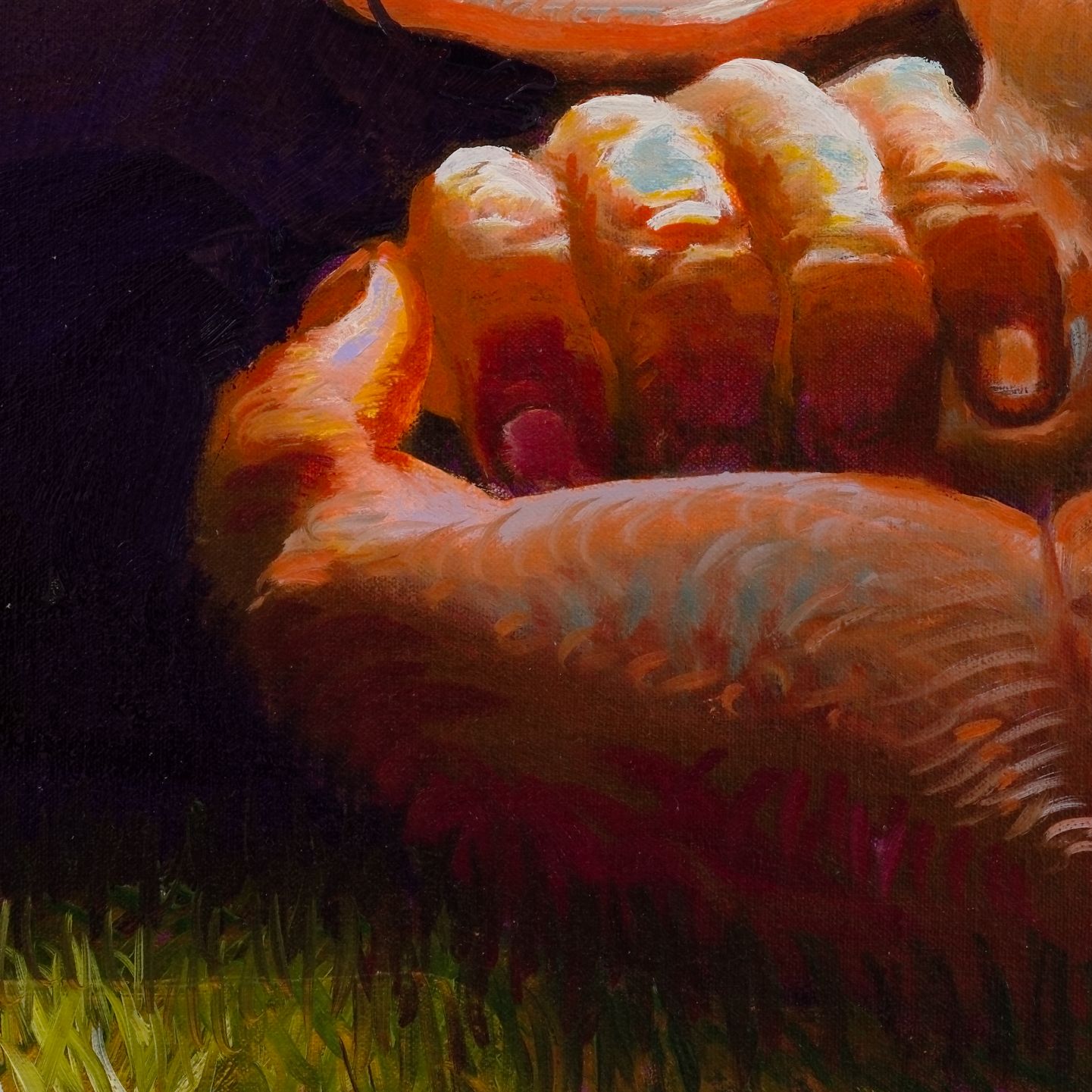
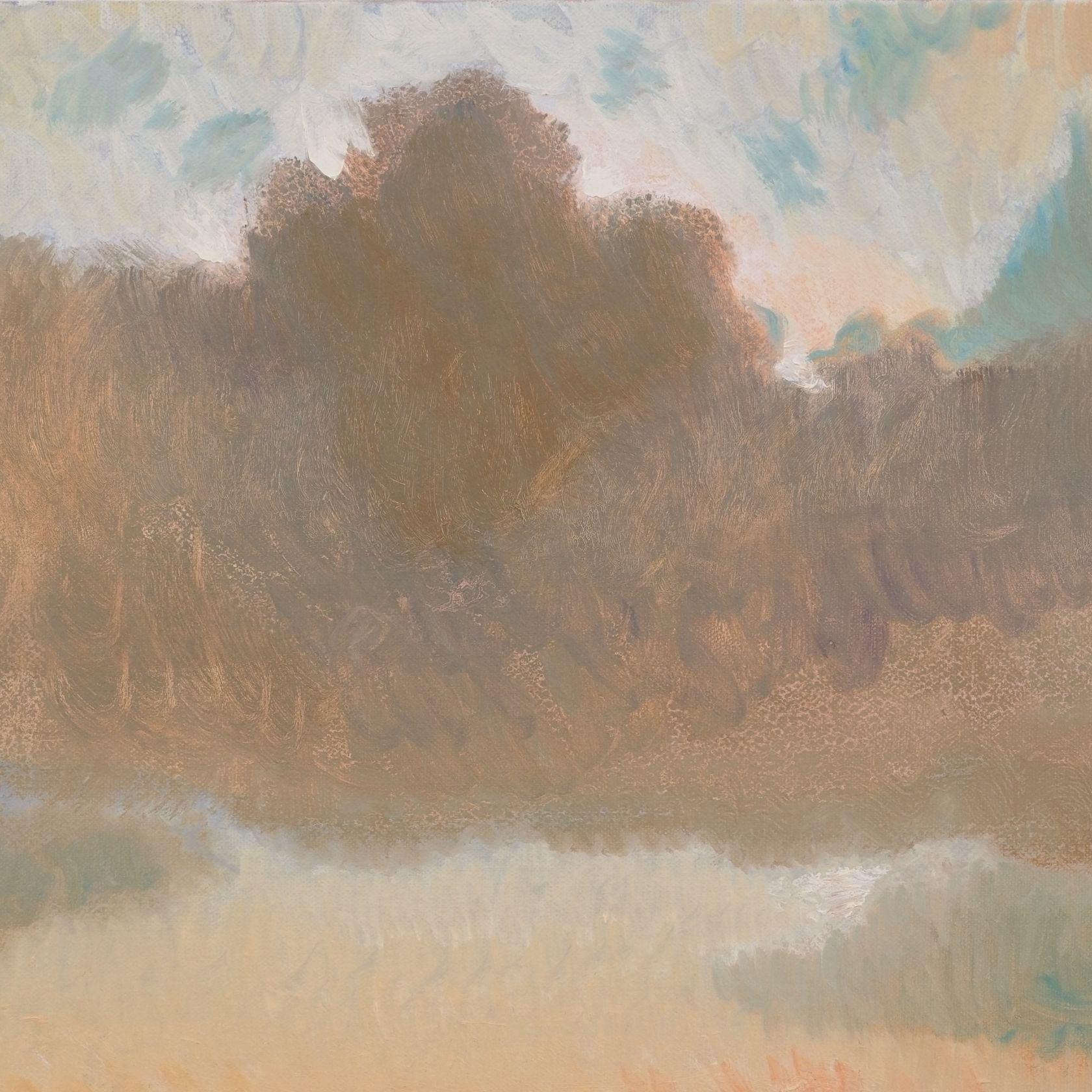
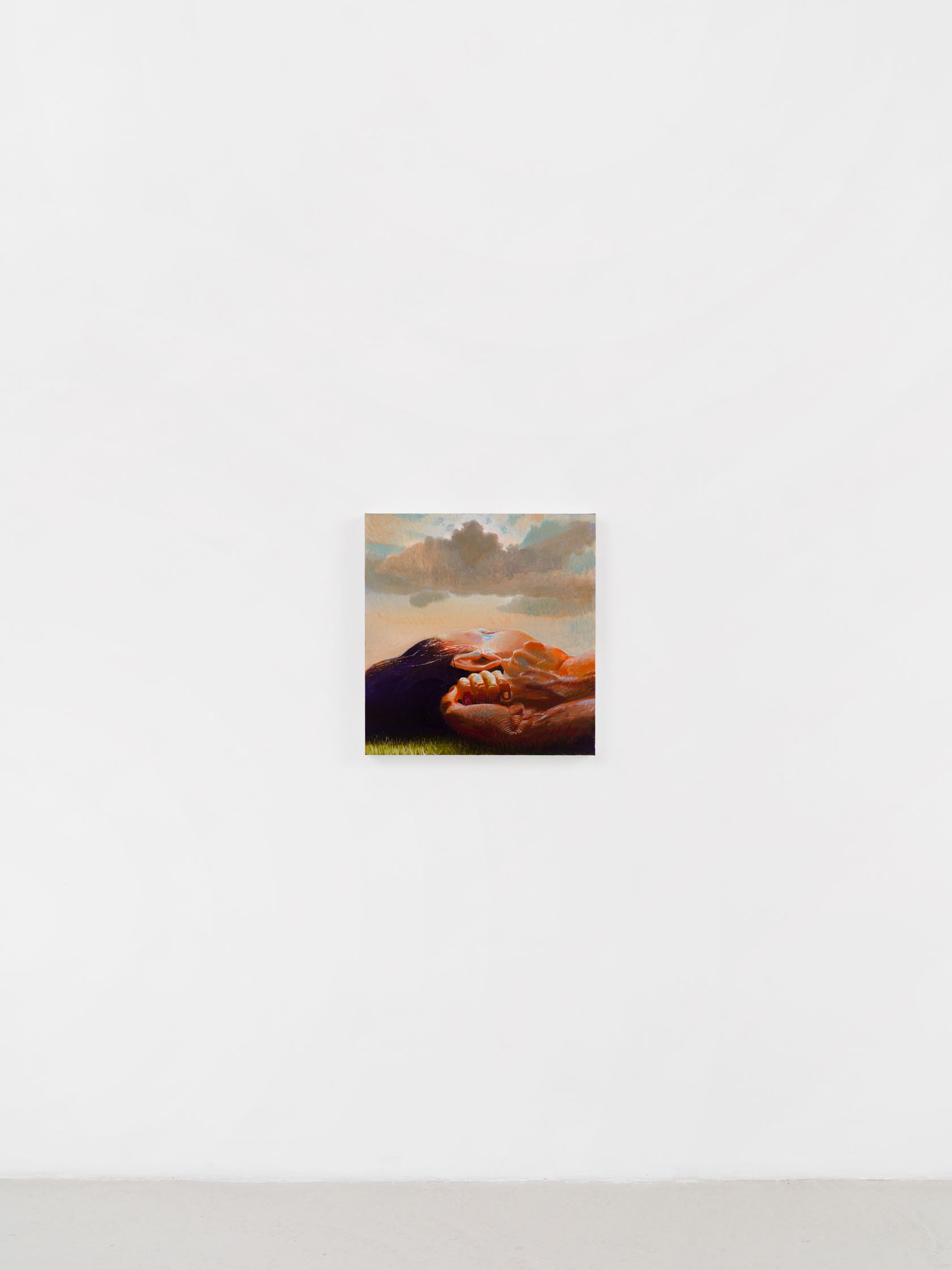
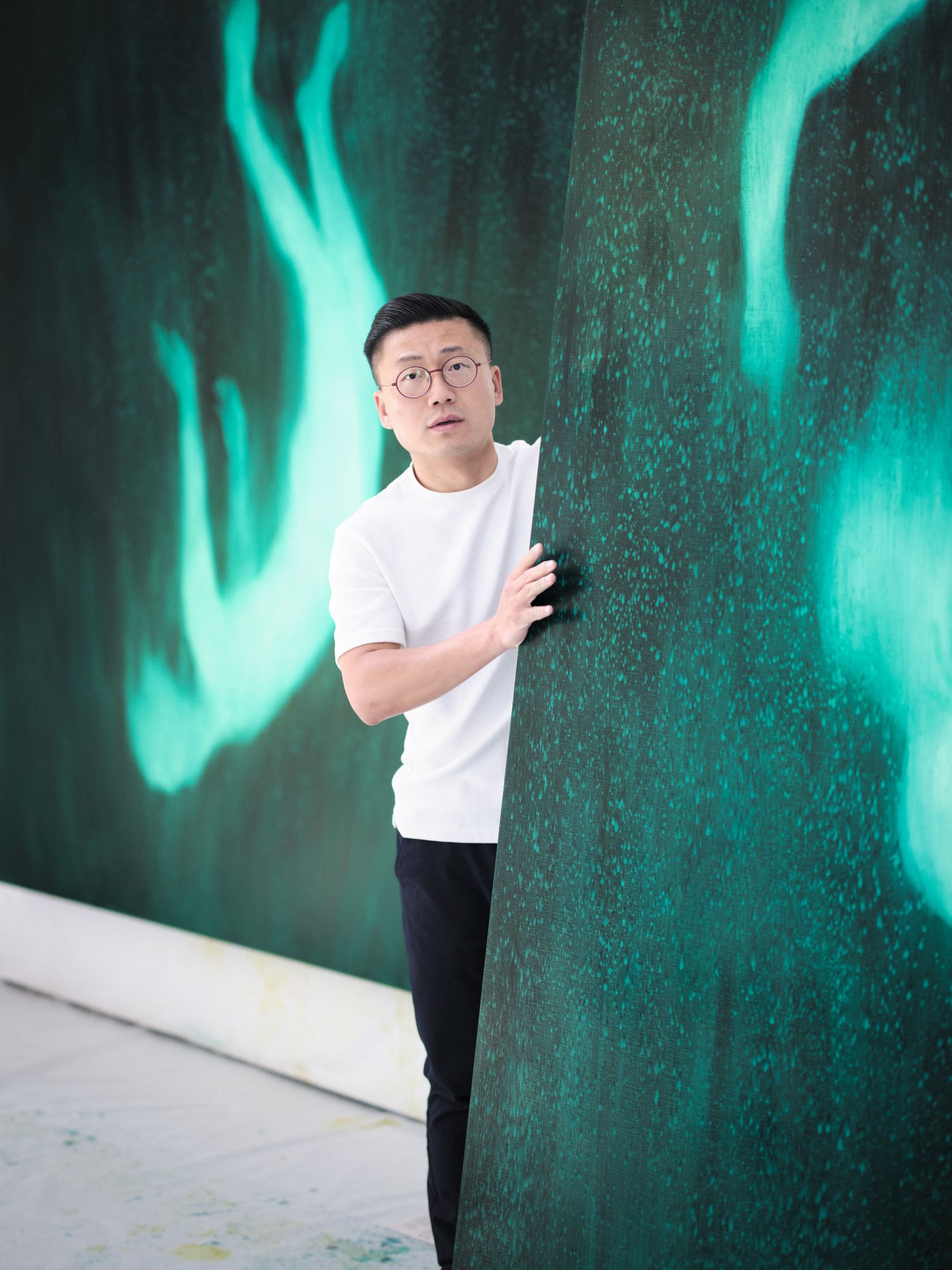
Xie Lei chose painting through personal conviction, as it opens up a pathway towards a language capable of expressing his sensory universe and a field of experimentation that allows him to delve into the specificity of this medium in the contemporary world. His work always starts with a basis in reality before taking flight to explore uncertain or ambiguous realms that are transformed by his imagination. Most of his paintings refer to murky or disturbing situations, discreetly linked to literary or cinematographic memories or drawn from a profound crucible of personal emotions. His work dwells on the complexity of events and situations and above all their ambiguity and the tensions they foster. His recent painting intrigues through its exploration of a world in-between sleep and death. The colors are somber but shift towards the luminous and the powerful. Xie Lei’s painting is singular in that it offers up an alternative perception of time: in a salutary manner, it suggests a slowing of the spectator’s gaze and an escape from the intoxicating world of immediacy and constant acceleration.
Xie Lei (b. 1983 in China) has lived and worked in Paris since 2006. He graduated from the CAFA in Beijing then the ENSBA in Paris. He is the winner of the 2025 Marcel Duchamp Prize. His works have been exhibited in numerous institutions: Louis Vuitton Foundation, Paris (FR); MO.CO, Montpellier (FR); CAPC, Bordeaux (FR); Villa Noailles, Hyères (FR); Musée Denys-Puech, Rodez (FR); Collection Lambert, Avignon (FR); MAC VAL, Vitry-sur-Seine (FR); Langen Foundation, Neuss (DE); Musée National d’Histoire d’Immigration, Paris (FR); Ricard Foundation, Paris (FR). A solo exhibition at the LaM in Lille (FR) will be dedicated to the artist in 2027. Xie Lei’s oeuvres feature in many collections such as the Thyssen-Bornemisza Art Contemporary, MAC VAL, Albertina Museum and X Museum. Xie Lei was resident at the Casa de Velázquez, Madrid (2020-2021) and at the Villa Medici, Roma (2024).
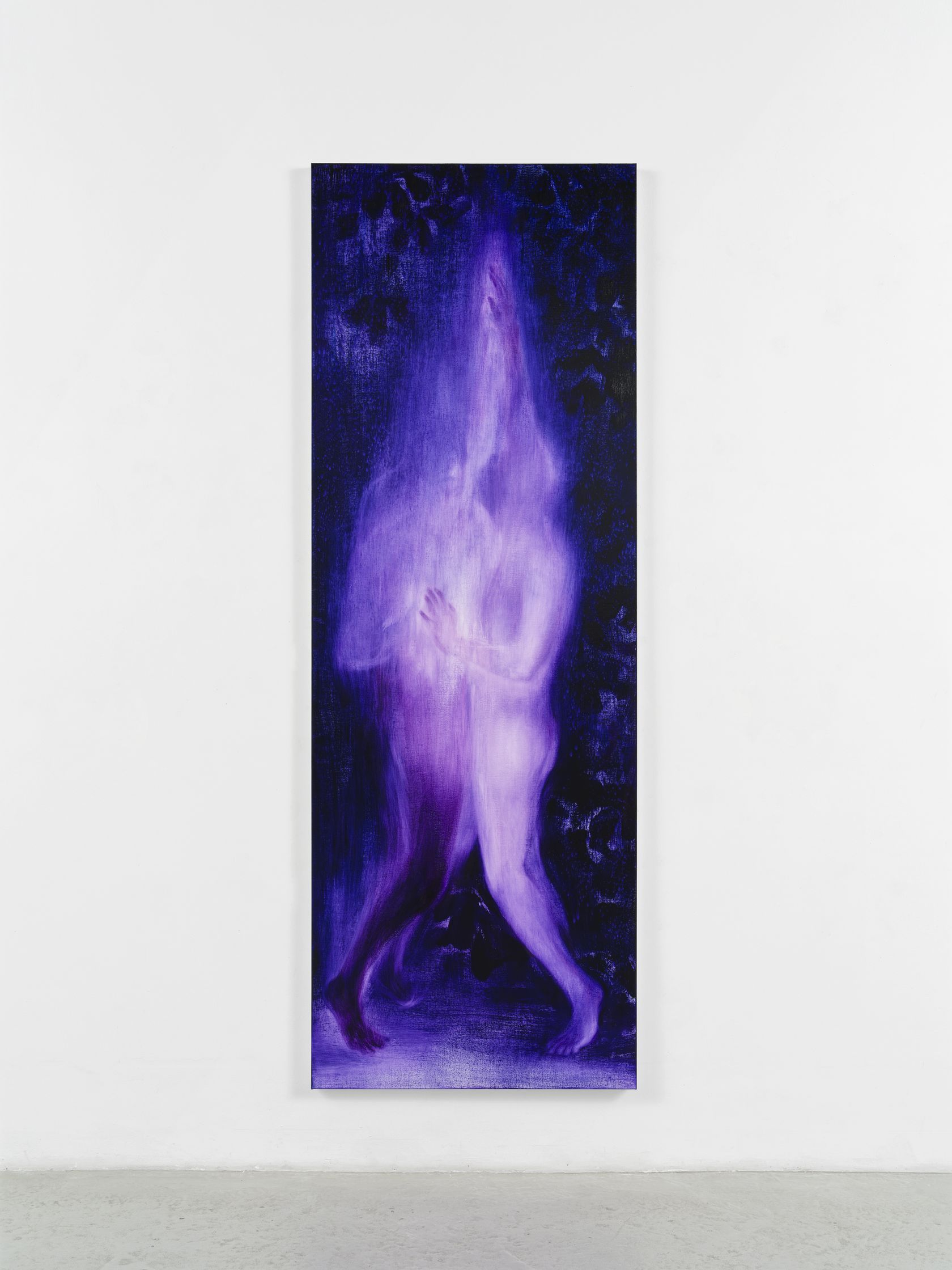
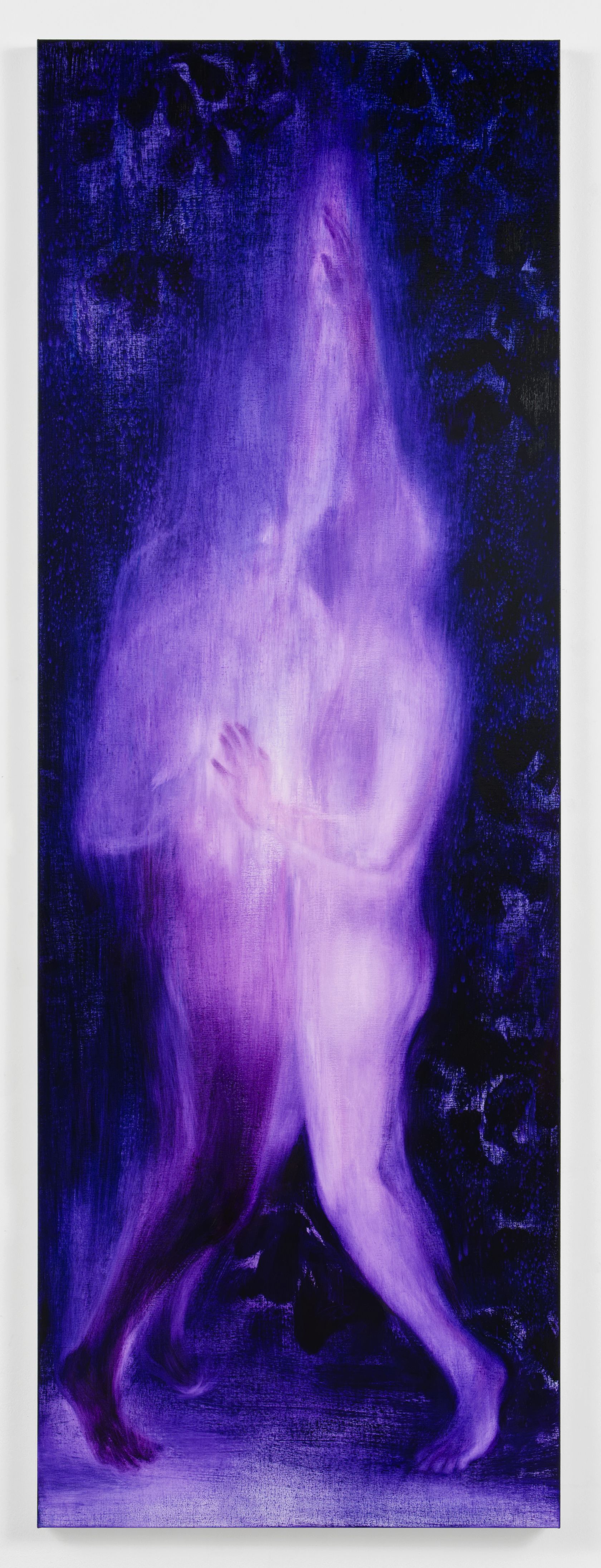
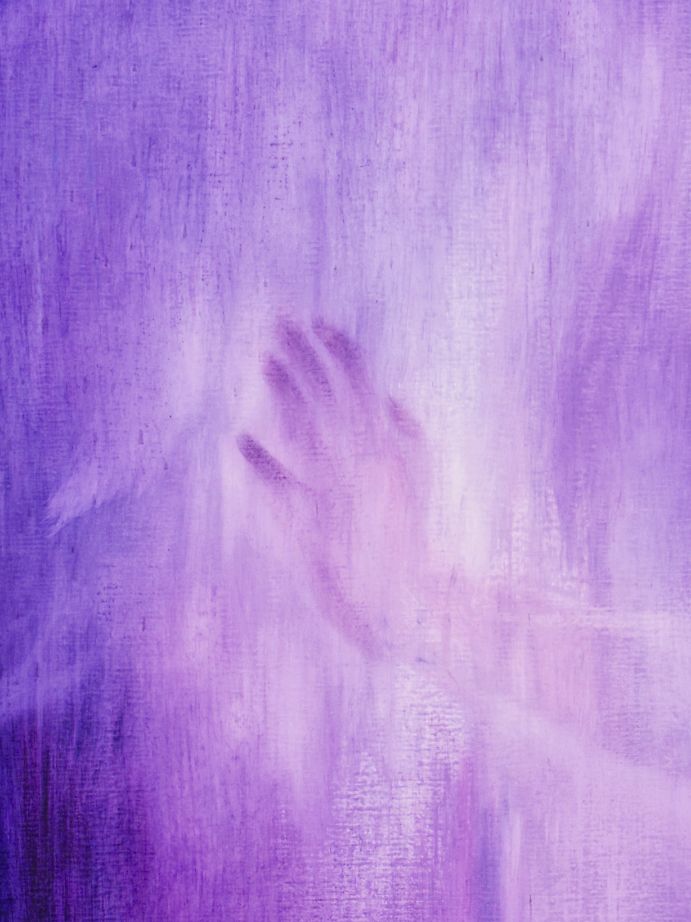
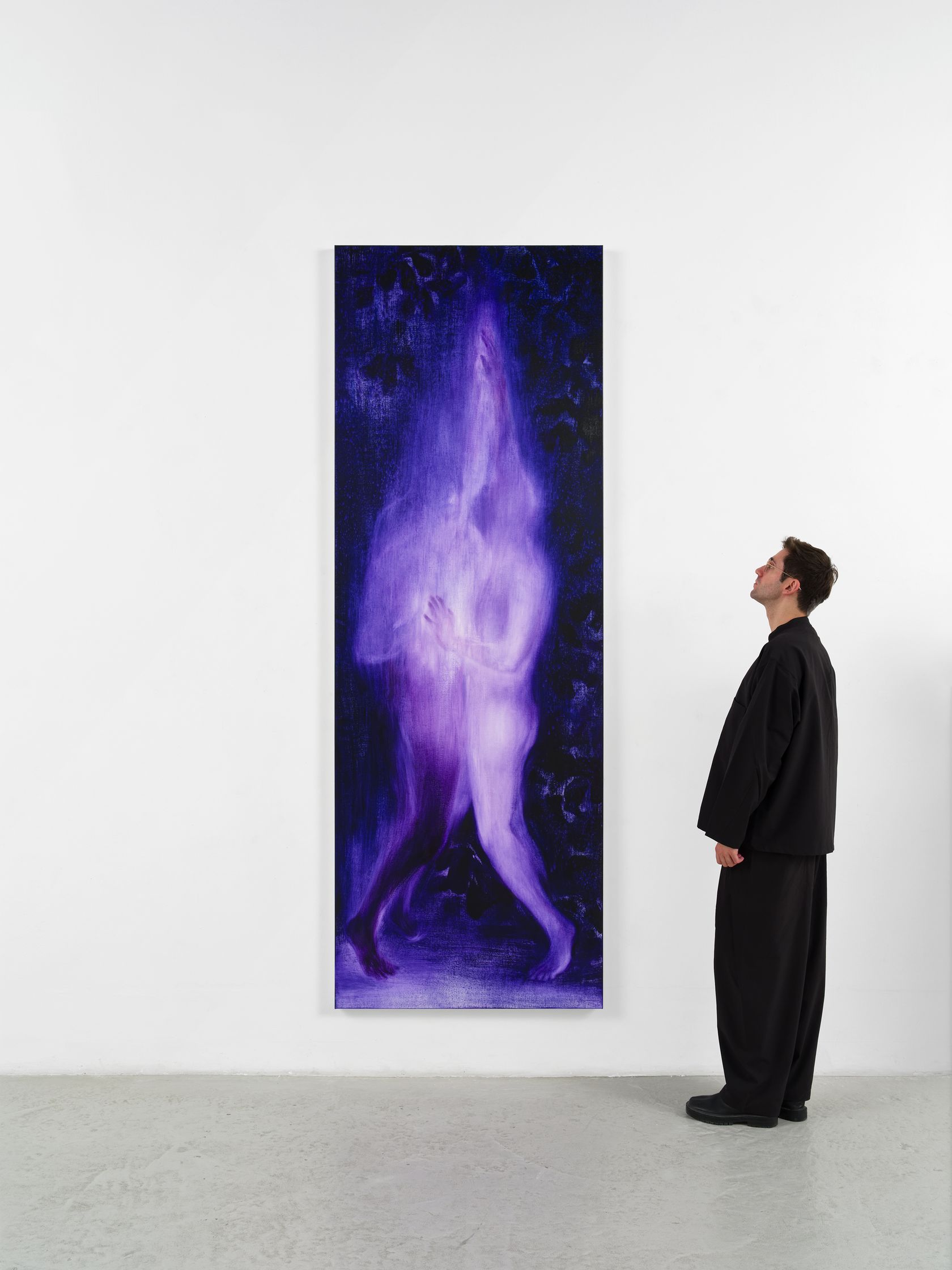
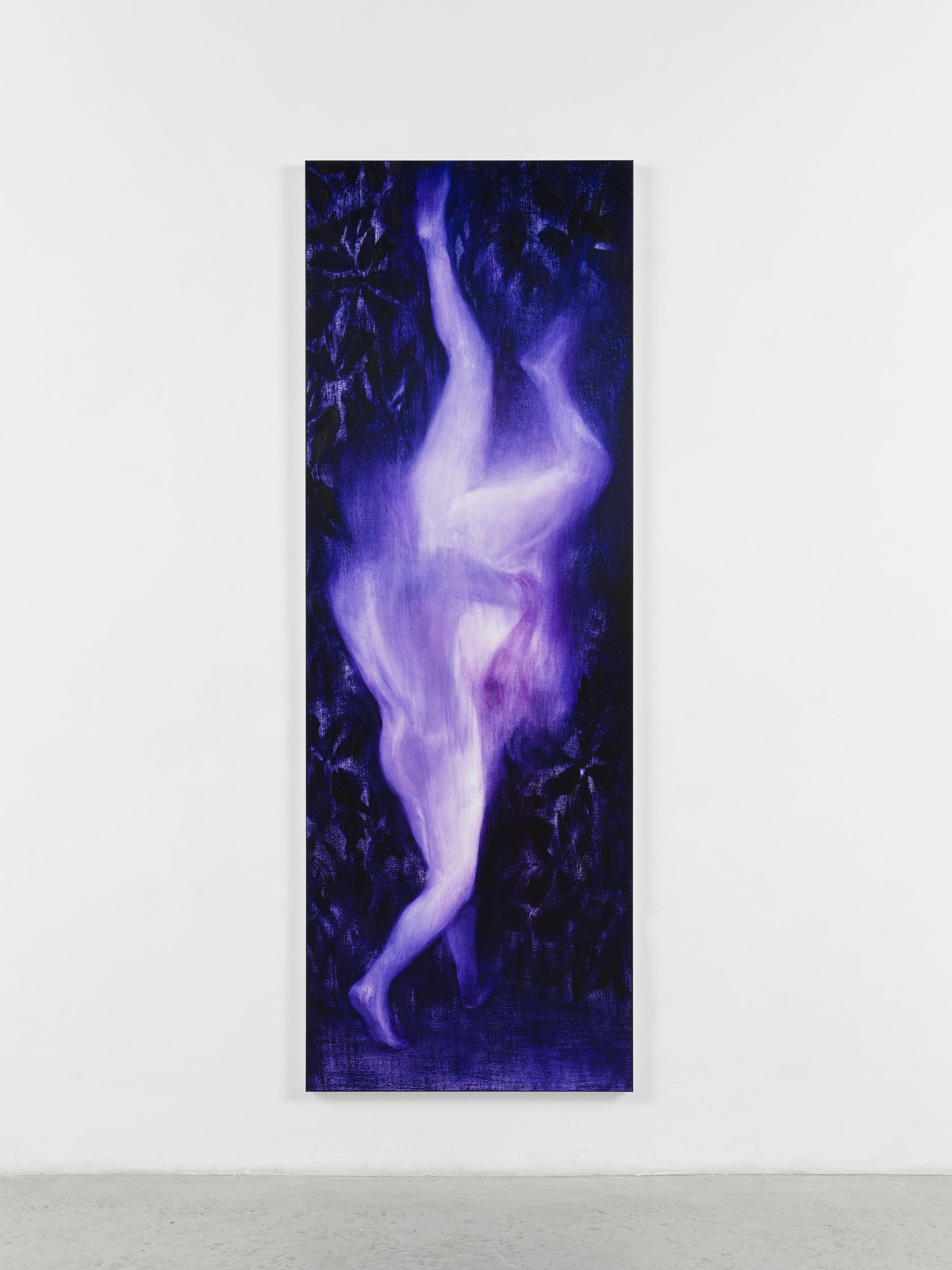
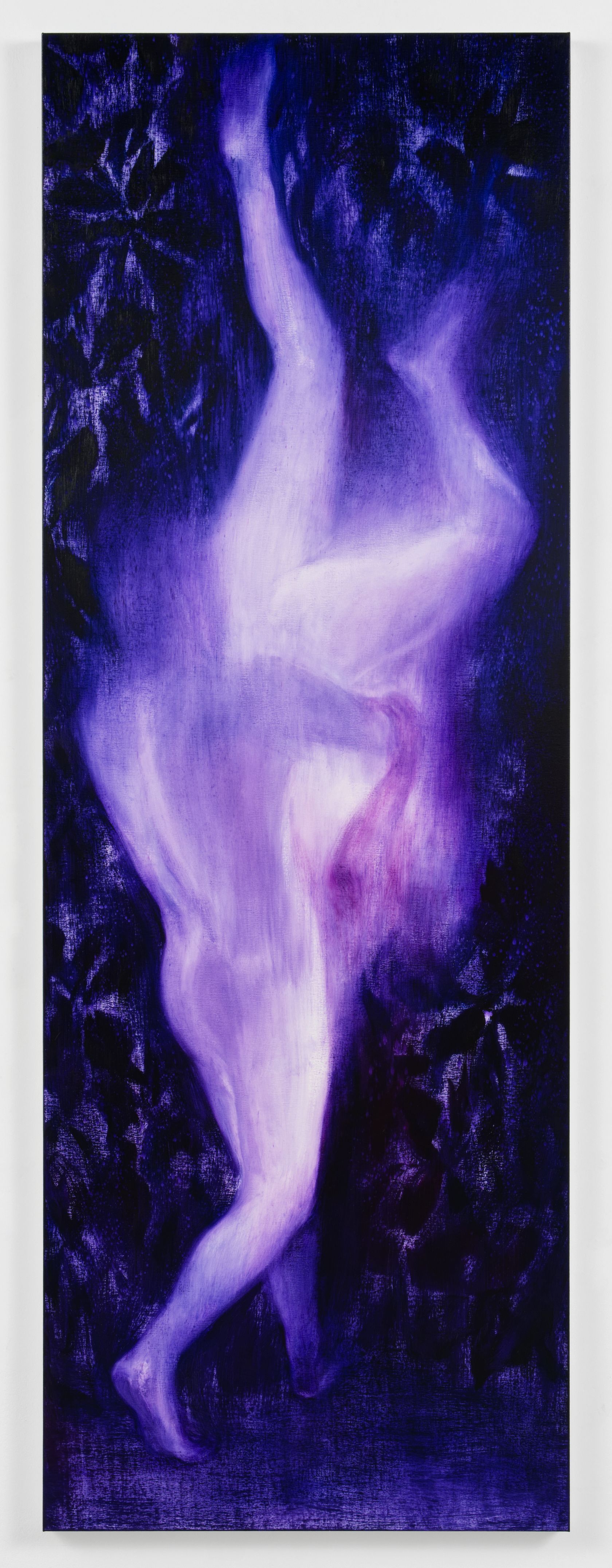
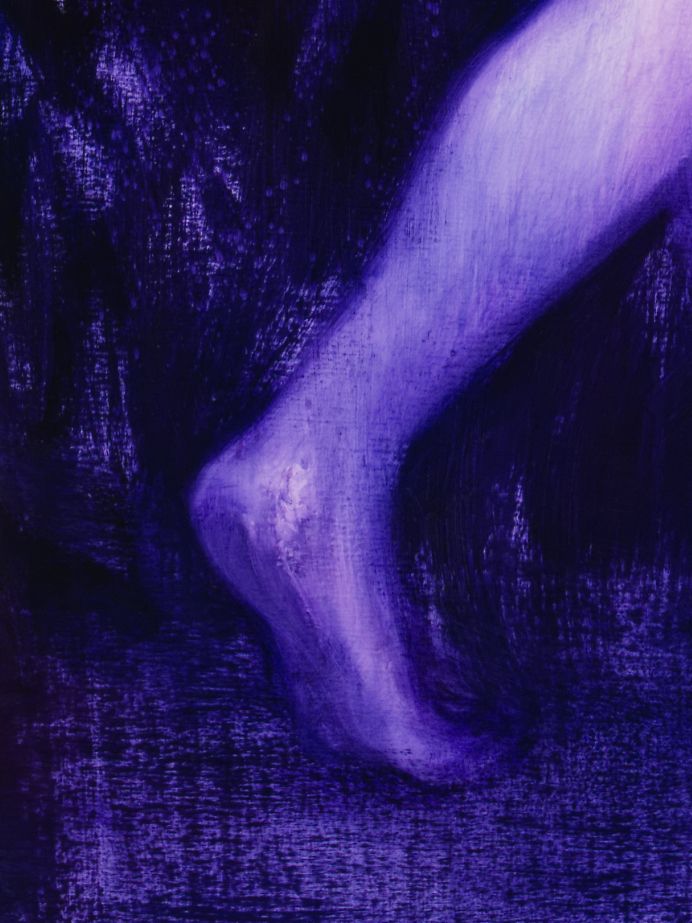
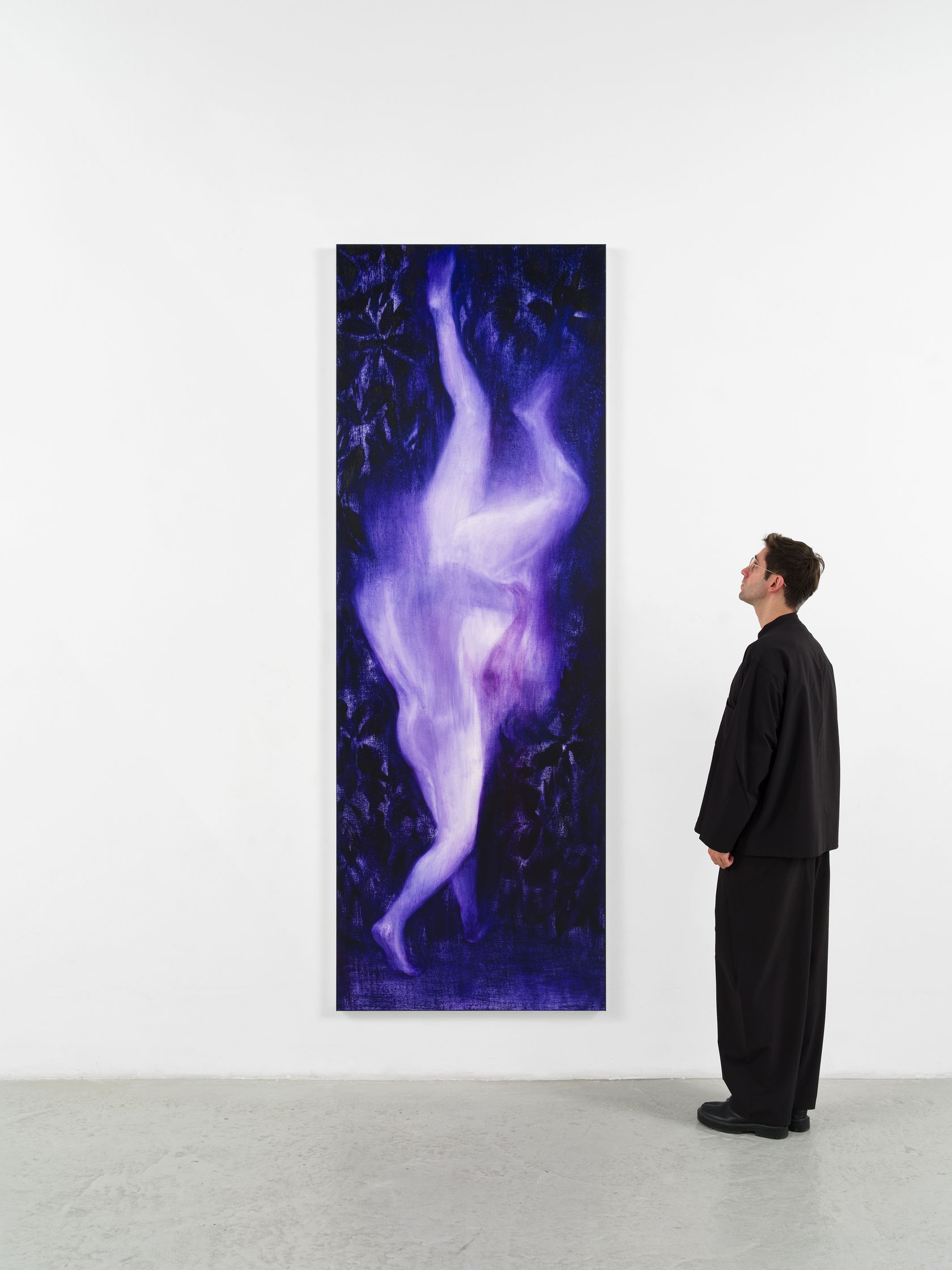
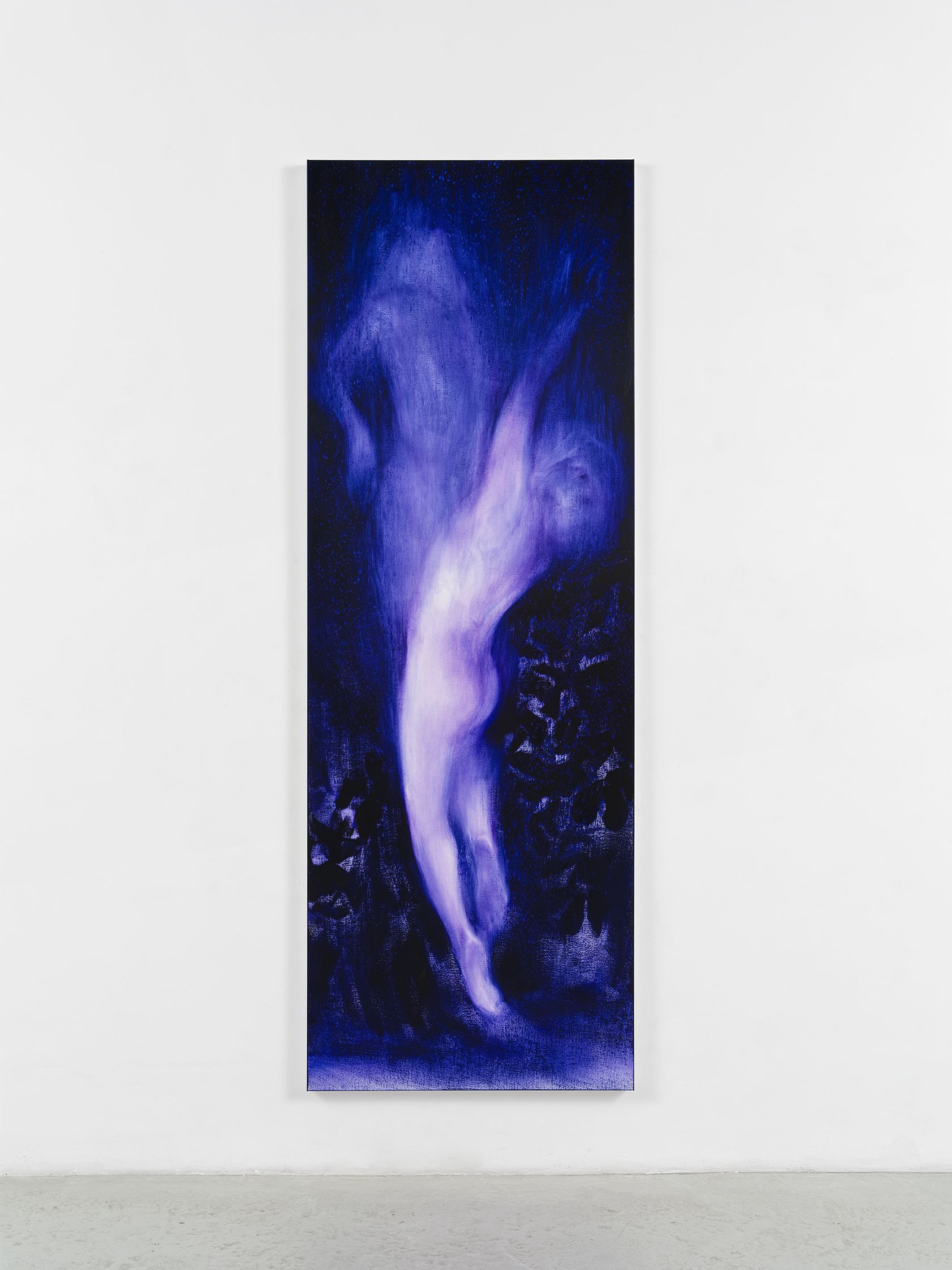
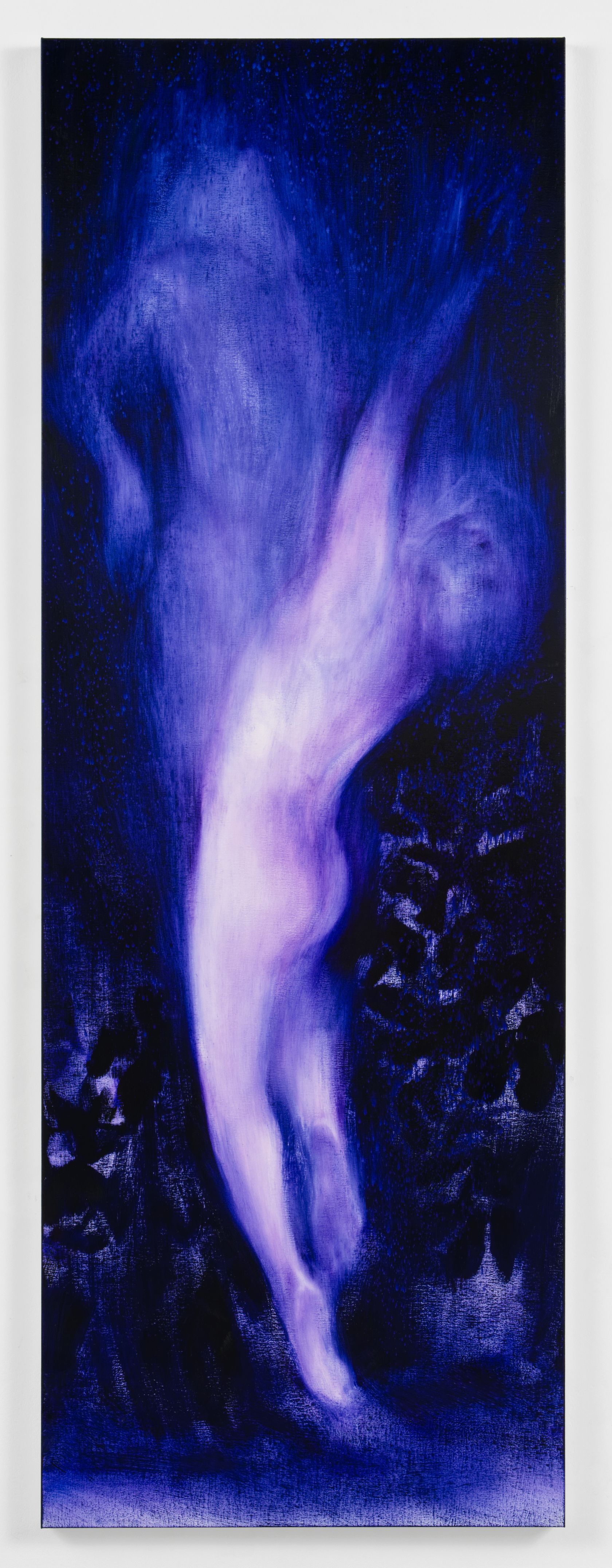
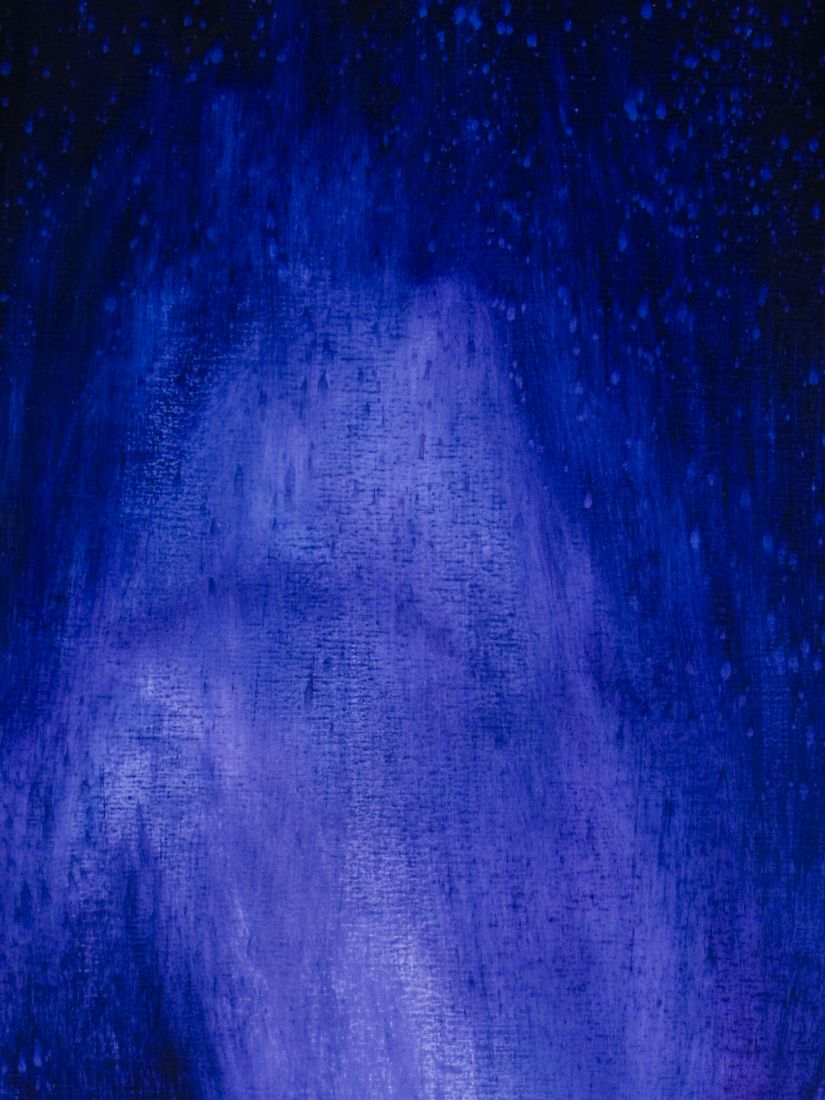
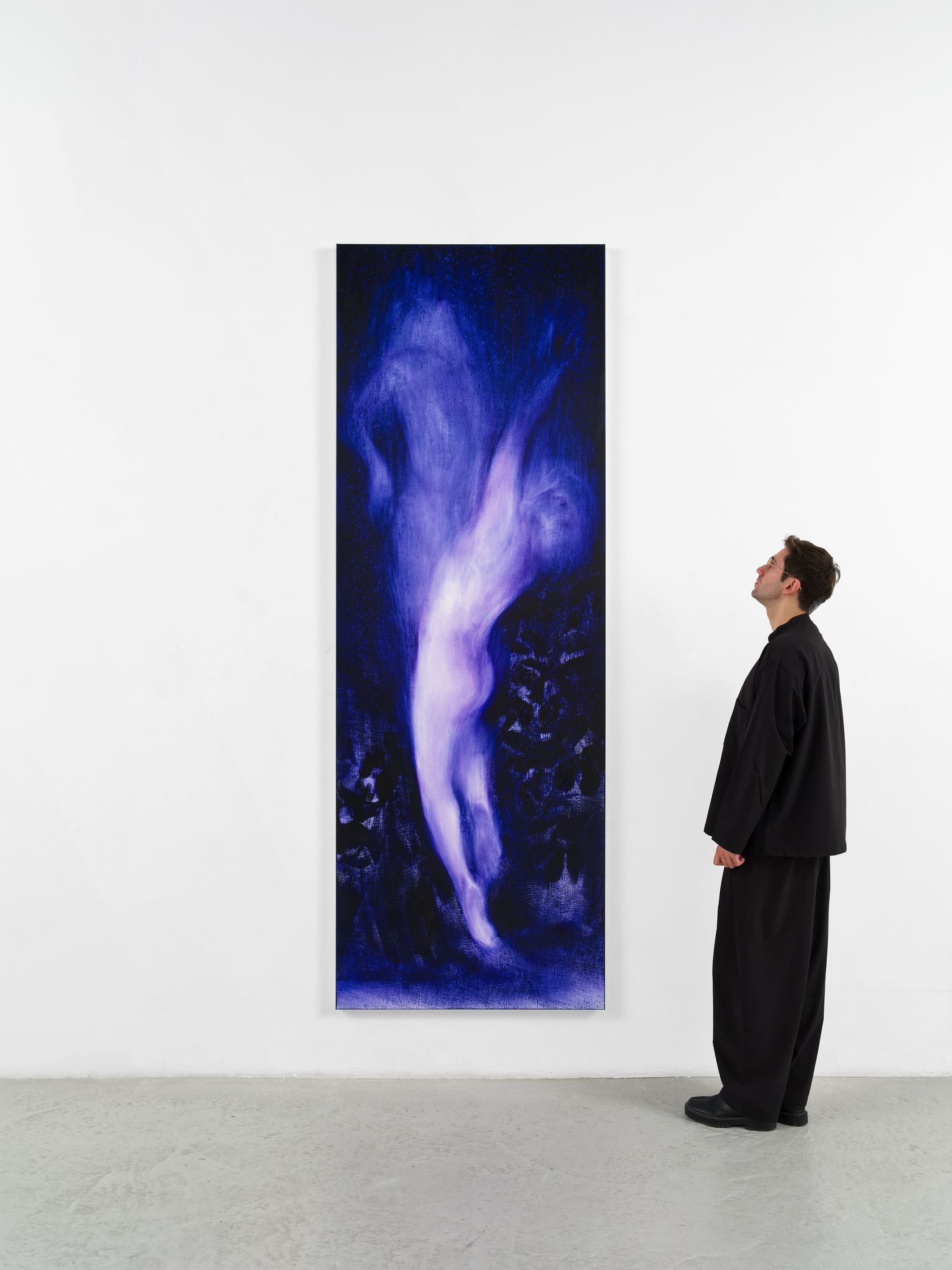
- Xie Lei
- Admiration II , 2026
- Oil on canvas
-
- 270 ×
- 95 × cm
- 106 5/16 ×
- 37 3/8 × inches
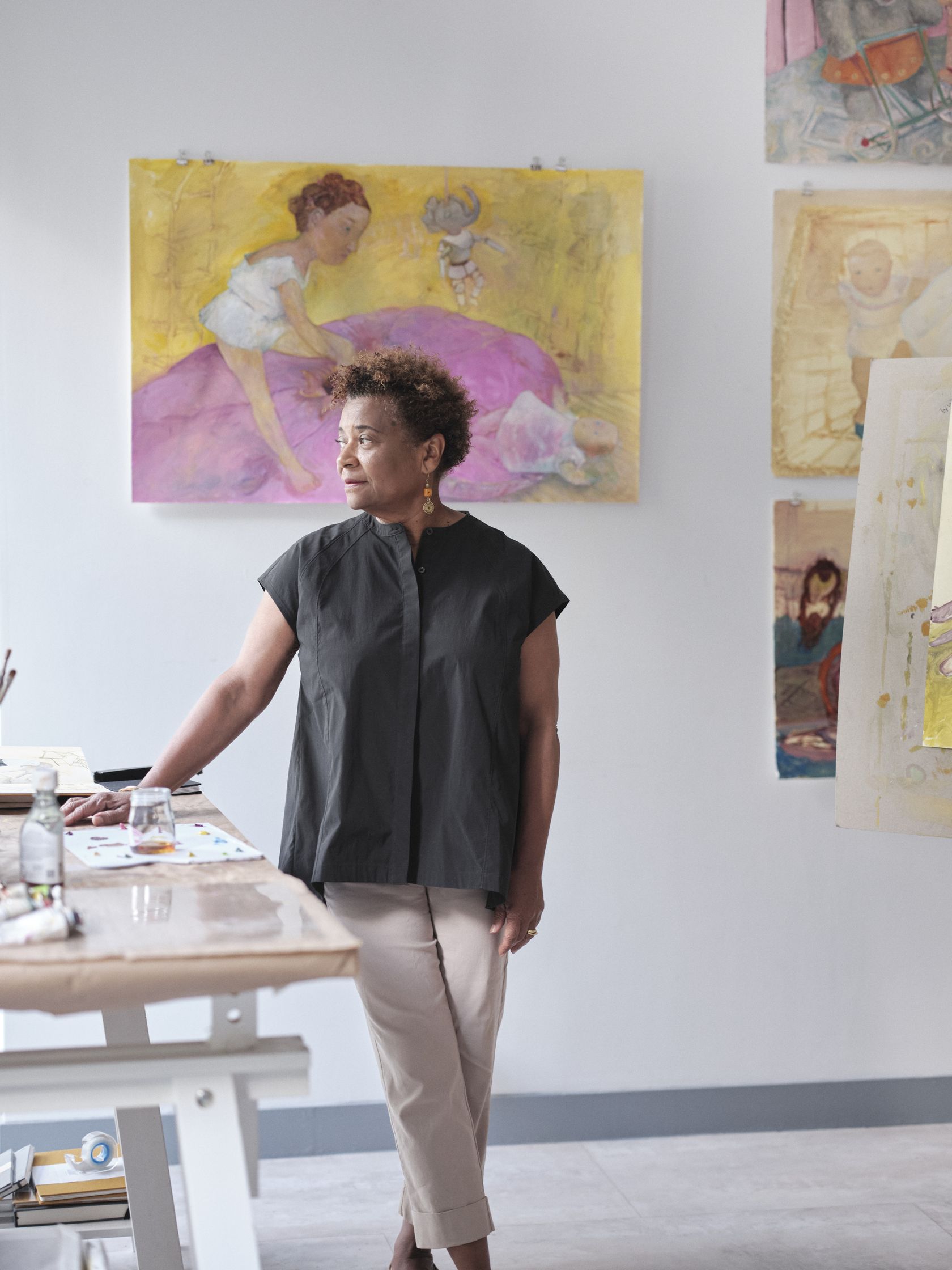
The African-American artist Philemona Williamson (b. 1951) brings together personal and more universal narratives in her brightly colored, large format paintings that portray children and teenagers, often in mysterious situations. She paints directly onto her canvases without preliminary sketches and her paintings thus resemble palimpsests telling their own stories, with multiple layers, figures and scenes appearing across the support, before seemingly being abandoned. Williamson’s works are deeply rooted in her childhood memories and include references to memorabilia, such as dolls typical of American popular culture from the artist’s personal collection, and as such are an invitation to explore mysterious and unfinished tales.
Williamson has been exhibited in numerous American institutions, from her debut solo show at the Queens Museum of Art in 1988, to Metaphorical Narratives, at the Montclair Art Museum, New Jersey, in 2017, which spanned the thirty years of her artistic career. Her works can be seen in many public collections across the USA and she has been commissioned for several public projects, most notably by the New York Metropolitan Transport Authority. In 2022, she was one of fifteen recipients of the Anonymous Was A Woman prize, awarded annually since 1986 to women artists over the age of 40, in recognition of their previous and future work.


- Philemona Williamson
- Playtime , 2024
- Oil on canvas
-
- 40.5 ×
- 30.5 ×
- 3.7 × cm
- 16 ×
- 12 ×
- 1 7/16 × inches
- unframed
- 43.5 ×
- 33.5 ×
- 5 × cm
- 17 1/8 ×
- 13 3/16 ×
- 1 15/16 × in
- framed