-
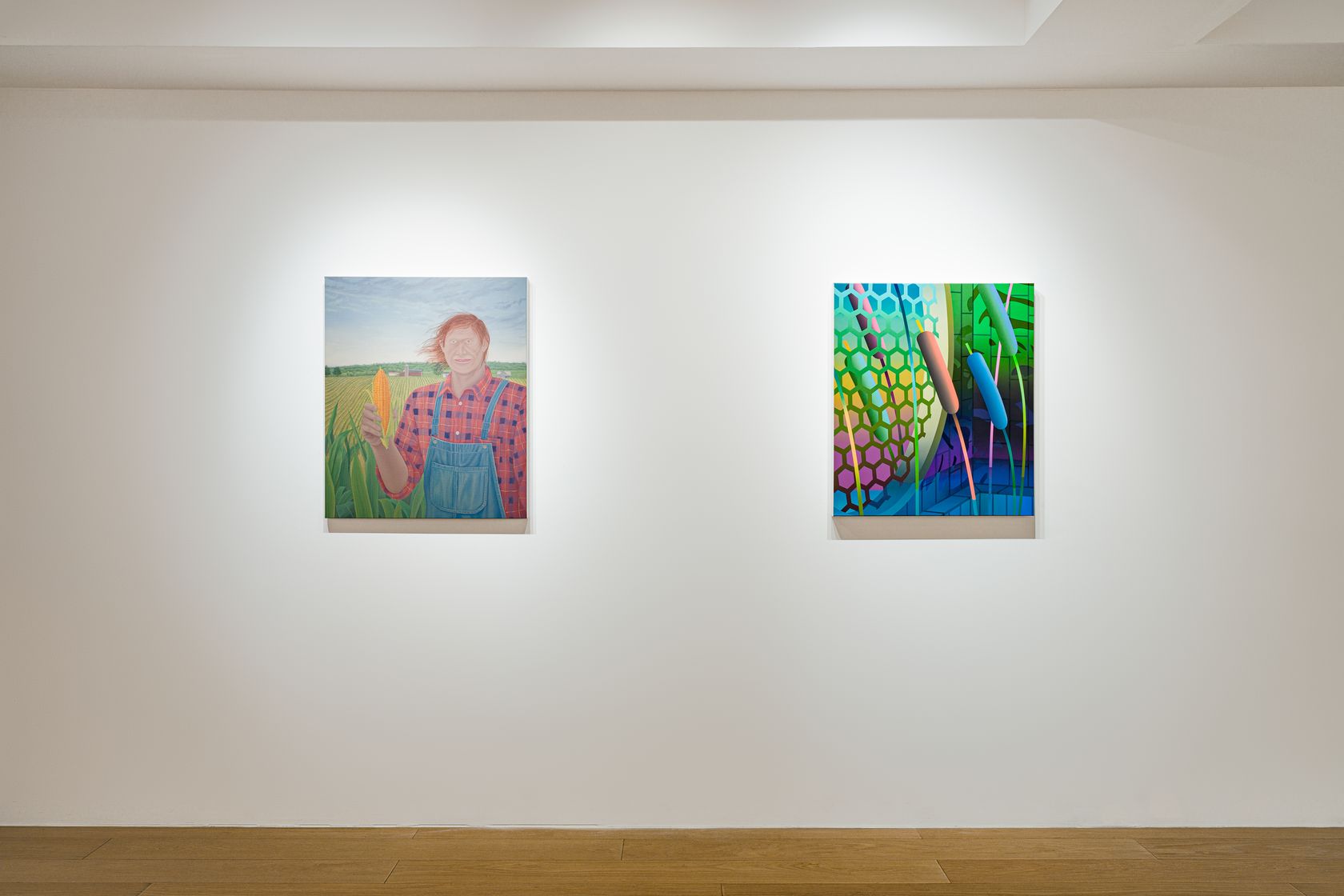 1/4
1/4
Amélie Bertrand, Utopia, Vol. 1.
-
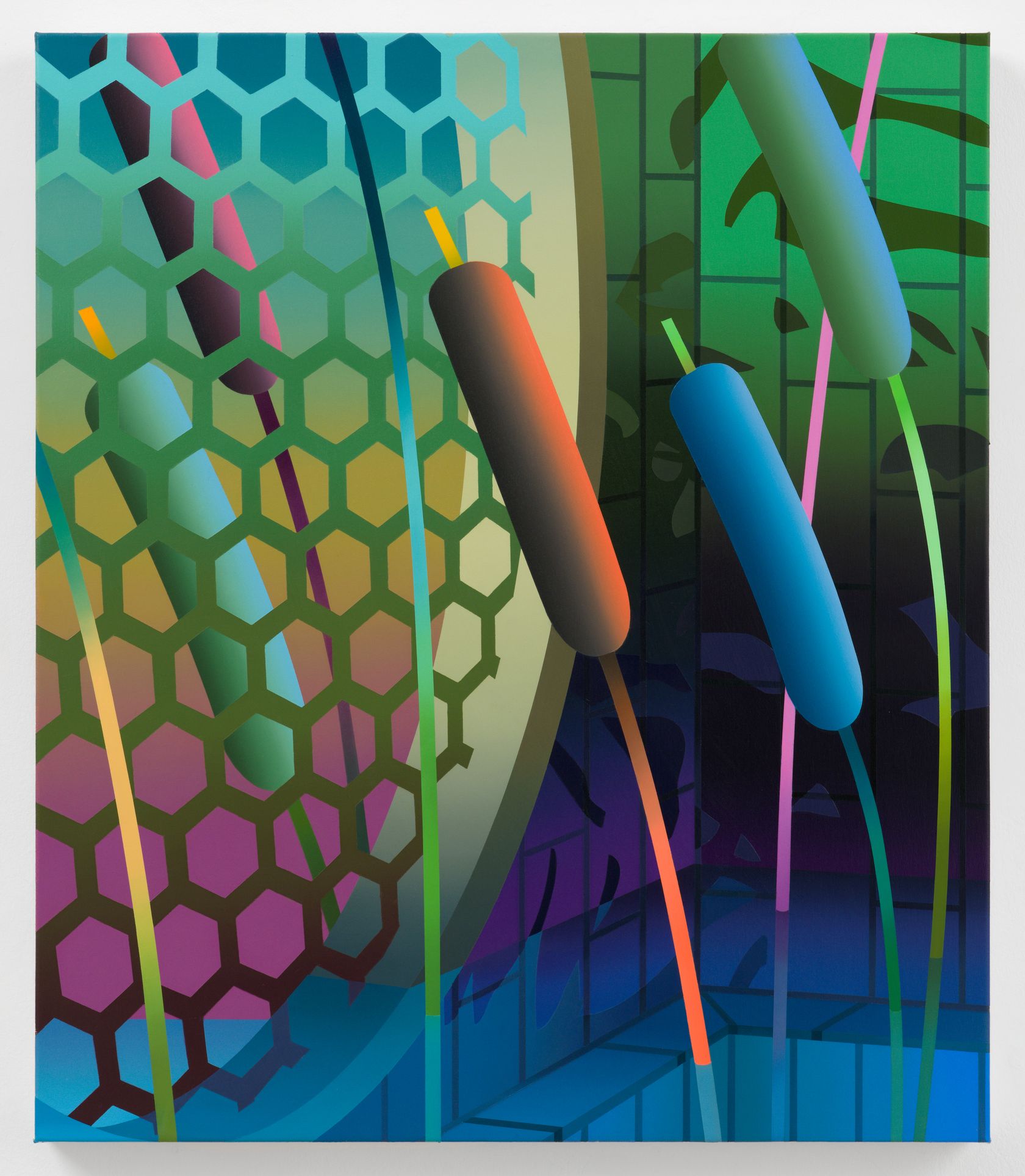 2/4
2/4
Amélie Bertrand, Utopia, Vol. 1.
-
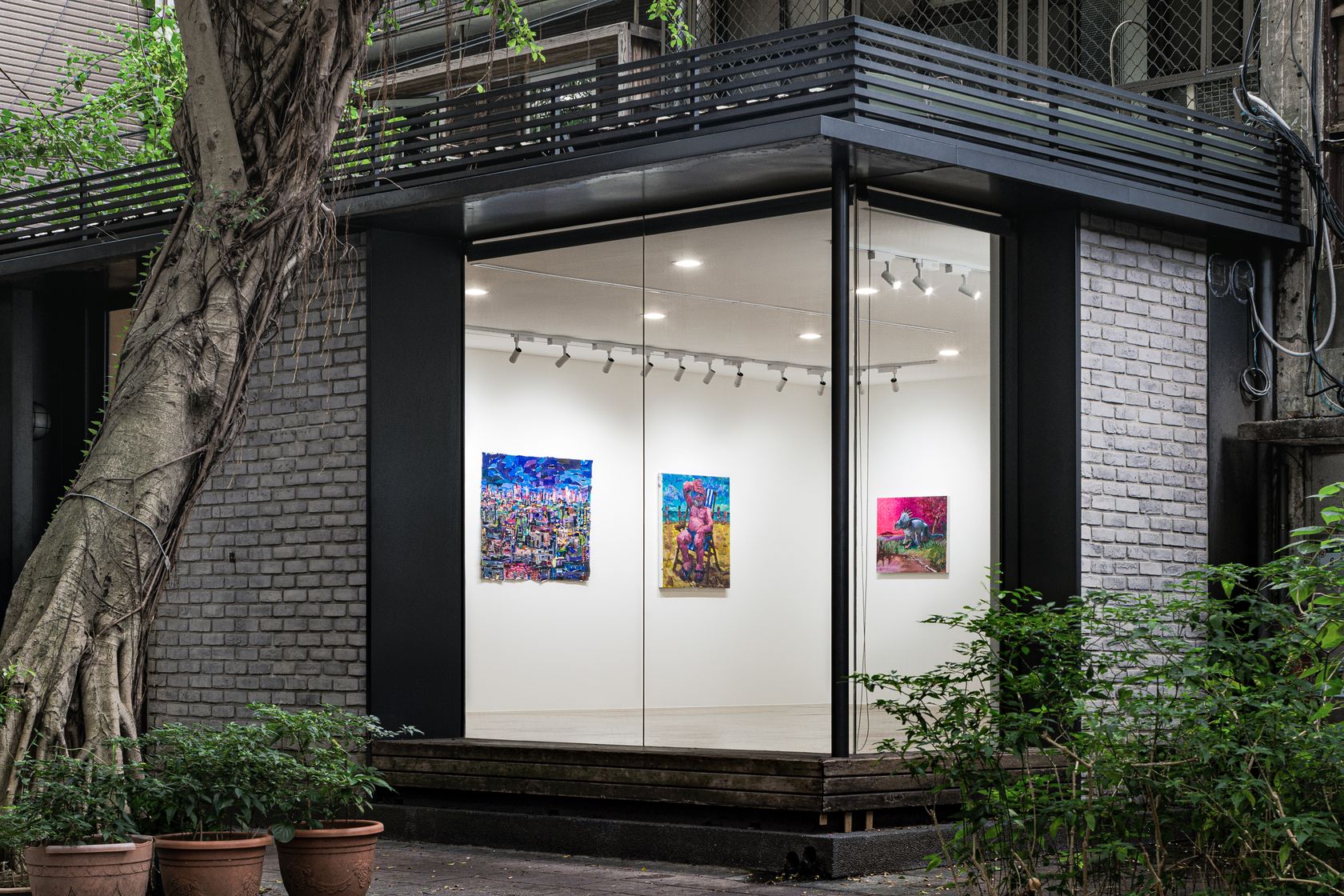 3/4
3/4
Amélie Bertrand, Utopia, Vol. 1.
-
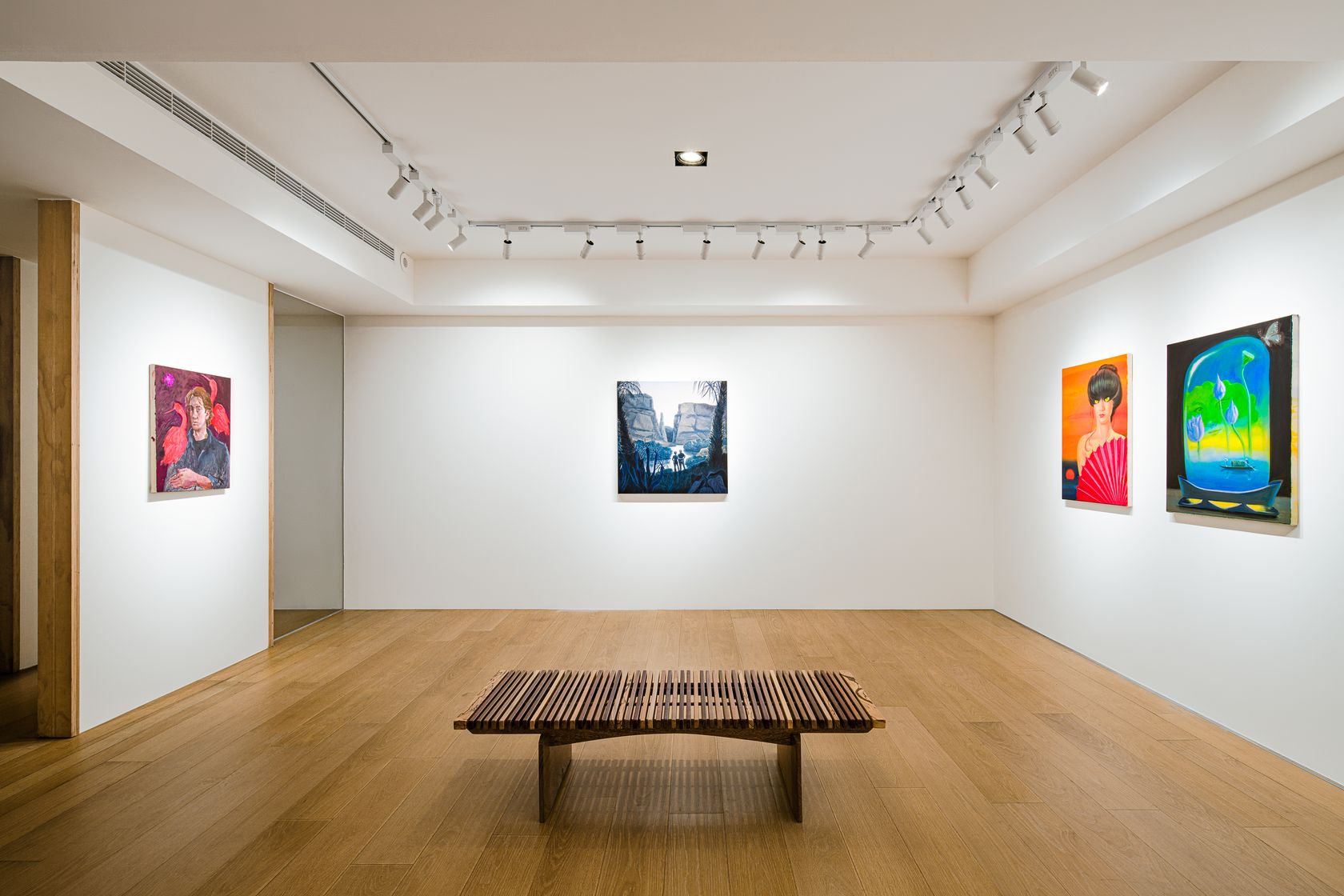 4/4
4/4
Amélie Bertrand, Utopia, Vol. 1.
From July 20 to August 16, the group exhibition Utopia, Vol. 1 — Mapping a Possible World will take over Palm Gallery in Taipei, presenting a selection of works that reactivate an imaginary more than five centuries old: that of the island of Utopia described by Thomas More in 1516.
In this foundational text, More imagined a distant island, geographically undefined but rich with an idealized social structure. Following in his footsteps, generations of thinkers, artists, and architects have projected their desires and doubts onto these fictional landscapes — hovering between dream and critique of the real.
Utopia, Vol. 1 extends this cartographic tradition: through carefully selected works, some created specifically for the exhibition, the participating artists trace the outlines of new islands — fragmentary, shifting, sometimes subversive. These imaginary territories are neither refuges nor models, but mental landscapes where our fears, hopes, and personal or collective utopias are played out.
Whether it’s floating shores, post-technological worlds, fictional micro-societies, or impossible architectures, this exhibition questions our ability to imagine differently — to dream the world not as it is, but as it could be.
Curated by Noé Marshall
Pierre Seinturier
Through landscapes that appear familiar yet fundamentally ambiguous, Pierre Seinturier evokes a gentle strangeness. His forest scenes, frozen in artificial light or a threatening calm, suggest worlds in waiting — liminal spaces where nothing happens, or anything might. His works sketch the outlines of a silent, nostalgic utopia where nature reclaims dominance and the human presence is relegated to the background.
Charles Hascoët
Charles Hascoët’s painting presents fragmented, often nocturnal narratives tinged with a quiet melancholy. Blending distorted memories, urban visions, and suspended figures, he assembles images that shape mental spaces — uncertain refuges, perhaps escapes. His work probes the very idea of inhabitable space: what remains of utopia in the margins of daily life, in the interstices of memory and intimacy?
Amélie Bertrand
In her glossy, hyper-constructed surfaces, Amélie Bertrand composes artificial and psychedelic environments. Vivid colors, sharp shadows, and repetitive patterns form a universe both alluring and unsettling. She builds mental architectures where light comes from nowhere — depopulated digital landscapes like stage sets of a utopia consumed by the image. A false-paradise aesthetic hovering between dream and reality.
Todd Bienvenu
With raw, visceral, sometimes provocative painting, Todd Bienvenu revisits scenes of contemporary life with a mix of humor and sharp insight. Wild parties, naked bodies, absurd daily moments: his canvases burst with energy. Yet beneath this surface lightness lies a biting reflection on modern forms of hedonism.
Lian Zhang
Lian Zhang’s works offer a subtle fusion of the vegetal, the mineral, and the mental. Through delicate, organic painting, she creates dreamlike landscapes that seem to emerge from an ancient memory or a distant future. Her compositions suggest autonomous ecosystems — micro-worlds in fragile balance — as though utopia no longer lies in human progress, but in a renewed alliance with the living world.
Yaerim Ryu
Yaerim Ryu’s painted universe is populated with floating figures, ambiguous bodies, and scenes suspended in time. Between reverie and unease, her works explore states of transformation and transition. Her characters seem to evolve in a gravity-free space — perhaps a mental island, a floating territory of emancipation beyond norms. In her work, utopia becomes a personal, fluid space inhabited by doubt and tenderness.
Emma Stern
Drawing from the visual codes of digital media, video games, and 3D, Emma Stern creates hyper-stylized feminine figures that straddle fantasy and empowerment. Her work questions the construction of bodies, technological clichés, and the unfulfilled promises of a liberating digital future. By subverting virtual tools, she reveals a reversed utopia: a world where identities are performed, commodified — but also potentially reprogrammable.
陳尚遠 (Shang Chien Chen)
In his meticulous, silent paintings, Sean C. explores warplanes, aerial scenes, and fragments of forgotten history. Through a near-documentary hyperrealism, he introduces tipping points — like a painting where a military pilot watches a whale gliding beneath the ocean surface from his cockpit. This improbable face-to-face, suspended in a sky with no visible tension, opens a breach in the warlike imaginary. Man and animal, machine and nature, the predator’s gaze and the natural enigma: everything converges into a fleeting, almost utopian vision of a reconciled world. For Sean C., utopia is not a destination, but a suspended moment in the flow of reality — where unexpected beauty emerges when least expected.