-
 1/6
1/6
Laurent Le Deunff, Vous qui errez à travers le monde
-
 2/6
2/6
Laurent Le Deunff, Vous qui errez à travers le monde
-
 3/6
3/6
Laurent Le Deunff, Vous qui errez à travers le monde
-
 4/6
4/6
Laurent Le Deunff, Vous qui errez à travers le monde
-
 5/6
5/6
Laurent Le Deunff, Vous qui errez à travers le monde
-
 6/6
6/6
Laurent Le Deunff, Vous qui errez à travers le monde
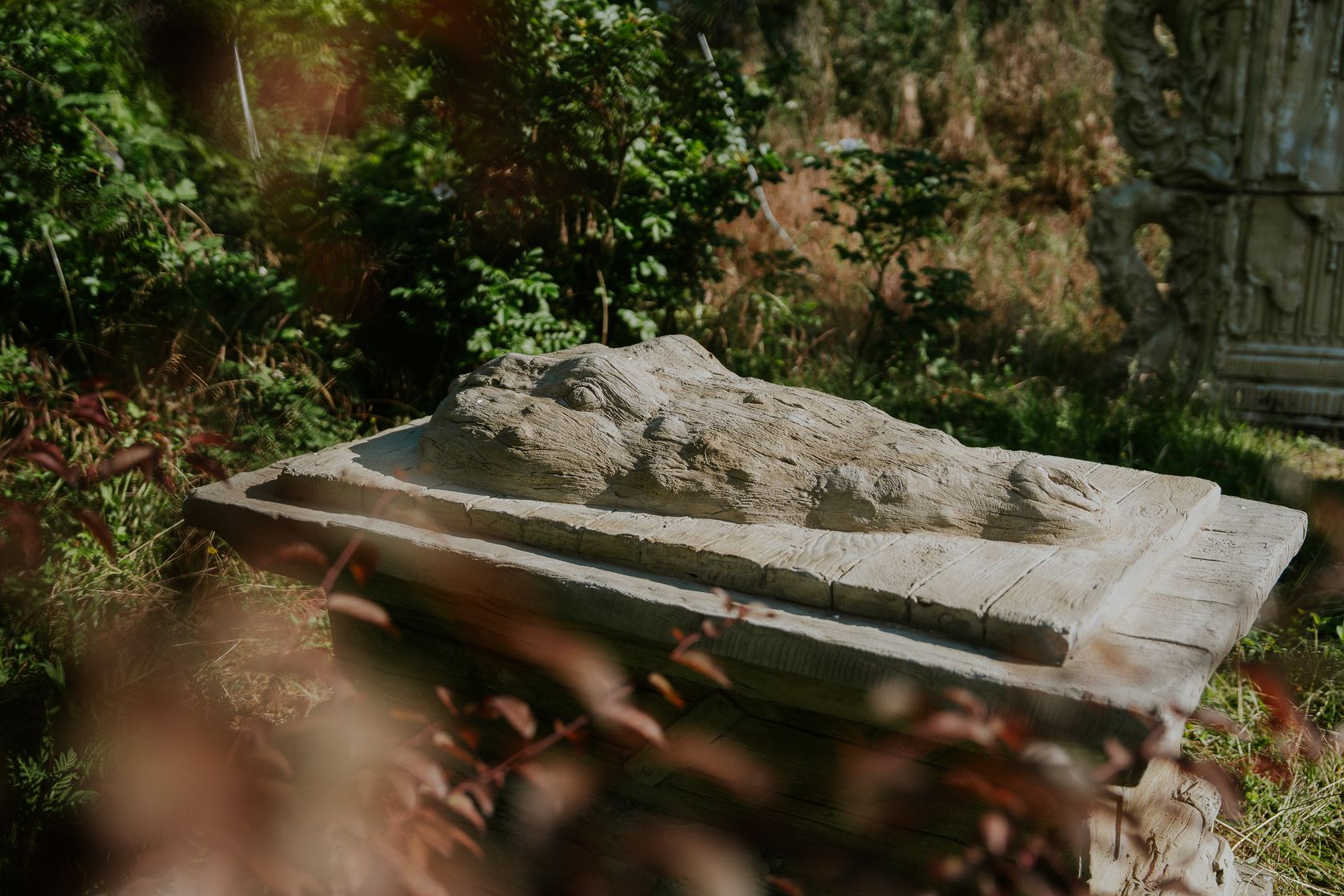
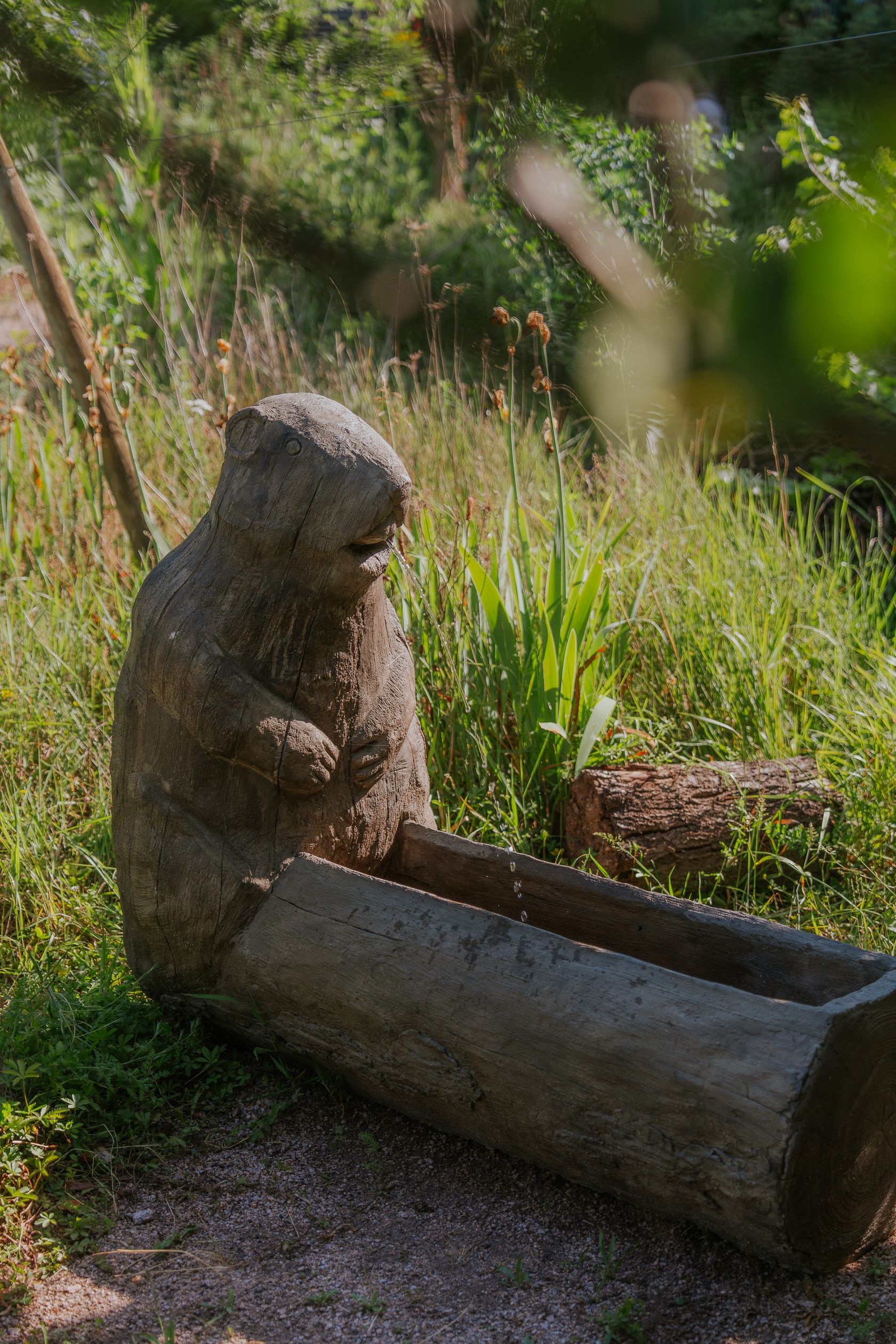
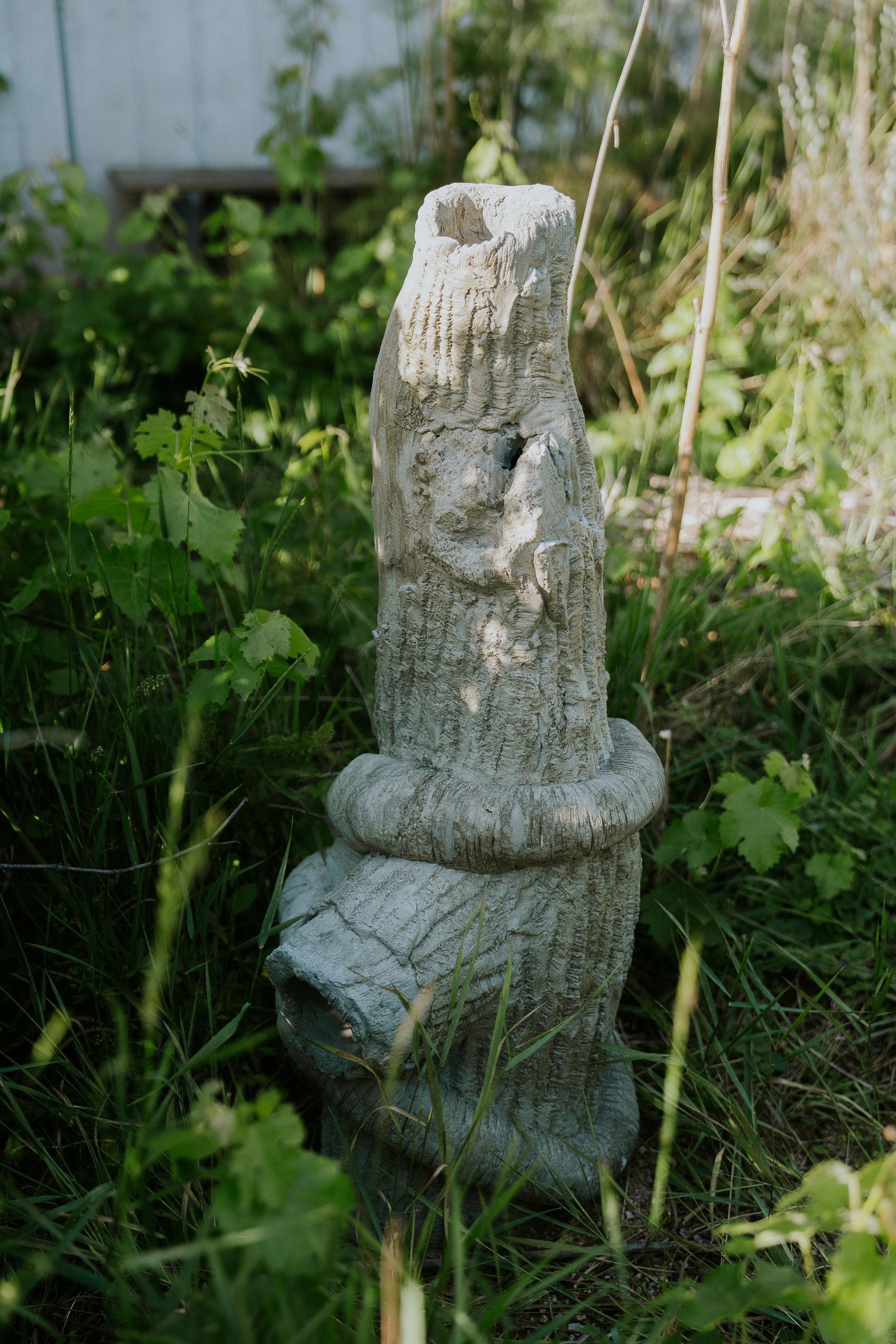
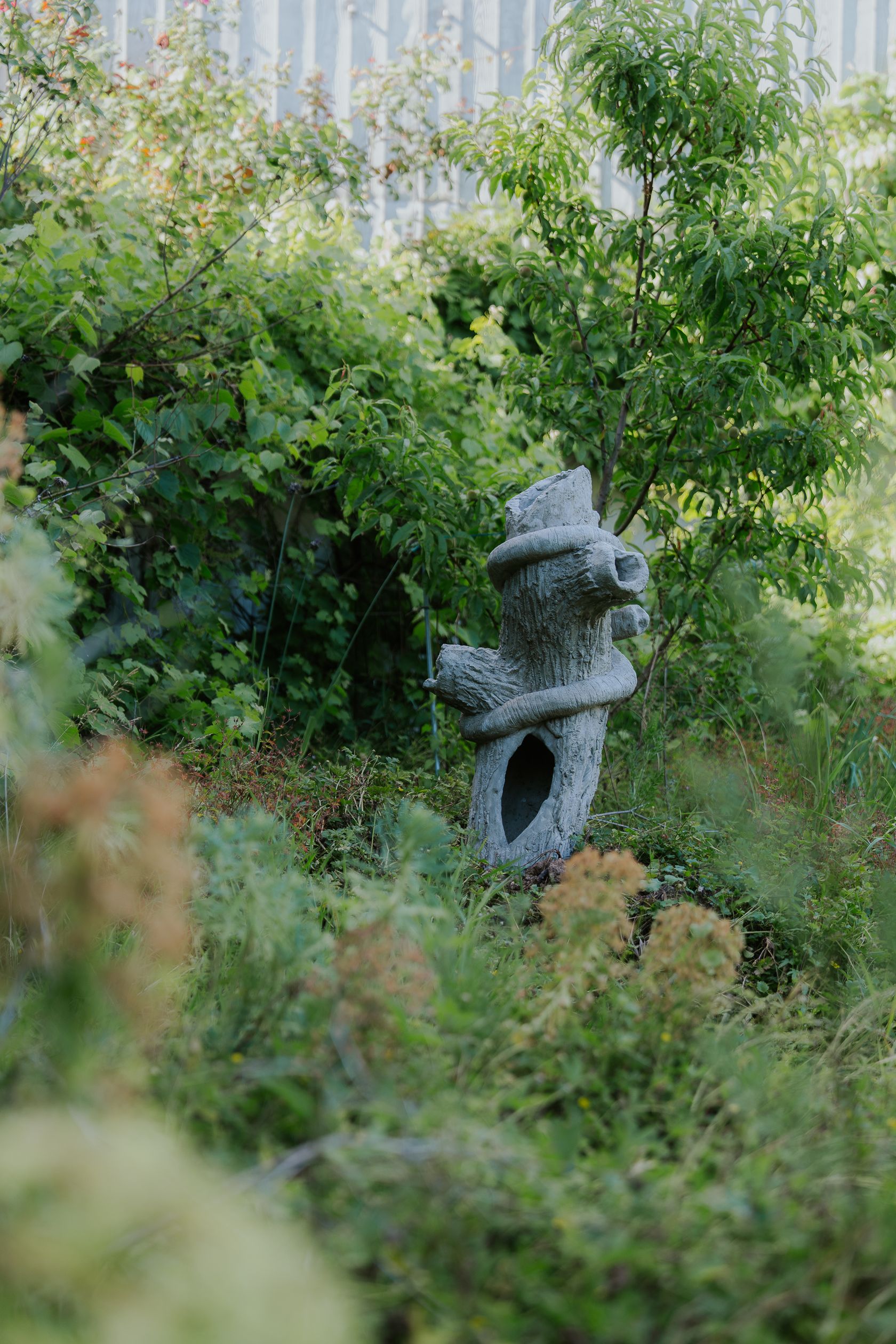
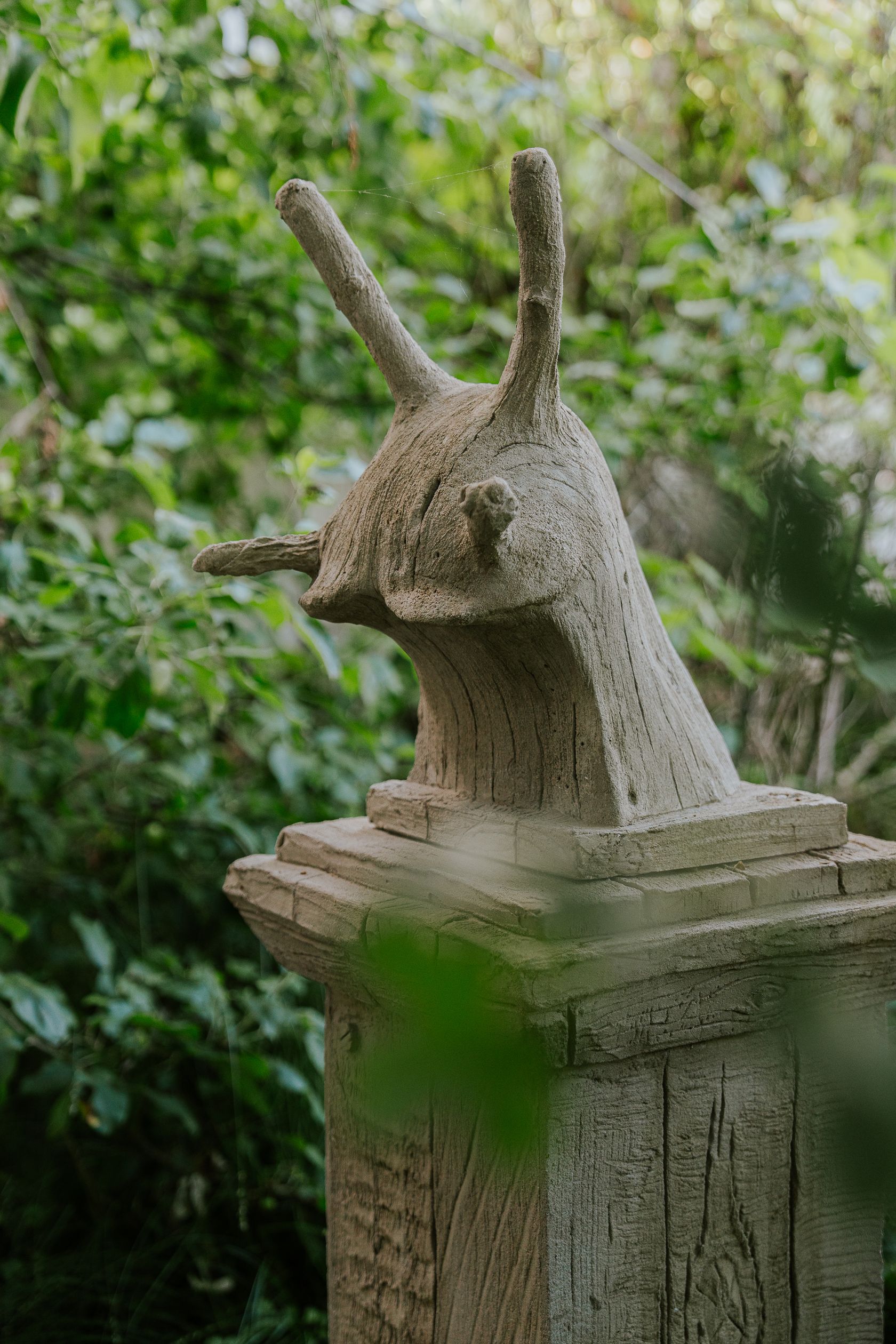
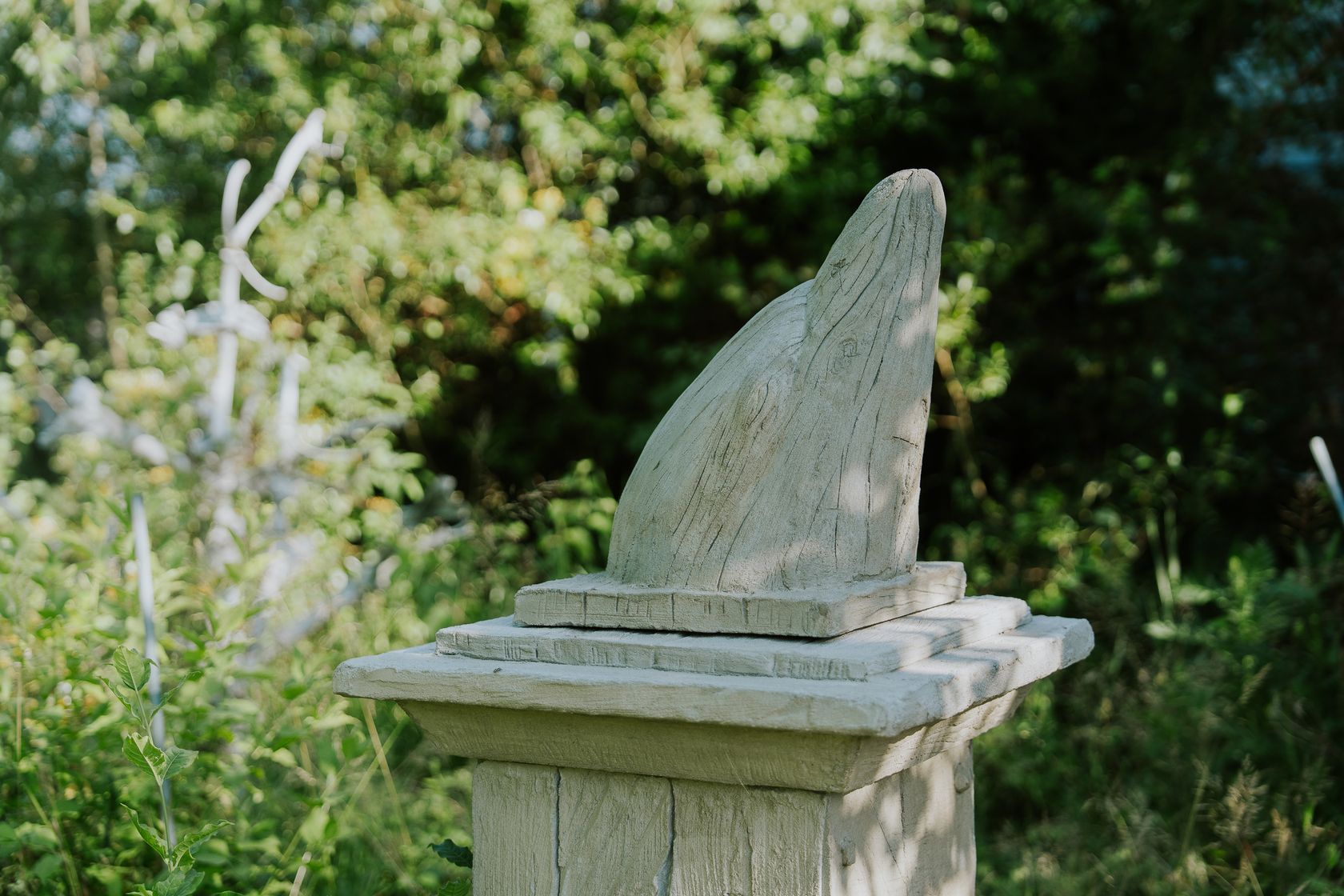
In the garden of FRAC Alsace, artist Laurent Le Deunff makes wild animals appear as if by surprise. Barely visible, motionless, and sometimes even concealed, they nevertheless seem to have always belonged to the landscape. As they wander through the grounds, visitors of all ages are invited to seek them out and identify them, embarking on a journey that blends curiosity, playfulness, and reverie.
Created in rusticage or faux bois, a technique inherited from the history of ornamental gardens, these cement sculptures seem to come from another era. They evoke the grottos, artificial rocks, and decorative garden follies that, in the nineteenth century, transformed parks into landscapes of imagination. Here, however, Laurent Le Deunff reinterprets this heritage, bringing forth animal figures that, in turn, appear to observe the visitors.
Yet these animals are not quite animals. Presented as busts or totems, they recall the portrait galleries of illustrious figures erected to withstand the passage of time. Their posture, frontal presence, and monumental character evoke classical sculpture, but their faces are those of animals. It is as though, in another narrative, other species had taken their place in history. Or perhaps we are visiting an exhibition celebrating animals that have disappeared?
Through these figures, the artist questions the way we perceive living beings. To whom do we pay tribute? What traces do we choose to leave behind? Suspended between memory and fiction, his sculptures become the relics of a possible world in which humans are no longer at the center, but simply one form of life among many others. The garden itself contributes to this reflection. As it grows and gradually envelops certain works, it blurs points of reference, dissolves hierarchies, and restores nature’s power and autonomy. The animals sometimes vanish beneath the foliage, as if returning to a larger cycle. And the trapdoor, which seems to promise access to a buried treasure, remains closed, reminding us that not everything is given to us, and that some riches remain to be imagined.
At the intersection of ecology, memory, and representations of reality, this exhibition invites visitors to slow down, to observe, and to consider the garden as a living space where the stories we tell about the world are re-enacted in new ways.