To learn more about available works, please provide your contact information
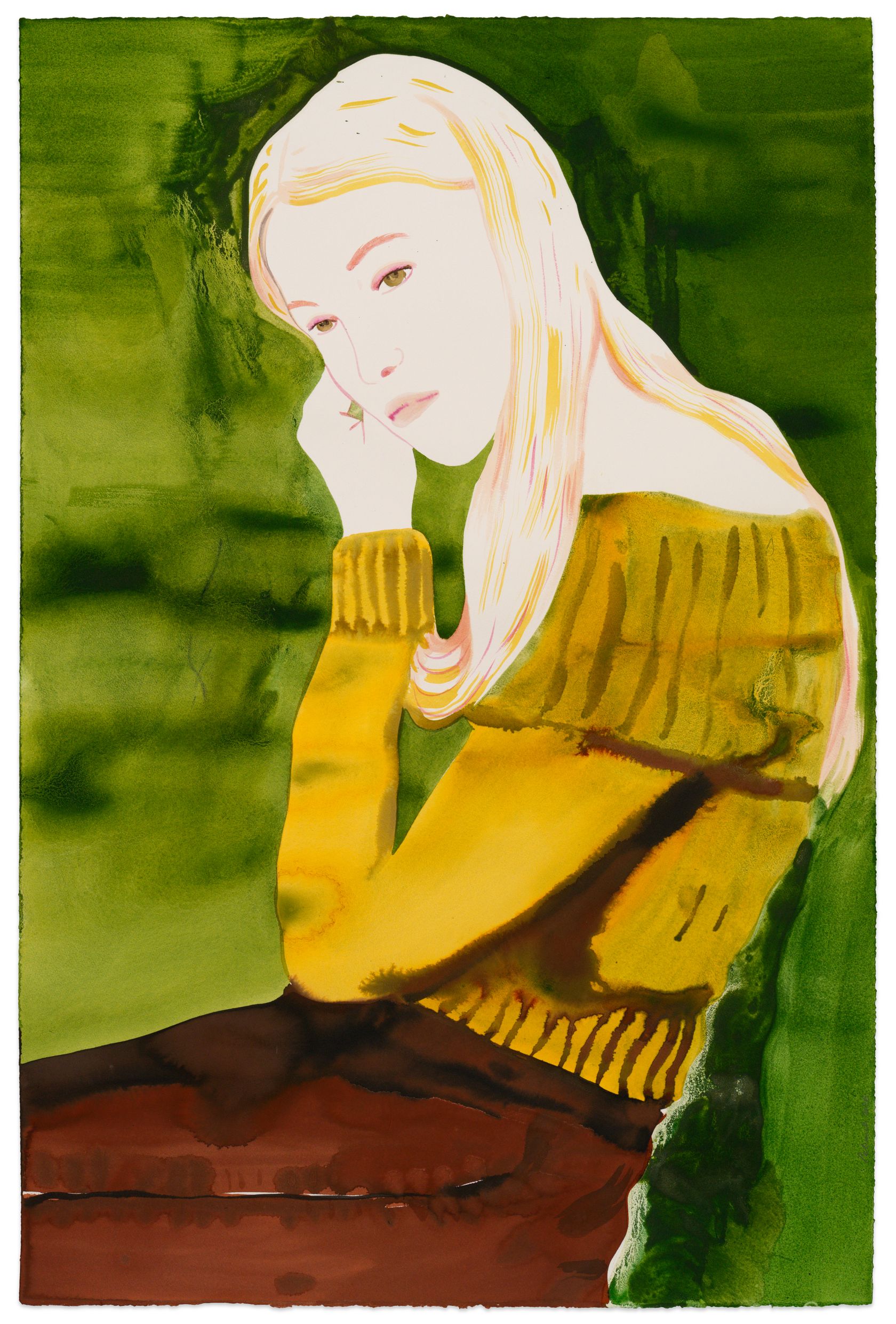
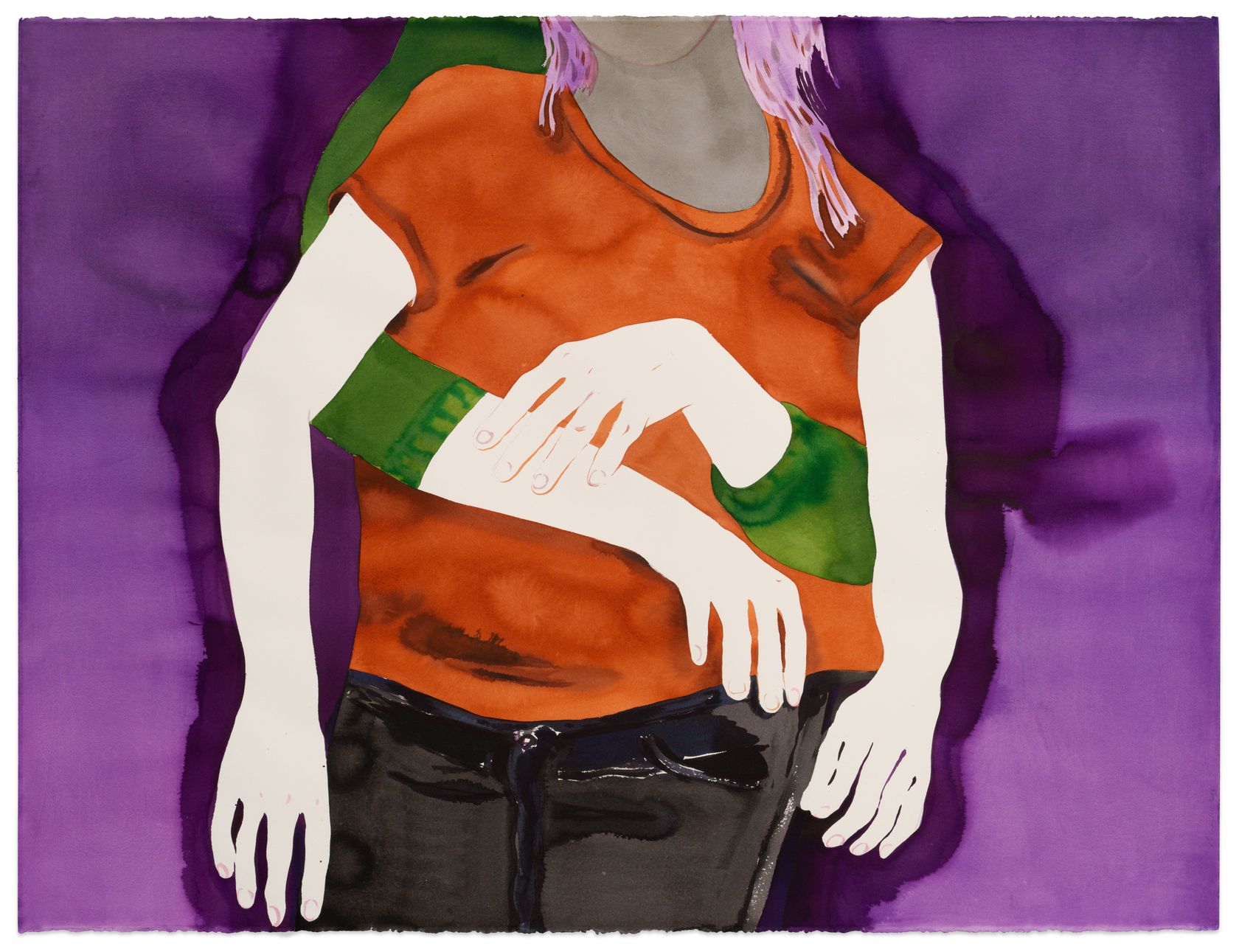
For her new solo exhibition at Semiose, Françoise Pétrovitch once again draws us into a realm of transformation: that of adolescence, a territory of liminality and metamorphosis par excellence, and that of the ceramic process itself, which physically embodies this same fluid state by casting thought into clay. In equal measure throughout the gallery, ceramics and ink washes engage in a dialogue, complementing and spilling into one another, to the point where motifs from the paintings slip into the sculptures.
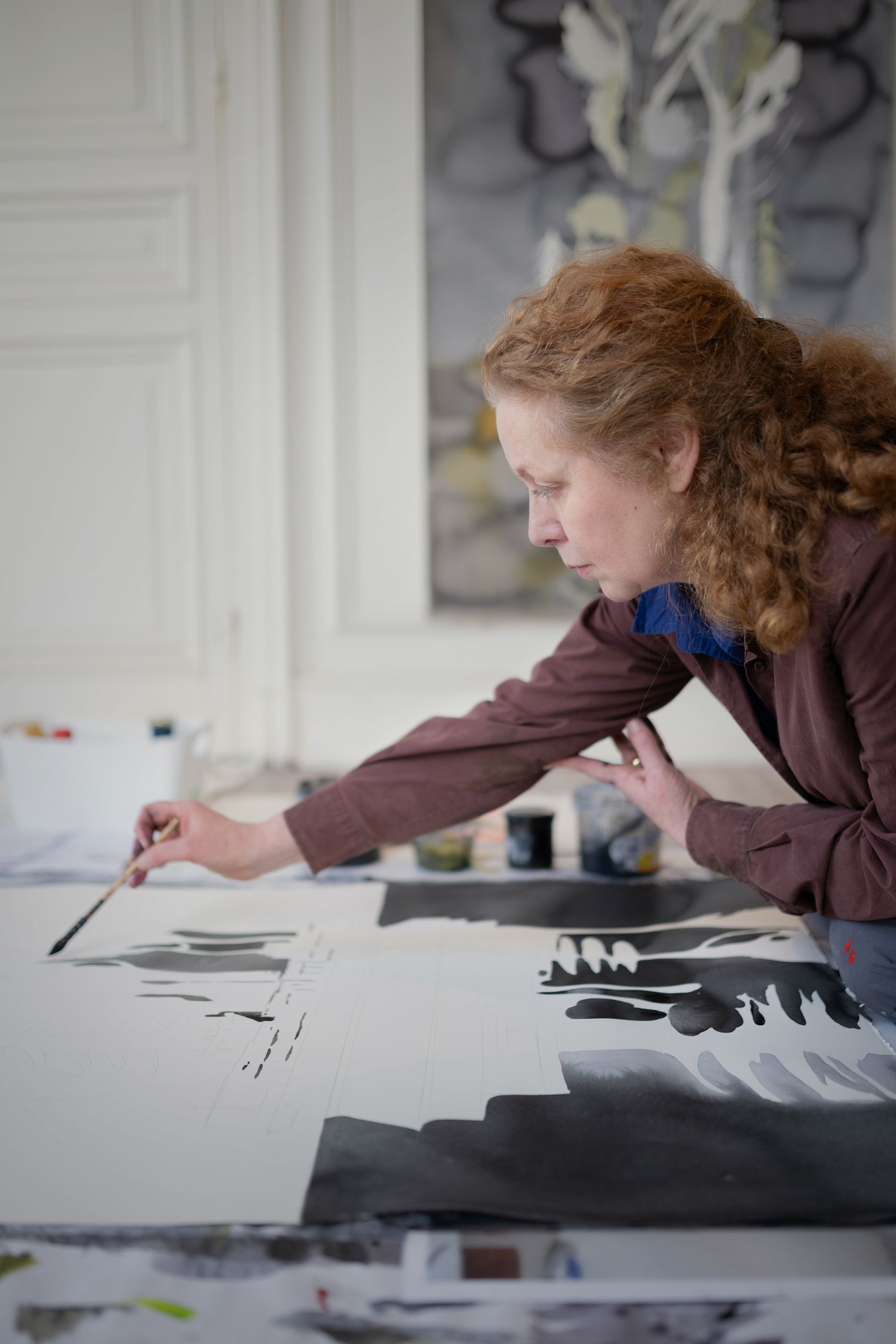
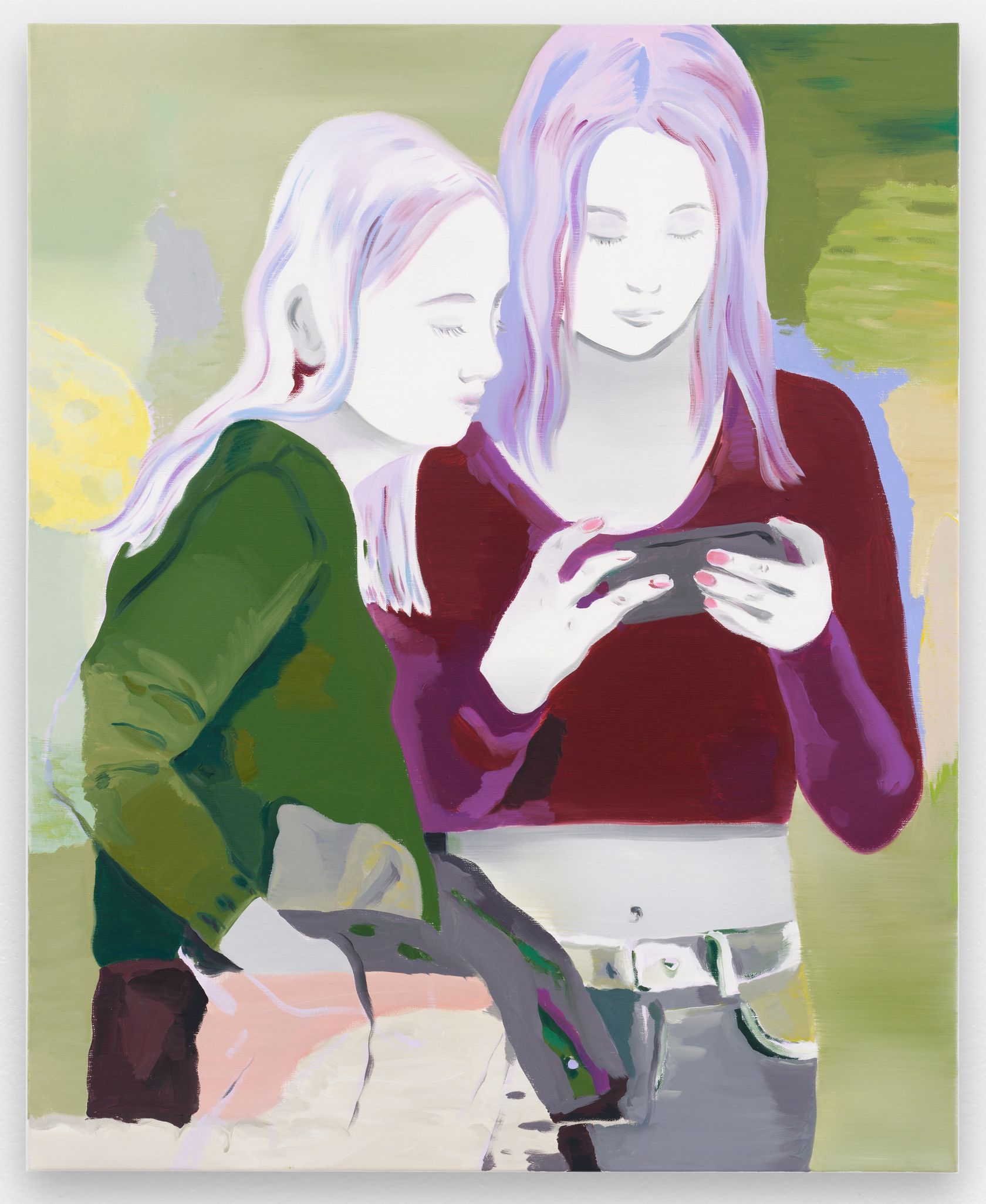
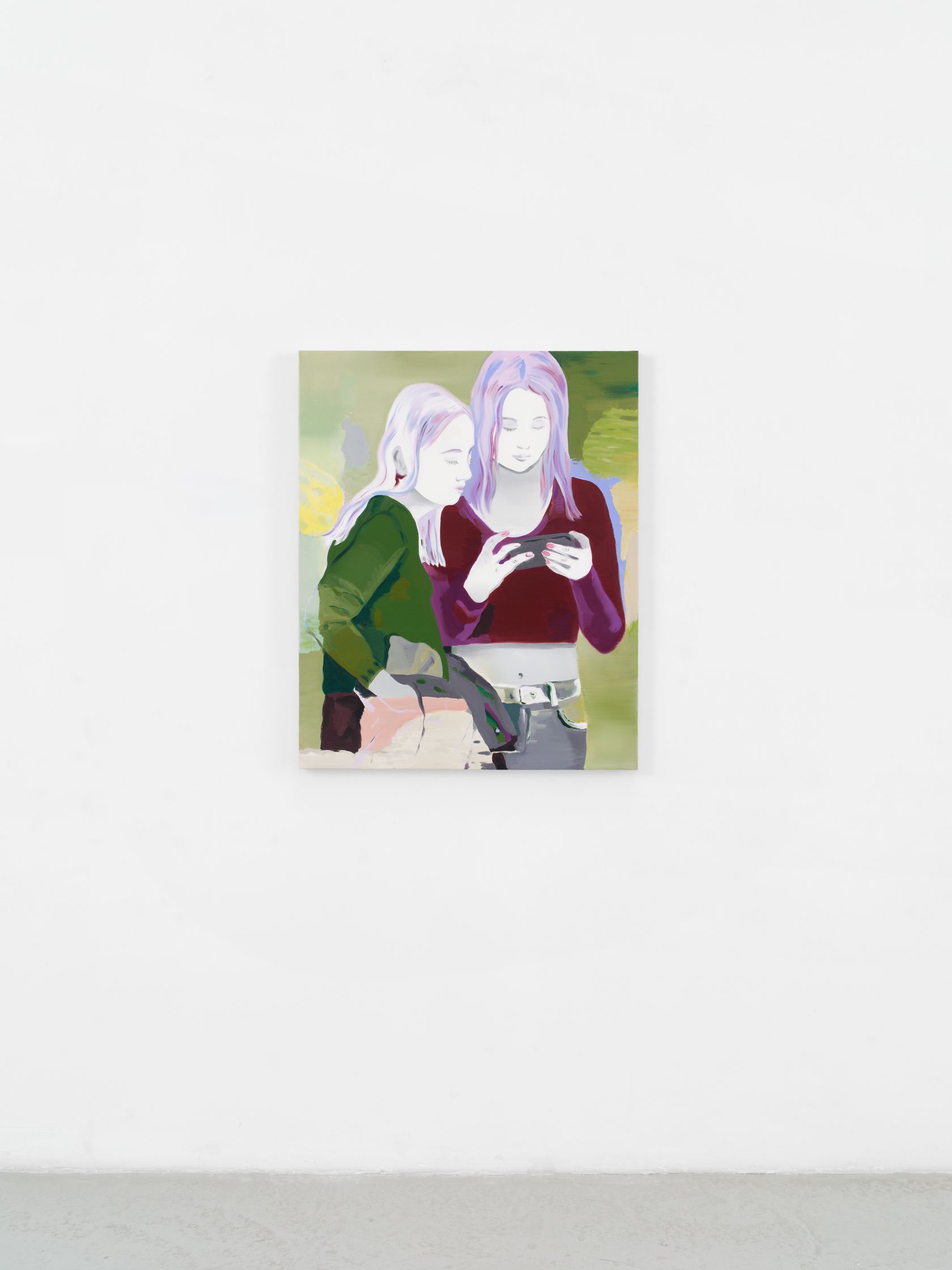
It is in this double movement—modesty and withdrawal on the one hand, chromatic intensity on the other—that Françoise Pétrovitch’s painting gives expression to the condition of adolescence: its uncertainties, its inwardness paradoxically made visible. And yet, what might be understood as narrative is in no way the subject of her painting. “I never think about the image through the mechanisms of narrative,” the artist explains. “Through painting, I try to create a space in which transformations are possible, a place to accommodate what is still becoming.”
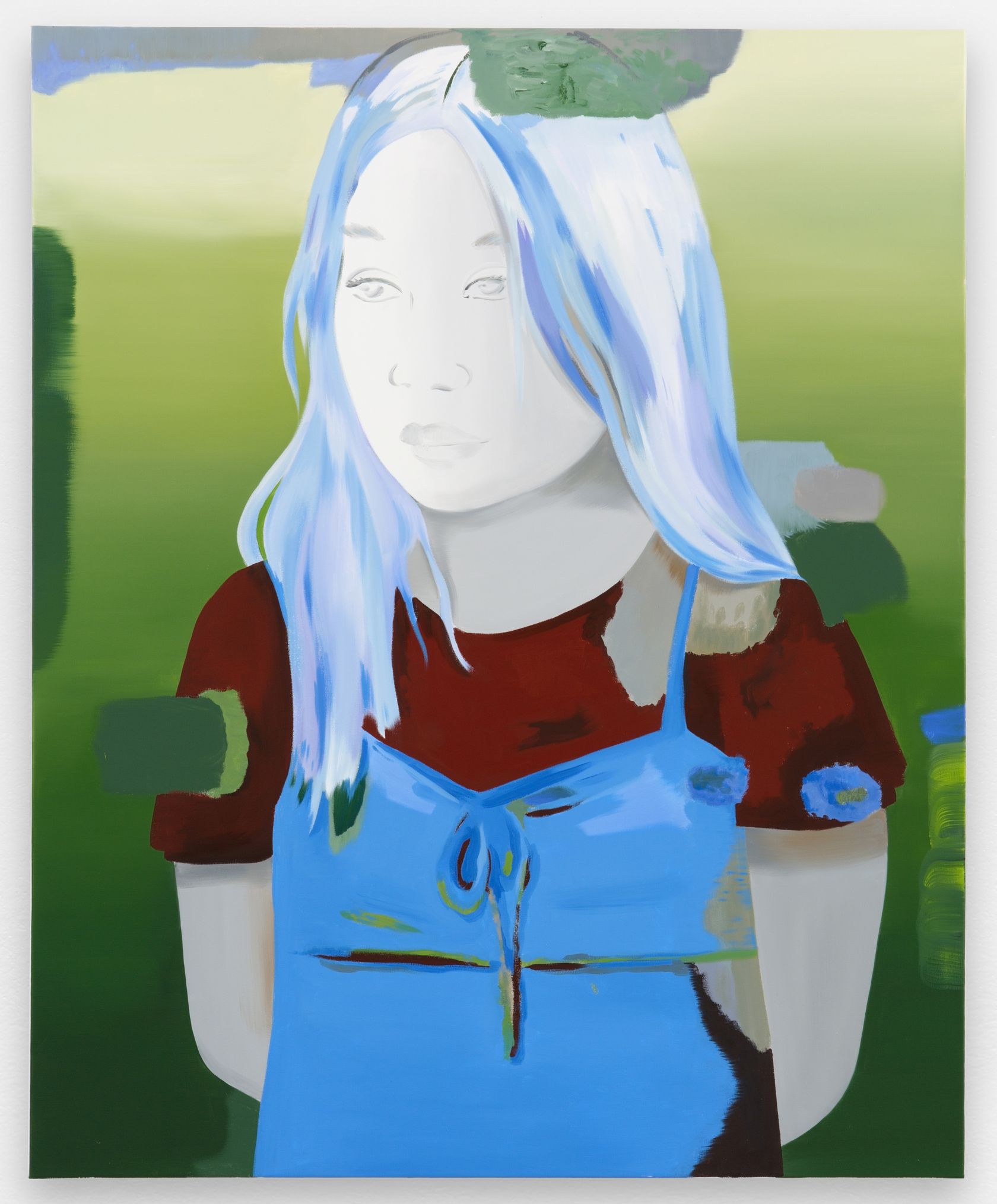
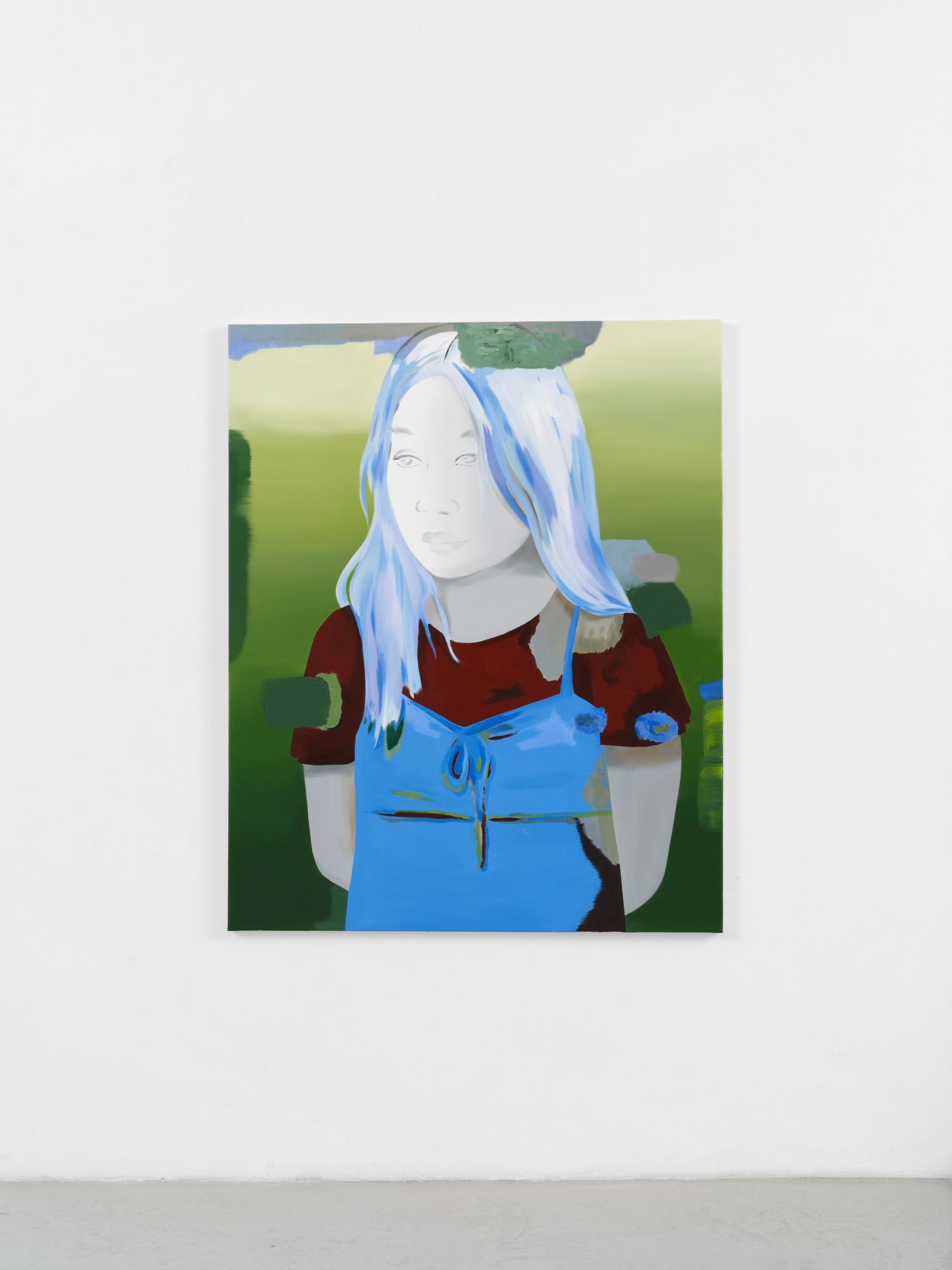
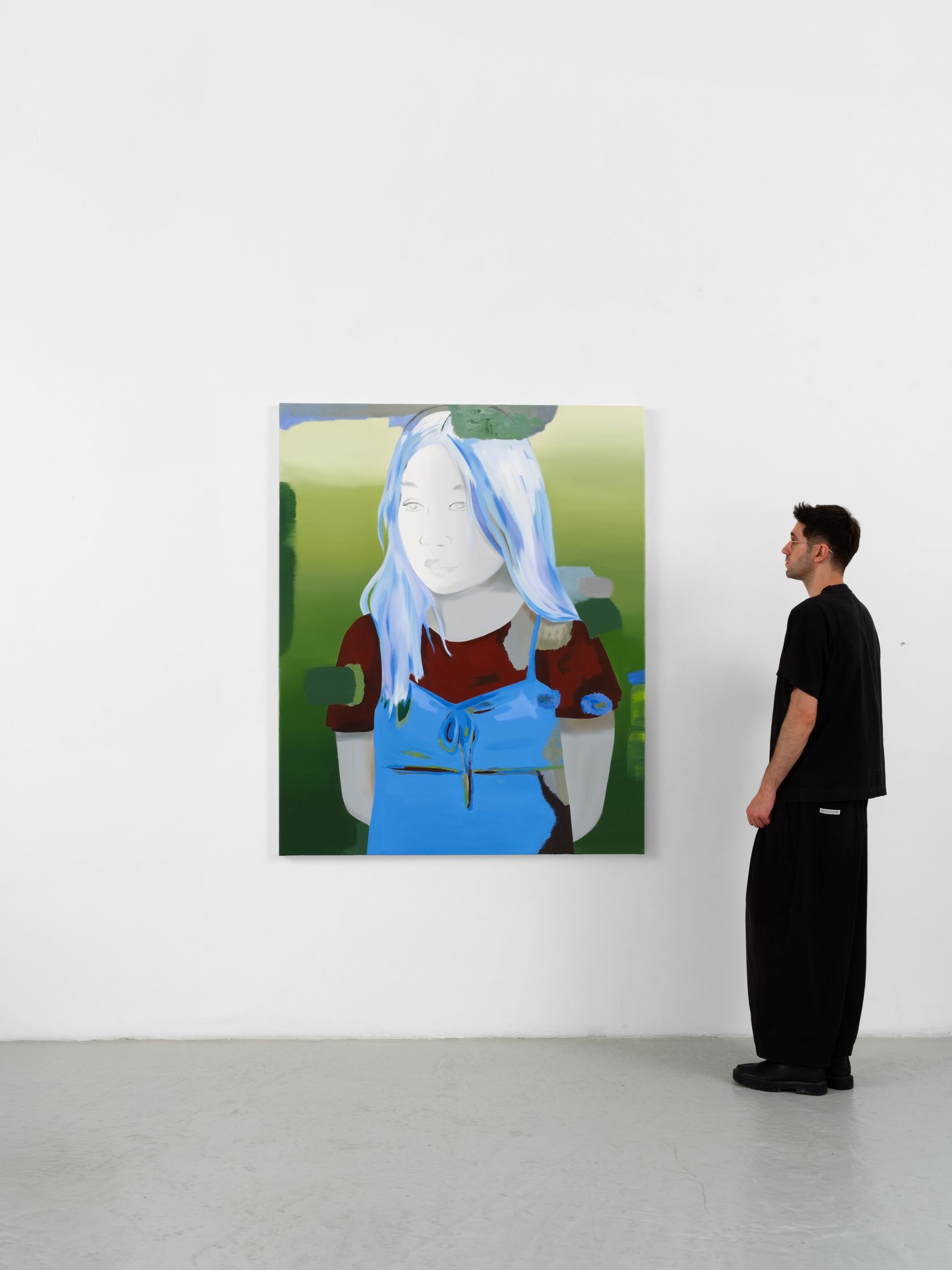
- Françoise Pétrovitch
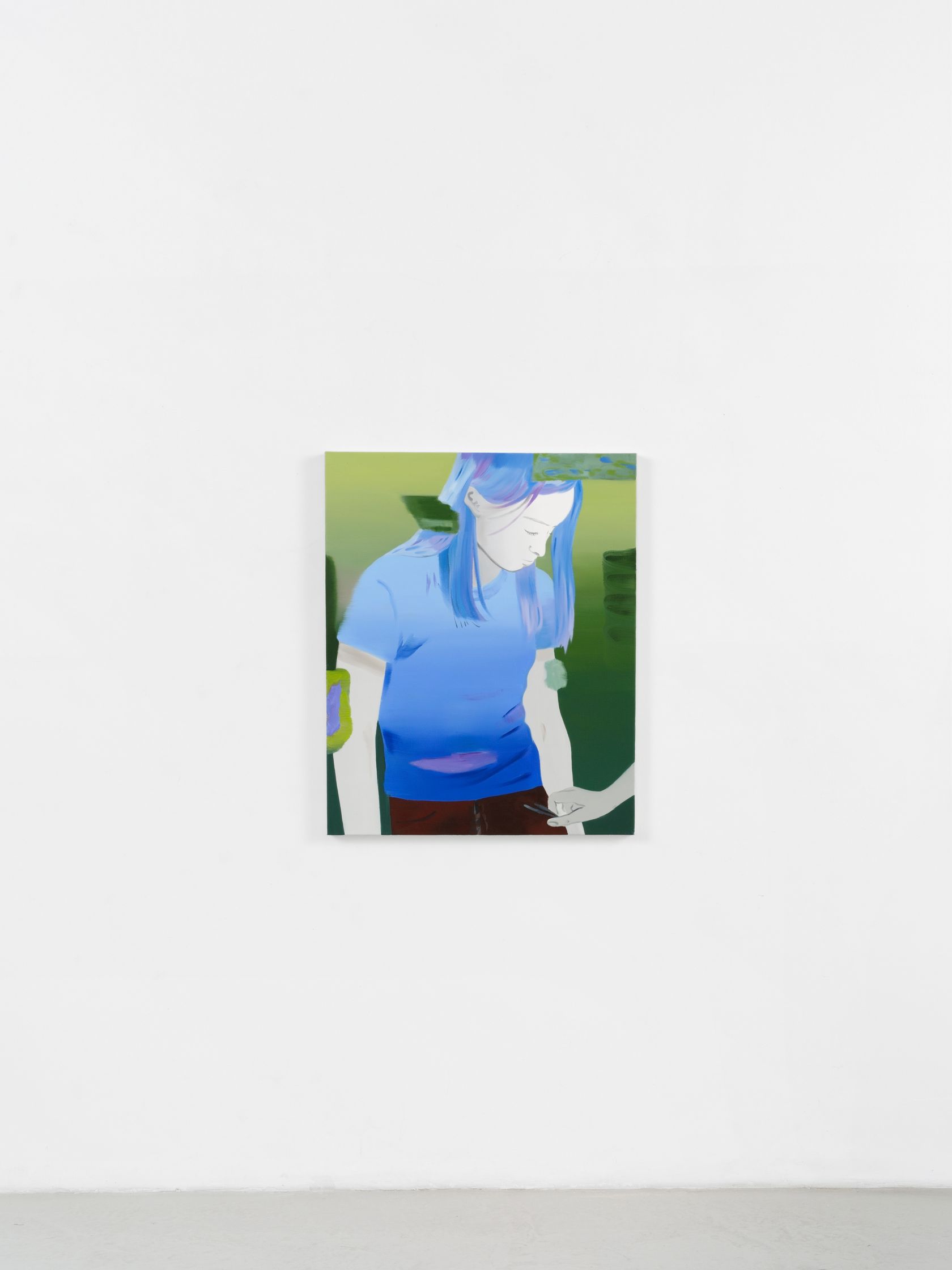
- Sans titre , 2026
- Oil on canvas
-
- 160 ×
- 130 × cm
- 63 ×
- 51 3/16 × inches
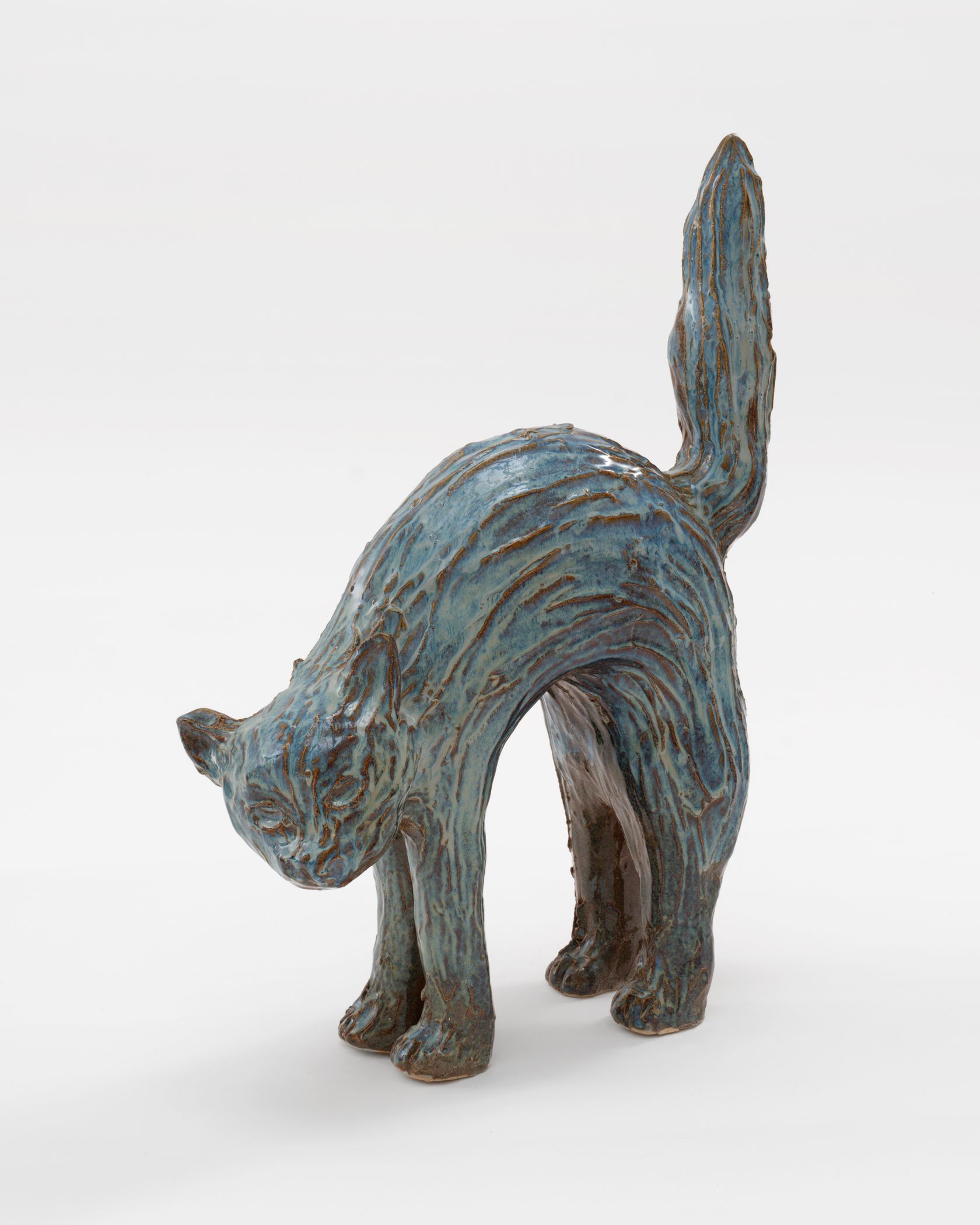
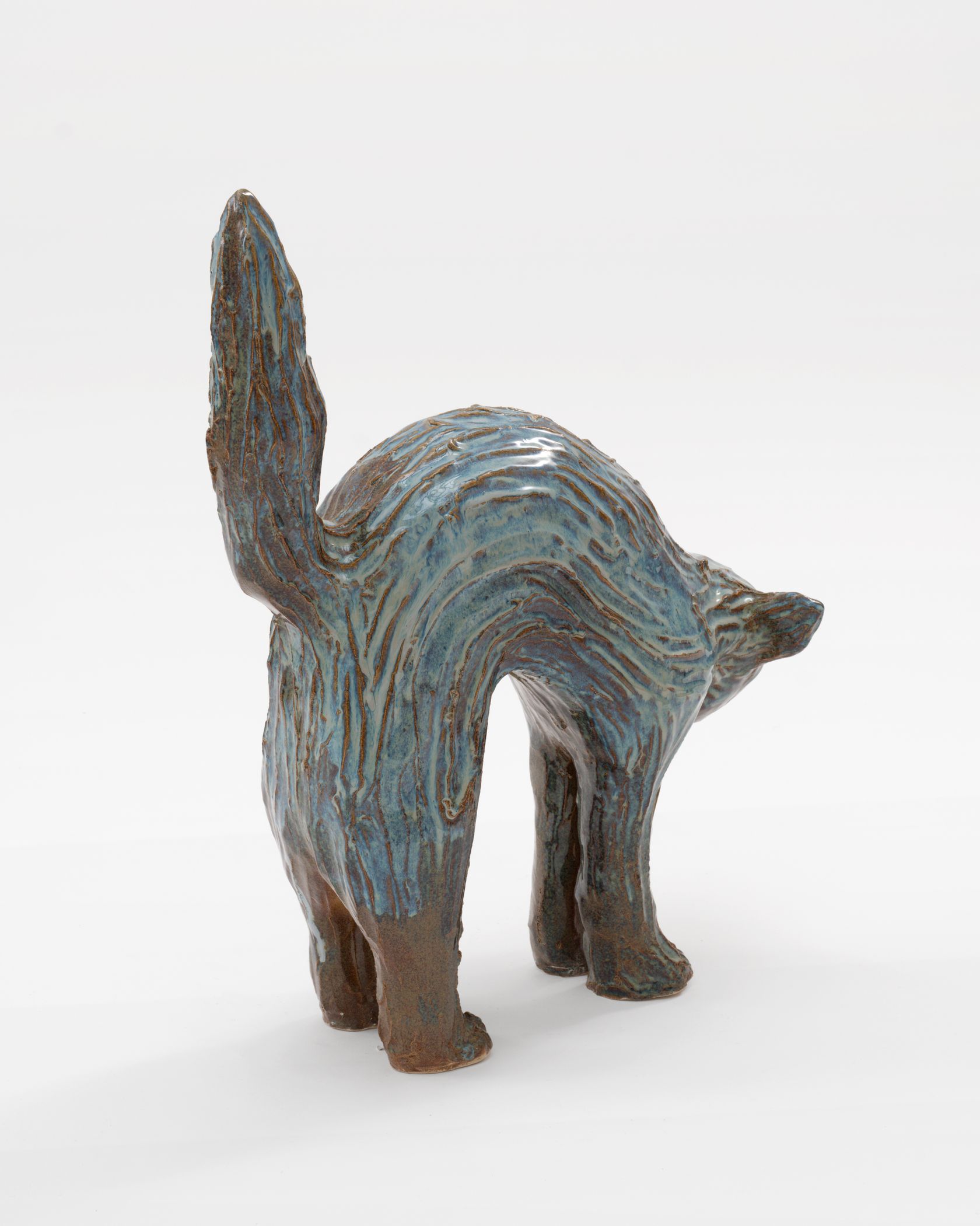
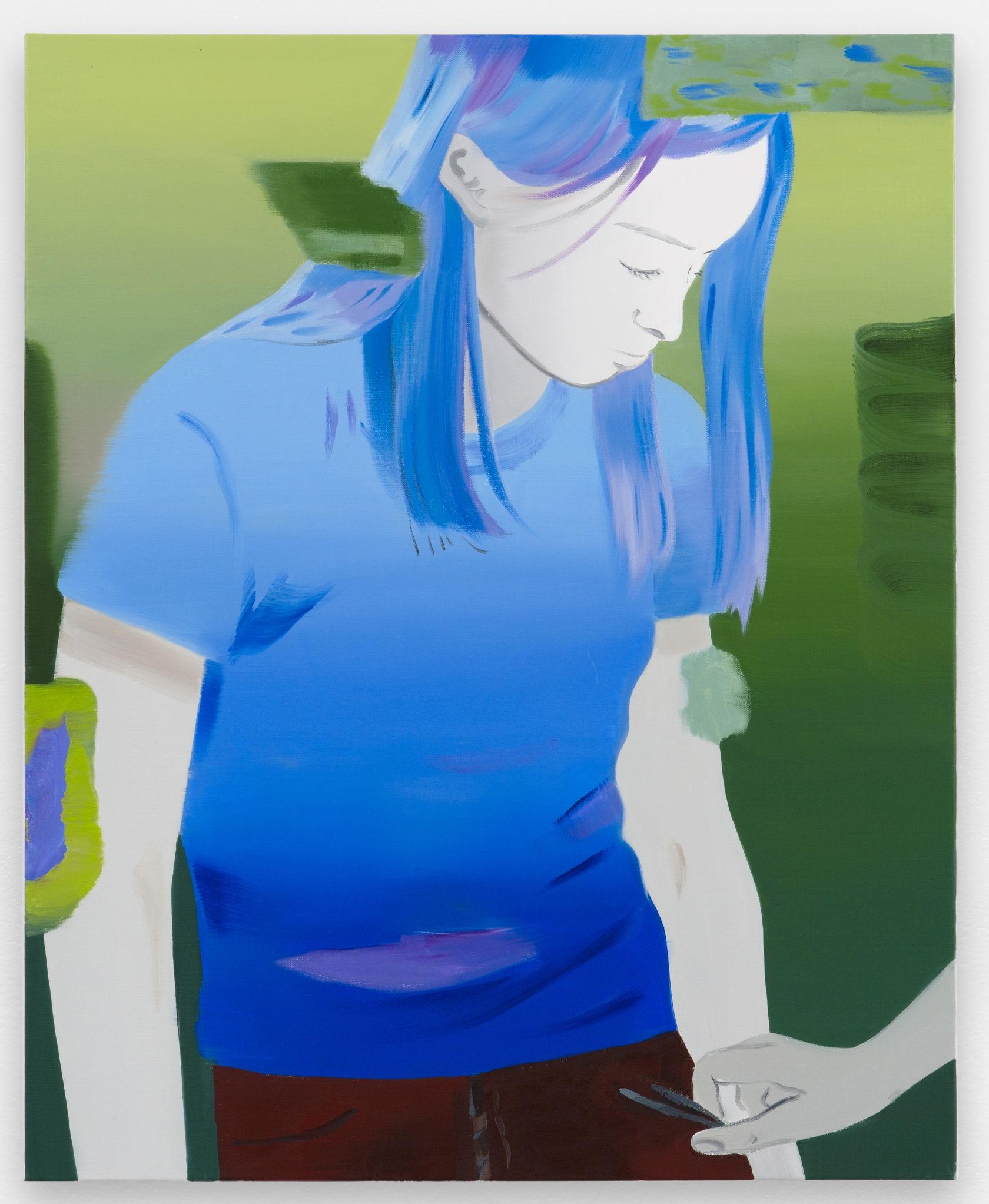
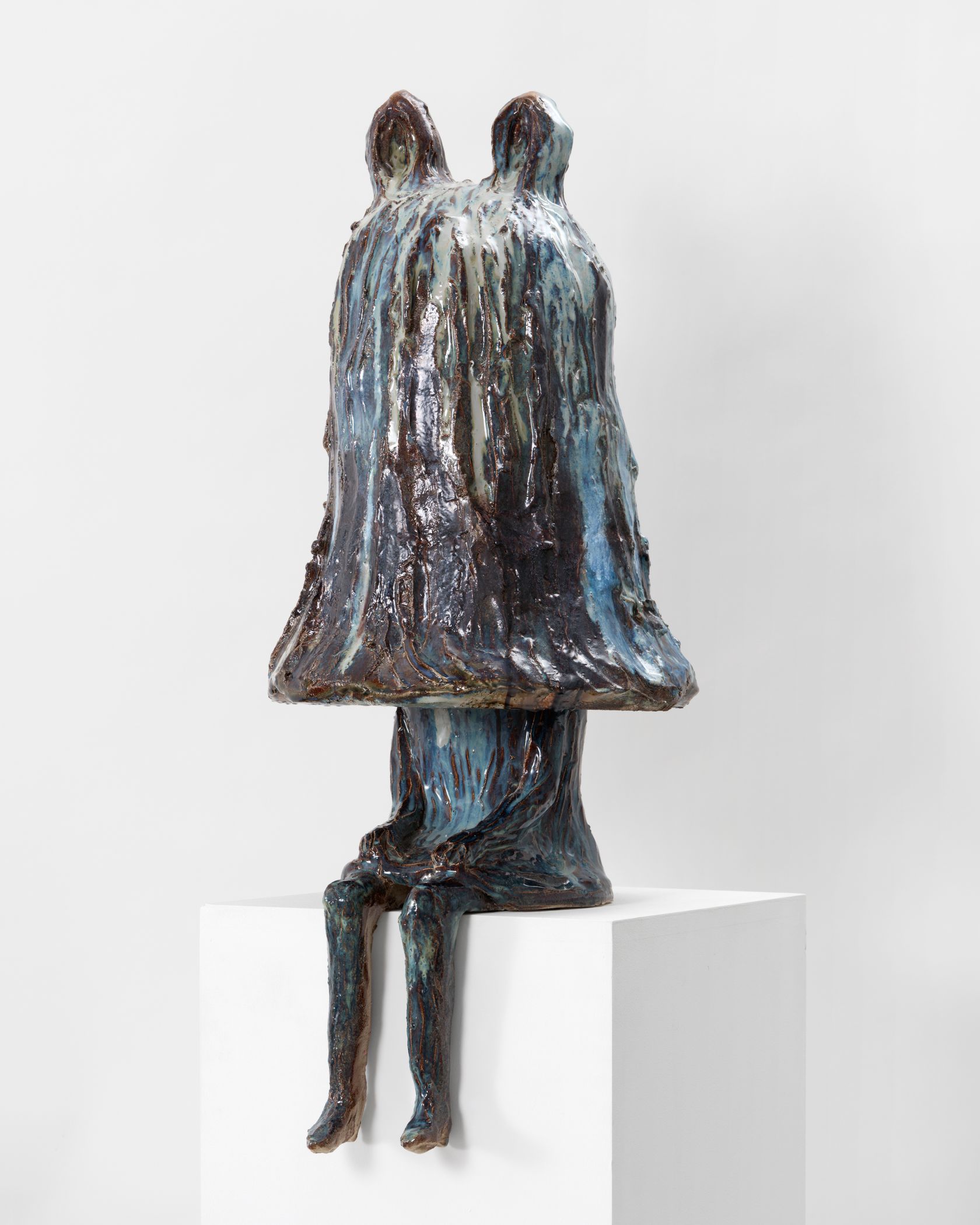
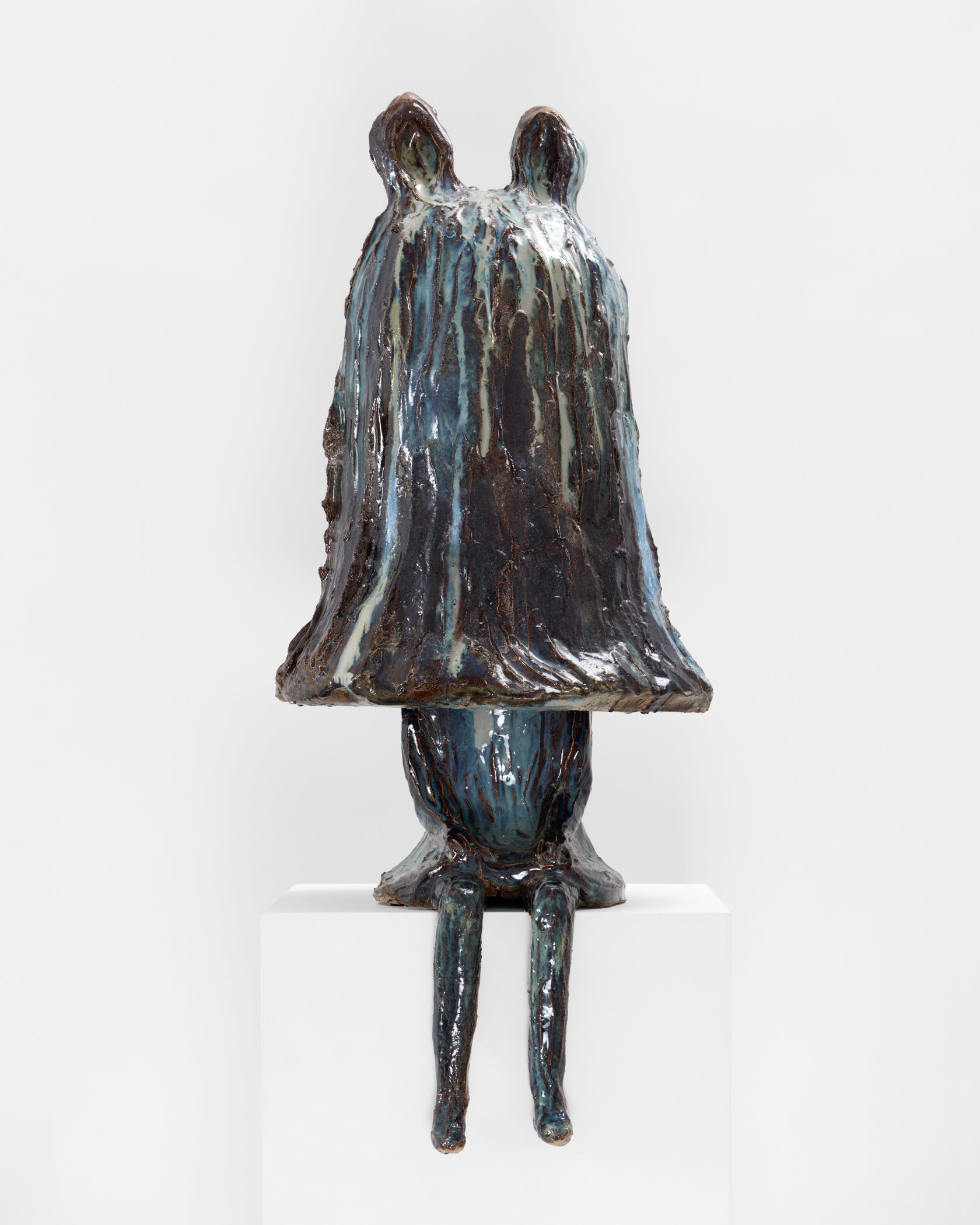
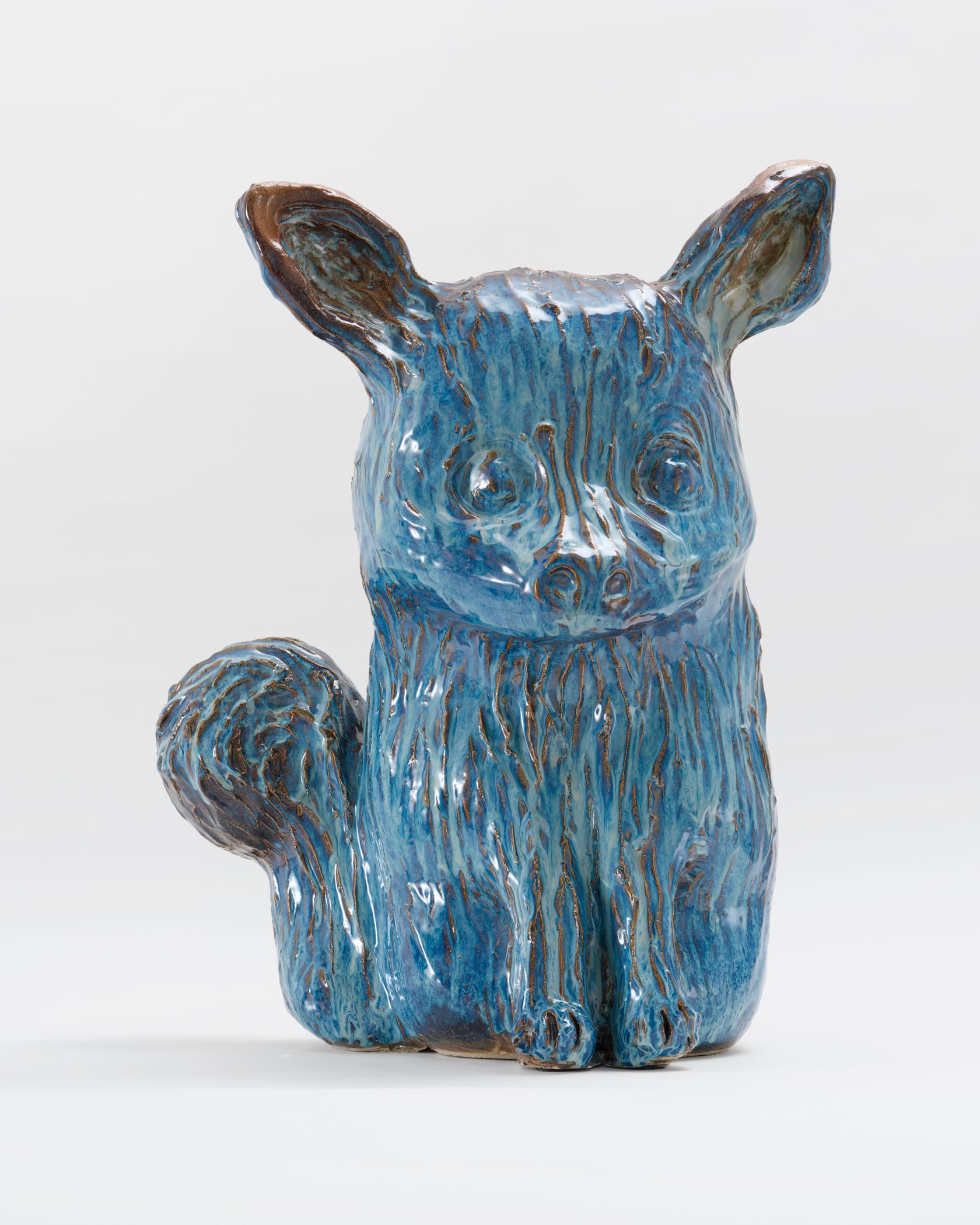
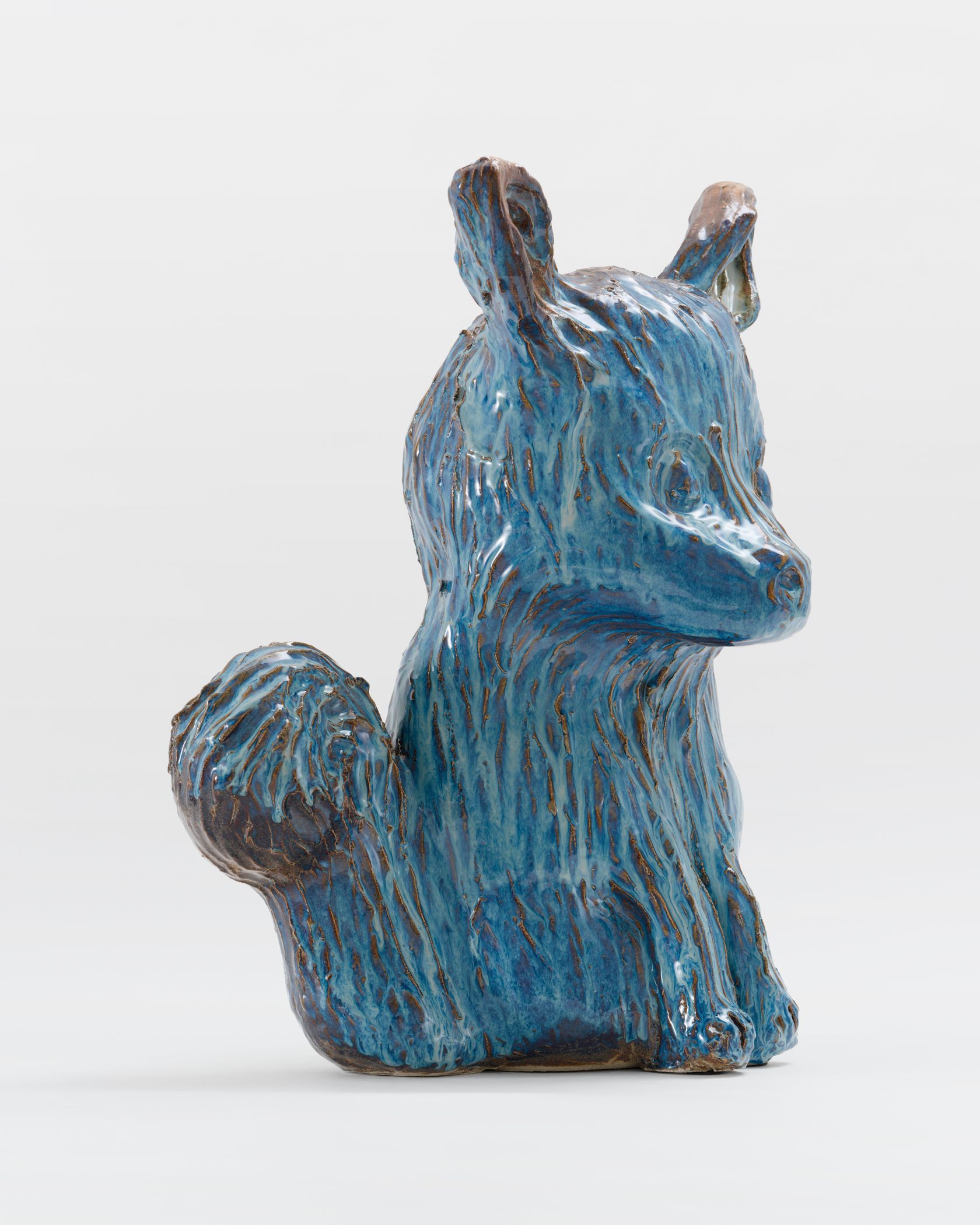
Transformation, then, in the plural: something the artist experiences through contact with clay, supple and yielding, responding immediately to the hand. In conversation, she told me that “the hand is no different from the brush: it carries something of myself”. In the ceramics, the drawing of hair seems to metamorphose into skin, fur or a vein. The line leaves the surface of the canvas to enter the thickness of the earth. Each groove shaped by the hand receives a predominantly blue-green colour, carrying with it an entire imaginary world.
“Unreal.” This is how Françoise Pétrovitch describes the colours of the glazes she has created. Over time, her palette of peacock blue, teal and celadon has become her signature, yet these colours resist their own naming. “With glaze, I found again the changing colours I have always sought in washes and painting—colours that are difficult to define; you don’t know whether you are looking at grey, blue, or green…”
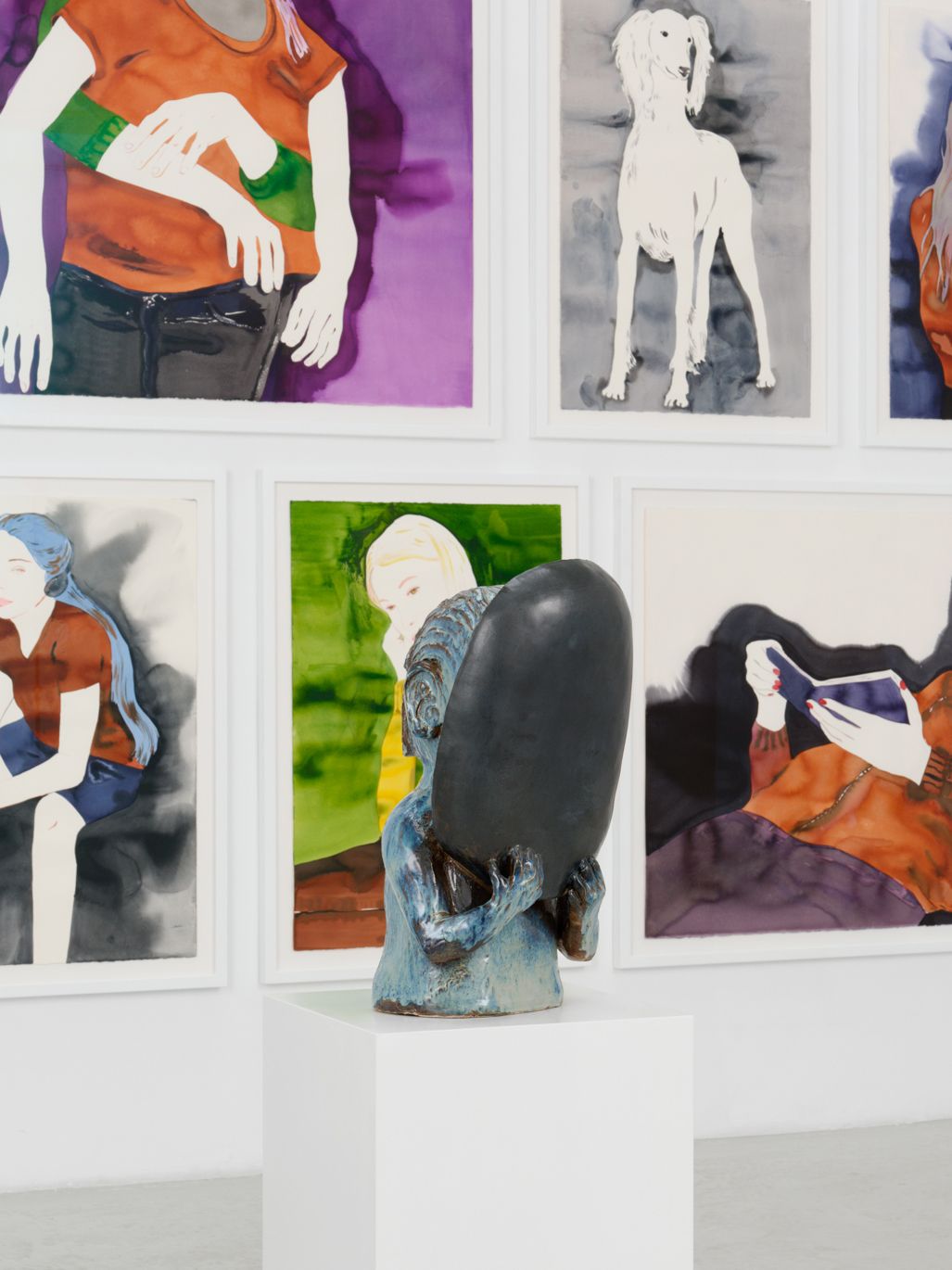
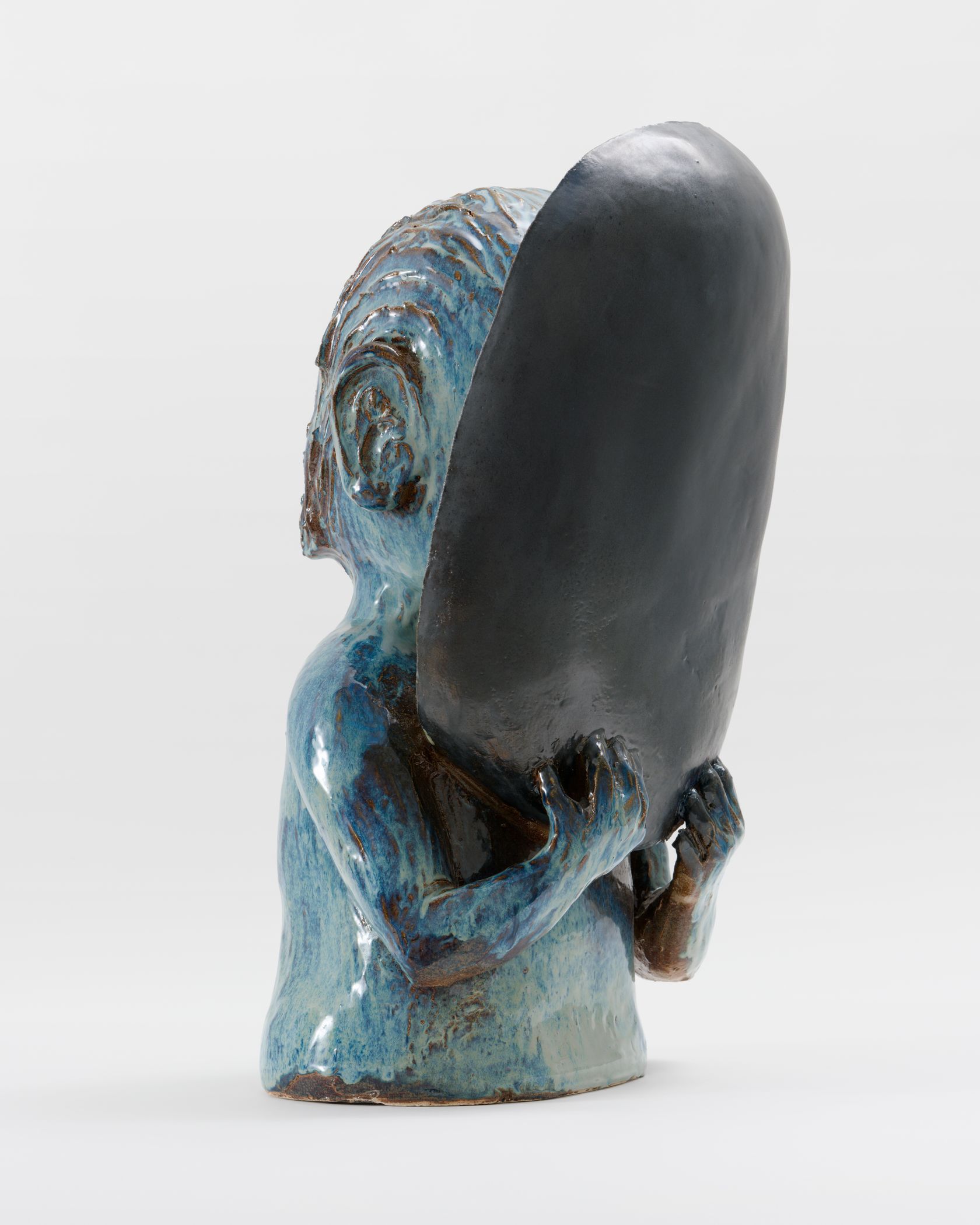
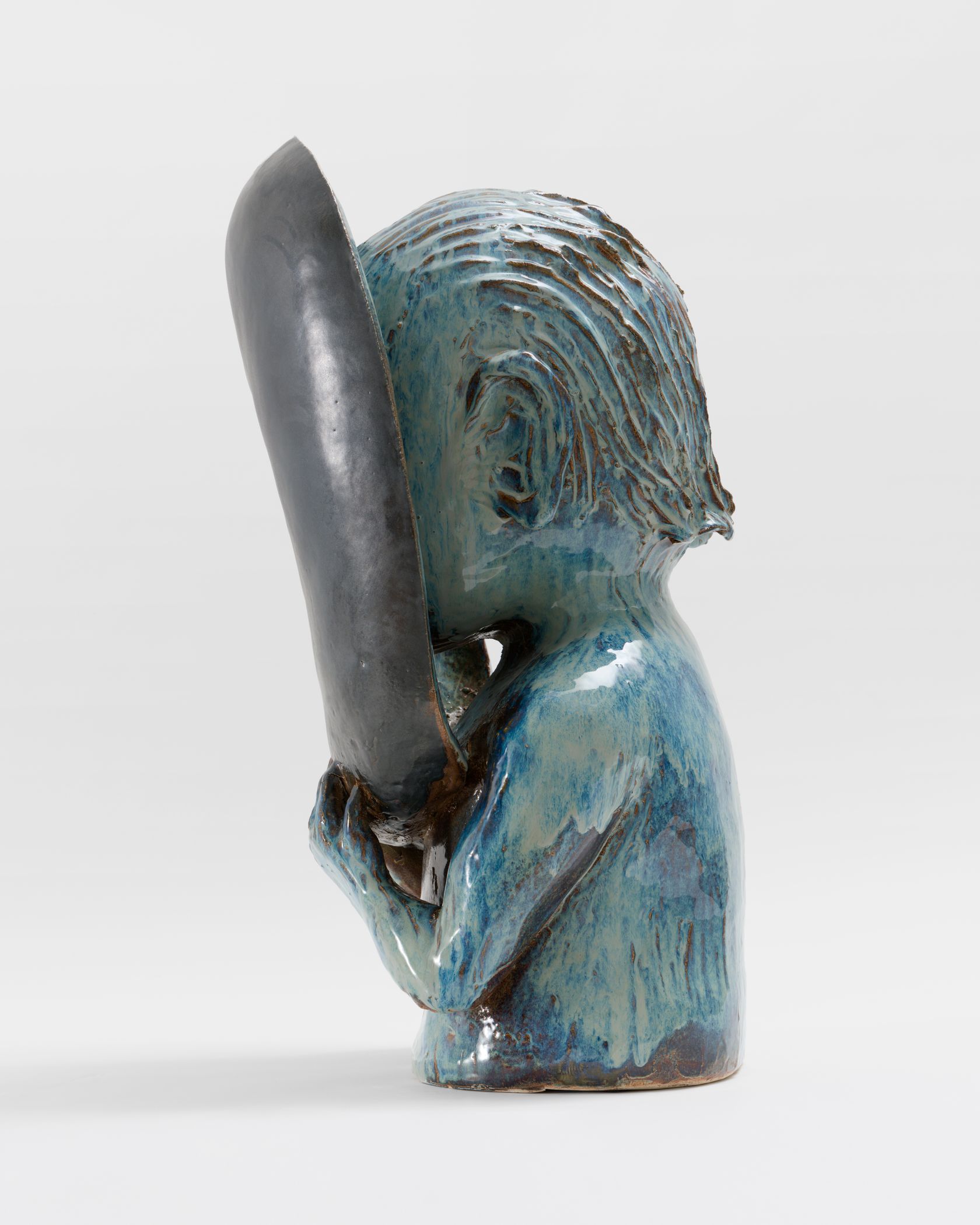
- Françoise Pétrovitch
- Mask , 2026
- Glazed ceramic
-
- 70 ×
- 44 ×
- 40 × cm
- 27 9/16 ×
- 17 5/16 ×
- 15 3/4 × inches
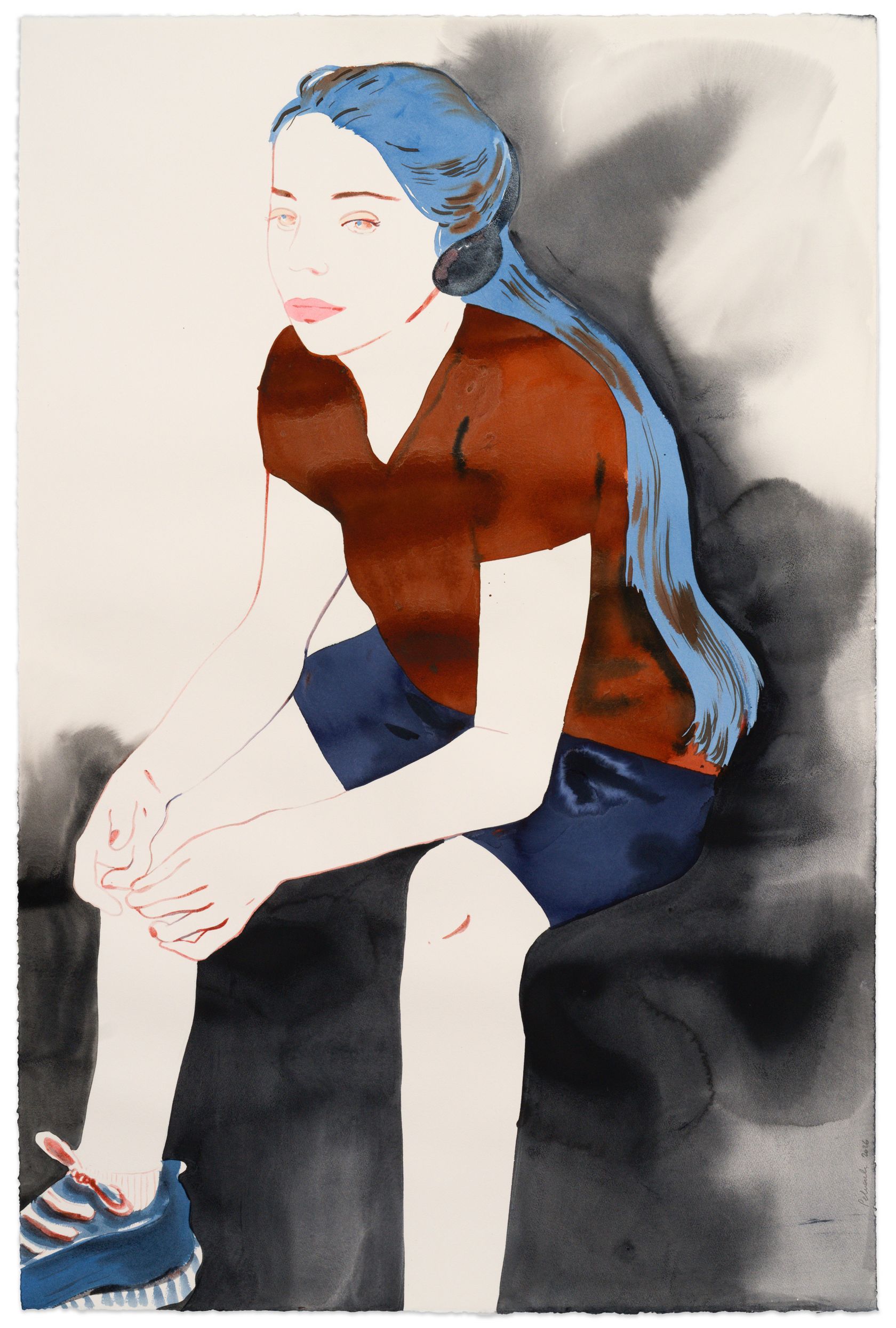
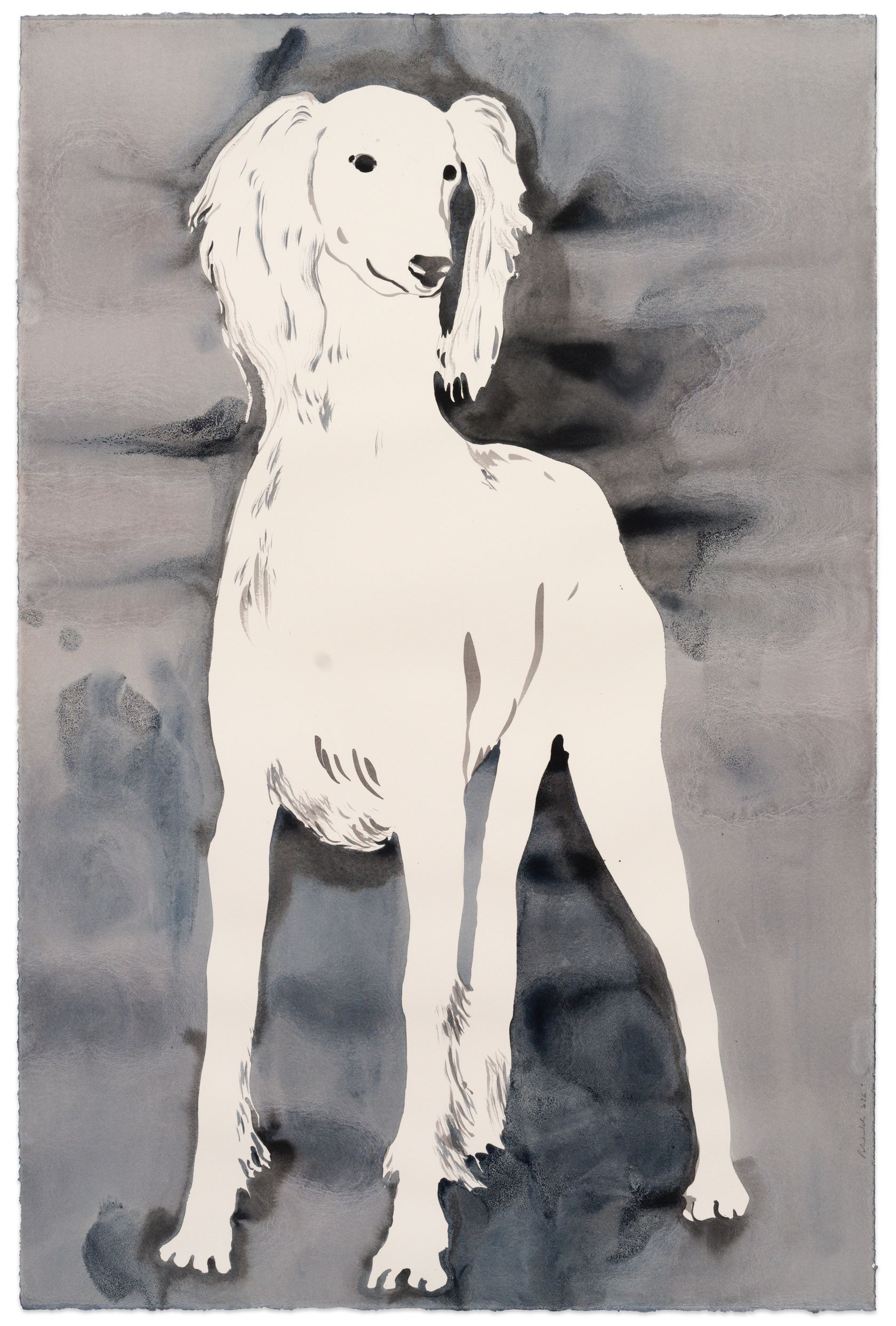
- Françoise Pétrovitch
- Tenir , 2026
- Ink wash on paper
-
- 120 ×
- 160 × cm
- 47 1/4 ×
- 63 × inches
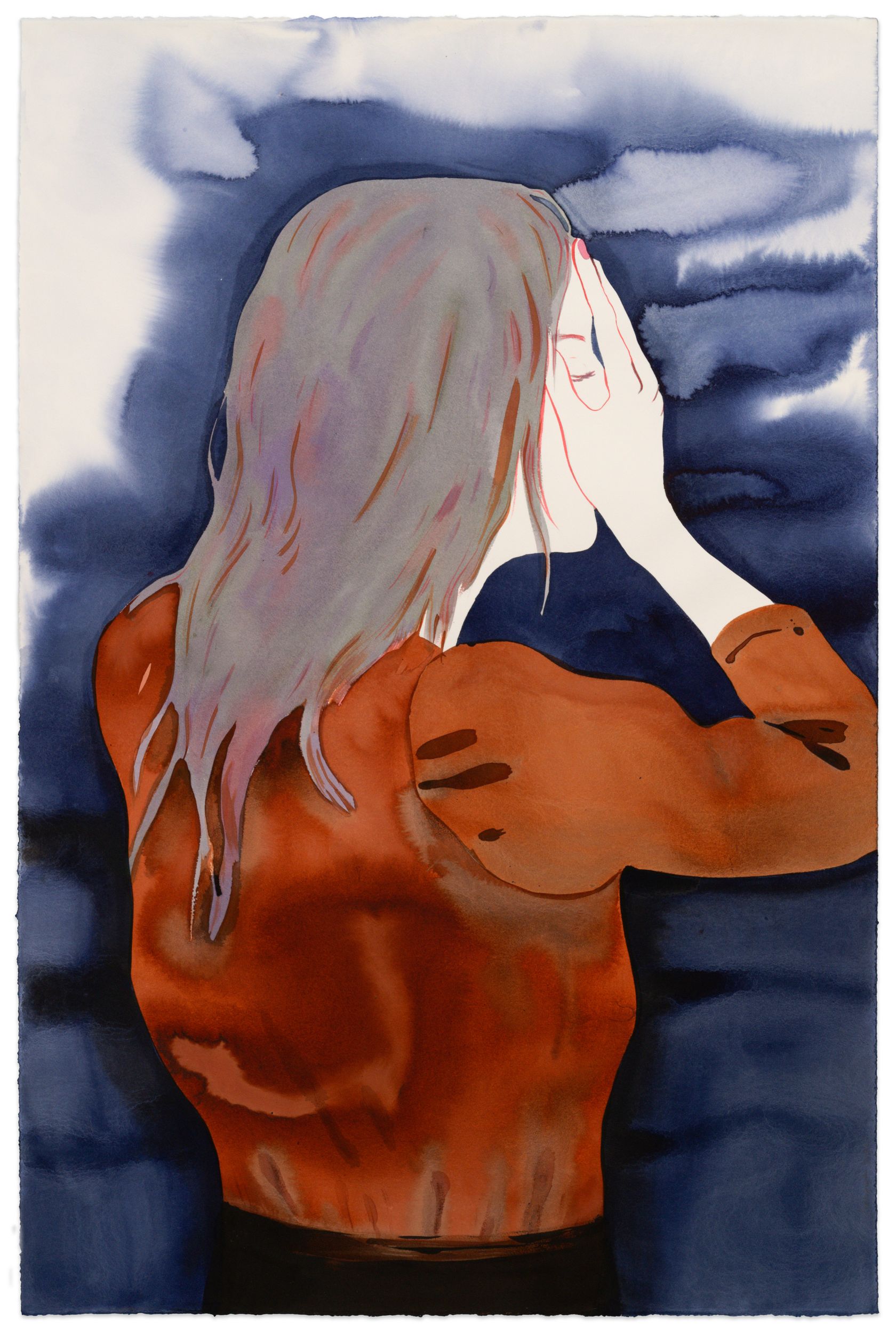
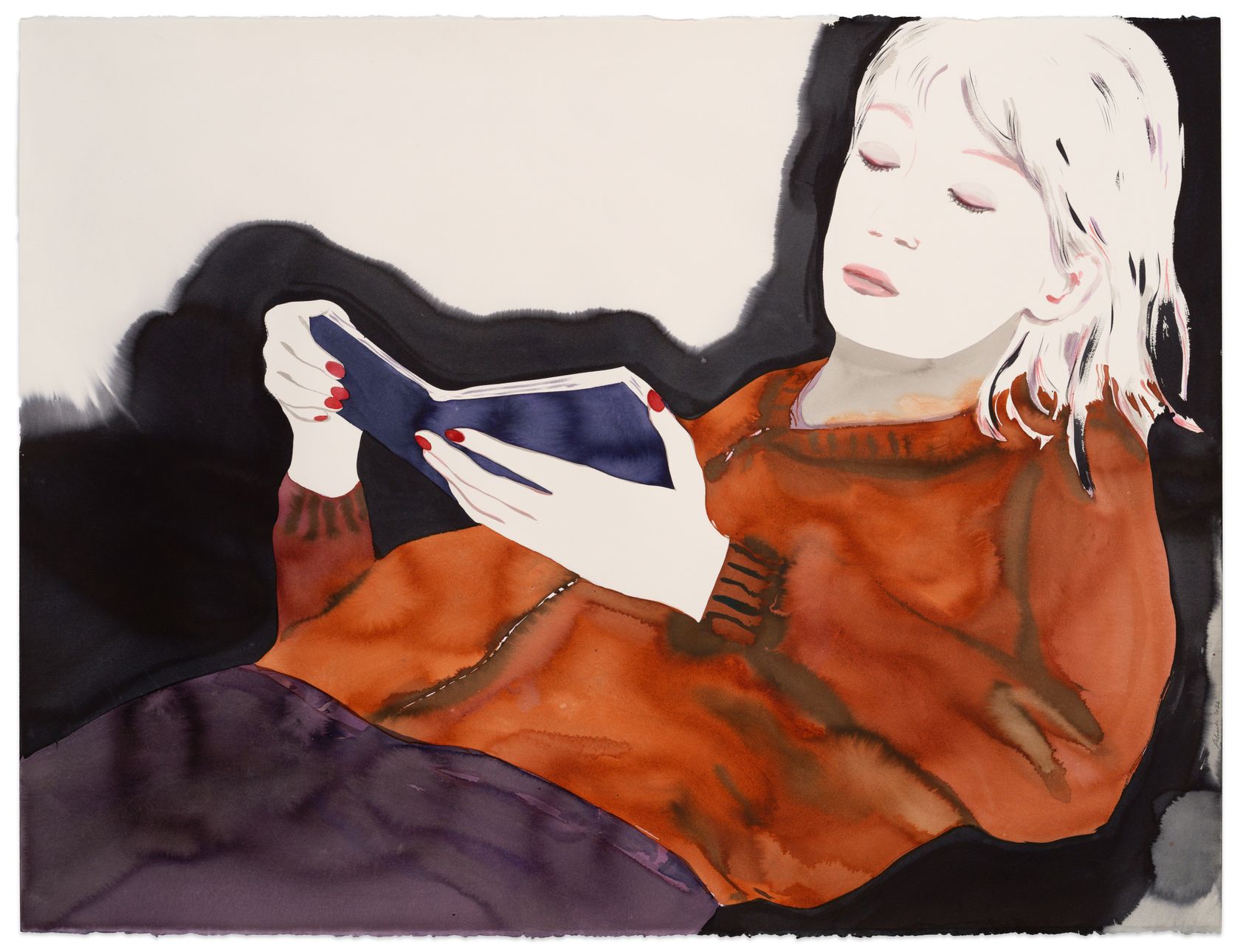
- Françoise Pétrovitch
- Lecture , 2026
- Ink wash on paper
-
- 120 ×
- 160 × cm
- 47 1/4 ×
- 63 × inches
- unframed
- 132 ×
- 173 ×
- 5 × cm
- 51 15/16 ×
- 68 1/8 ×
- 1 15/16 × in
- framed
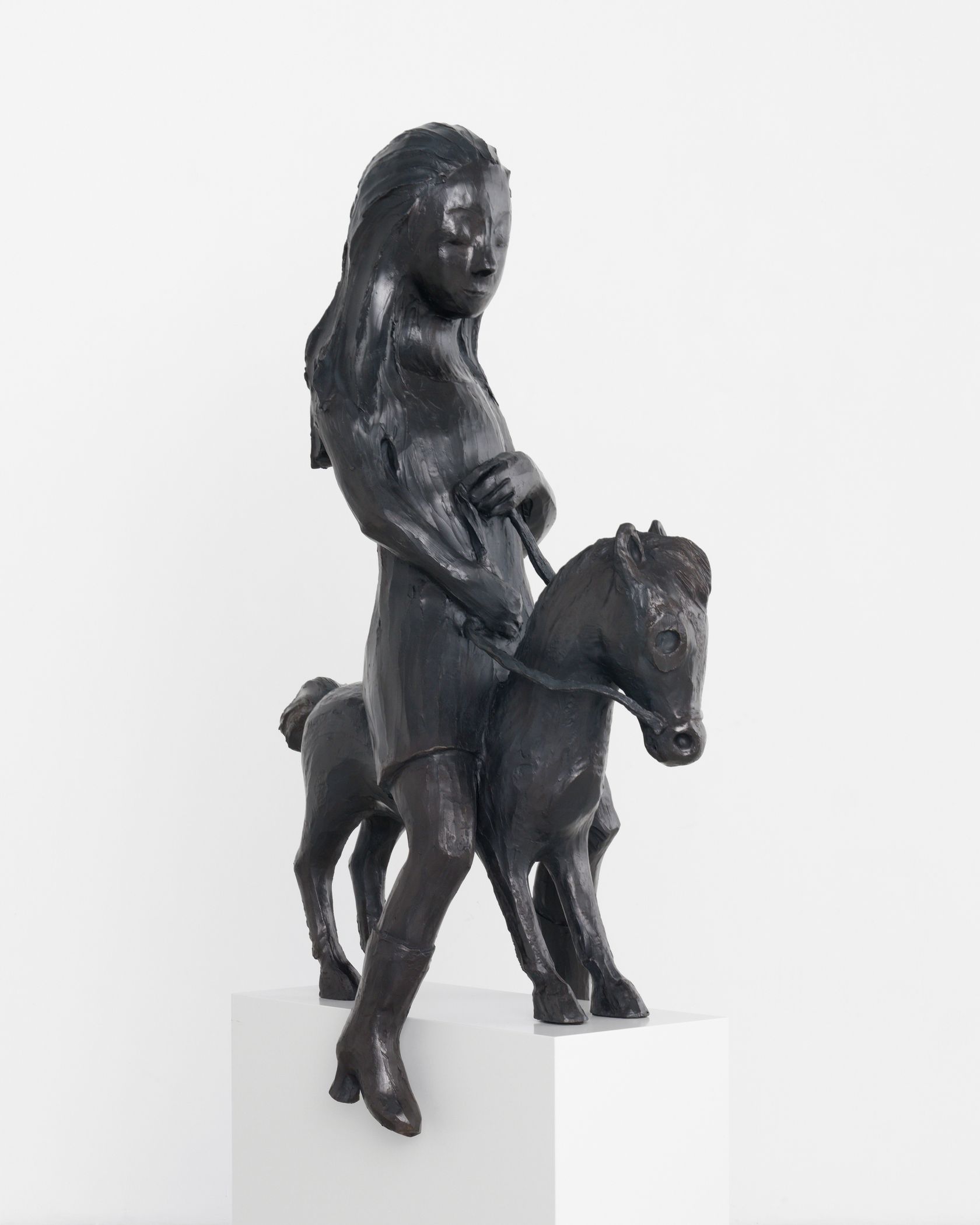
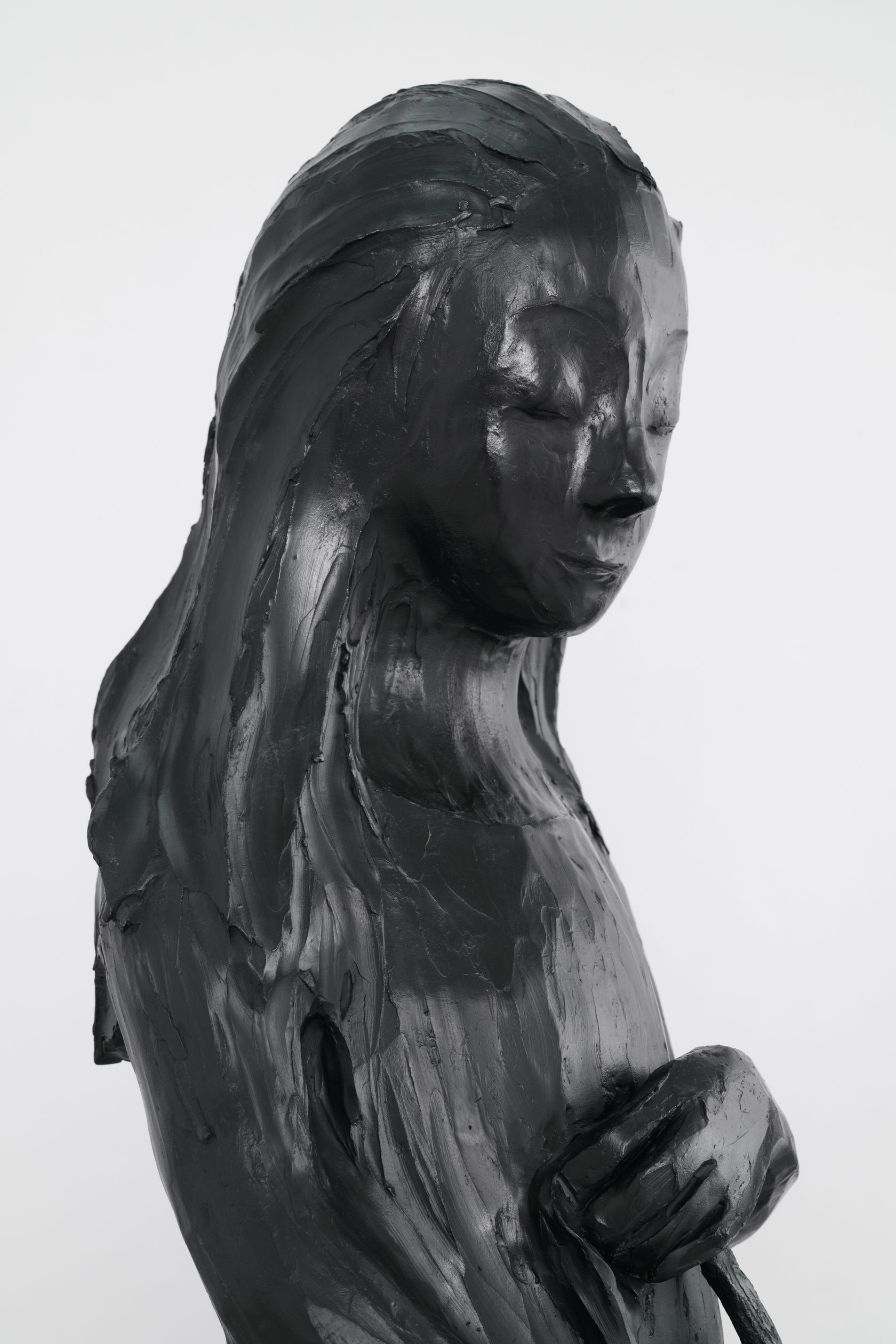
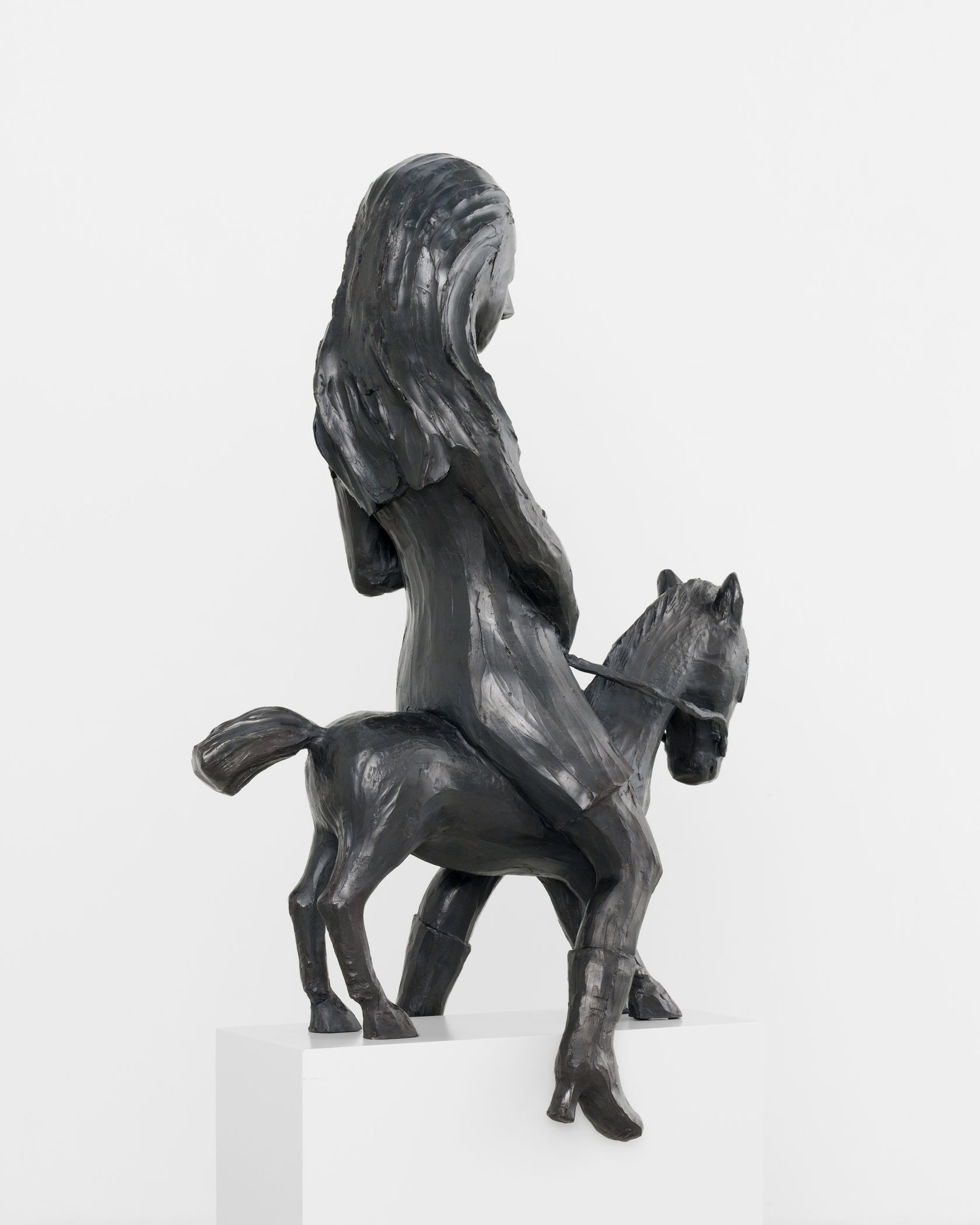
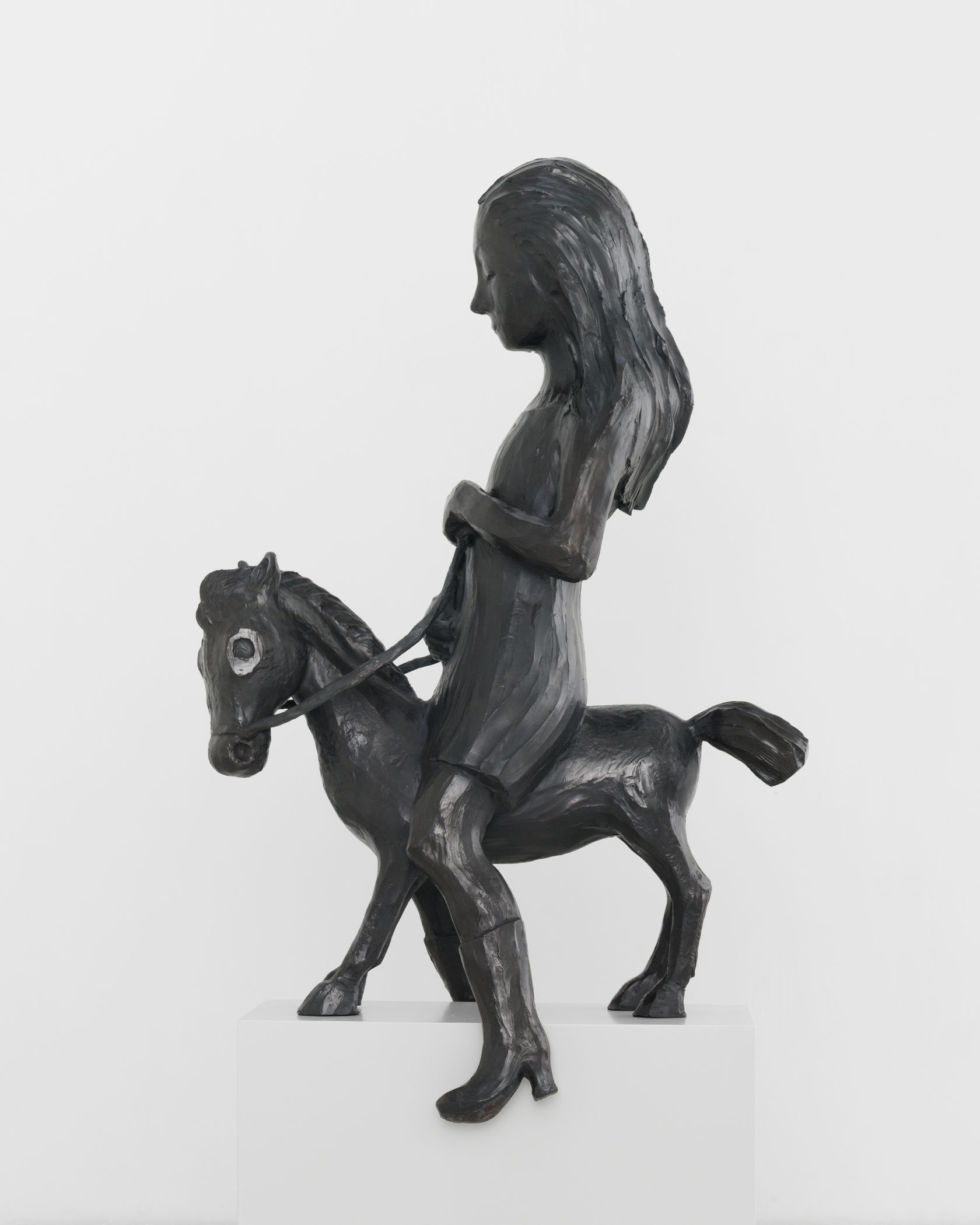
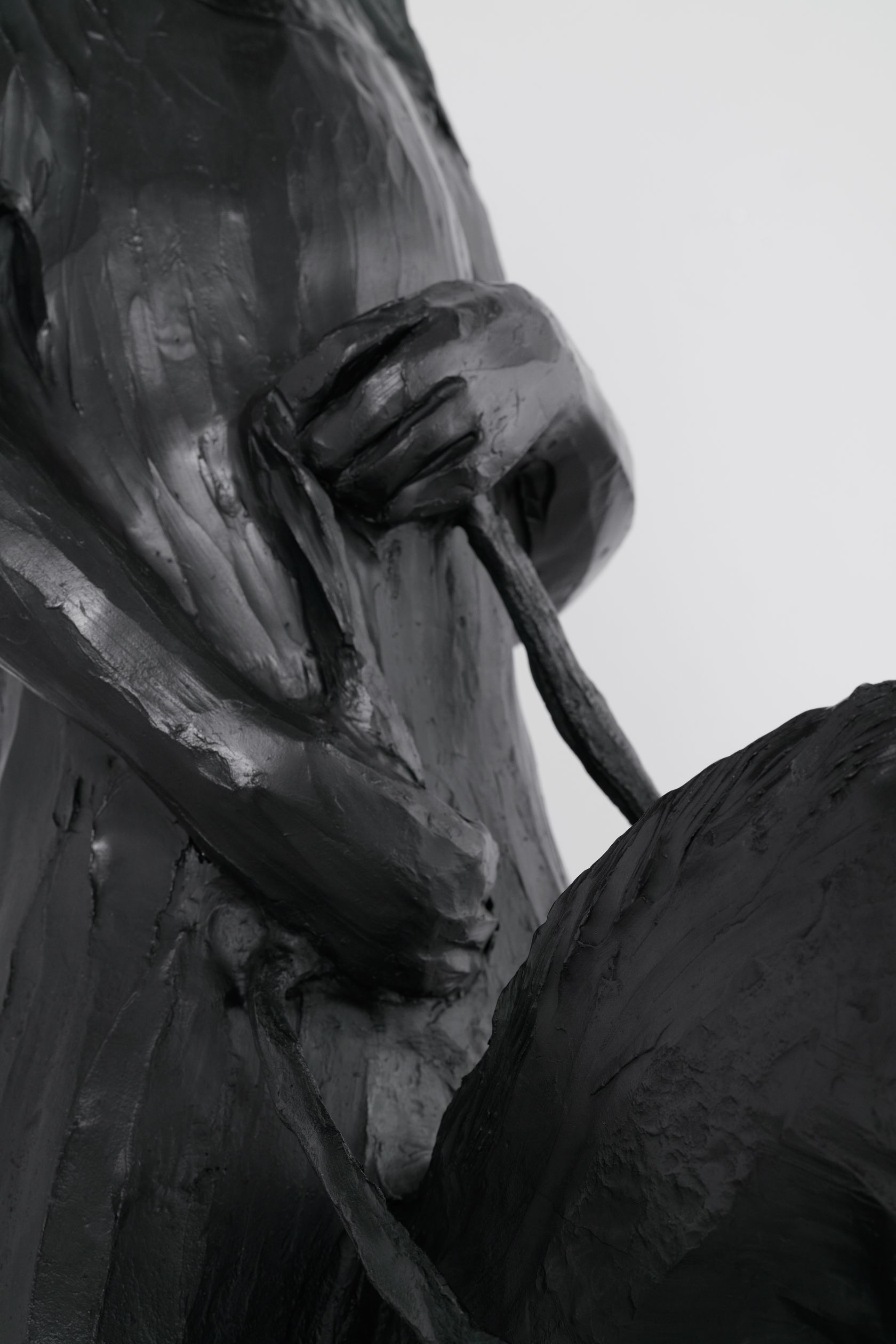
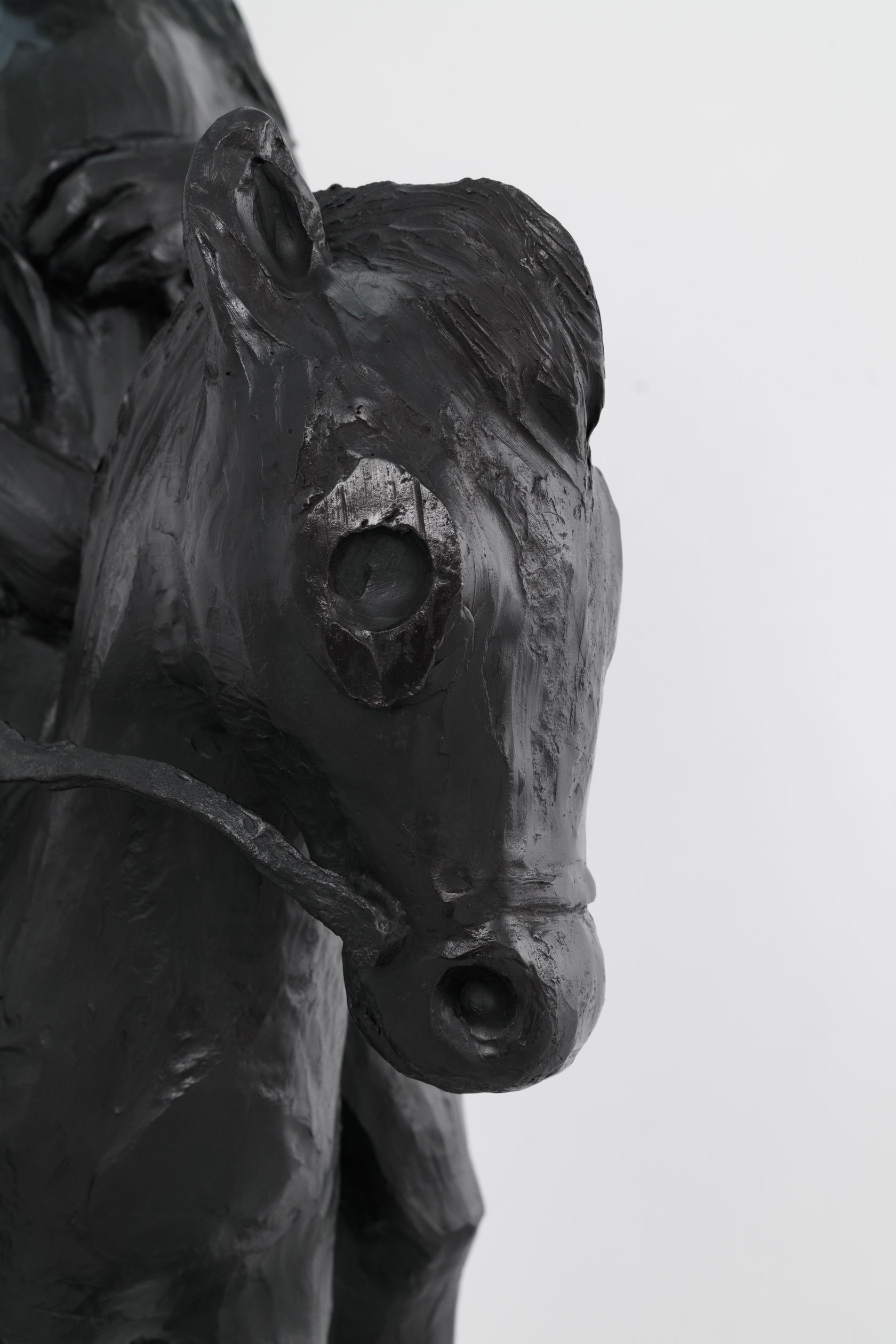
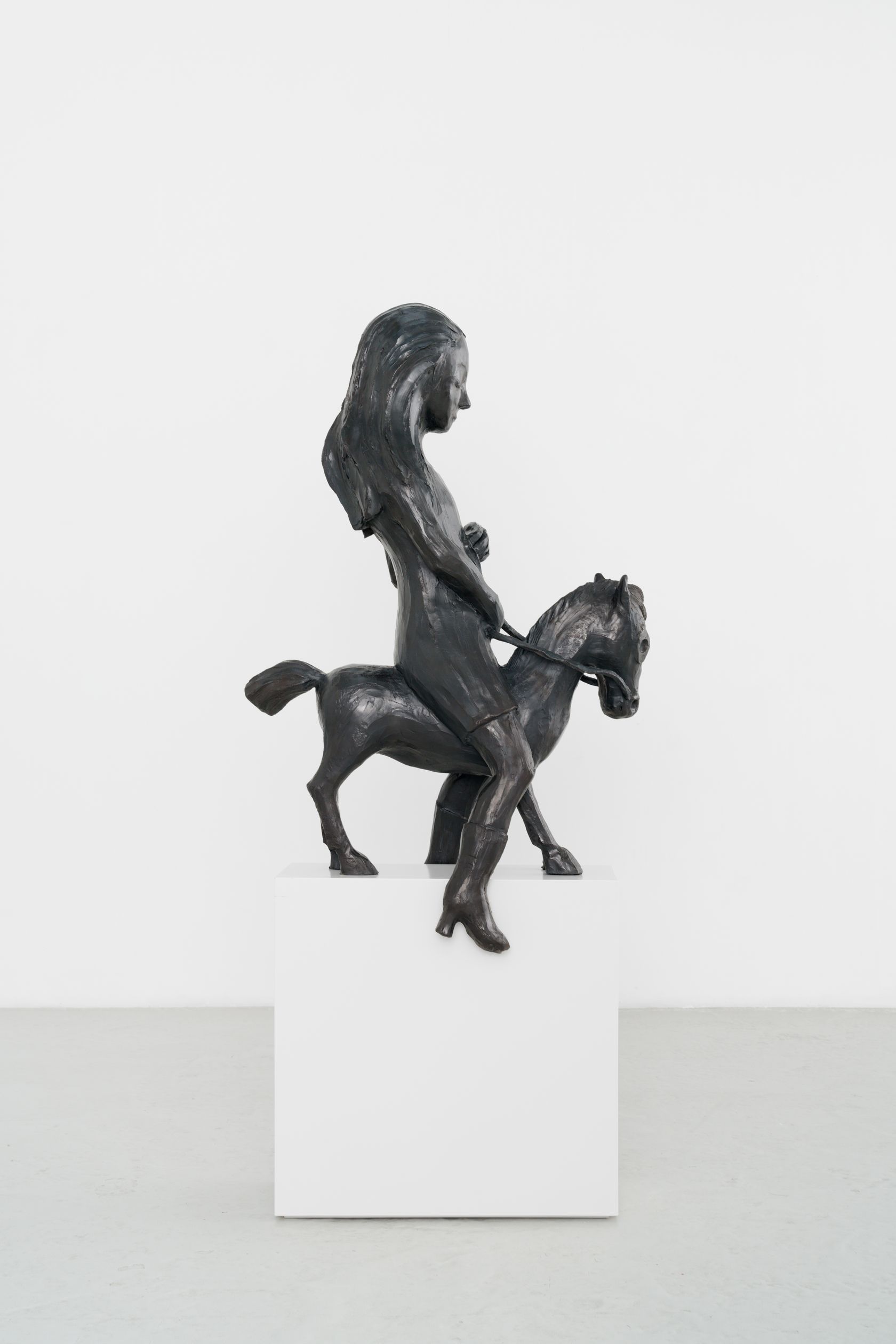
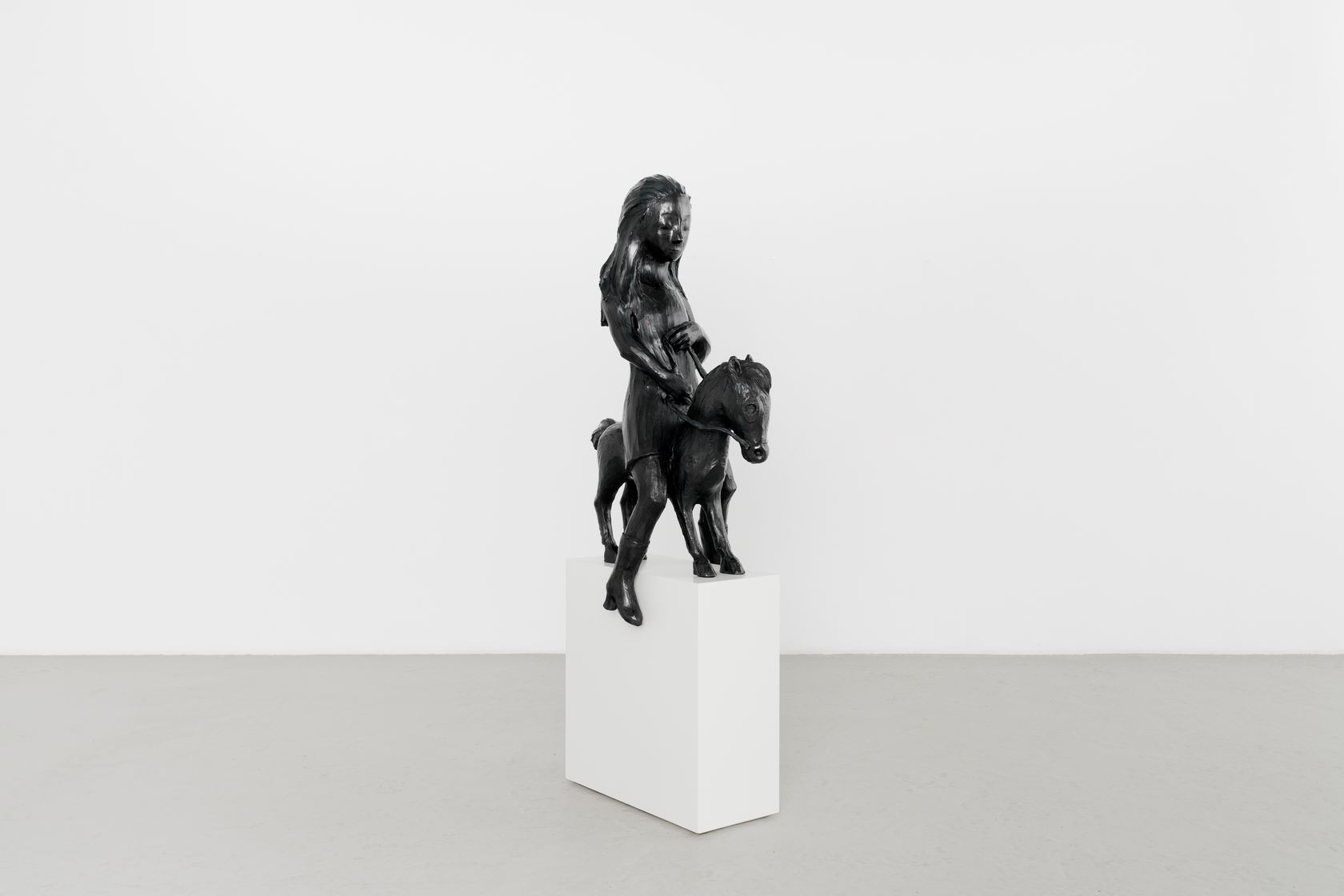
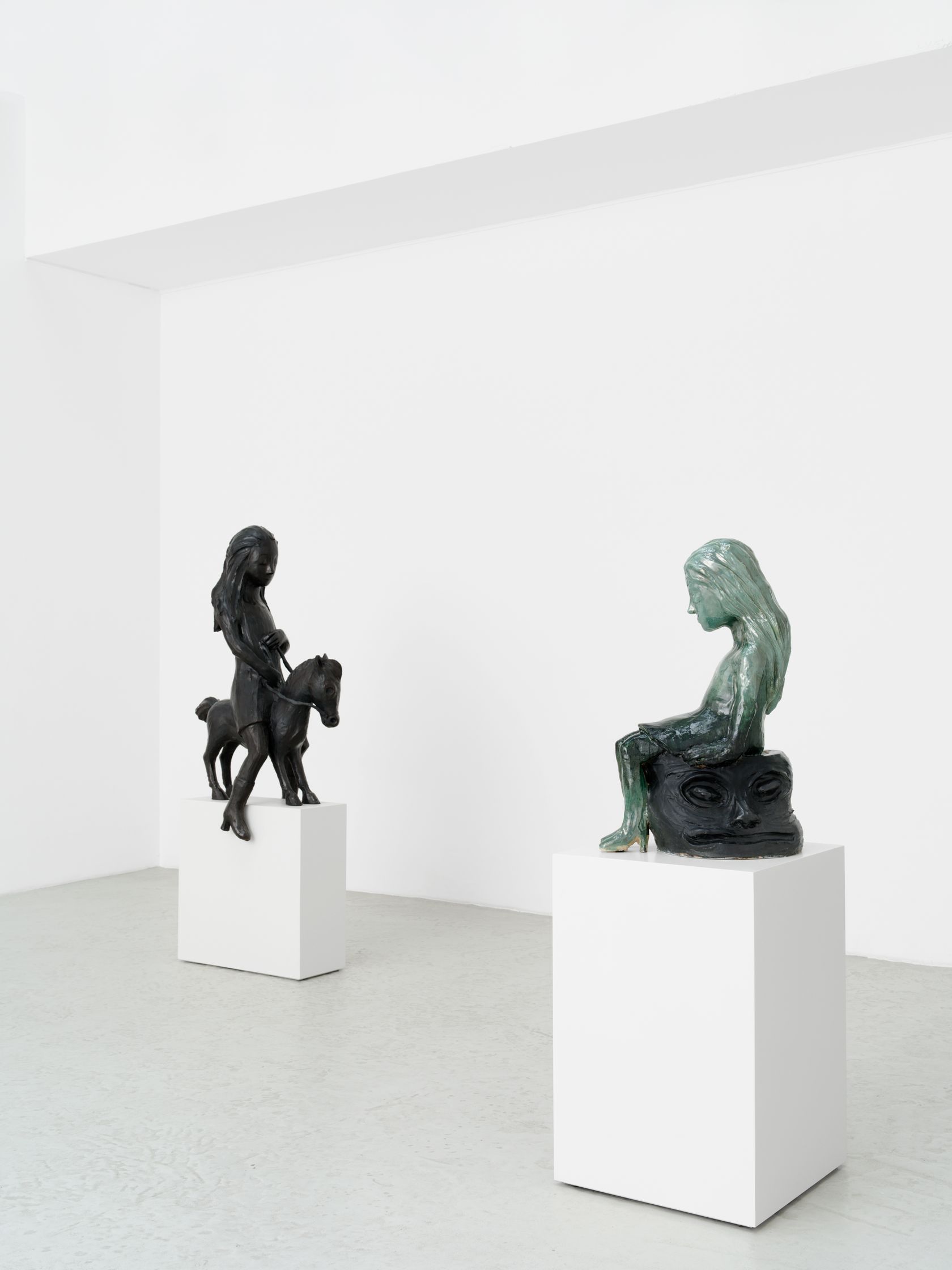
- Françoise Pétrovitch
- Cavalière , 2025
- Bronze
-
- 144 ×
- 93 ×
- 45 × cm
- 56 11/16 ×
- 36 5/8 ×
- 17 11/16 × inches
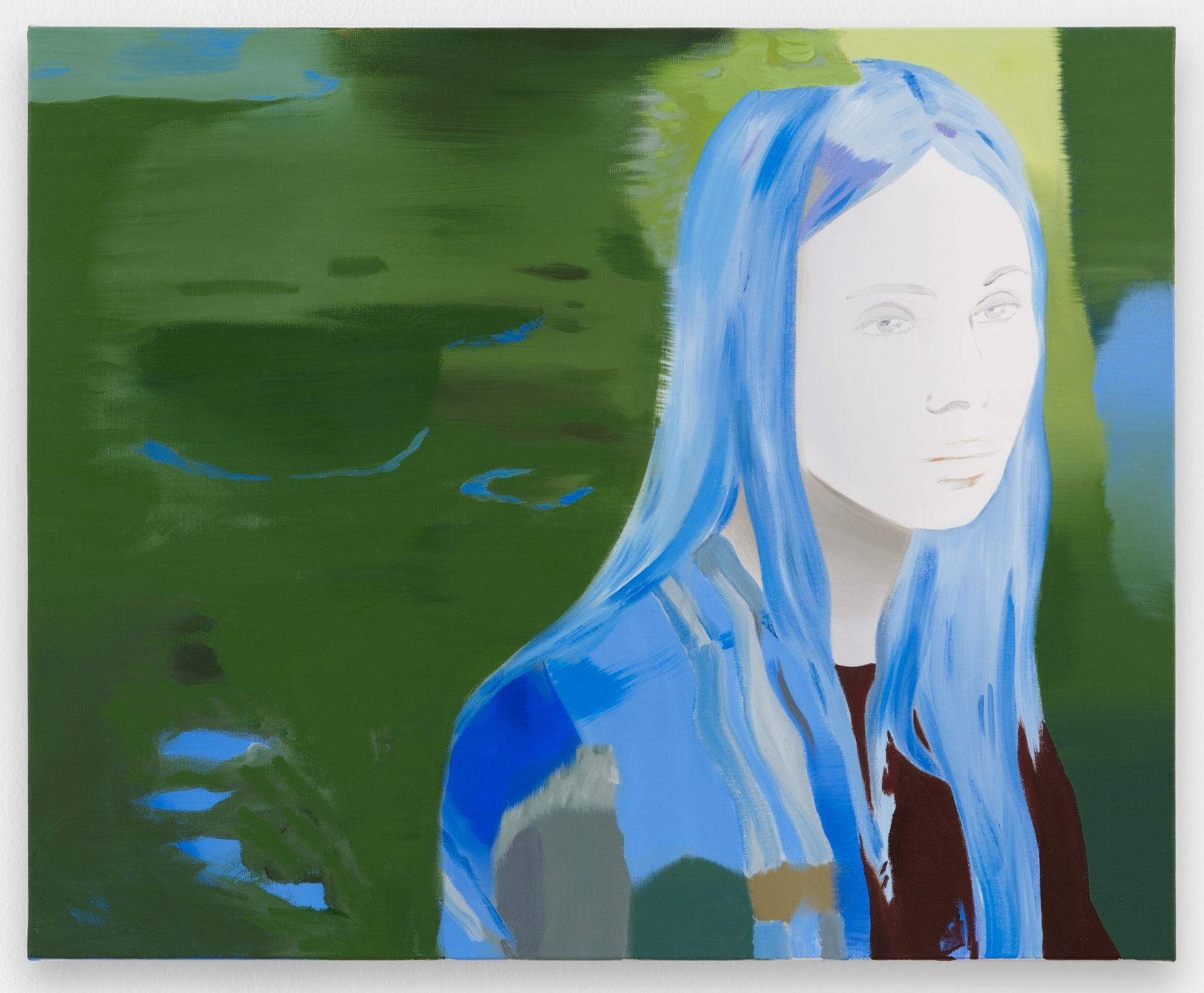
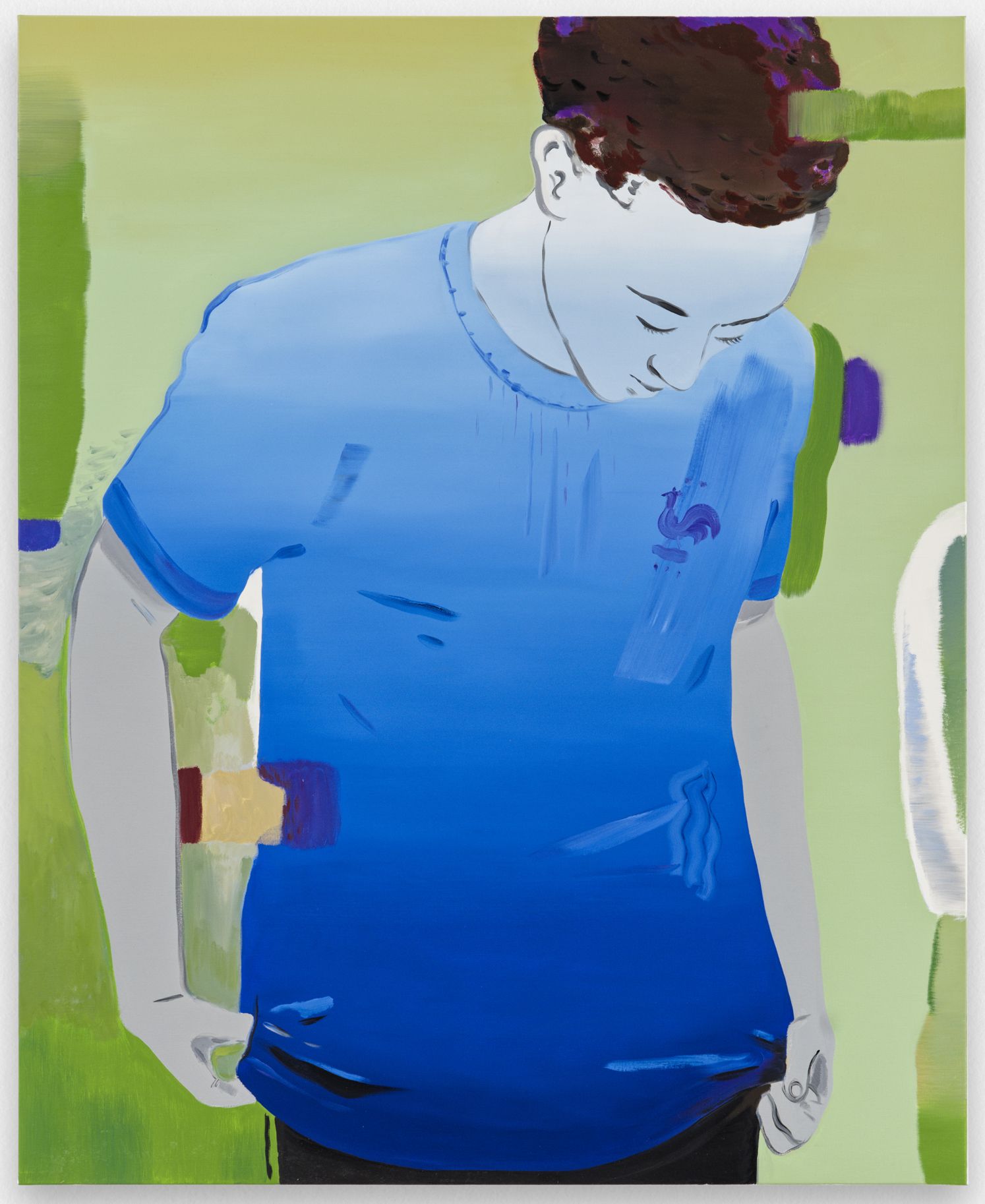
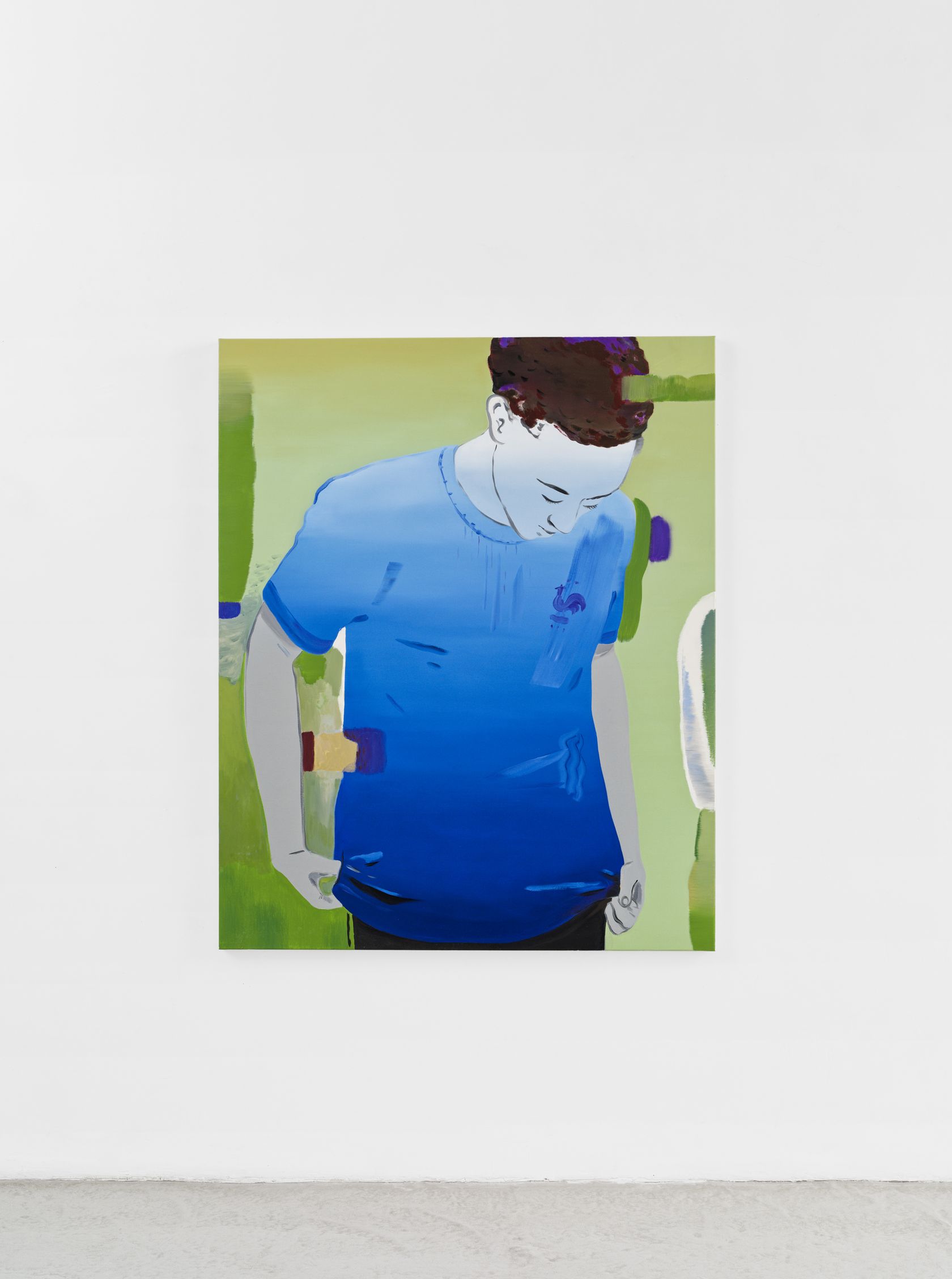
This new exhibition also appears to follow a principle of contamination. First, between painting and sculpture, but also within painting itself. In her new series of canvases, the figures are unsettled by an agitated background. Areas of flat colour are interrupted by the surprising appearance of “paint remnants.” In Sans Teint (2026), both background and figure are overlaid by these autonomous strips of paint, which disrupt the planes. The figure is no longer isolated, as in the painting of the two adolescents described above. Here, the adolescent is permeated by her surroundings.
In the ceramic process, transformation happens through chemistry: under the effect of intense heat, the clay hardens and the glazes unfold into deep, vitreous colours. Small in scale, each sculpture invites a sense of inwardness and concentration that demands a choreography within the space. Thus, across the exhibition as a whole, a family of plinths, animals and gestures of affection takes shape, each containing its own worlds: worlds of colour, contaminated and transformed.
— Julia Marchand
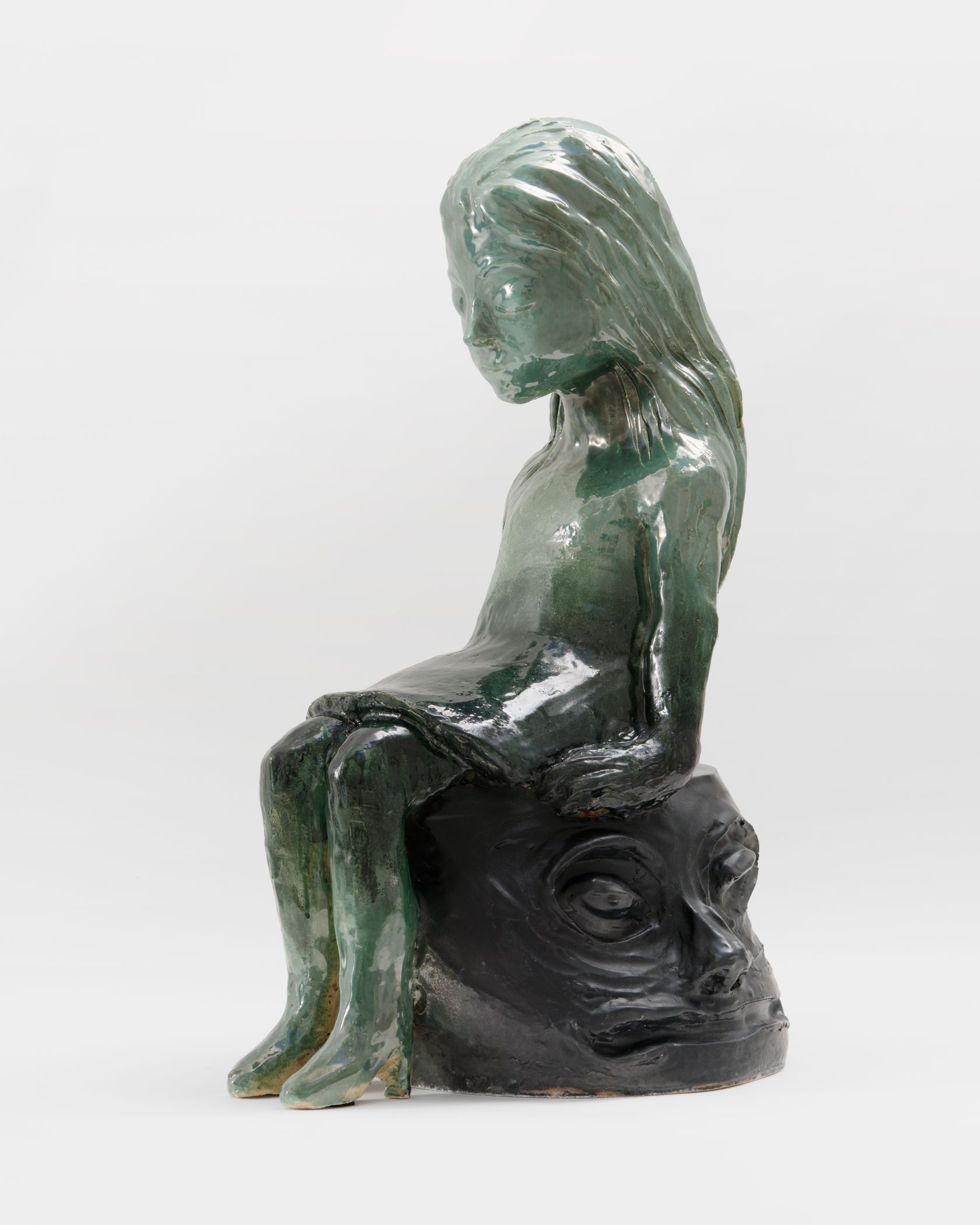
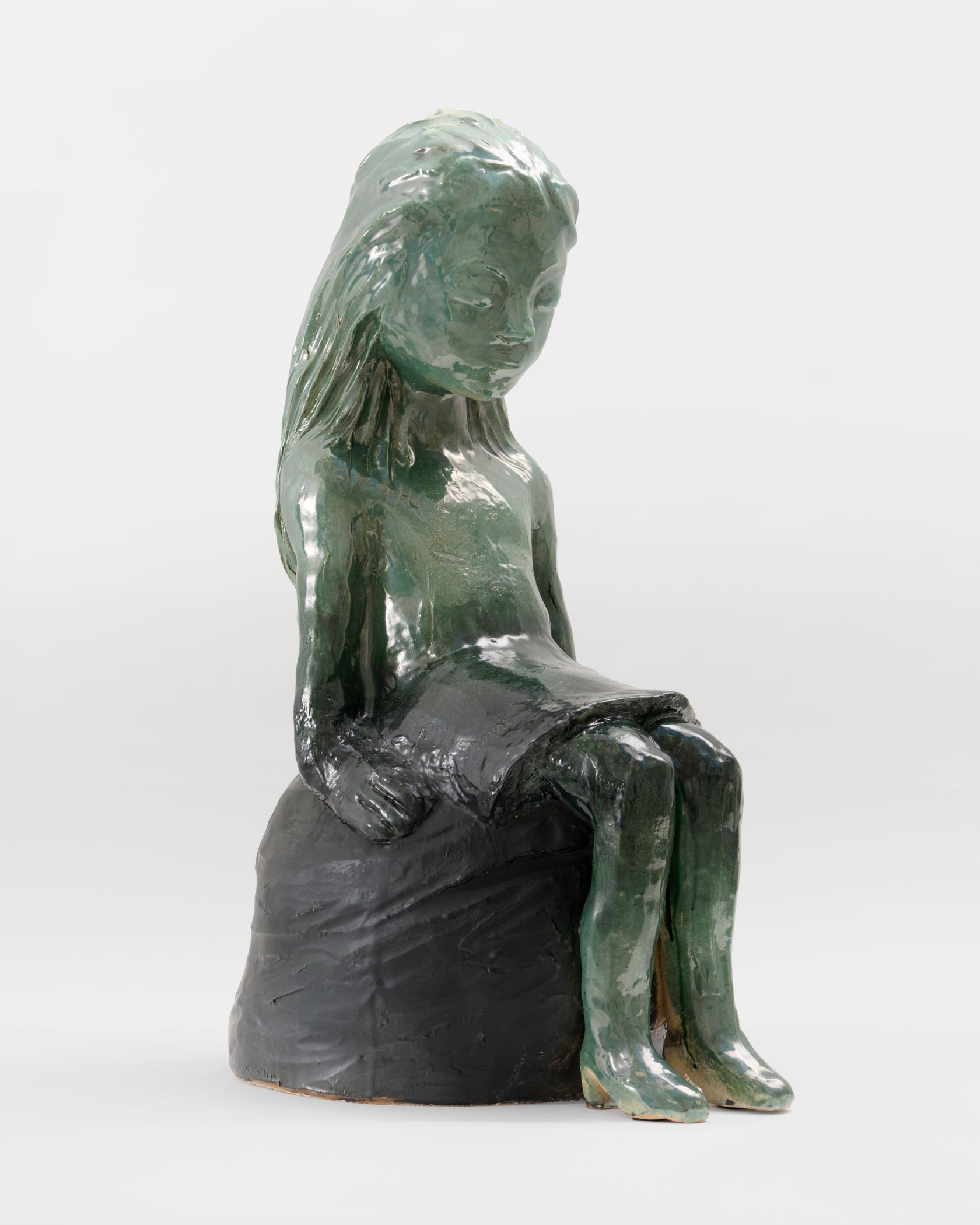
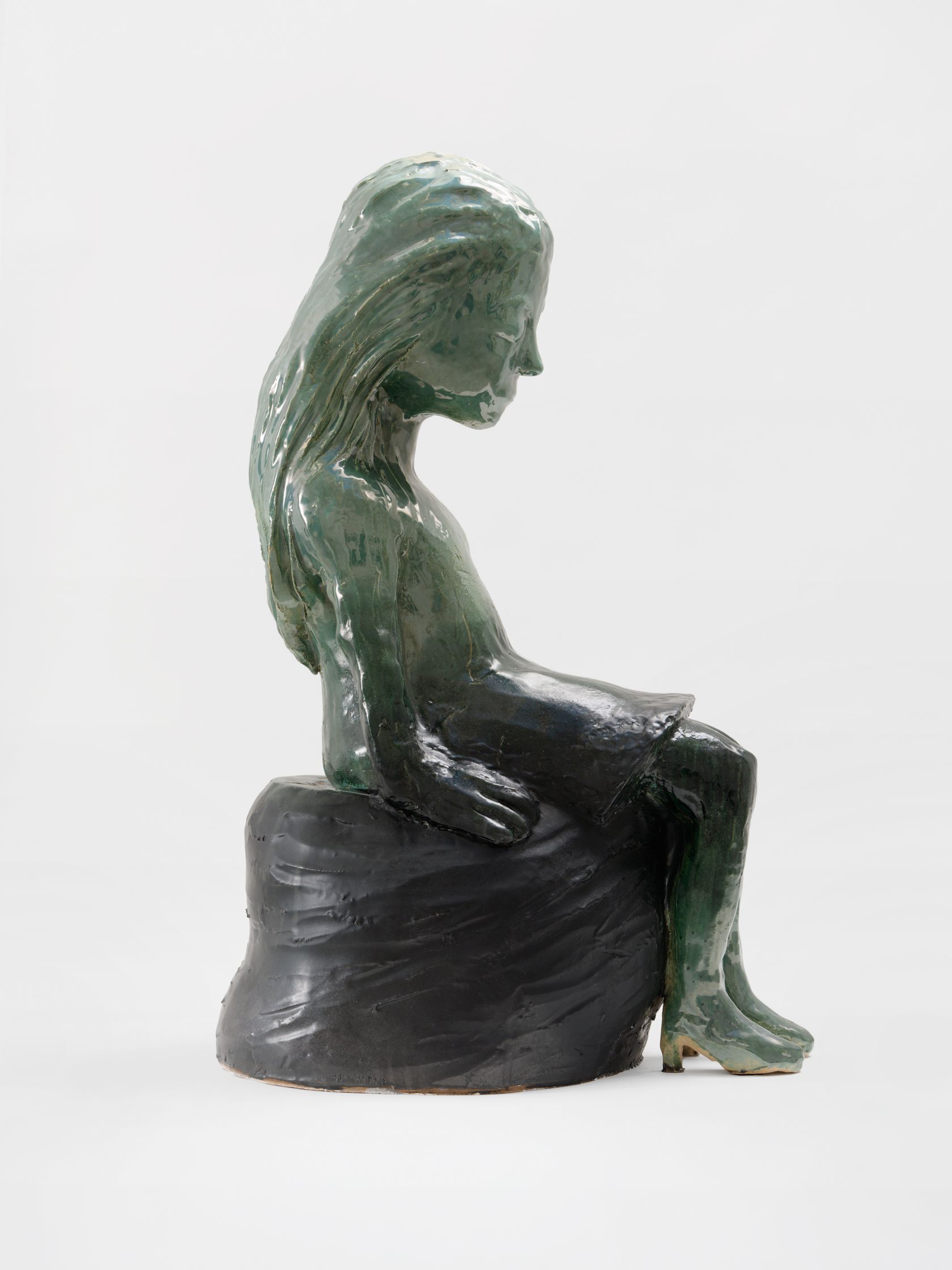
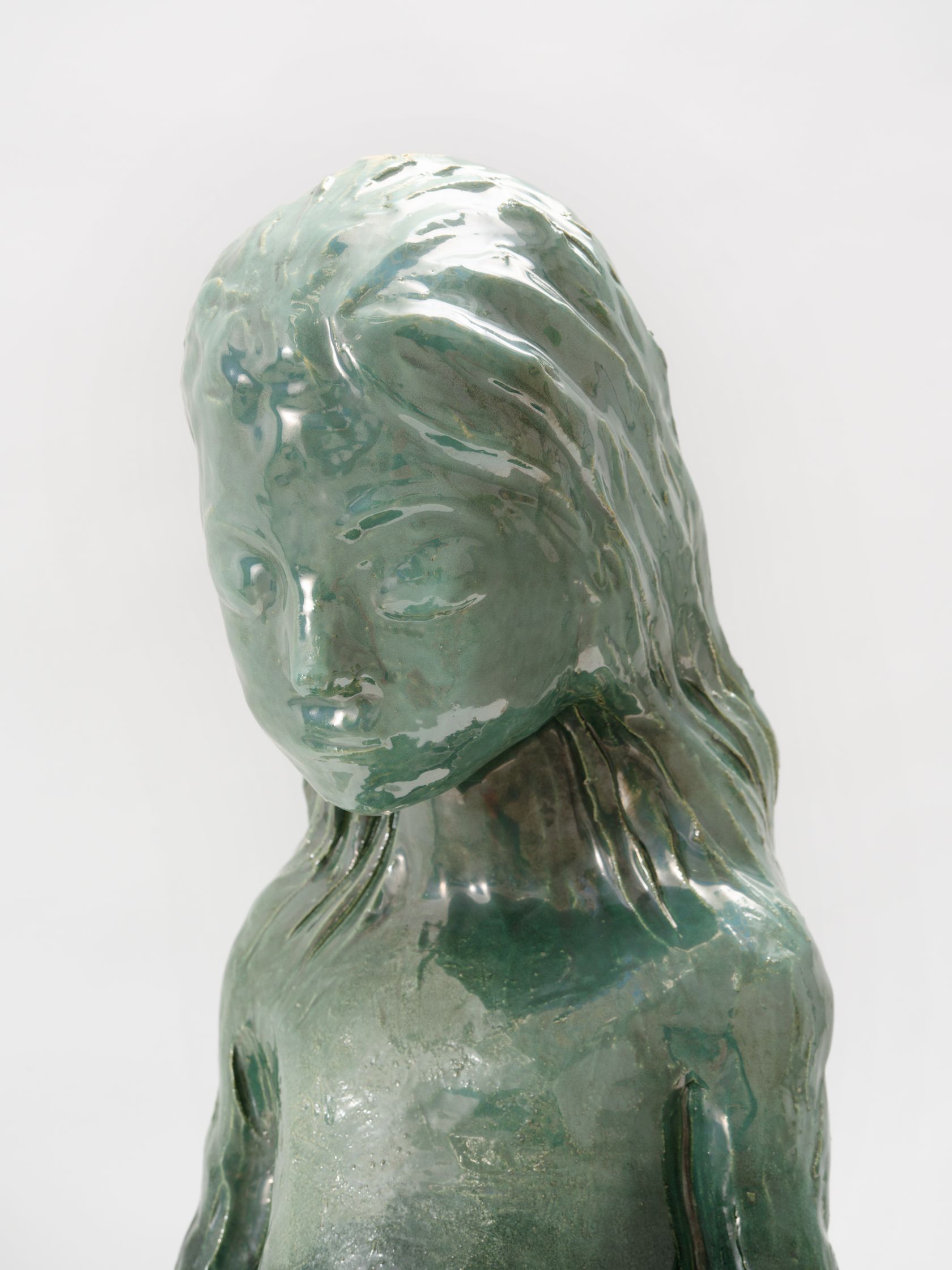
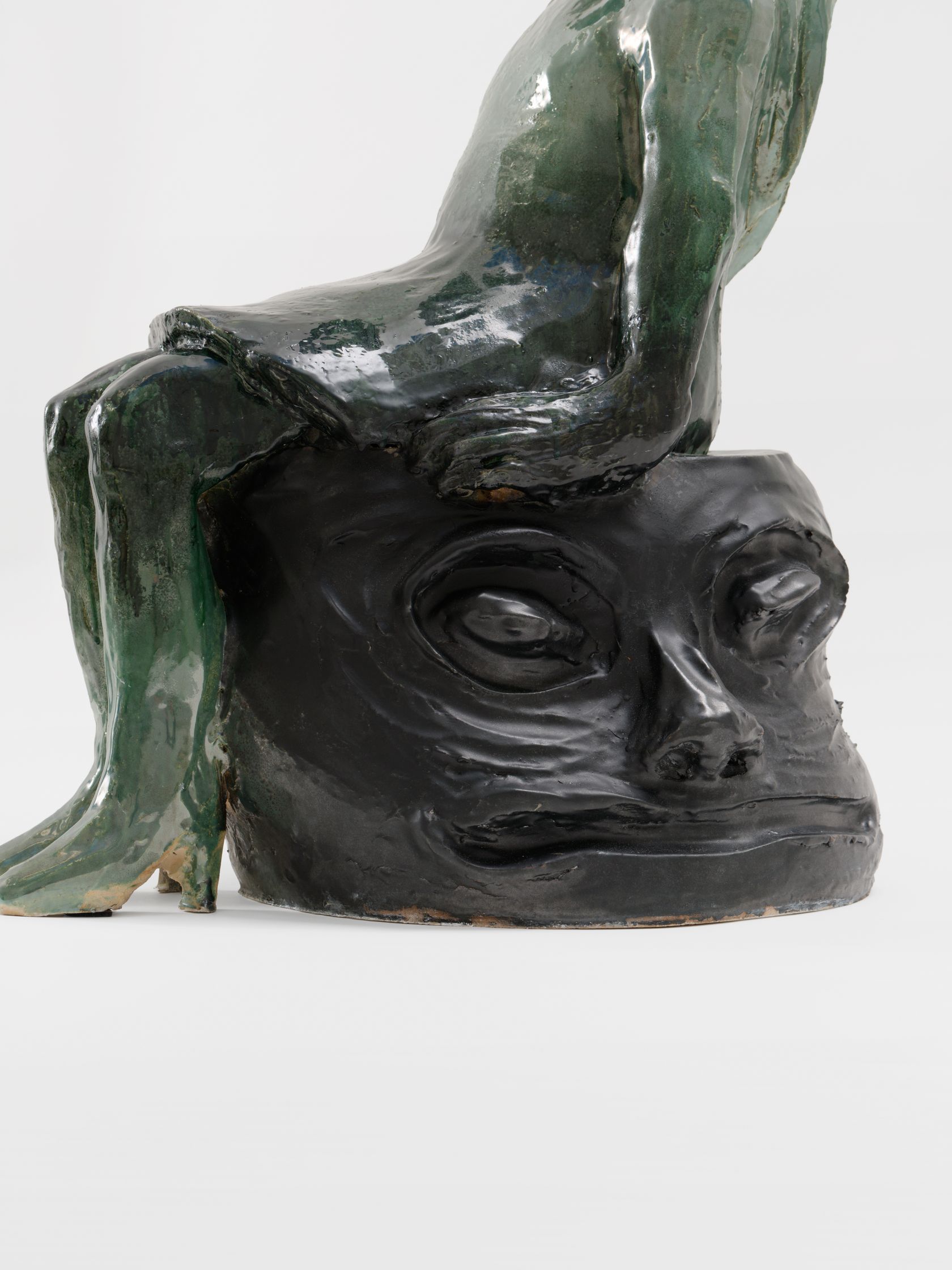
- Françoise Pétrovitch
- Sentinelle , 2026
- Glazed ceramic
-
- 90 ×
- 45 ×
- 50 × cm
- 35 7/16 ×
- 17 11/16 ×
- 19 11/16 × inches
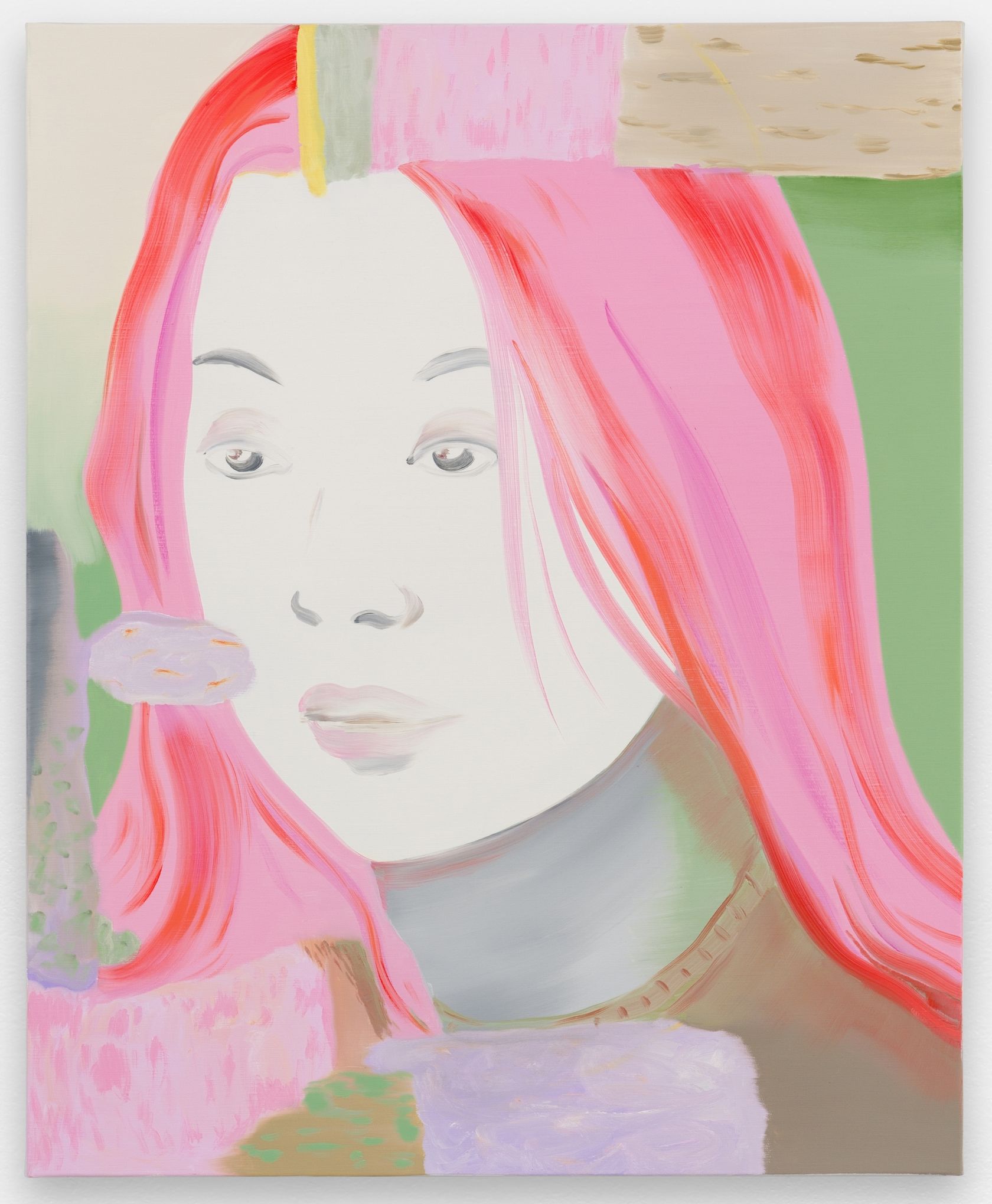
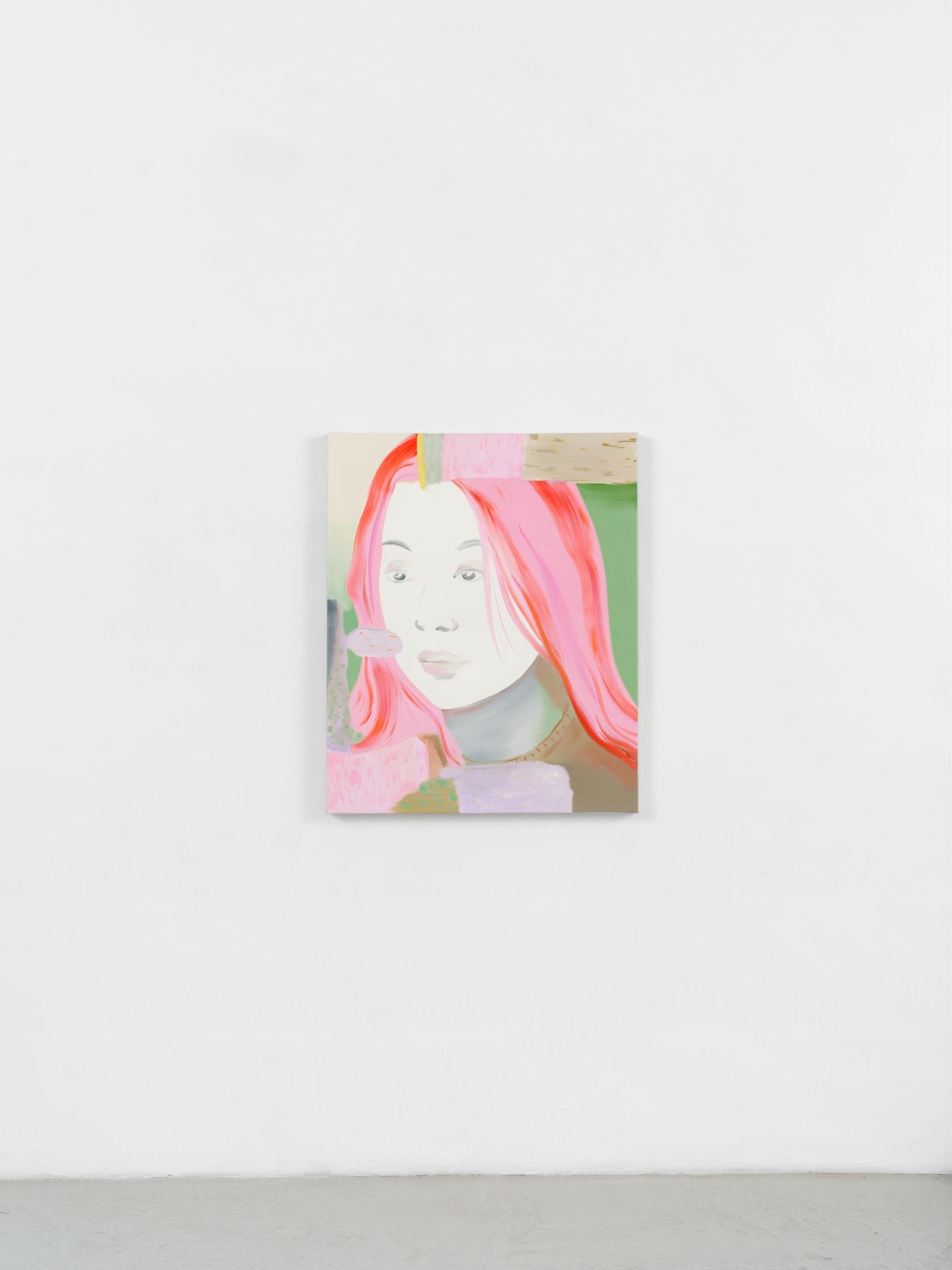
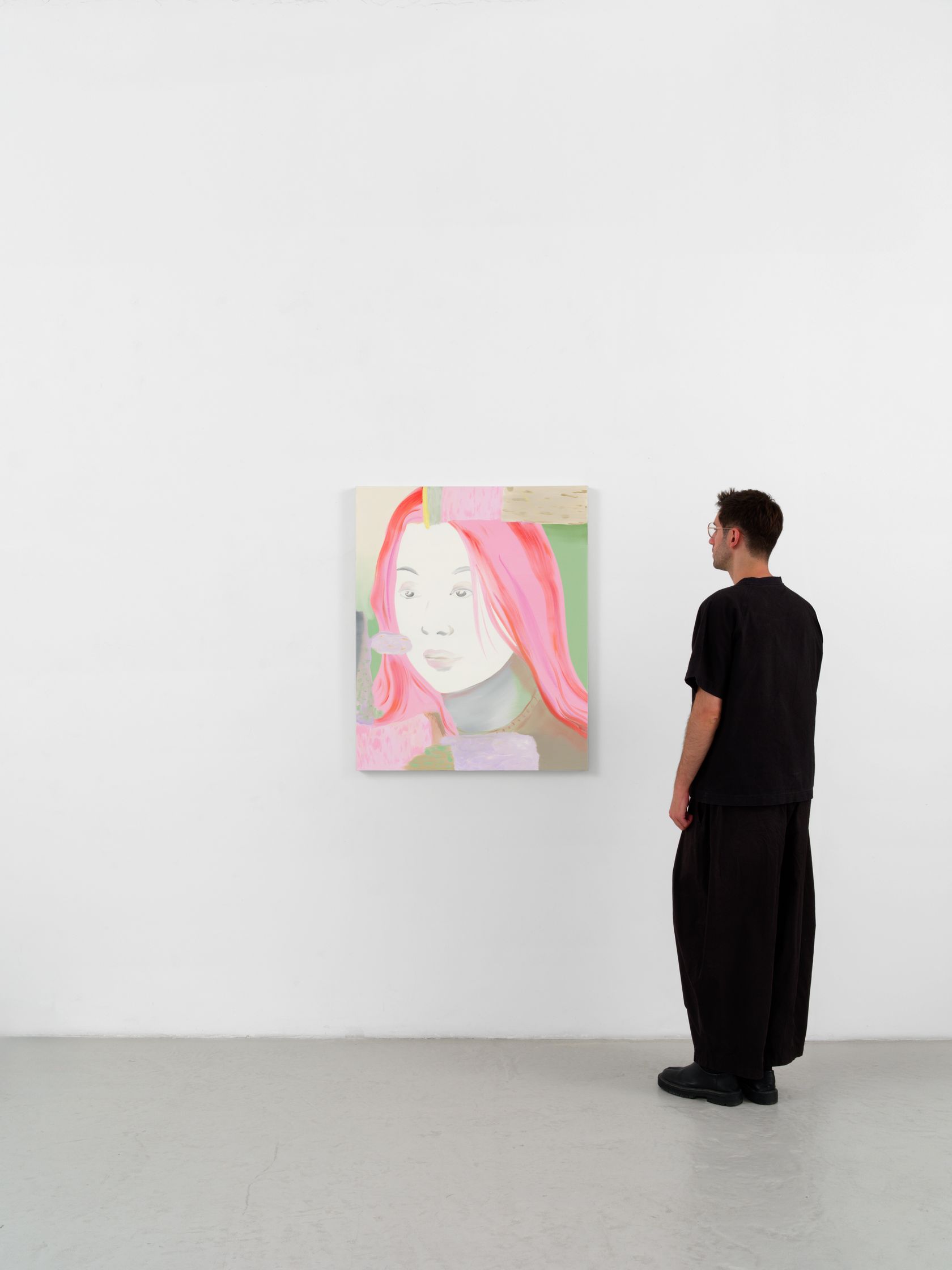
- Françoise Pétrovitch
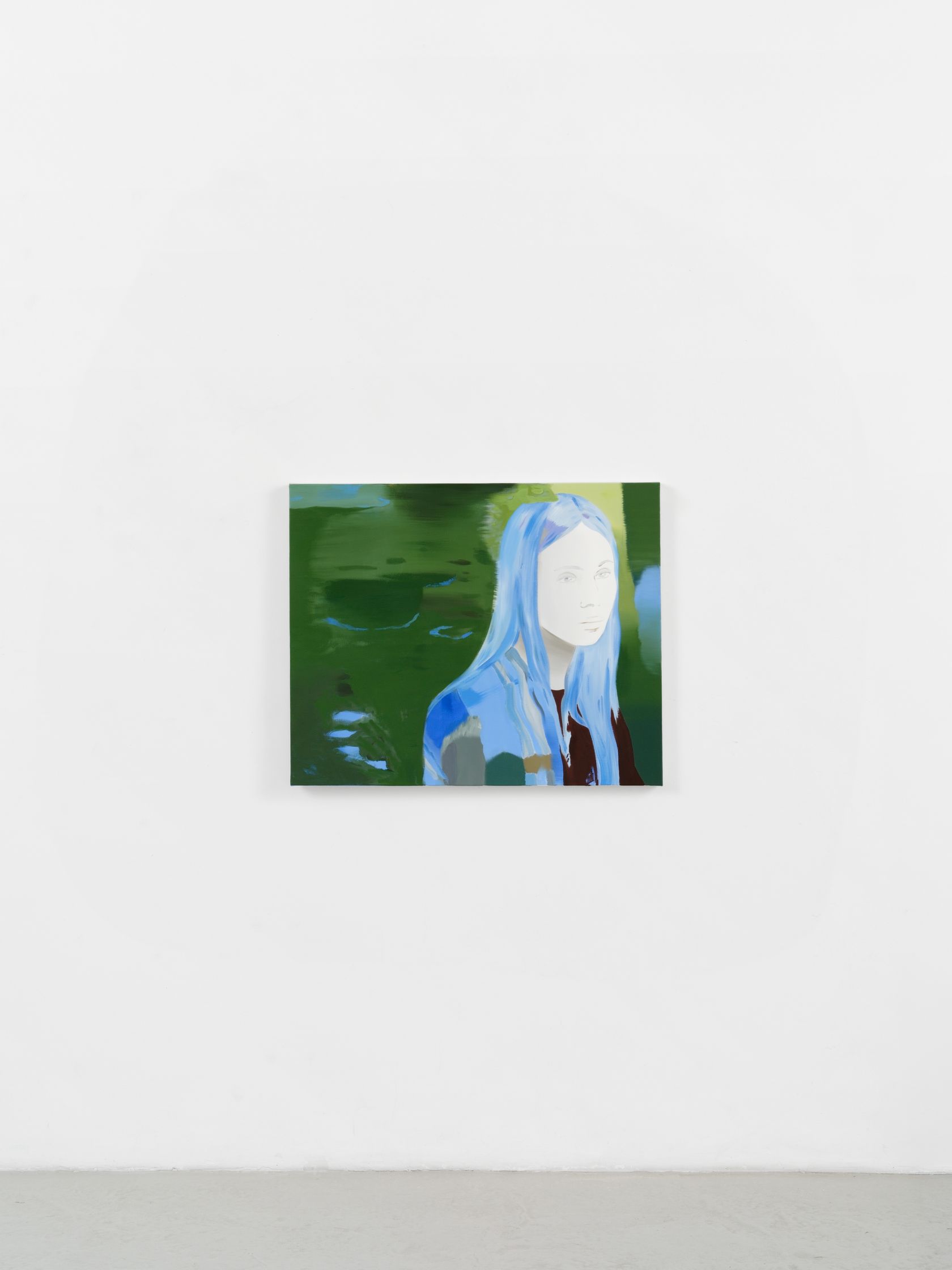
- Sans teint , 2026
- Oil on canvas
-
- 100 ×
- 81 × cm
- 39 3/8 ×
- 31 7/8 × inches
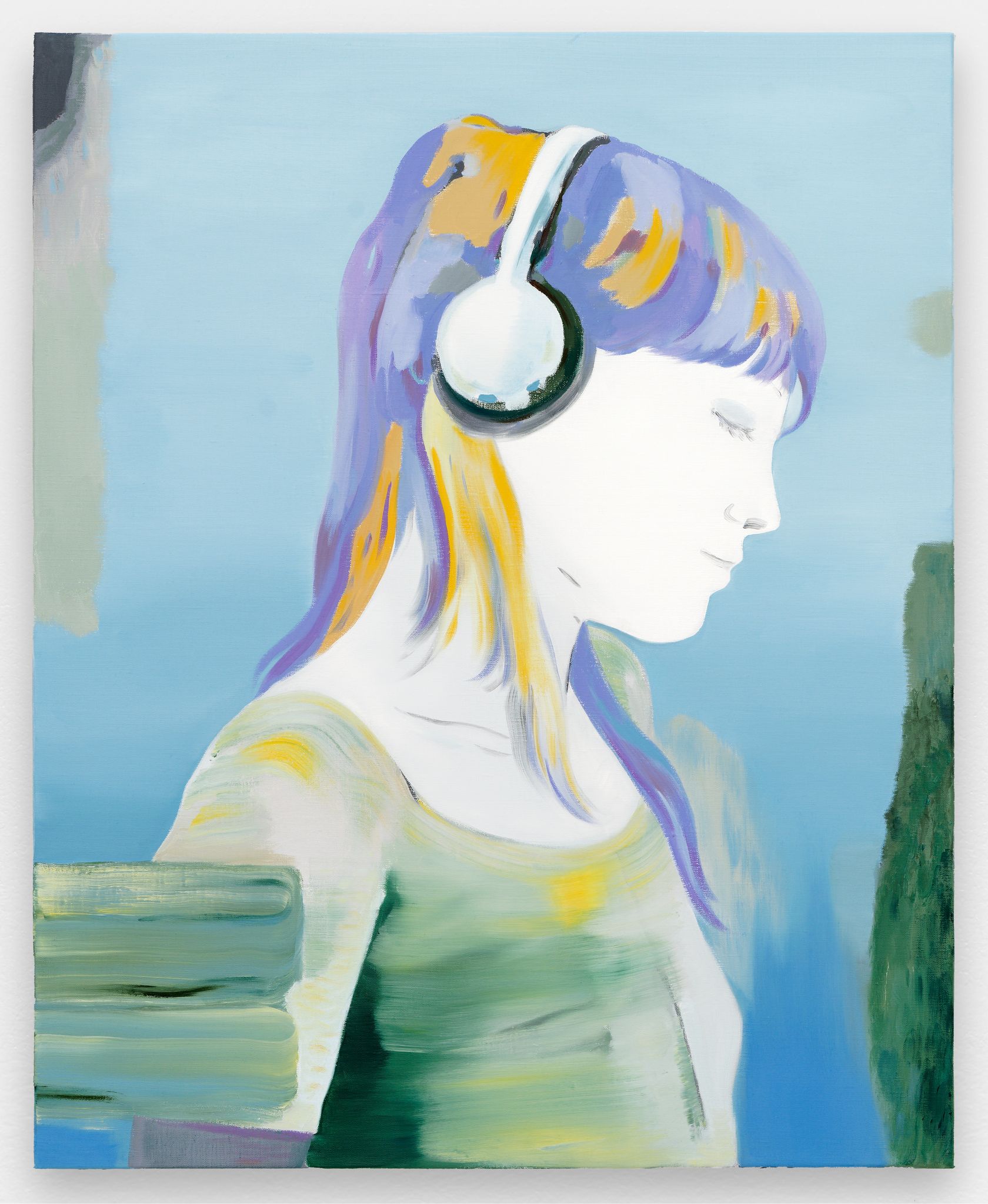
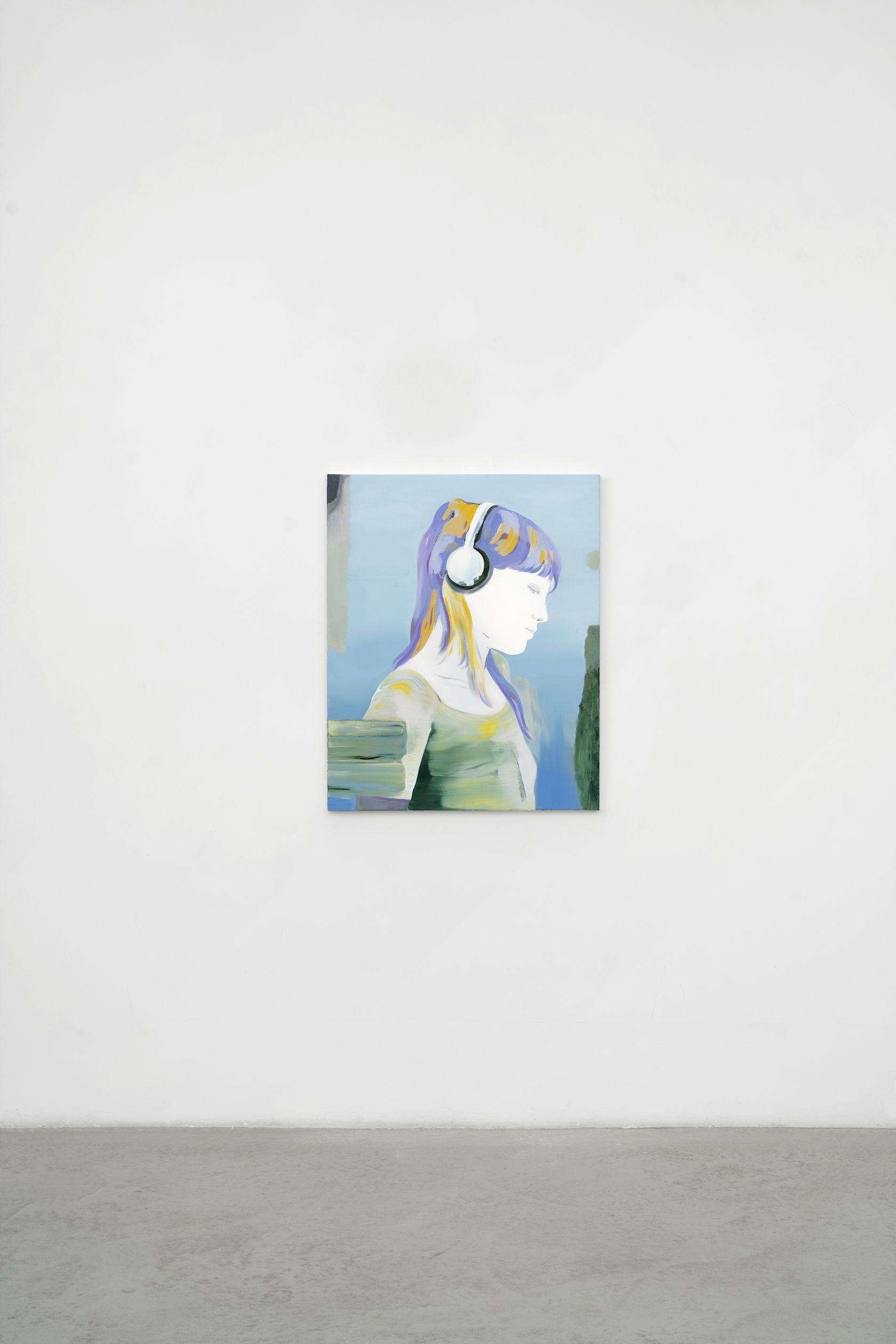
- Françoise Pétrovitch
- Écoute , 2026
- Oil on canvas
-
- 100 ×
- 81 × cm
- 39 3/8 ×
- 31 7/8 × inches


Since the 1990s, Françoise Pétrovitch has produced one of the most powerful bodies of work on the French art scene. Amongst the numerous media she has explored—ceramics, ink washes, painting, print and video—drawing retains pride of place. In constant dialog with the artists who have preceded her, she has been able to measure herself against the incontrovertible motifs of “high art”—Saint Sebastian, still lifes, etc. Pétrovitch’s art reveals an ambiguous world, willingly transgressive, playing with conventional boundaries and eluding any interpretation. Intimacy, fragments of life and disappearance, alongside the themes such as the double, transition and cruelty run through her work, which is inhabited by animals, flowers and beings, and whose atmosphere fluctuates between light and dark, rarely leaving the spectator unmoved.
She has enjoyed numerous solo exhibitions: at the Louvre Lens (2018); in the Fonds Hélène et Édouard Leclerc in Landerneau and the Bibliothèque nationale de France, Paris (2022); the Musée de la Vie romantique, Paris (2023); the Jenisch Museum, Vevey, the Musée Marmottan Monet, Paris, and the MO.CO, Montpellier (2025). Over the past few years, Pétrovitch has produced monumental wall drawings and large format ensembles, for the Galerie des Enfants at the Centre Pompidou, the West Bund Museum, Shanghai, or for the Ballets du Nord Company. Her works are included in many private and public collections, most notably the Centre Pompidou, Paris (FR), the Voorlinden Museum, Wassenaar (NL), the National Museum of Women in the Arts, Washington D.C. (US), the Musée Jenisch, Vevey (CH), the Musée d’Art Moderne et Contemporain of Saint-Etienne (FR) and of Strasbourg (FR), the MAC VAL (FR), the Salomon and Guerlain Foundations as well as Emerige Endowment Fund.