-
 1/10
1/10
Laurent Proux , Ground Melody
July 4th — October 17th, 2026
L’Artothèque, Caen (FR) -
 2/10
2/10
Laurent Proux , Ground Melody
July 4th — October 17th, 2026
L’Artothèque, Caen (FR) -
 3/10
3/10
Laurent Proux , Ground Melody
July 4th — October 17th, 2026
L’Artothèque, Caen (FR) -
 4/10
4/10
Laurent Proux , Ground Melody
July 4th — October 17th, 2026
L’Artothèque, Caen (FR) -
 5/10
5/10
Laurent Proux , Ground Melody
July 4th — October 17th, 2026
L’Artothèque, Caen (FR) -
 6/10
6/10
Laurent Proux , Ground Melody
July 4th — October 17th, 2026
L’Artothèque, Caen (FR) -
 7/10
7/10
Laurent Proux , Ground Melody
July 4th — October 17th, 2026
L’Artothèque, Caen (FR) -
 8/10
8/10
Laurent Proux , Ground Melody
July 4th — October 17th, 2026
L’Artothèque, Caen (FR) -
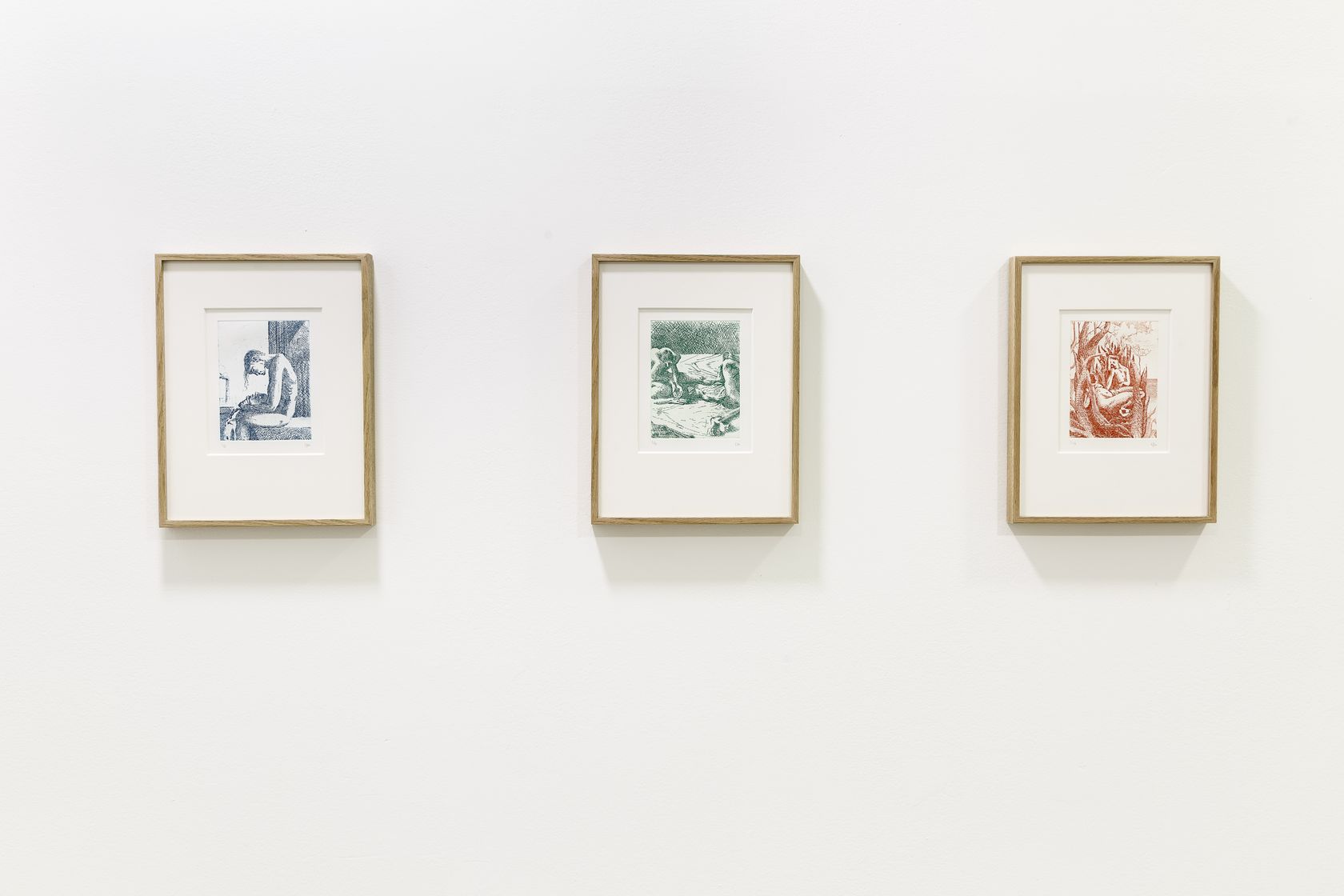 9/10
9/10
Laurent Proux , Ground Melody
July 4th — October 17th, 2026
L’Artothèque, Caen (FR) -
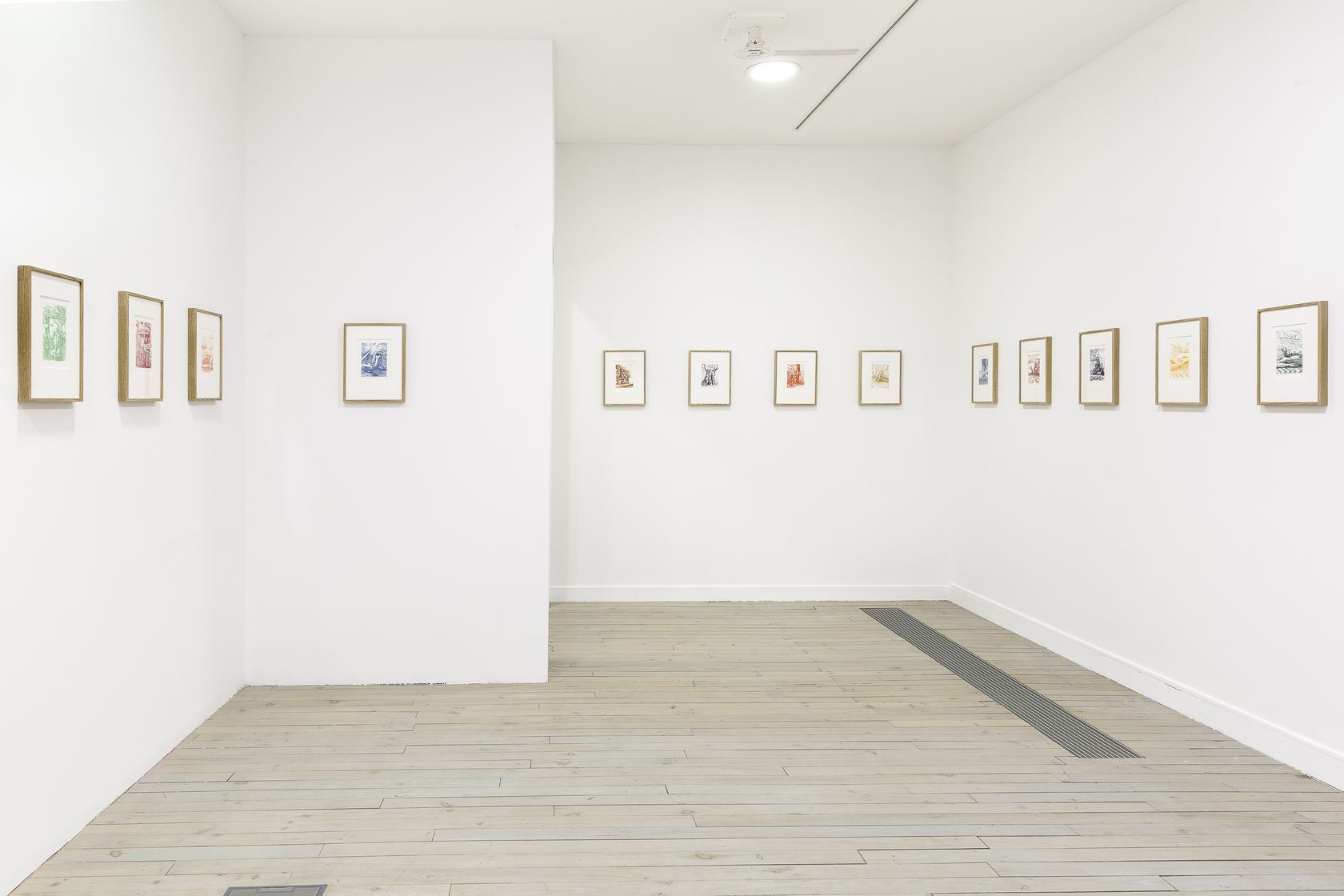 10/10
10/10
Laurent Proux , Ground Melody
July 4th — October 17th, 2026
L’Artothèque, Caen (FR)
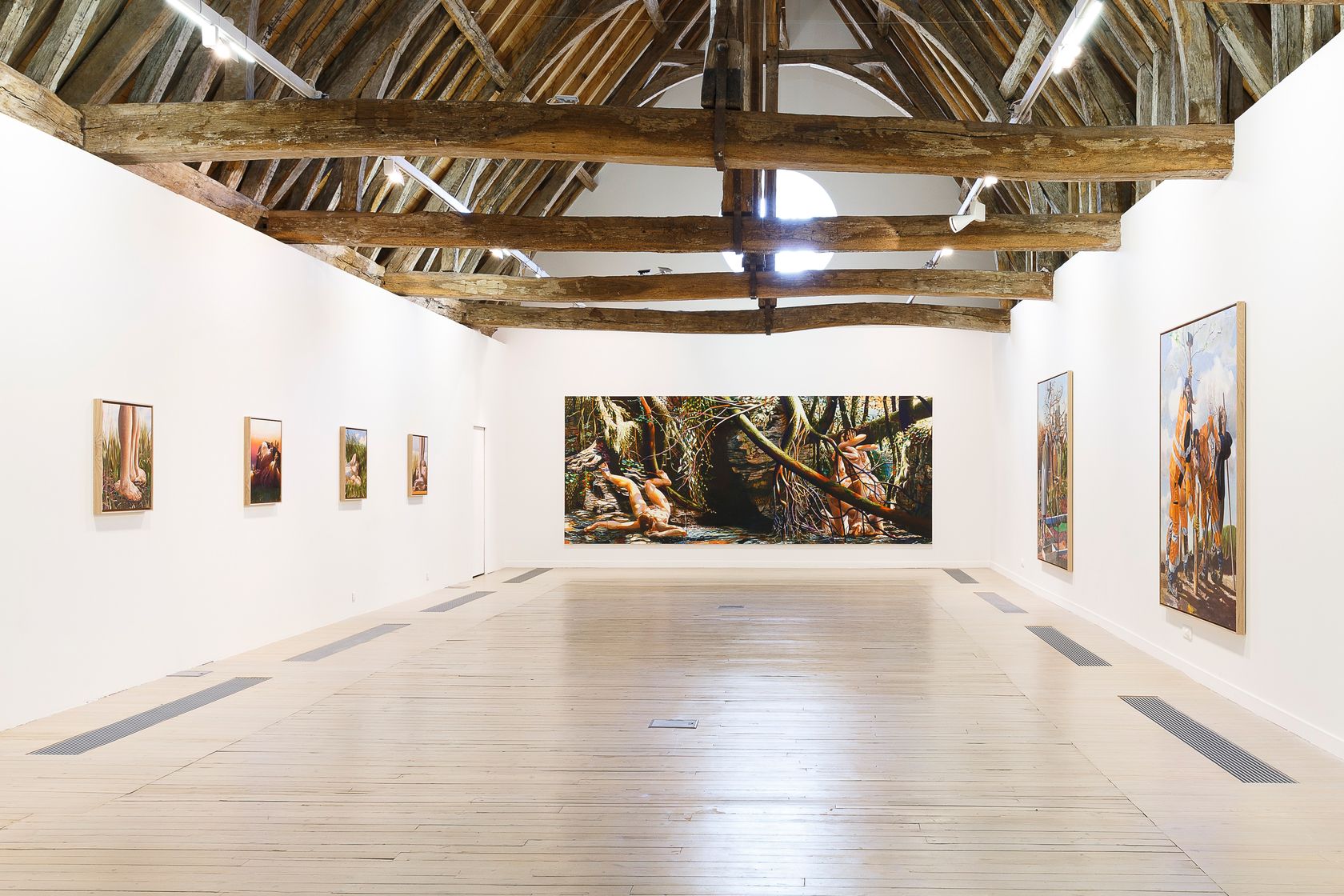
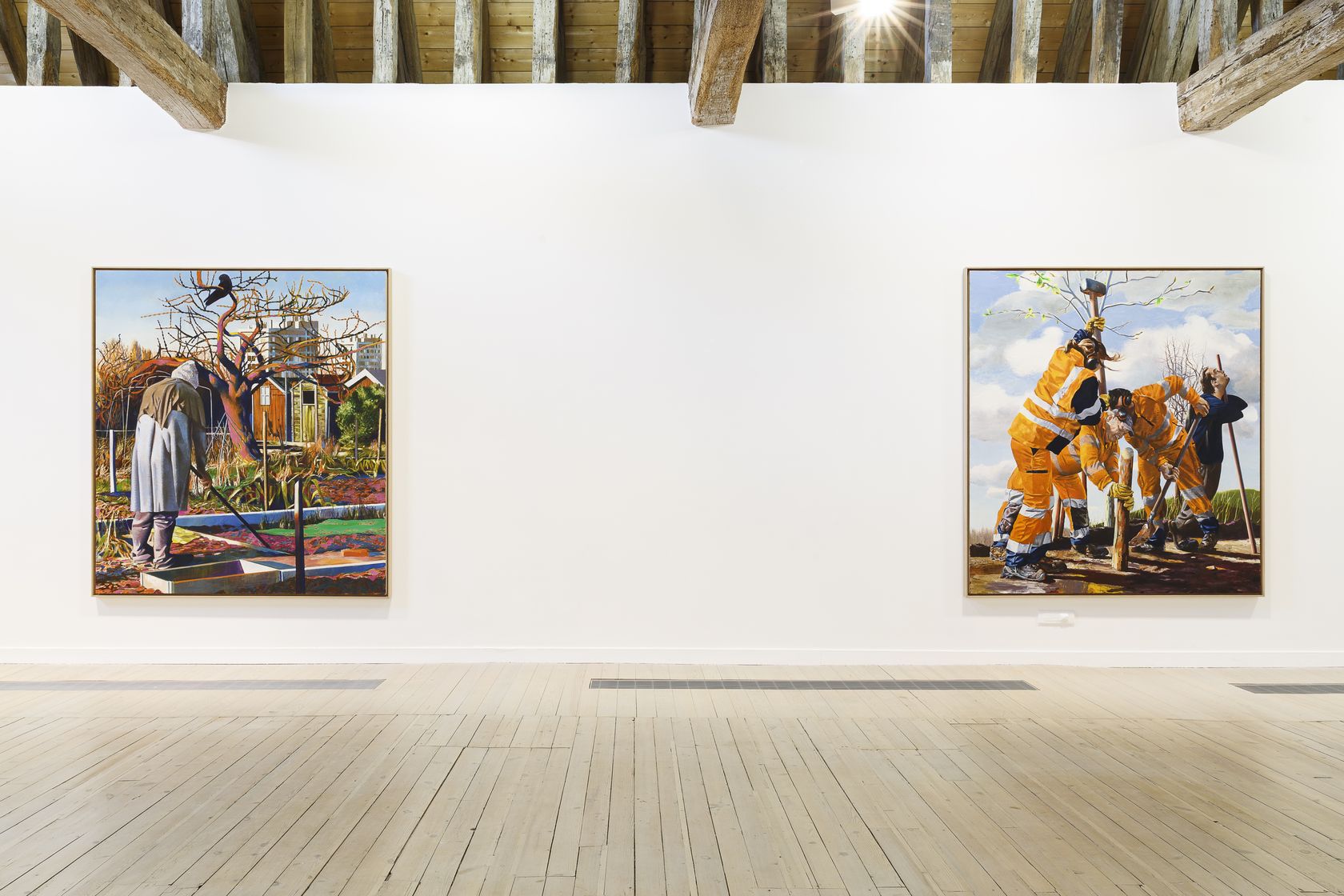
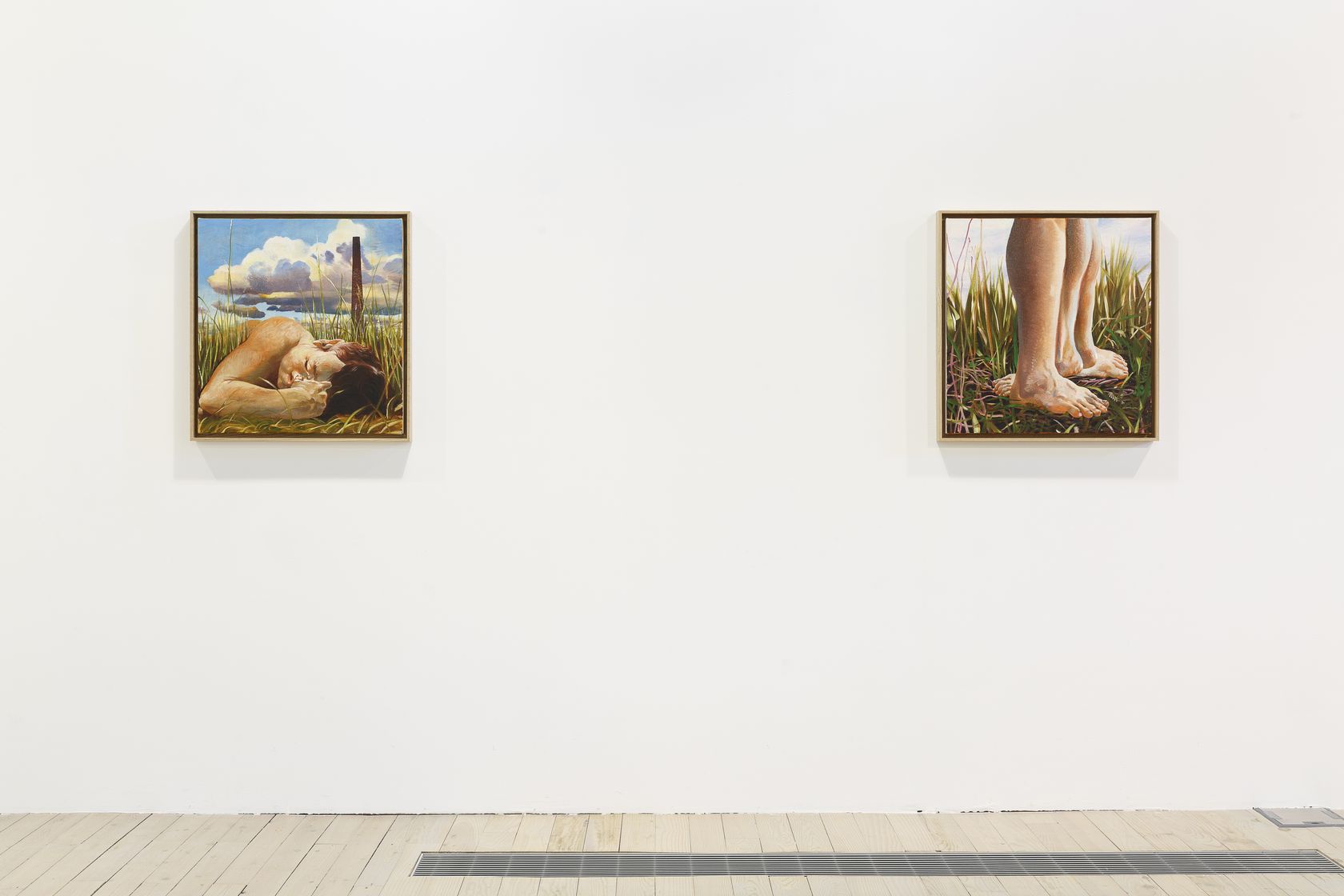
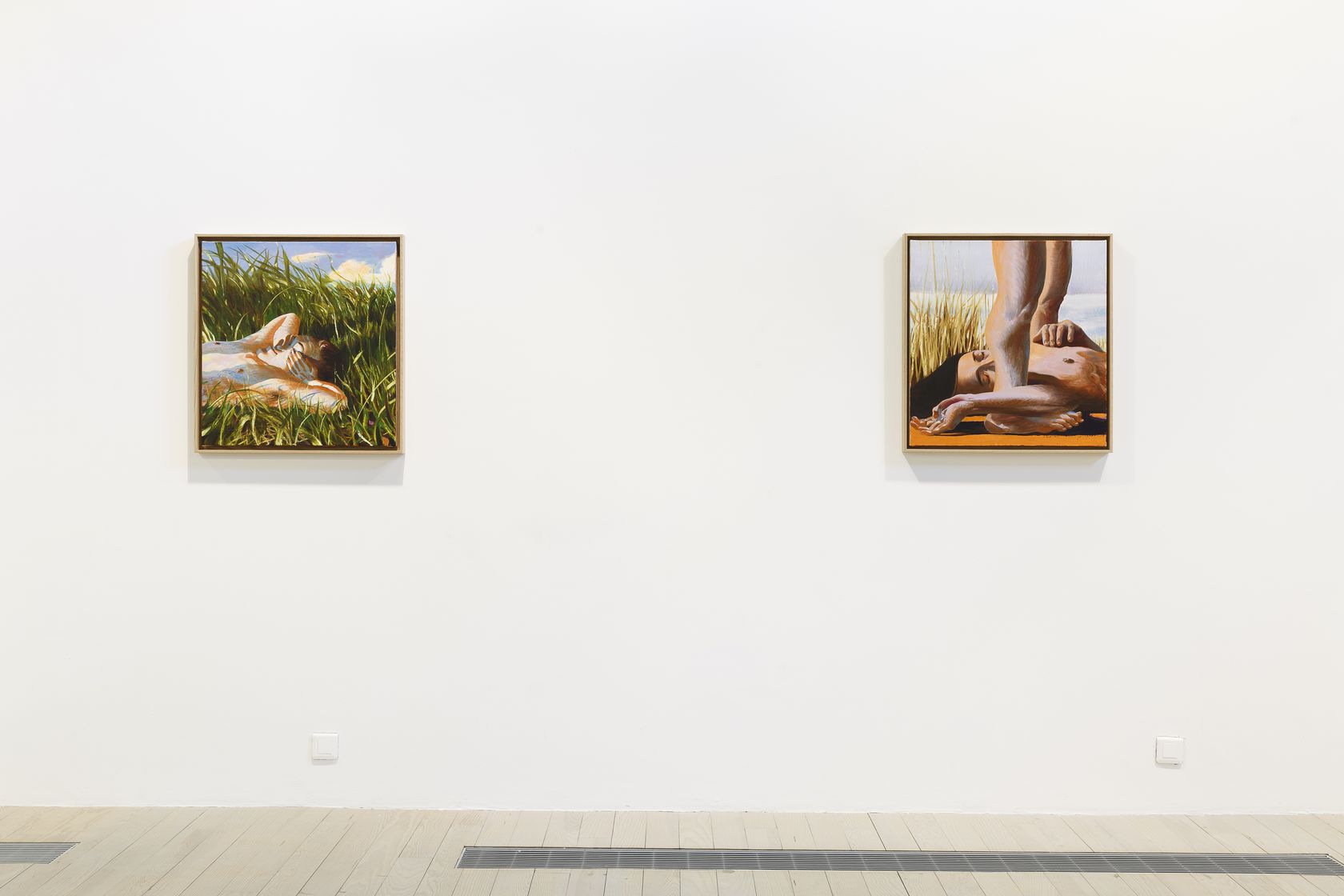
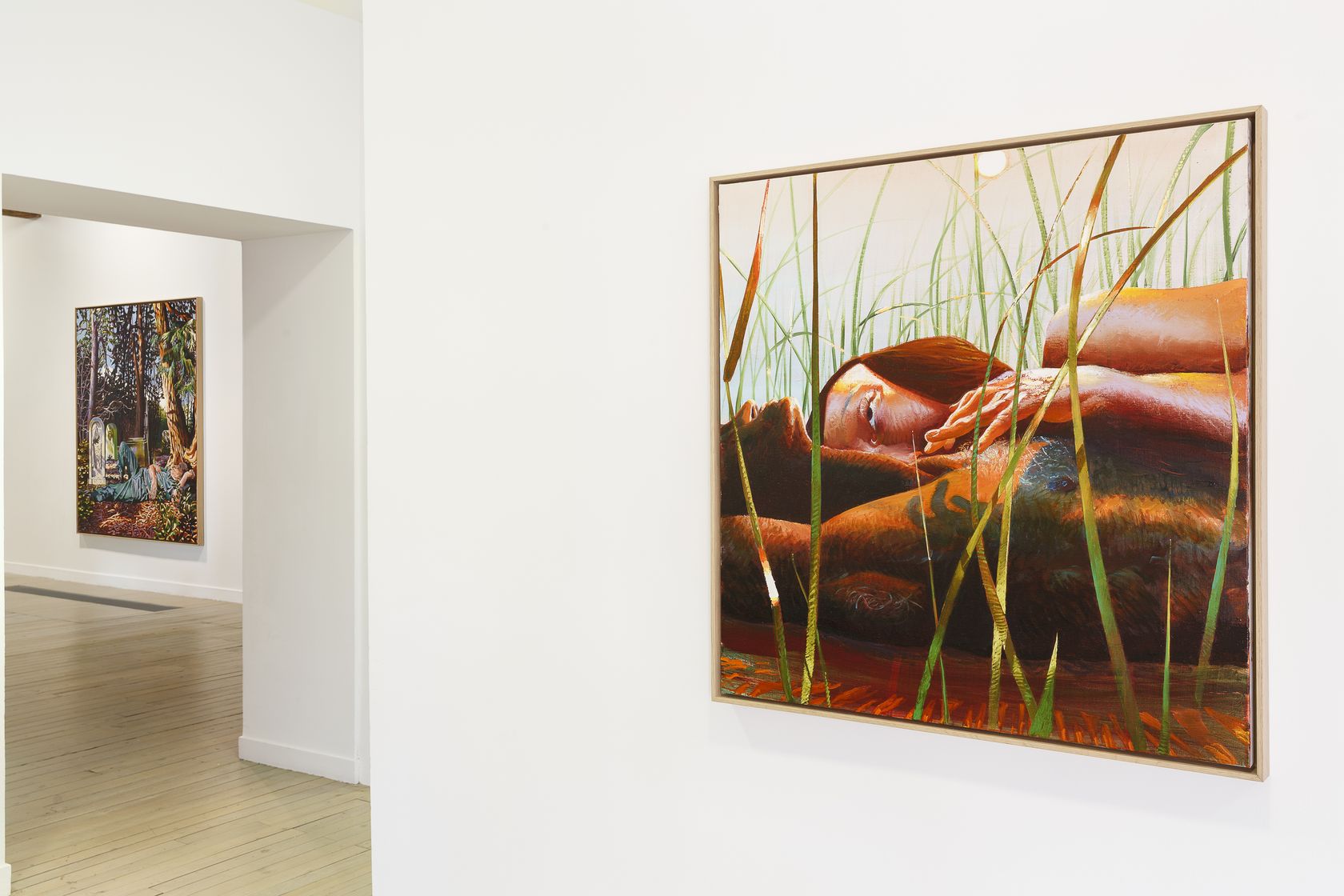
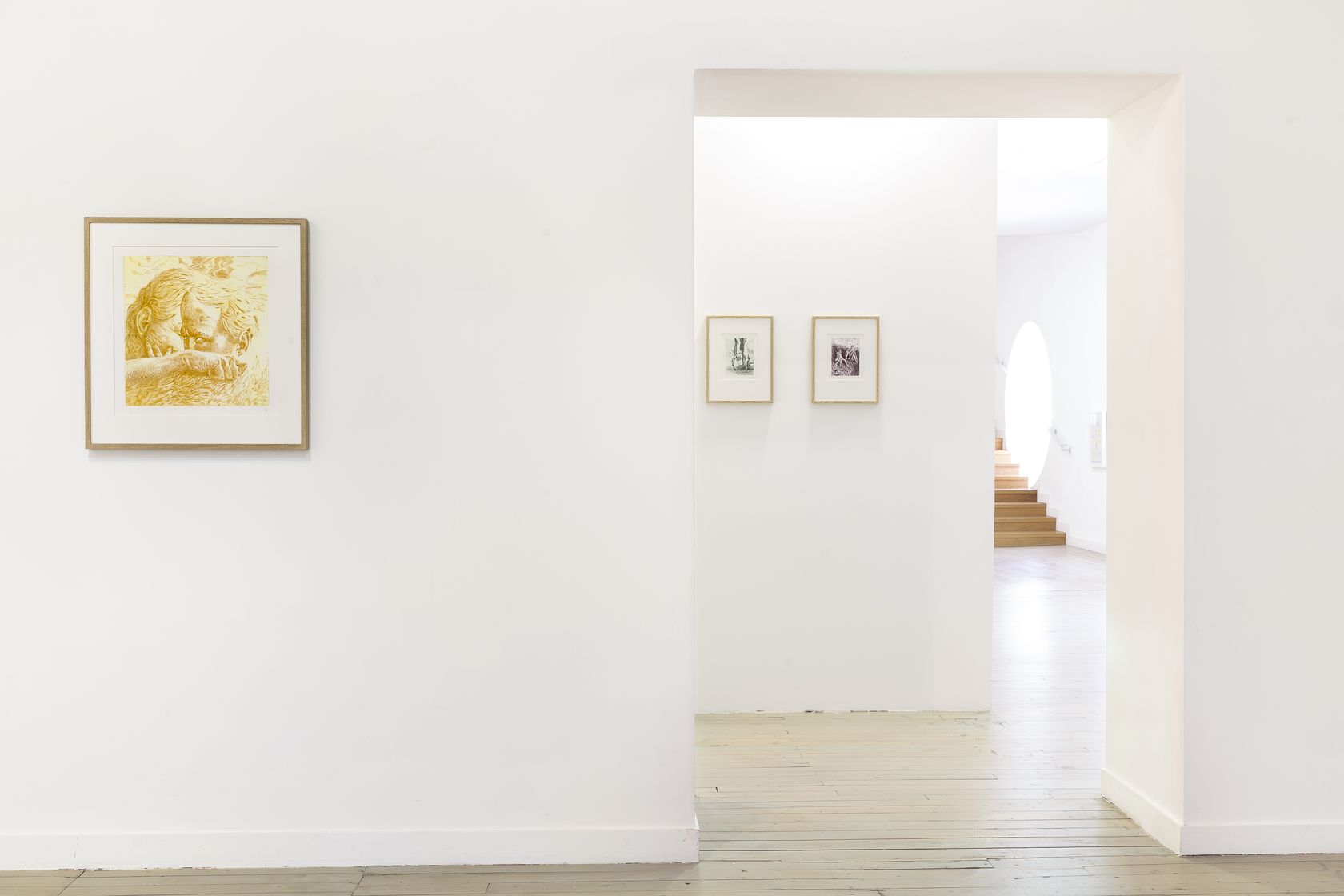
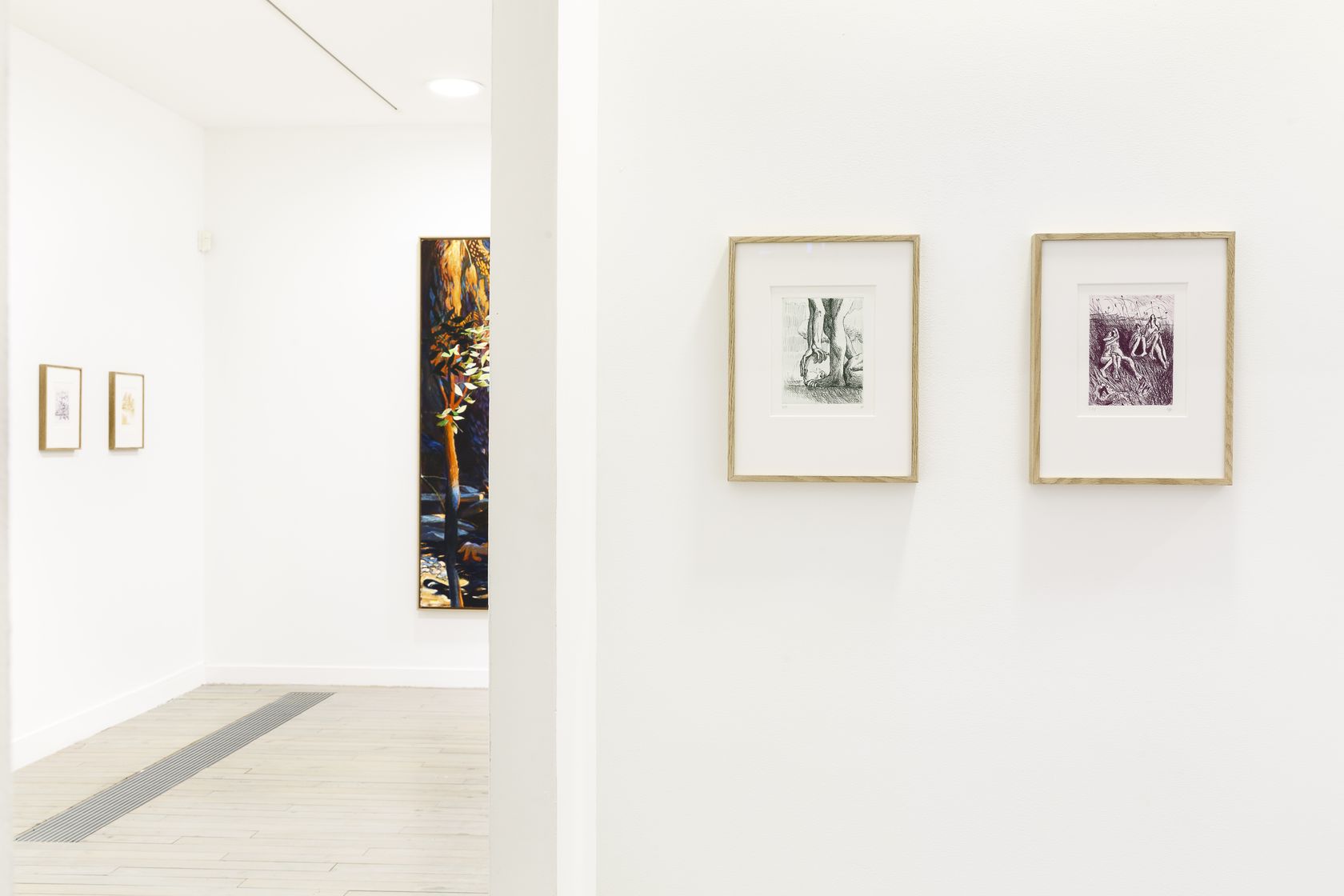
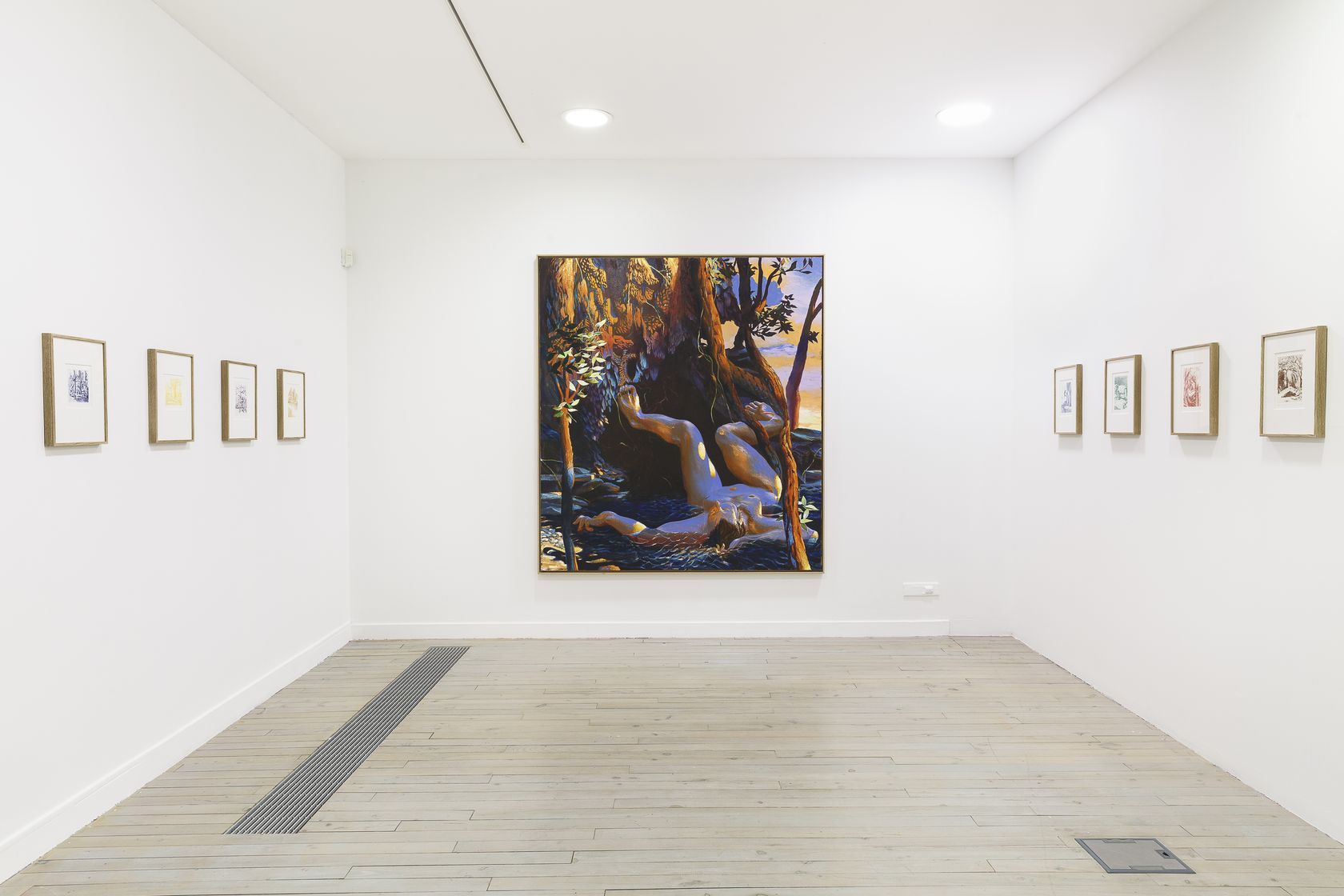
“For Laurent Proux, the garden is an ambiguous territory. At first glance, it evokes gentleness: a domesticated, carefully maintained space, laid out for contemplation. Yet very quickly, something resists. Plants overflow their boundaries, perspectives become blurred, and limits dissolve. It is no longer entirely a controlled environment, but rather a space in which humans are constantly negotiating their place. As though nature, patiently contained, were reclaiming its rights through the cracks of the visible world.
The figures that inhabit these gardens never truly possess them. They are present, but rarely sovereign. Their gestures are suspended, their gazes directed elsewhere. They seem absorbed by their surroundings, as if the vegetal world had become an extension of their inner lives. Or perhaps the reverse is true. The garden then acts as a troubled mirror, reflecting indistinct states of mind, diffuse desires, and a latent sense of unease.
Intrigued by our intrusive wanderings and our frequent stops at every plot, mobile phones in hand, the early-morning gardeners, wrapped in thick jackets, watch us from afar with suspicion: “What are they doing? What are they looking for?” We approach with broad smiles and strike up conversations about the vagaries of the weather — “It’s raining, but the ground is still dry...” — and the tasks ahead — “It’s time to clear and turn the soil...” It is obvious that we are not quite at home here. This is another rhythm, another set of rules, another form of resistance. Yet there is curiosity and generosity: “Come back whenever you like — I’ll find plenty of jobs for you to do...”
While the allotment gardens are alive with gentle activity at this hour, there are others, “sleeping” gardens, scattered throughout the city and contributing greatly to its charm. These are former cemeteries closed to new burials, where nature has gradually reclaimed its place. I describe to Laurent Proux the romantic allure of these vast gardens where, beneath the shaded canopy of towering trees, neglected graves lie dormant, overtaken by vegetation. Indeed, in the artist’s work, the garden is not the image of an orderly paradise but of a fragile equilibrium. Between control and abandonment, between cultivation and wildness, he paints this in-between state where humankind no longer truly dominates, but coexists — sometimes awkwardly — with forces greater than itself. His gardens are therefore not places of rest, but spaces of gentle tension. One senses the passage of time, slowly unfolding in the thickness of the leaves and the density of the light. And within this suspended temporality, something persists: an unanswered question about the way we inhabit the world. [...]”