-
 1/2
1/2
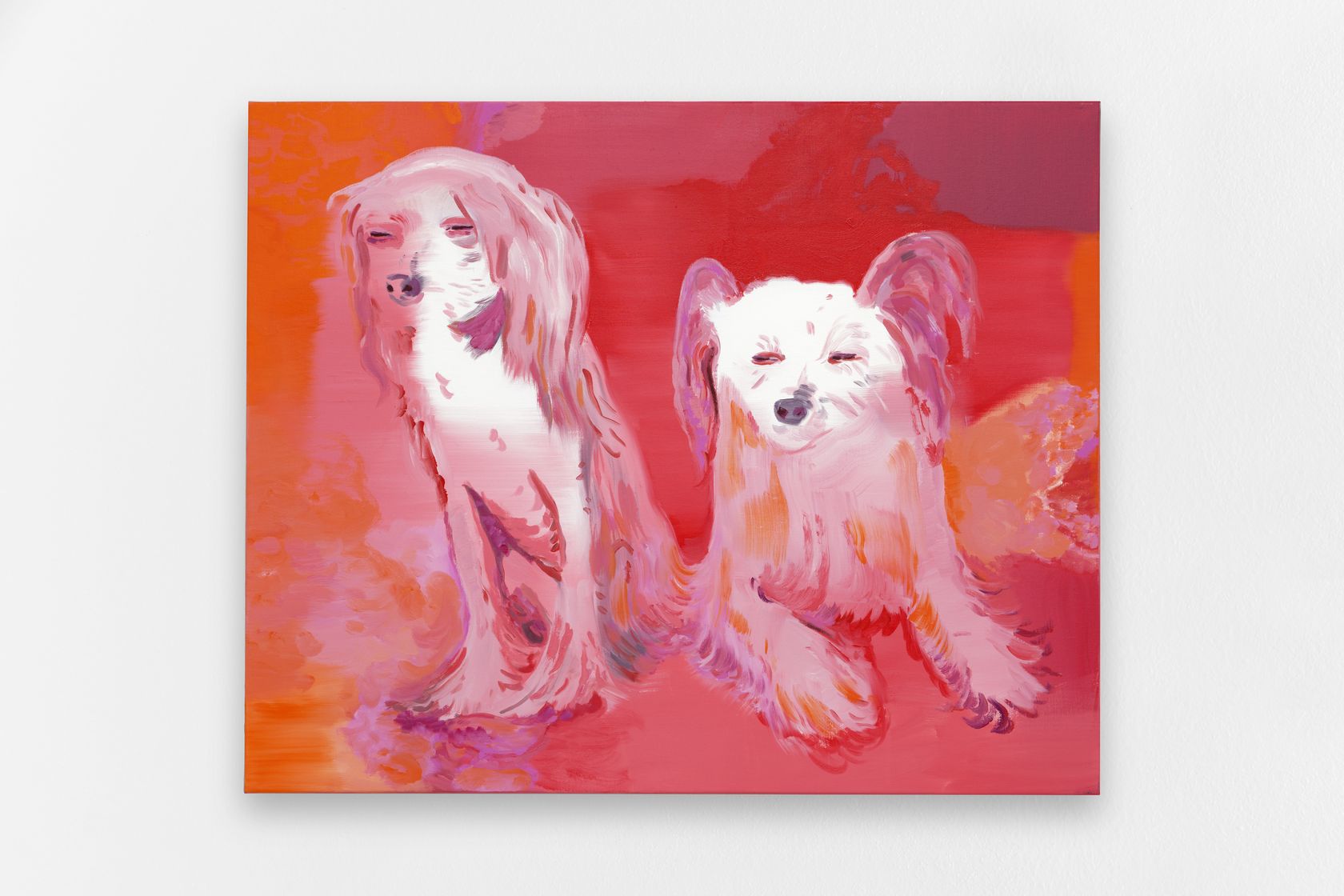
Françoise Pétrovitch, Trop mignon ! L'art du bonheur
-
 2/2
2/2
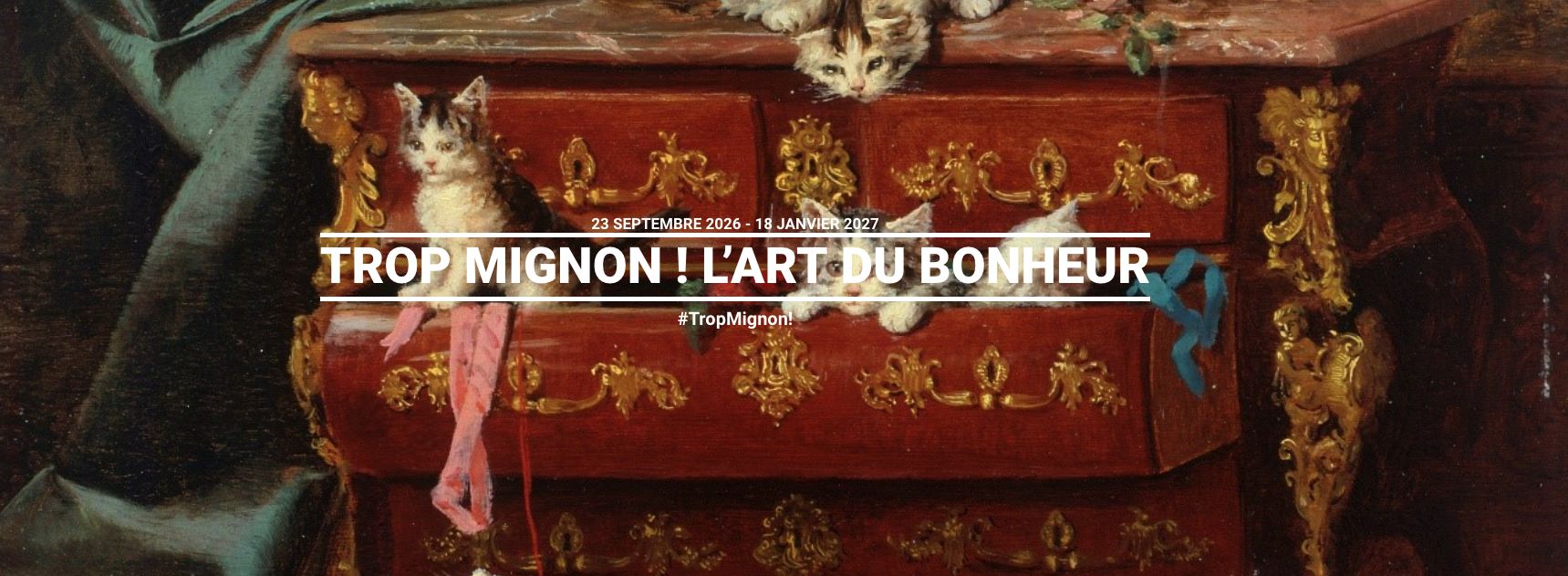
Françoise Pétrovitch, Trop mignon ! L'art du bonheur
Why and How Does Art Make Us Feel Good? Bringing together nearly 300 masterpieces—including paintings, sculptures, photographs, videos, objects, films, books, and installations—the exhibition Trop Mignon ! L’art du bonheur (Too Cute! The Art of Happiness) invites visitors on an emotional journey through the history of art, from Antiquity to the present day. From the emotional power of animals to the history of the colour pink, from glitter in art to the contemporary notions of cute and kawaii, the exhibition explores the emotional impact of artworks and their ability to bring us joy and comfort. By examining our relationship with the aesthetics of cuteness—its origins as well as its transformations—it reveals the power of tenderness as a way of confronting the turmoil of the world.
When asked in 2014 what had surprised him most about the development of the Internet, World Wide Web inventor Tim Berners-Lee answered: the success of cat videos. Internet-famous cats, advertisements featuring chubby-cheeked babies, the collecting of figurines, cartoon characters with oversized eyes and rounded features, a fondness for pink and rainbows—never has cuteness seemed so omnipresent as it is today, permeating every aspect of our daily lives and visual culture. Far from being anecdotal, it has become a major subject of research at the intersection of cultural studies, art history, psychology, and neuroscience.
Through an immersive and sensory exhibition journey, Trop Mignon ! (Too Cute!) explores the many faces of cuteness in art: the symbolism of animals across the centuries, the joyful world of putti, the emergence of pink as a colour in the eighteenth century, cuteness as a core value in Korean society, plush toys as objects of comfort and care, the global success of Japanese kawaii, and the contemporary fascination with glitter and vibrant, colourful worlds. Interactive installations invite visitors of all ages to experience first-hand the emotions evoked by the artworks.
From ancient Egyptian cats to classical sculptures of infants; from the delicate portraits of Théodore Géricault and Auguste Renoir to the smooth, brightly coloured creations of Jeff Koons and Philippe Katerine; from Nicolas Poussin's Cupids to the moving tributes paid by Rosa Bonheur, Agnès Varda and William Wegman to their beloved animal companions; from Cindy Sherman, dressed entirely in pink as Madame de Pompadour, to the flamboyant florist portrait by Pierre et Gilles; from Annette Messager's unsettling soft toys to the bittersweet sweetness painted by Chardin and Mireille Blanc, and even to war photojournalists staging animals in conflict zones—the exhibition creates a dialogue between works spanning Antiquity to the present day, revealing the many expressions of cuteness within a world that is as seductive as it is ambivalent.
Behind its apparent innocence, the aesthetics of cuteness can also become a tool of consumerism or propaganda. Yet soft, childlike forms can equally embody critical and political perspectives, particularly when contemporary artists subvert the codes of the cute to question social violence, gender identities, and the vulnerabilities of today's world. By bringing tenderness and resistance together in the face of darkness, artists invite us to re-enchant life just as art and museums themselves can.
Conceived as a journey through our imagination and emotions, Trop Mignon ! L’art du bonheur (Too Cute! The Art of Happiness) demonstrates that the pleasure we experience in front of works of art also enriches the way we understand and perceive them.