-
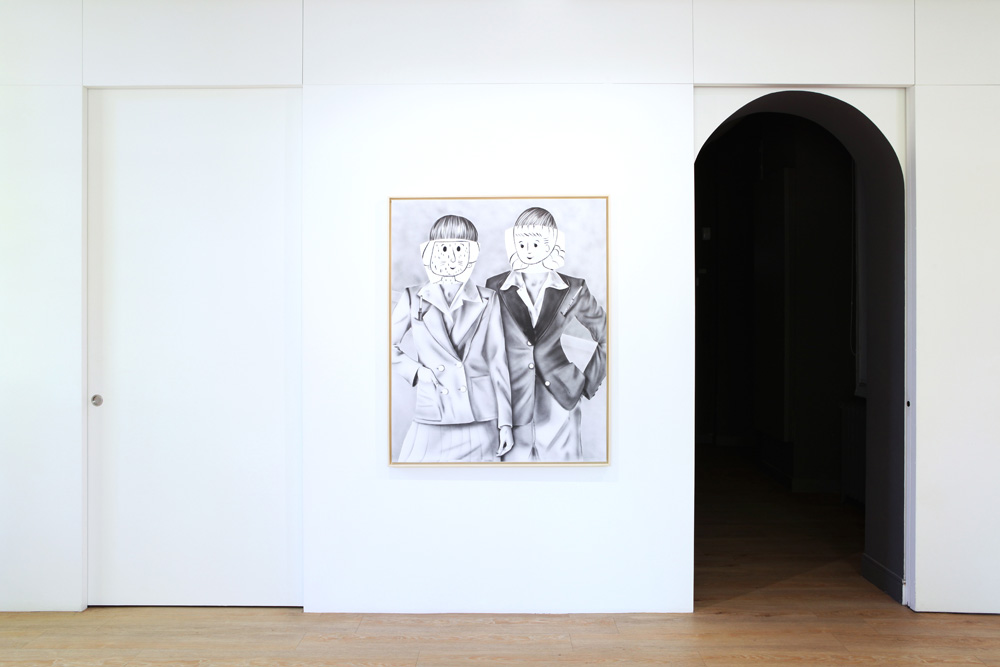 1/4
1/4
Hippolyte Hentgen, Hippolyte Hentgen - Ficus
-
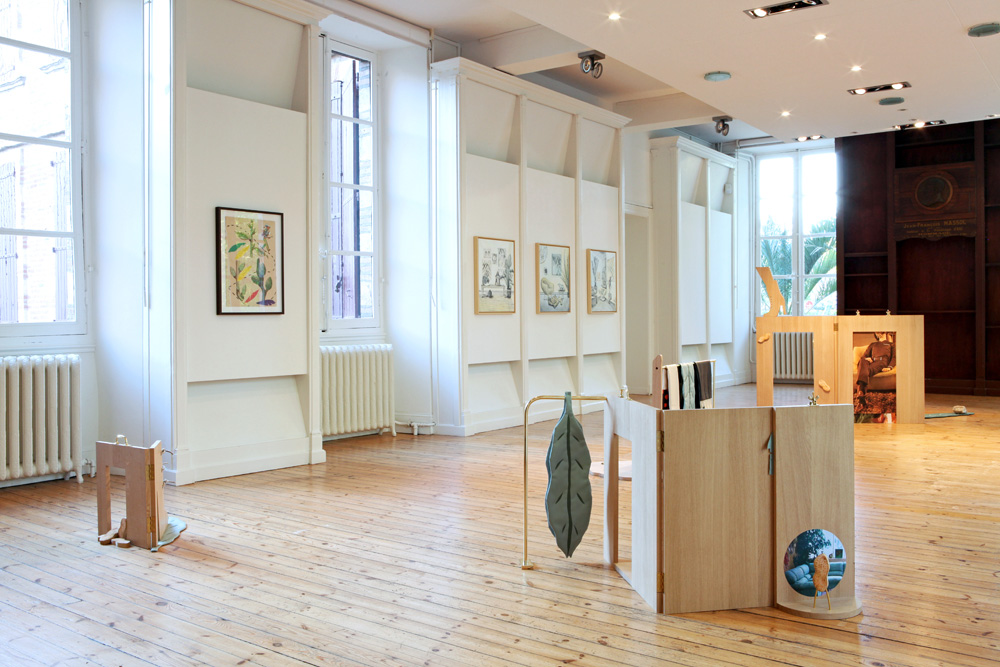 2/4
2/4
Hippolyte Hentgen, Hippolyte Hentgen - Ficus
-
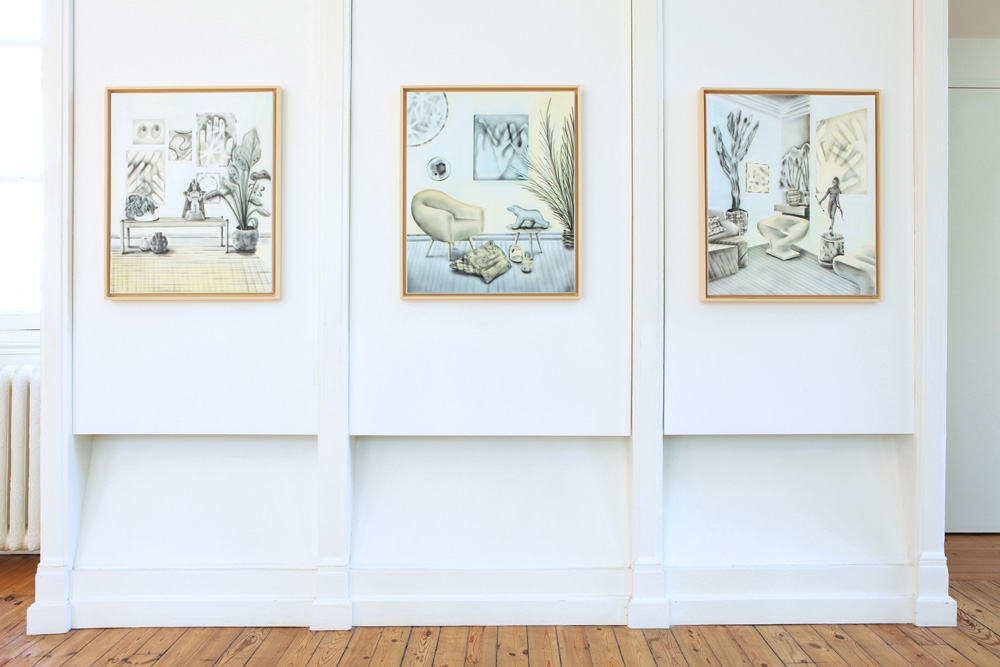 3/4
3/4
Hippolyte Hentgen, Hippolyte Hentgen - Ficus
-
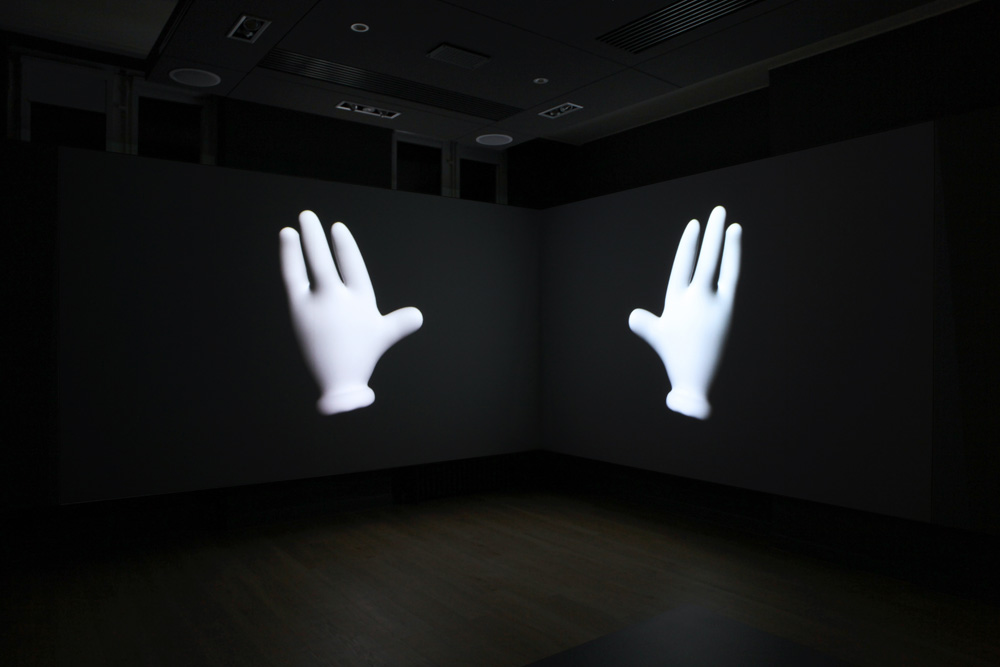 4/4
4/4
Hippolyte Hentgen, Hippolyte Hentgen - Ficus
Gaëlle Hippolyte and Lina Hentgen make up the Hippolyte Hentgen twosome. With this fictitious name, they undertake four-handed explorations of a research area mainly tending towards drawing and imagery, but they also venture into other fields of representation, such as performance and music. Drawing from both art history and popular culture, they appropriate iconic images rooted in our collective memory and re-create them in a huge multi-facetted and composite collage. Cultural photos, worn thin, embark on a new life with the virtuoso pen of Hippolyte Hentgen. Using a wide range of media, formats and styles, the oeuvre plays to retinal delight and is forever surprising us by its colourful, droll and at times acerbic verve.
The show in Albi, titled Ficus, will be specifically planned for the premises of the Hôtel Rochegude. Accessible and viewable for all kinds of public, it will nevertheless be conceived with a young public in mind. Here, this will involve expanding the arena of the imagination, so as to broach contemporary art like a resource which develops in the visitor a free way of seeing things, and hones his or her understanding of the world.
“ Ficus” is the familiar name for that widespread indoor plant which embellishes, and sometimes pathetically survives in thoroughfares, hallways, open spaces and waiting rooms. It was ubiquitous in fashion magazines of the 1970s and 1980s, creating an area of greenery making an interior warm, with a “tended” look. This is the plant which took over from the Aspidistra, that quintessential symbol described by George Orwell in his novel Keep the Aspidistra Flying, written in 1936. The novel portrays the English middle class of the 1930s, somewhere between exhausted desires, dreams, and conviviality: the lowly desire to live. For Hippolyte Hentgen, Ficus offers a chance to think about a place, hang on to its loan, and in it combine the aesthetic preoccupations which have lived on in our theoretical and formal research since 2007. Ficus is the temptation to grasp a specific idea of the French pop legacy, with images of our middle-class environment of the late 1970s and early 1980s.
Ficus is a collection of small scale sets. In the manner of a Rubik’s Cube, it is an interplay of assemblage and memory, where every facet has its material, its atmosphere, and its own history. Here everything is about decor, semiotics and potential histories where the meaning of things shifts and rebounds, depending on the viewpoint. This work proposes different interplays of scales, perspectives and reflections which incorporate and reflect the environment accommodating them. The hybrid nature peculiar to these pieces would also enable the artists to continue with the soft sculptures embarked upon in 2019.
Hippolyte Hentgen’s work has been shown in numerous solo exhibitions and has recently been exhibited at the MAMAC in Nice, the Printemps de Septembre Festival in Toulouse, at the Abbaye Sainte-Croix Museum in les Sables-d’Olonne and at the Hors-Pistes Festival at the Pompidou Centre in Paris. Their work is held in the collections of the CNAP, Paris, the Abbaye Sainte-Croix Museum, Les Sables-d’Olonne, the MAC/VAL, Vitry-sur-Seine and numerous FRACs.