-
 1/5
1/5
William S. Burroughs , Brion Gysin, The Last Museum
April 10th — July 12th, 2026
Musée d'Art Moderne de Paris, Paris (FR) -
 2/5
2/5
William S. Burroughs , Brion Gysin, The Last Museum
April 10th — July 12th, 2026
Musée d'Art Moderne de Paris, Paris (FR) -
 3/5
3/5
William S. Burroughs , Brion Gysin, The Last Museum
April 10th — July 12th, 2026
Musée d'Art Moderne de Paris, Paris (FR) -
 4/5
4/5
William S. Burroughs , Brion Gysin, The Last Museum
April 10th — July 12th, 2026
Musée d'Art Moderne de Paris, Paris (FR) -
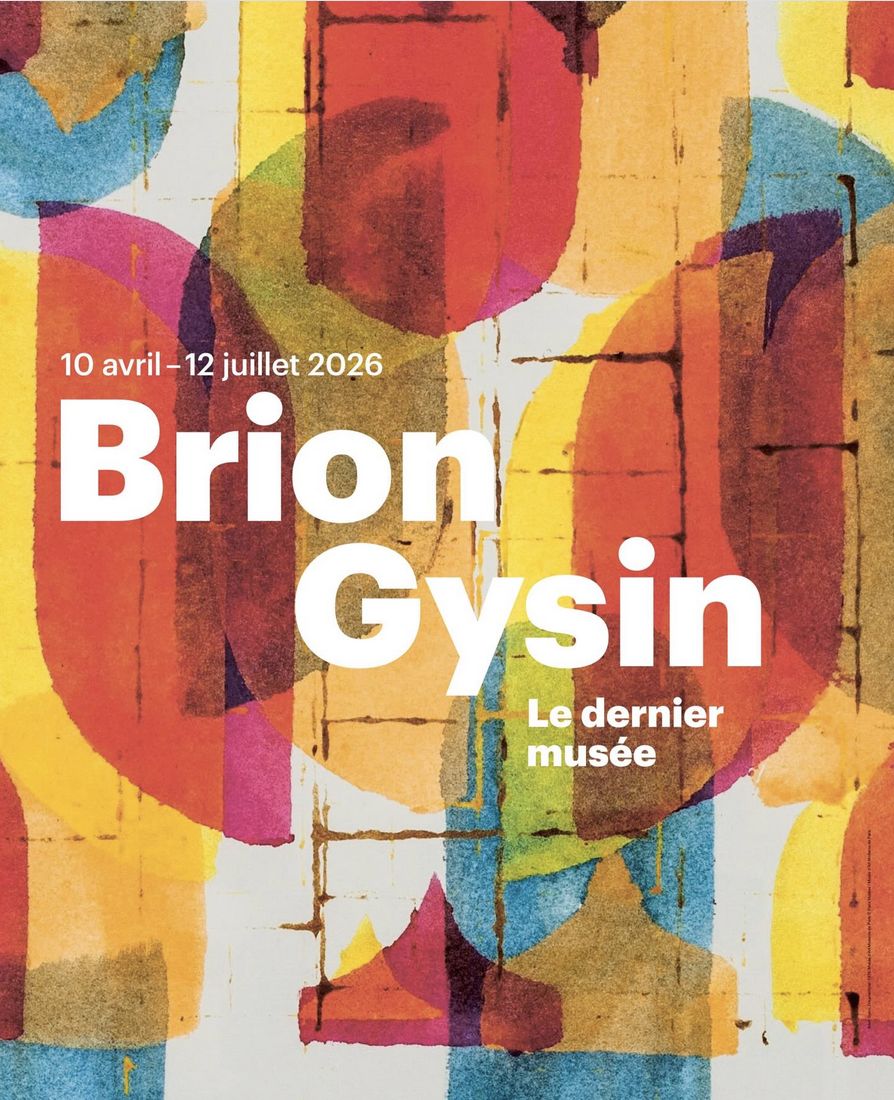 5/5
5/5
William S. Burroughs , Brion Gysin, The Last Museum
April 10th — July 12th, 2026
Musée d'Art Moderne de Paris, Paris (FR)
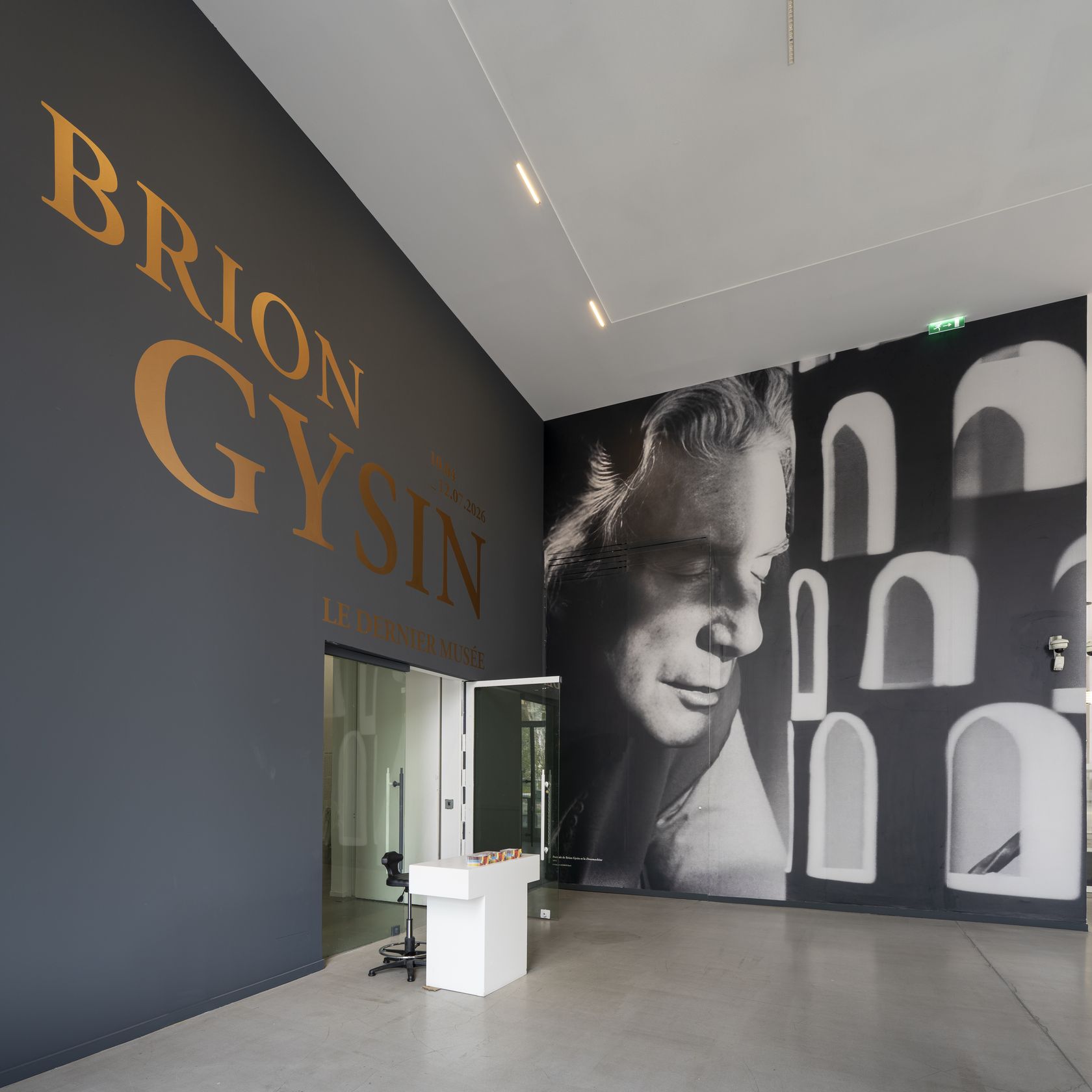
The Musée d’Art Moderne de Paris is presenting the first retrospective Brion Gysin's work in a Parisian museum.
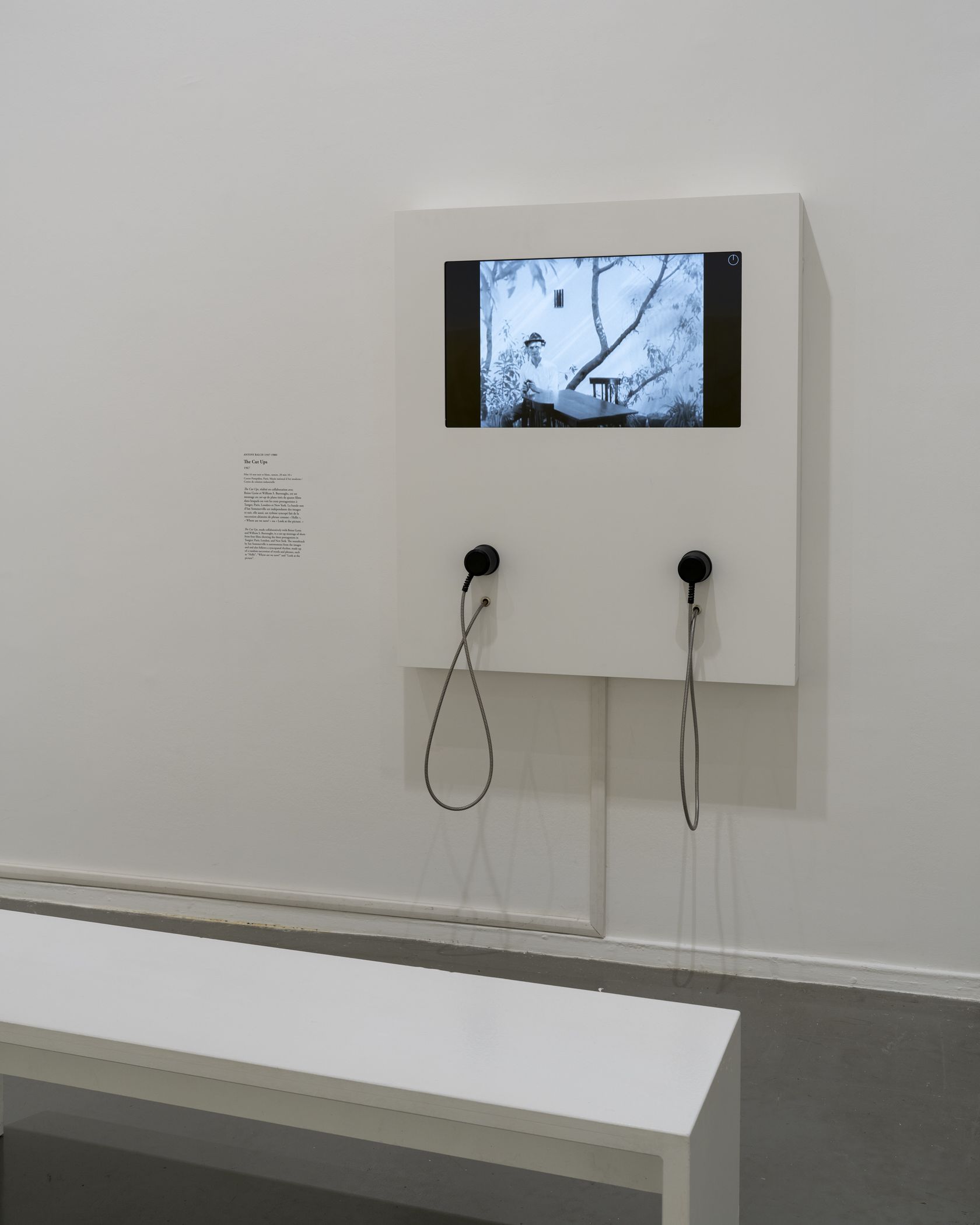
Born in Great Britain in 1916, Brion Gysin was a multifaceted artist, painter, poet, performer, photographer, and musician, often associated with the Beat Generation. Inventor of the Cut-up and the Dreamachine, his oeuvre unfolds at the conjunction of painting and writing, enlisting a always renewed array of visual languages. Drawn to alterity and marginality, Brion Gysin roamed the world, mingling with alternative and underground movements. His travels brought him into contact with wide-ranging creative and intellectual circles, within which his work often finds unexpected resonance and enjoys an almost magical aura. Inspired by these encounters, his ceaseless creative drive found expression through a variety of forms such as sound and visual poetry, experimental film, performance, novels, and music, not to mention painting and photography.
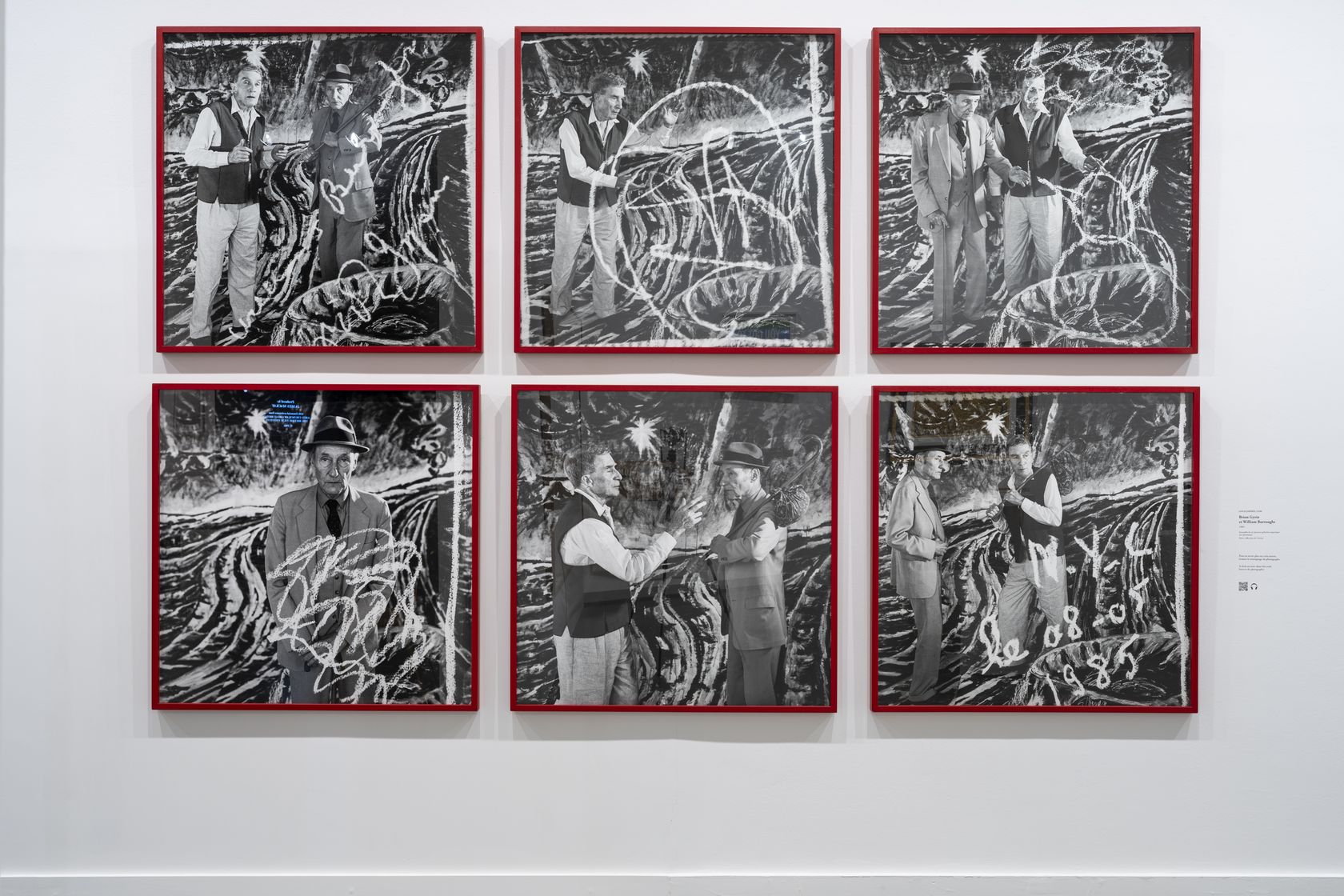
The exhibition retraces the major stages of this uncommon career encompassing all the twentieth-century avant-garde movements, and in counterpoint, showcases the works of artists with whom he forged close ties and whom he inspired: William Burroughs, Françoise Janicot and Bernard Heidsieck, John Giorno, Keith Haring, Patti Smith, Ramuntcho Matta, and so on. It also bears witness to the strong connections between Brion Gysin and Paris, where he lived for a large part of his life. He spent time in the French capital during the 1930s when he was a student at the Sorbonne. At the turn of the 1960s, he gravitated to surrealist circles and the famous Beat Hotel (9, rue Gîtle-Cœur, Paris 6th). From the 1970s until his death in 1986, he was living in an apartment located opposite the Pompidou Center. Shortly before his death, he bequeathed his entire estate to the city of Paris.
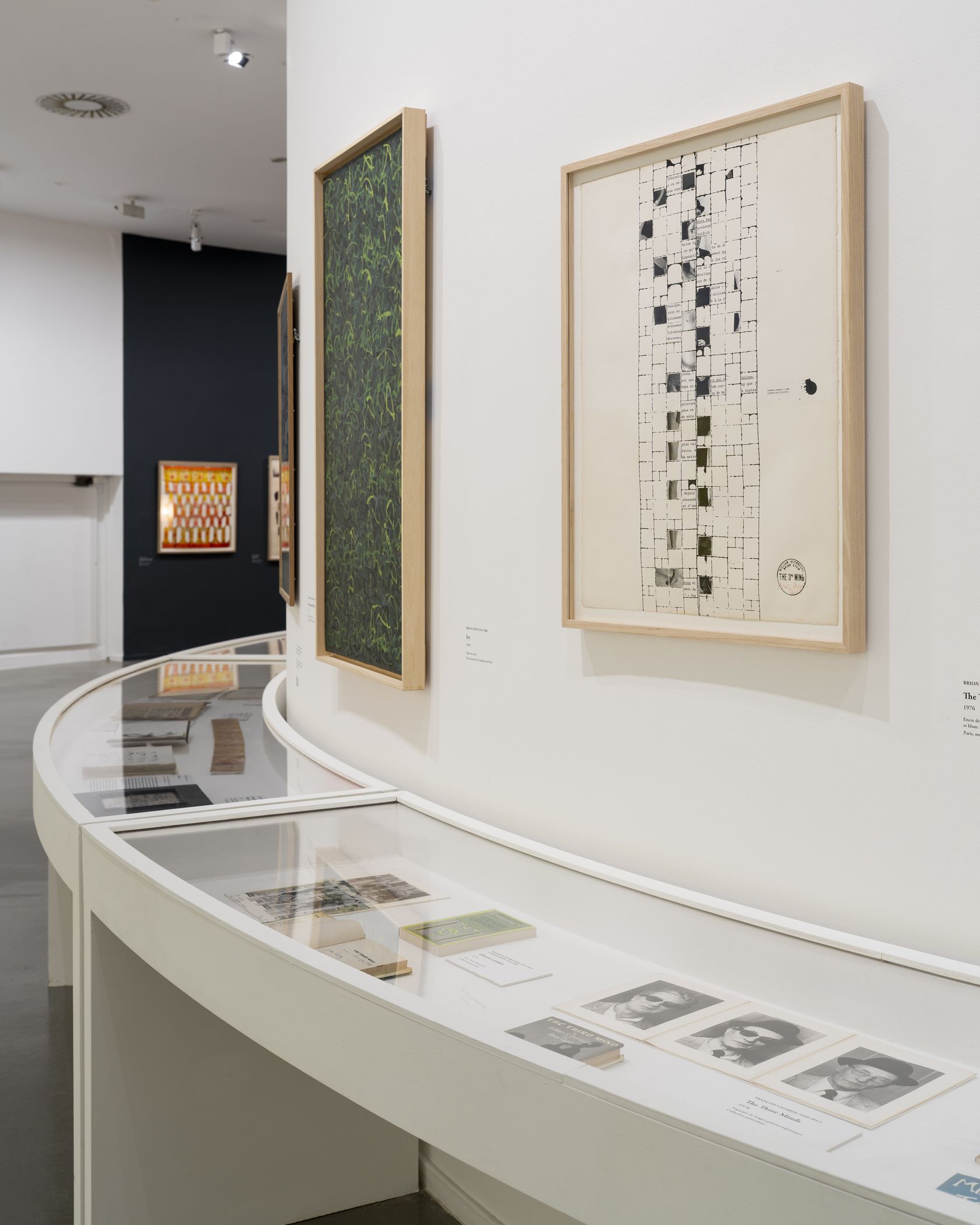
The exhibition, comprising over 140 of the artist’s works, builds on the Gysin collection at the Musée d’Art Moderne de Paris, the most extensive in the world, complemented by exceptional loans from public and private collections in France and abroad.