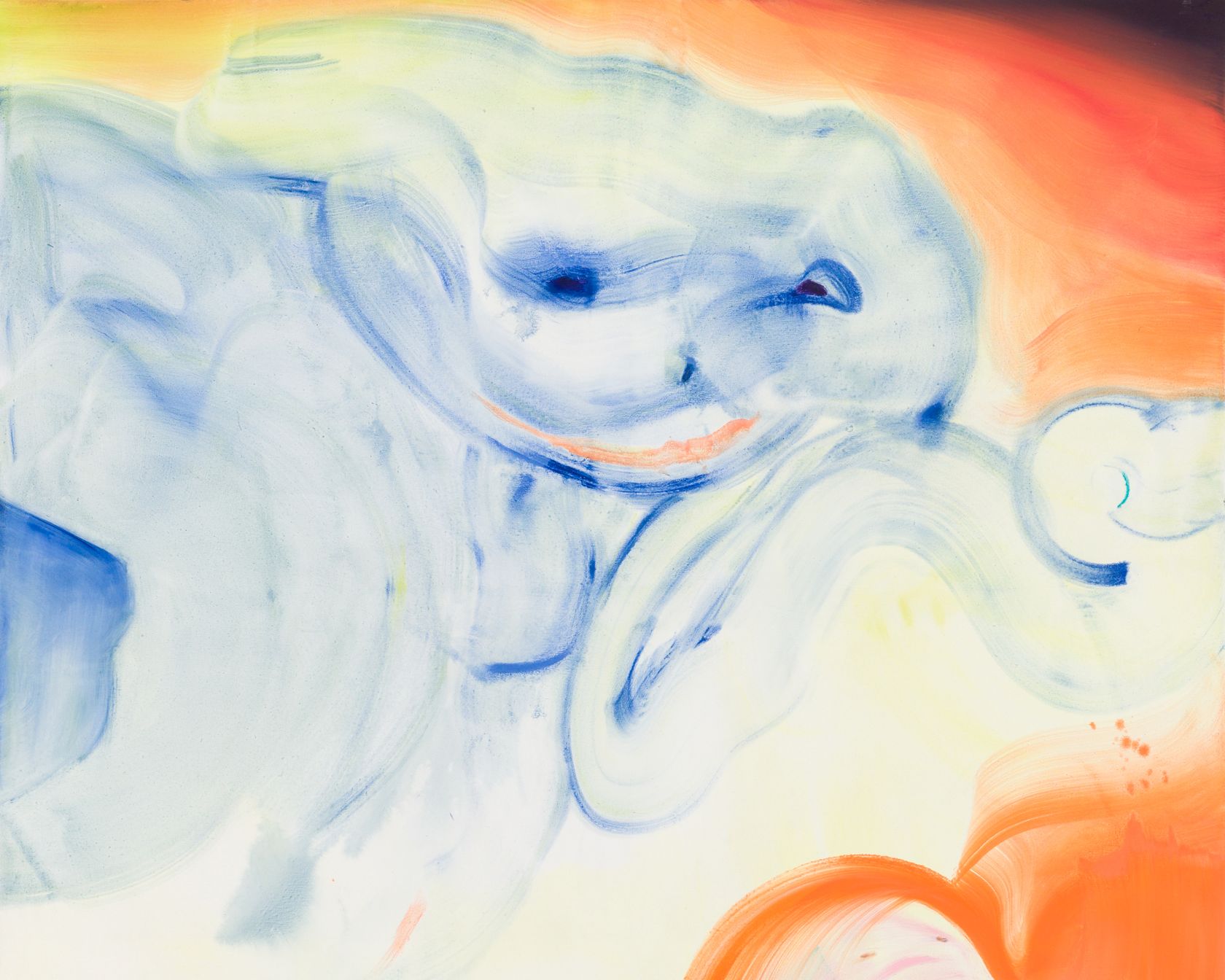
The exhibition Les mues éternelles heralds a new era for the Frac Auvergne, housed in a historic building that has undergone continuous metamorphosis in the lead-up to its long-awaited reopening, nearly thirty years in the making. The labyrinthine exhibition spaces, spread across two floors, reveal a landscape of multiple forms: varying ceiling heights, transparencies, perspectives and viewpoints, passages and unexpected corners, as well as traces still visible of the Halle aux Blés’ former vibrant lives.
Reflecting the site itself, the inaugural exhibition celebrates metamorphosis as a life-sustaining principle: living beings adapt and reinvent themselves through physical, psychological, societal, and environmental transformations. In an echo of the eternal snows, the title opens up a space for reflection. These snows are in fact constantly regenerating: the oldest layers of ice are pushed forward by the formation of new ones, a process that has sustained the vital balance of glaciers for millions of years. Today, this balance is threatened by profound disruptions caused by climate change. This is the intensity, and above all the ambiguity, of metamorphosis that the exhibition seeks to reveal: at times joyful and invigorating, at others dark and unsettling.
Each visitor is invited to experience this phenomenon for themselves. The conversations forged by artists from different generations anticipate the transformations of painting in relation to those of the landscape, history, and its fragmented narratives. At the heart of these upheavals, painting endures—sometimes in its more classical forms, and often in expanded versions through photographic, video, sculptural, or textile works. Painting is more than ever the subject of intense artistic reflection: its exceptional vitality is expressed through the use of materials, forms, and narratives, skilfully reimagined through plays of texture, light, and scale. This vitality is also reflected in the Frac collections, which have been enriched every year for more than forty years through the acquisition of new works. A collection of artworks is, in turn, a living organism, in perpetual evolution and constant redefinition.
The exhibition thus emerges as a reflection of the surface of the world itself. Hybrid and ever-changing, it is continually transformed by profound, necessary, and vital processes of metamorphosis—sometimes sudden, imposed, and destructive—reminding us all to adopt a position of humility in the face of that which will never be eternal.